

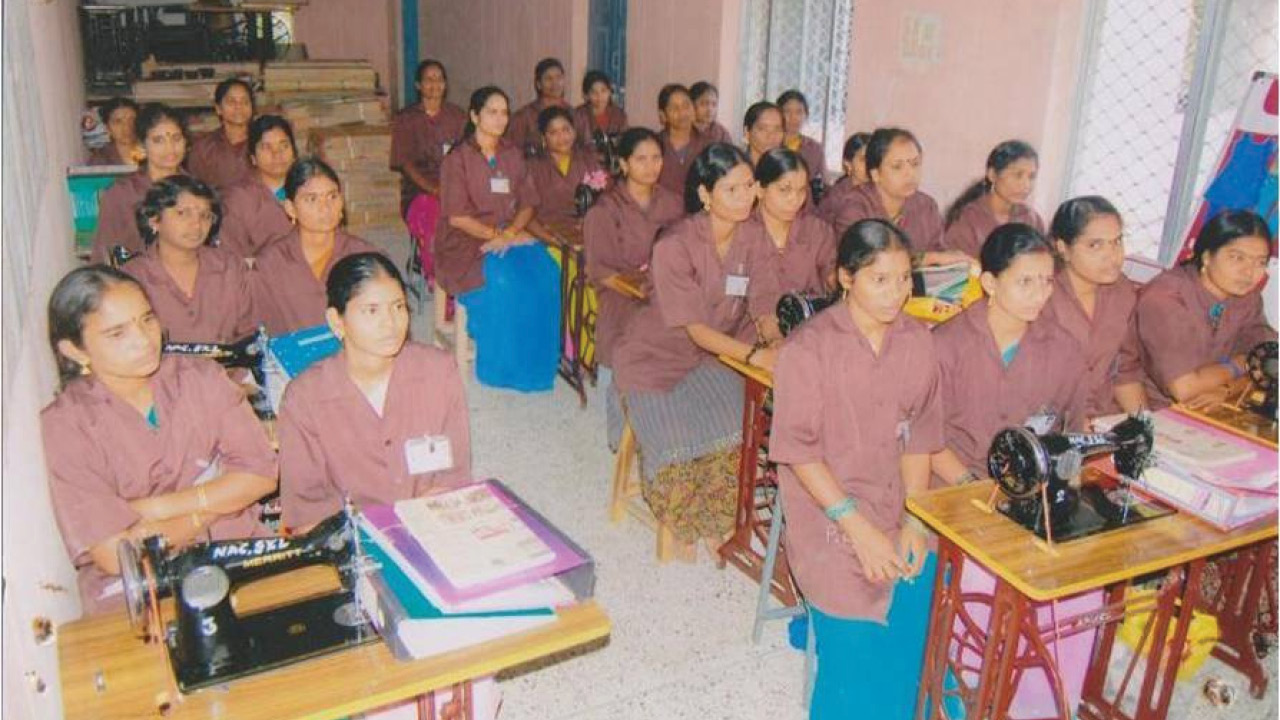
Strengthening the Last Mile Delivery of Welfare Schemes in the Nature of Direct Beneficiary Transfer (DBT)
The project titled “Strengthening the last mile delivery of welfare schemes in the nature of Direct Beneficiary Transfer (DBT)” was undertaken by the Andhra Pradesh Scheduled Tribes Cooperative Finance Corporation Ltd. (TRICOR).
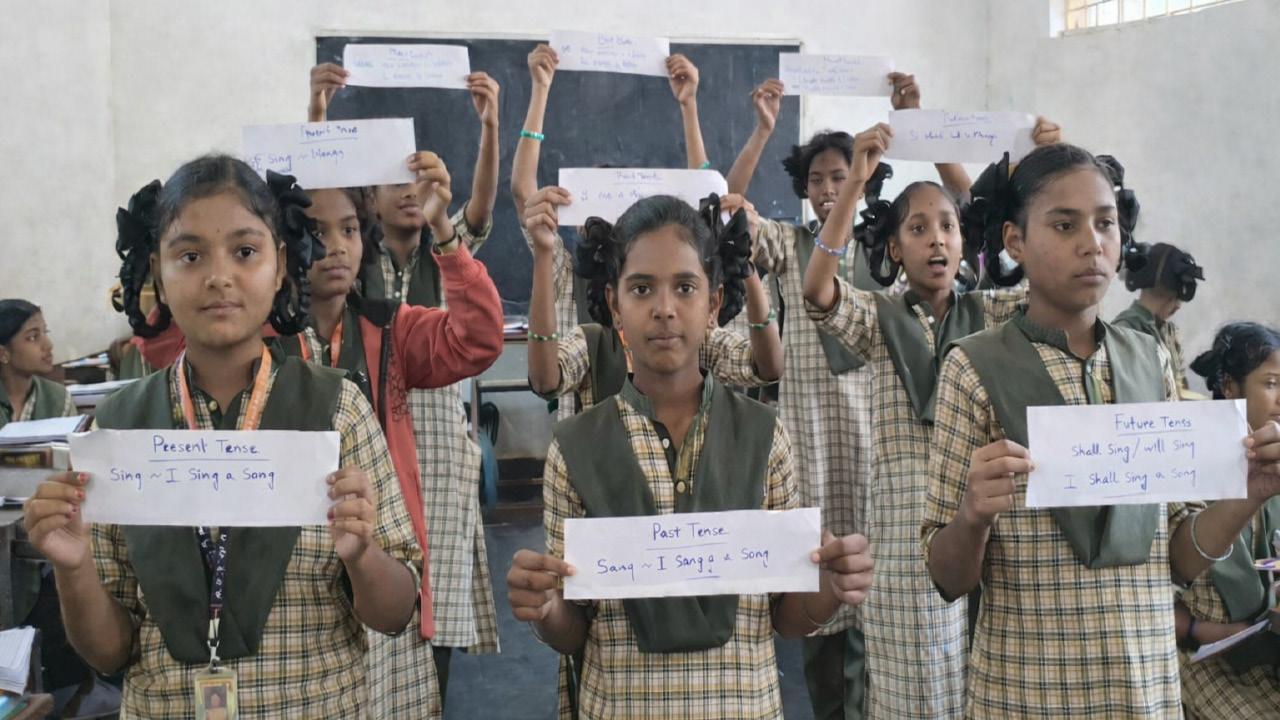
State Academic Monitoring Unit
SAMU, set up on 23 September 2024 by APTWREIS, aims to improve academic governance and learning outcomes in Andhra Pradesh’s tribal residential institutions. These schools serve Scheduled Tribe students from remote areas with linguistic, cultural and economic challenges.
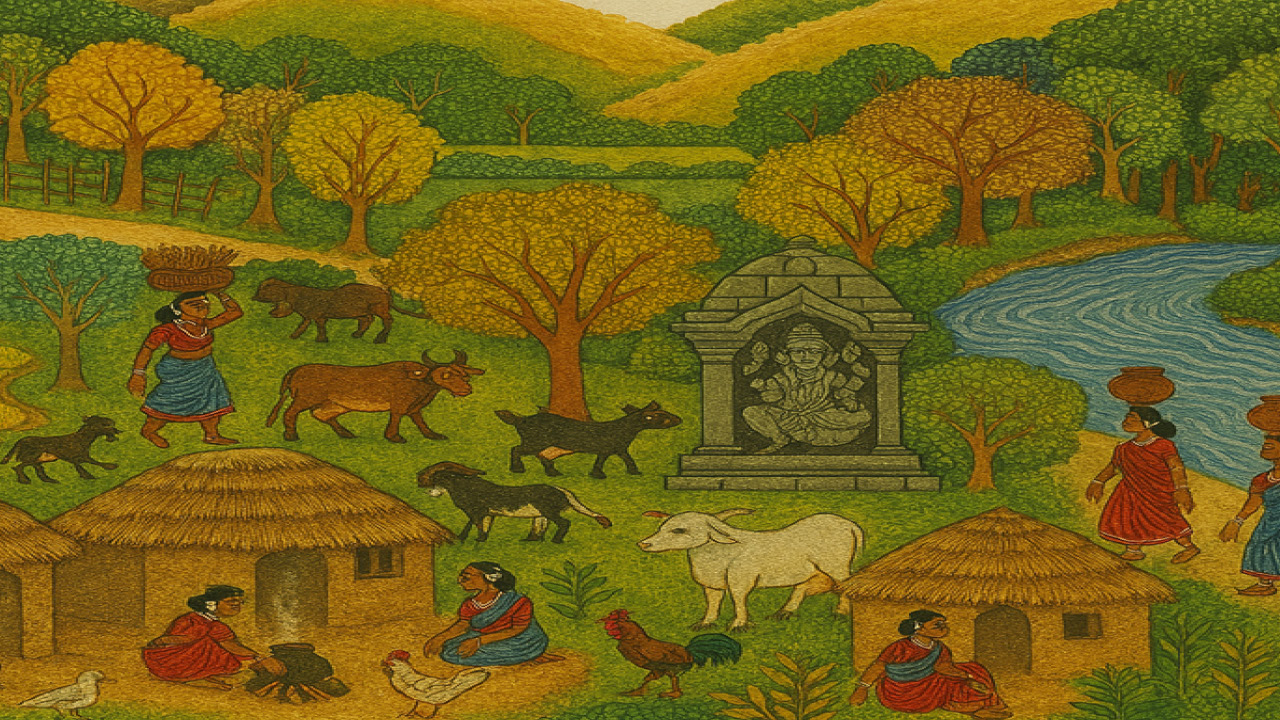
Recognition of Rights of the ST Forest-Dwelling Communities on the Dependent Forest Lands
The project titled “Recognition of rights of the ST forest-dwelling communities on the dependent forest lands” is a transformative governance intervention undertaken by the Tribal Welfare Department, Government of Andhra Pradesh.
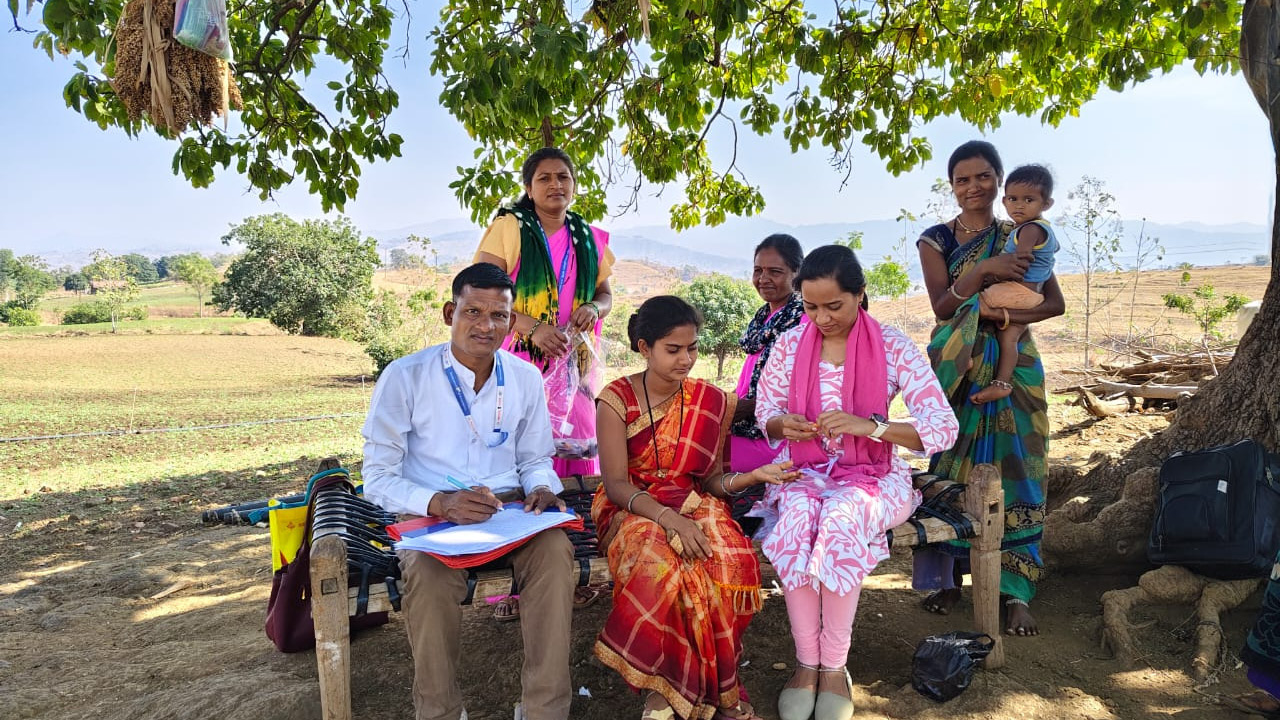
Mission for Addressing and Managing Sickle Cell Disease in Nandurbar
Nandurbar district faces a disproportionately high burden of Sickle Cell Disease (SCD), particularly among its tribal population. Recognised as one of the ten priority health issues in tribal communities, SCD contributes significantly to childhood morbidity.
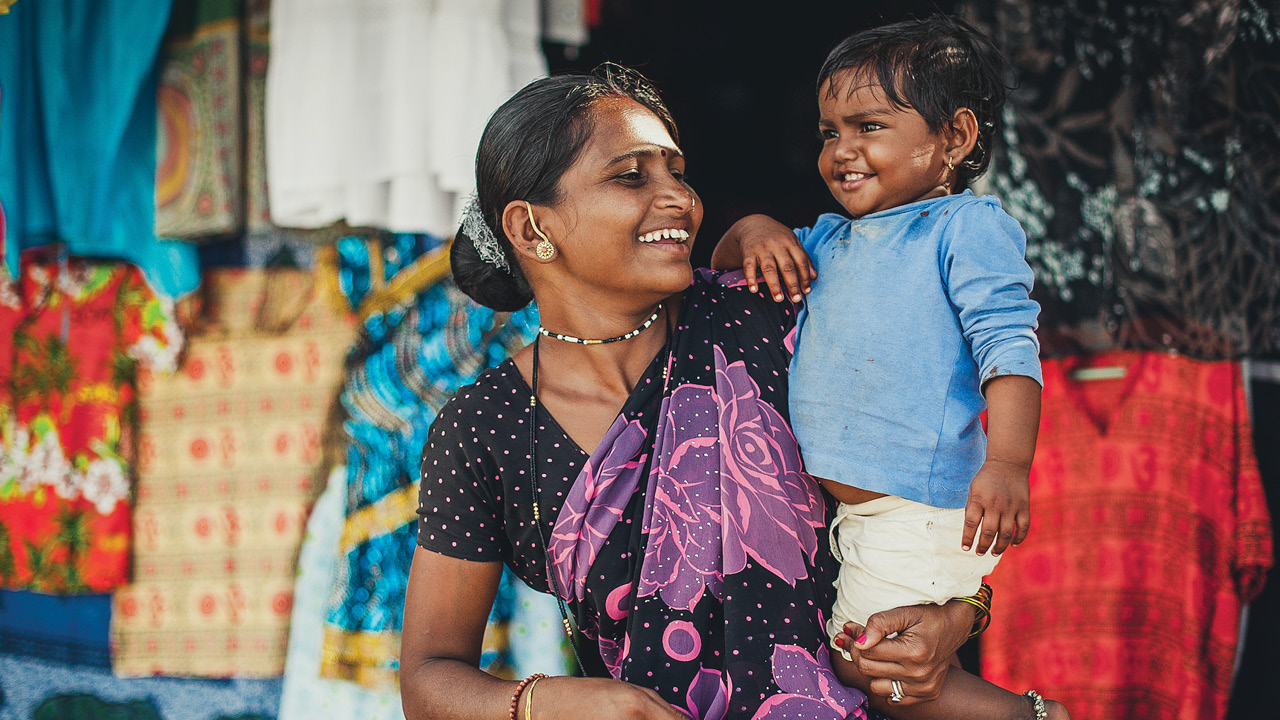
Securing Maternal Health Under Matrutva Yojana
Matrutva Yojana is a pioneering maternal and reproductive health intervention implemented by the Directorate of Tribal Welfare, Government of Goa. Matrutva Yojana is specifically designed for Scheduled Tribe (ST) communities that applies to married couples.
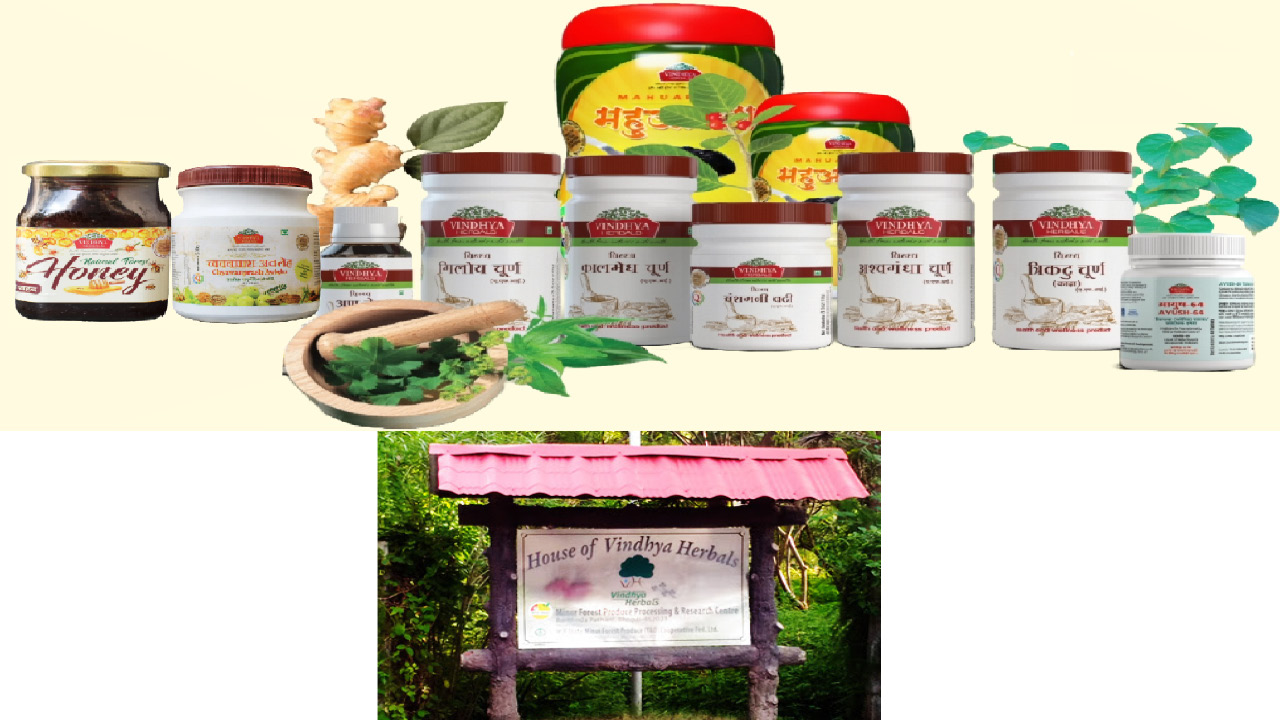
Manufacturing of Ayurvedic Medicines
The Manufacturing of Ayurvedic Medicines initiative is led by the Minor Forest Produce Processing and Research Centre (MFP-PARC), Bhopal, under the Madhya Pradesh Forest Department. It is a pioneering model of sustainable, forest-based industrial development.
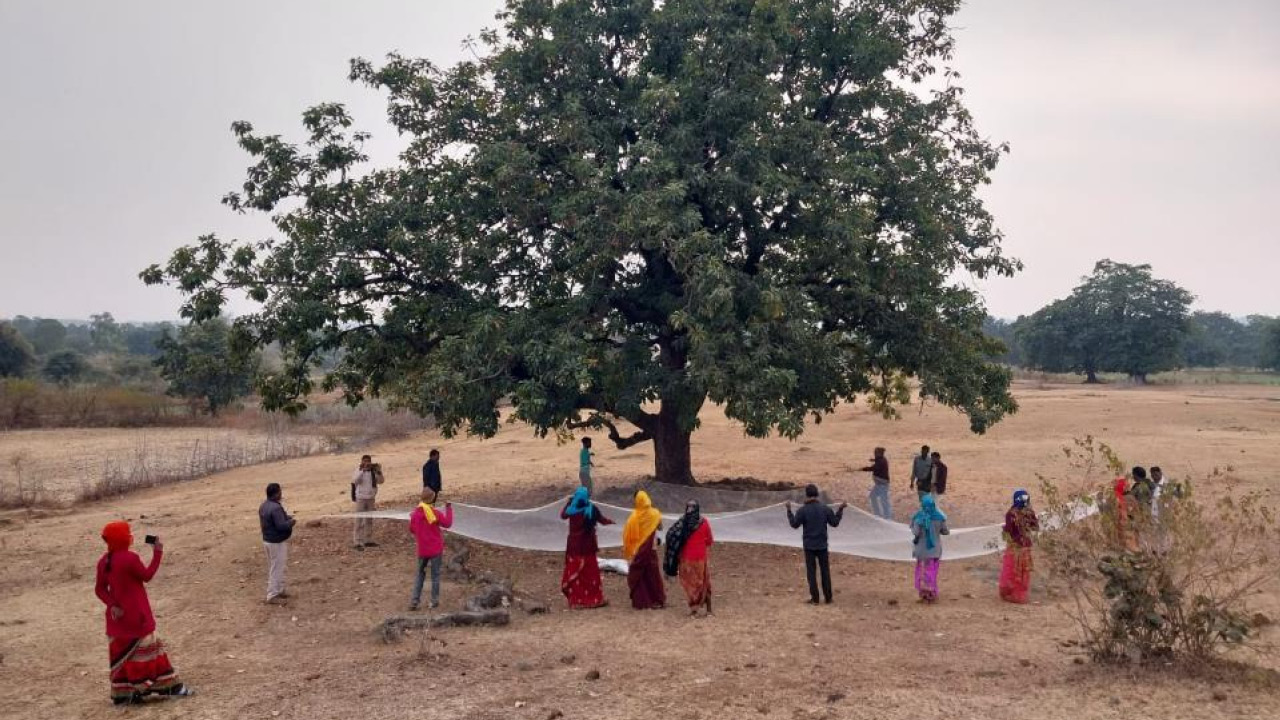
Madhya Pradesh State Minor Forest Produce (Trading & Development)
The Madhya Pradesh State Minor Forest Produce (Trading & Development) Co-operative Federation Limited (MPMFP Federation), established in 1984 under the Madhya Pradesh Cooperative Act, 1960, serves as the apex institution for the trade and development of Non-Timber Forest Produce in the state.
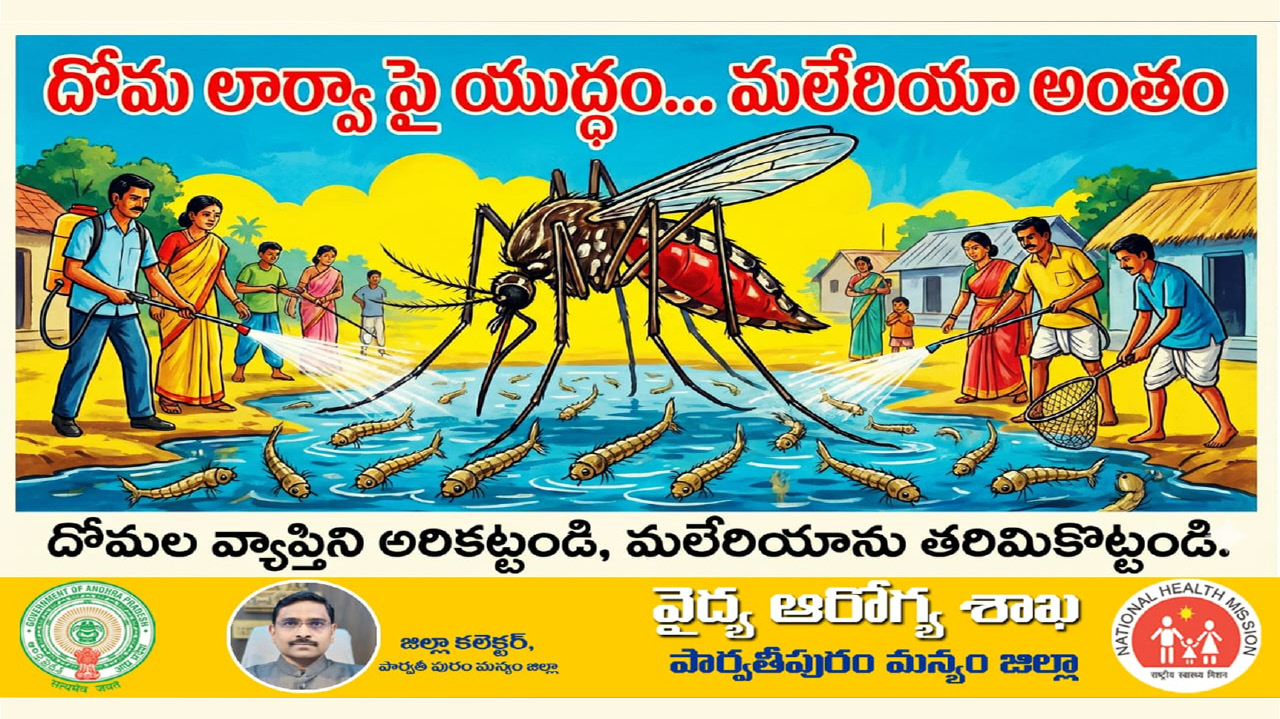
Ma Vooriki Malaria Vacchindi under NCVBDC Programme
Parvathipuram Manyam District has been consistently malaria-endemic due to its distinctive ecology, climate, forested landscape and economic challenges among tribal groups. Surveillance data showed a high burden: 2,653 confirmed malaria cases in 2024 and 1,745 reported by 25 October 2025.
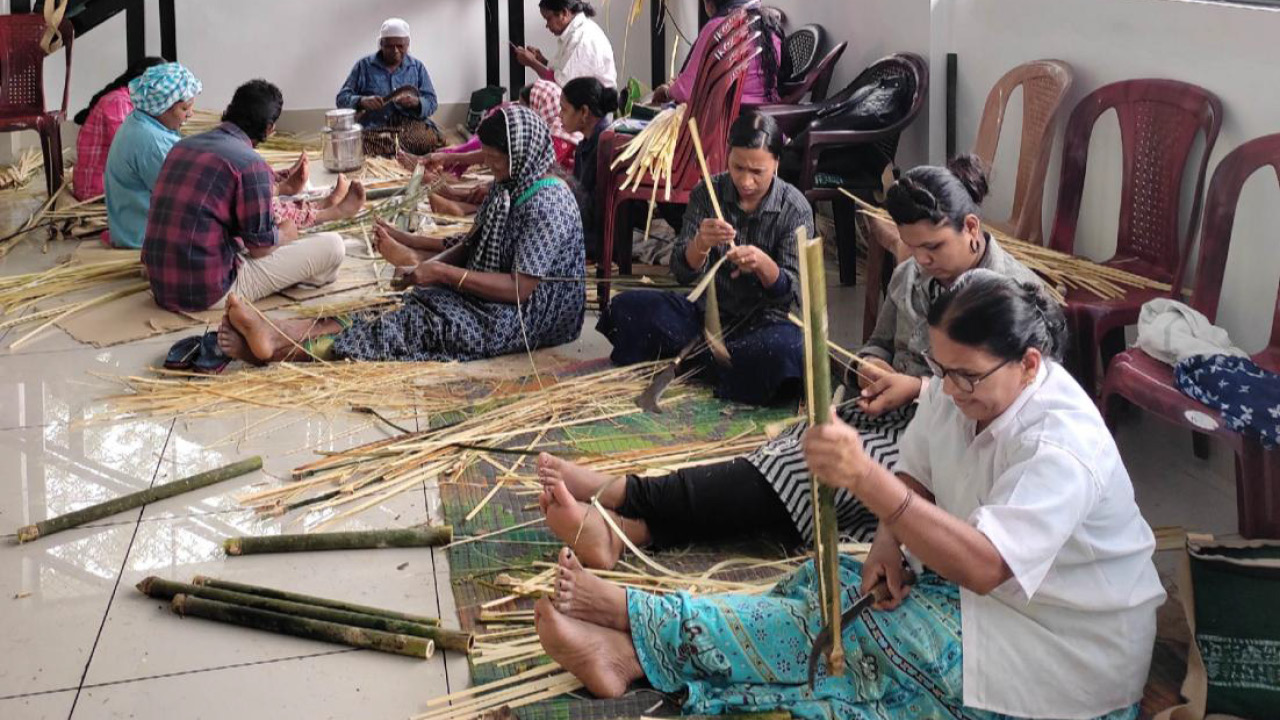
Kannadippaya Special Bamboo Weaved Mat Product: Scientific, Technical and Marketing Interventions for Tribal Empowerment
Kannadippaya is a traditional bamboo mat weaving craft endemic to the tribal communities of Idukki district. The name derives from the mat’s mirror-like sheen (“Kannadi” meaning mirror), achieved through hand-weaving process.
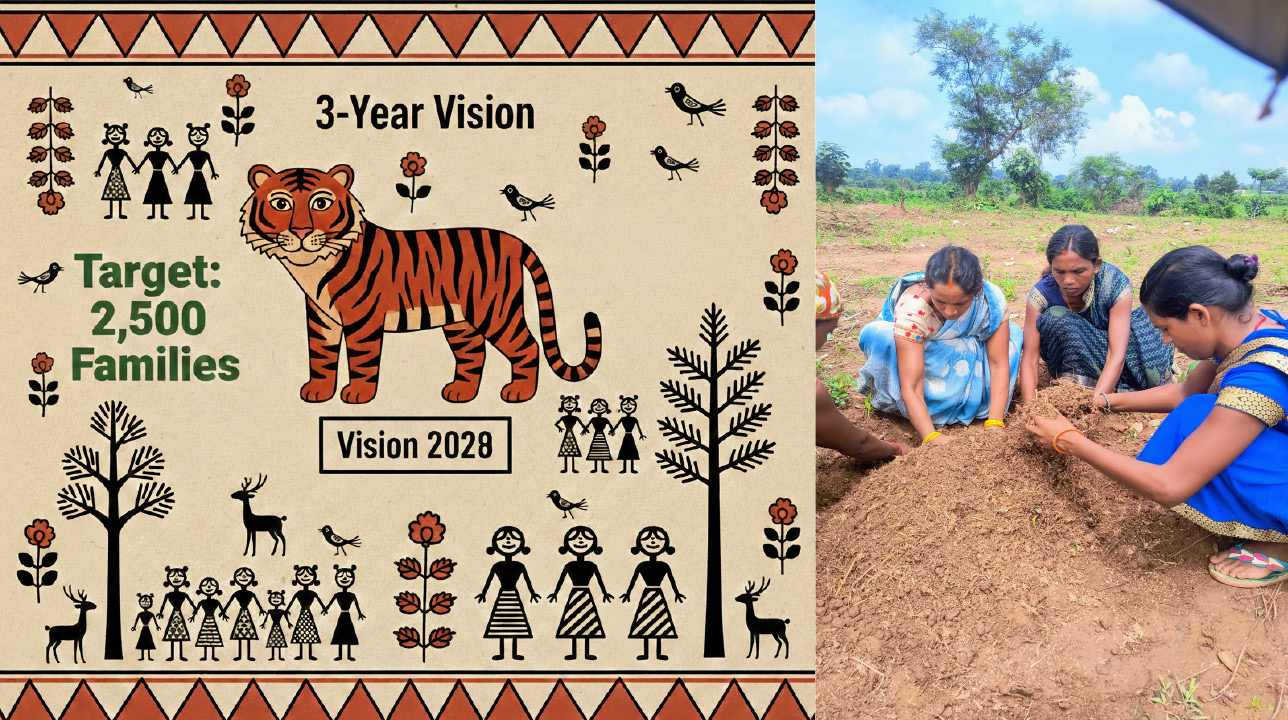
“Hunar Se Rojgar”; Empowering Women and Tribal Youth of Jharkhand Through Sustainable Employment Linked Skilling
Palamau Tiger Reserve (PTR) is one of India’s earliest tiger reserves, it covers 1,144 sq. km in Jharkhand. The reserve harbours rich biodiversity and supports approximately 1.36 lakh people across 199 villages, many of whom are from Scheduled Tribe communities.

Role of GCC for the Development of Entrepreneurship Skills and Livelihood Activities
The project on Entrepreneurship Skills and Livelihood Activities began on 1-04-2018 and has grown exponentially. It is a state-level Public Sector Undertaking under the Tribal Welfare Department. The core objective is to end exploitation in MFP markets and raise tribal incomes through MSP-aligned procurement.

From Grassroots to the Parade Ground: Empowering Tribal Youth through Telangana’s Sainik School Model
Established under the aegis of the Telangana Tribal Welfare Residential Educational Institutions Society (TTWREIS), the school was created to train tribal students from the state to become officers in the Indian Armed Forces.
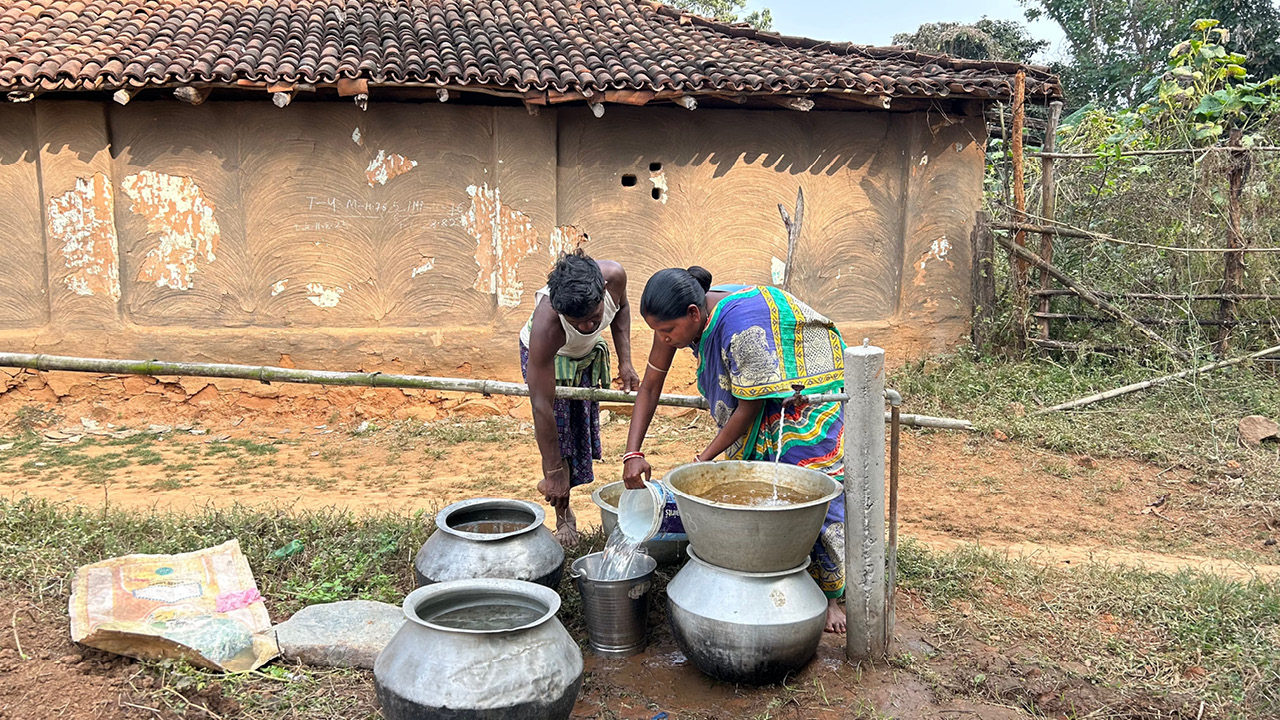
Quenching Thirst: Drink-from-the-Tap Project: OMBADC, Odisha
Odisha has made a remarkable leap in its journey toward universal access to safe drinking water through the Drink-from-the-Tap Mission. This transformative initiative aims to provide 24×7, safe, piped water directly to households, ensuring that citizens can drink water straight from their taps without additional filtration or boiling.
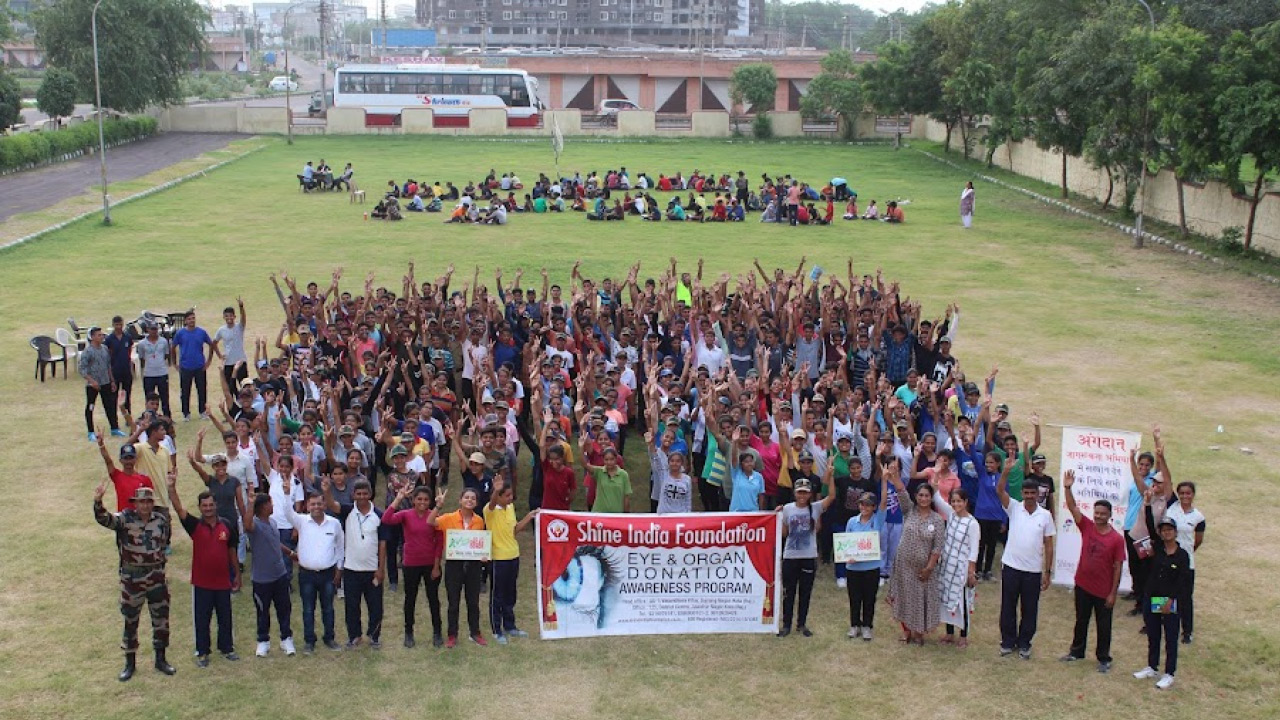
Gifting Sight to the Tribes of Kota, Shine India Foundation, Kota, Rajasthan
Shine India Foundation is tirelessly addressing the pervasive issue of blindness within a 200-kilometer radius. With dedicated efforts, it has successfully transformed the lives of 17,000 individuals, granting them the gift of sight. It is bridging the gap in healthcare accessibility.
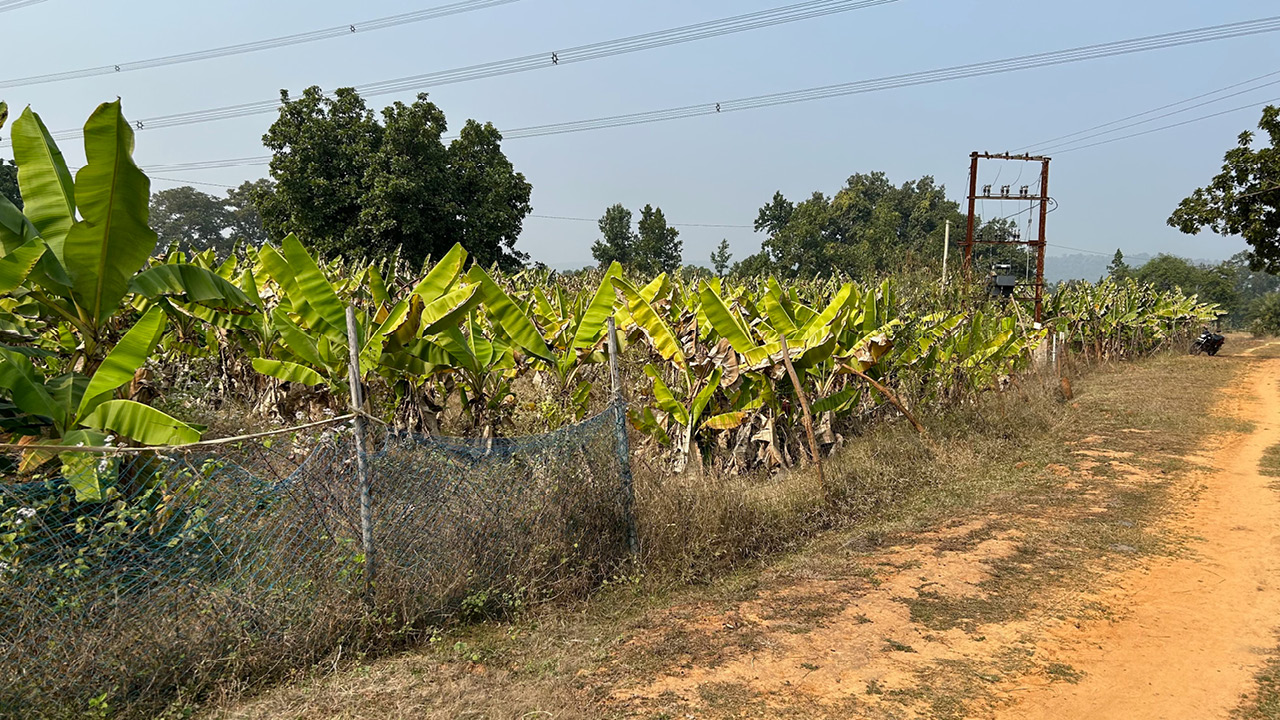
Banana Plantation Flourishes: A Livelihood Revolution in Sundargarh, Odisha
The OMBADC initiative turned this narrative around by introducing banana cultivation as a sustainable and income-generating activity. Through targeted training, capacity building, and market linkage support, the project has empowered local farmers and reduced their dependency on mining.

Agro-technological Empowerment for Tribal Livelihood Security: A Model from Bihar
This initiative was undertaken in the backward and tribal-dominated districts of Banka, Kishanganj, and Katihar with the objective of transforming vulnerable tribal livelihoods into resilient, diversified and nutritionally secure systems. The strategy combined traditional farming practices with innovations.
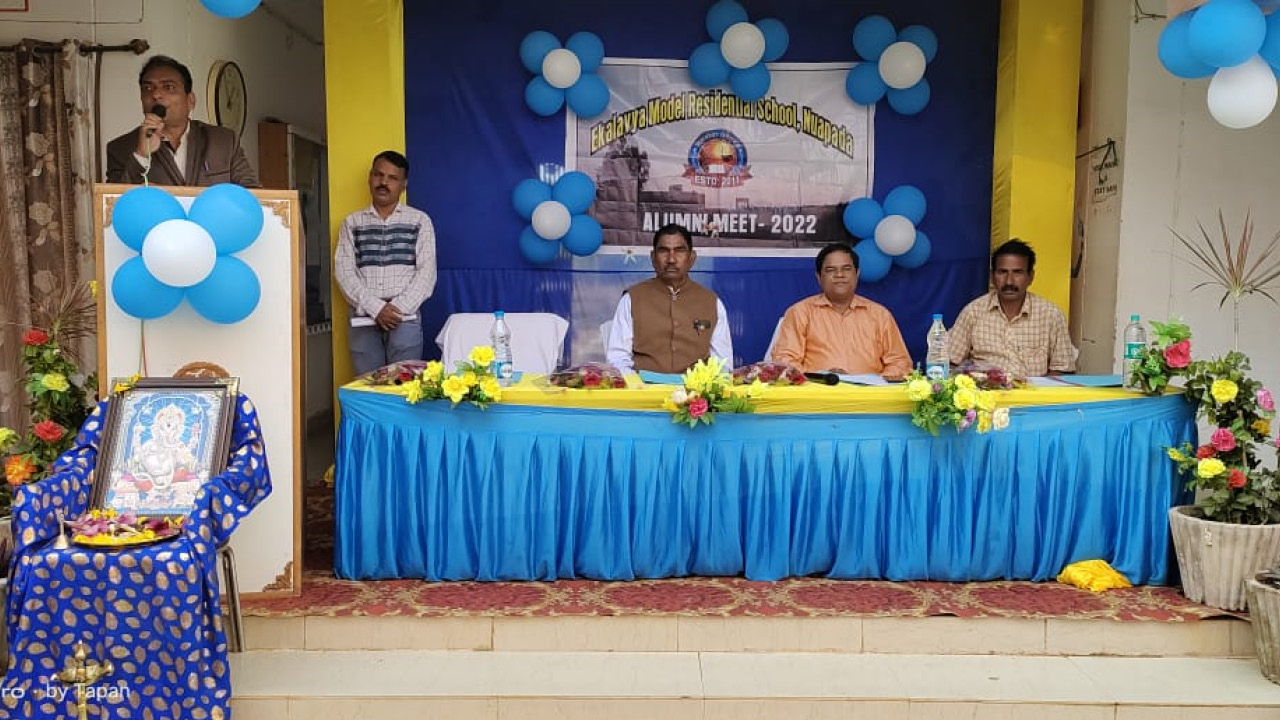
Empowerment through Education, Eklavya Model Residential School, Naupada, Odisha
The students are imparted lessons through (K Yantra) smart class room. Emphasis was given to physical, mental and social development of students enrolled in the EMRS. Students and the faculty were involved in a number of construction and development activities of the school for them to own it up.
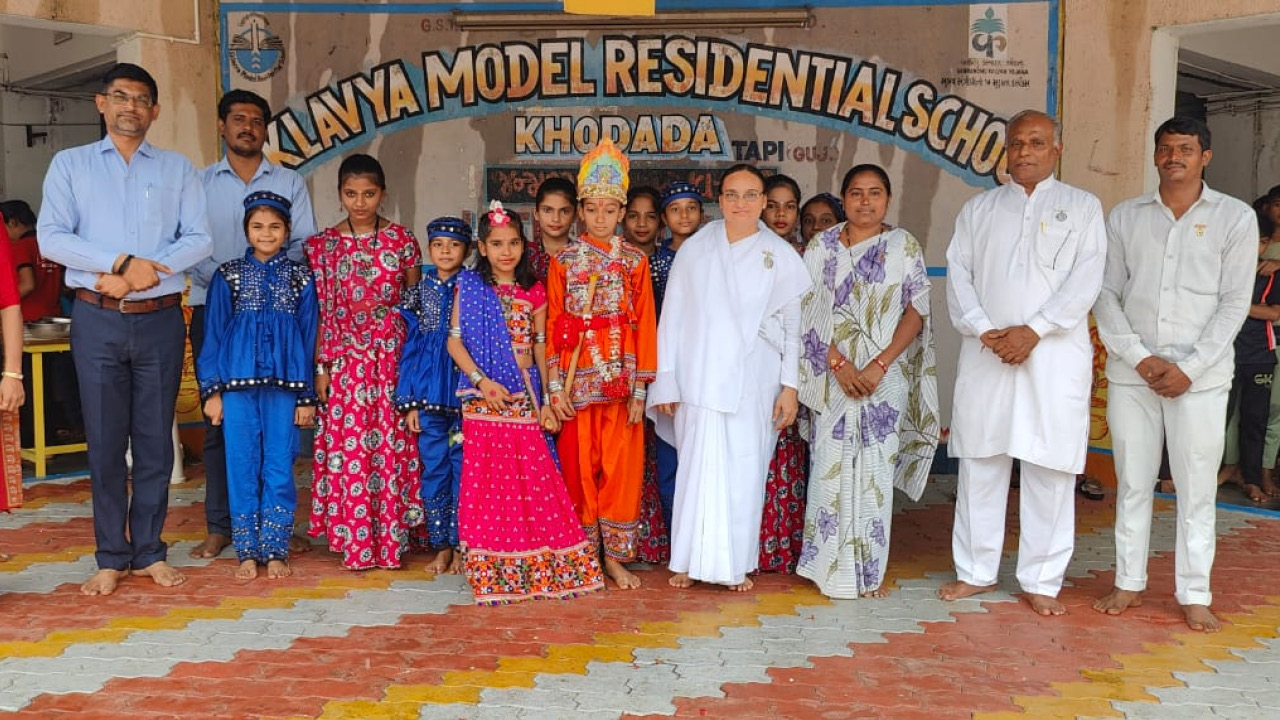
Academic and Holistic Development, Eklavya Model Residential School, Khodada, Tapi, Gujarat
Established under the auspices of the Ministry of Tribal Affairs and Gujarat State Tribal Education Society, EMRS in Khodada, Tapi, Gujarat, follows the pattern of Jawahar Navodaya Vidyalaya. The school’s mission is to bridge the educational gap for STs and PVTGs in tribal-dominated areas.
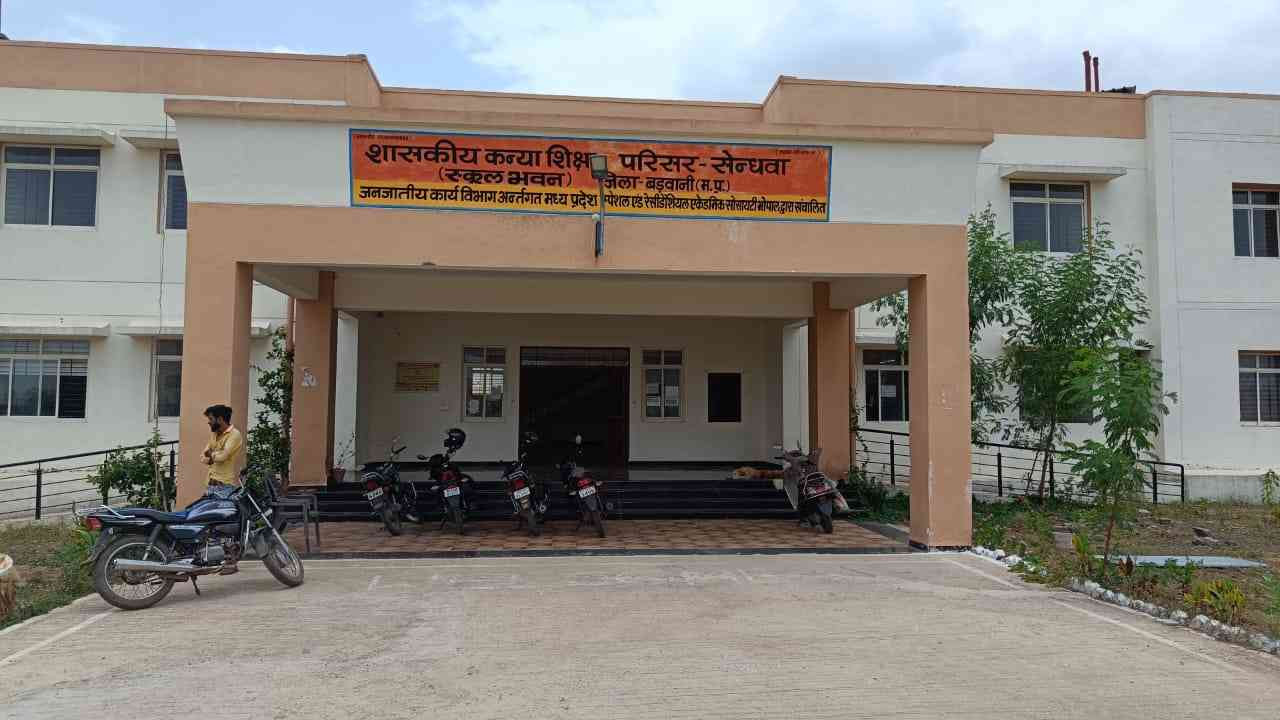
Out-of-the-Box Thinking, Eklavya Model Residential School, Purushkheda Niwali, Barwani, Madhya Pradesh
Students lacked interest in their studies and teachers were disinterested in teaching. Located in the remote interiors of Niwali, the school served students from tribal families who were initially hesitant to enroll their children.

Enhancing Sports Opportunities for Tribal Students in Telangana
This highlights a pioneering initiative by the Tribal Welfare Department of Telangana to empower tribal youth through structured sports education. Implemented through the state’s network of EMRS and tribal welfare residential institutions, the project recognizes sports as a transformative tool for holistic development.
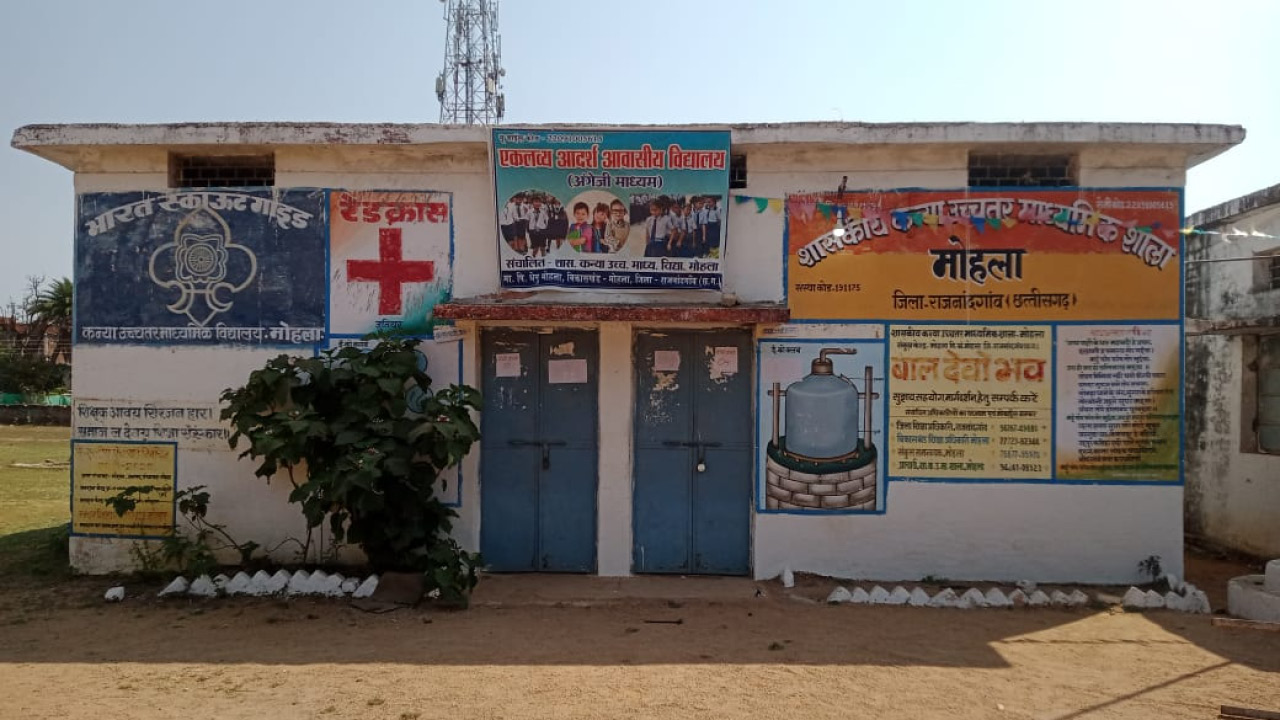
Nurturing Excellence, Eklavya Model Residential School, Mohla Manpur, Chhattisgarh
EMRS in Mohla Manpur, Chhattisgarh, stands as a beacon of educational excellence for tribal students. Beyond sports, EMRS Manpur has a strong presence in national-level scout and guide programs.
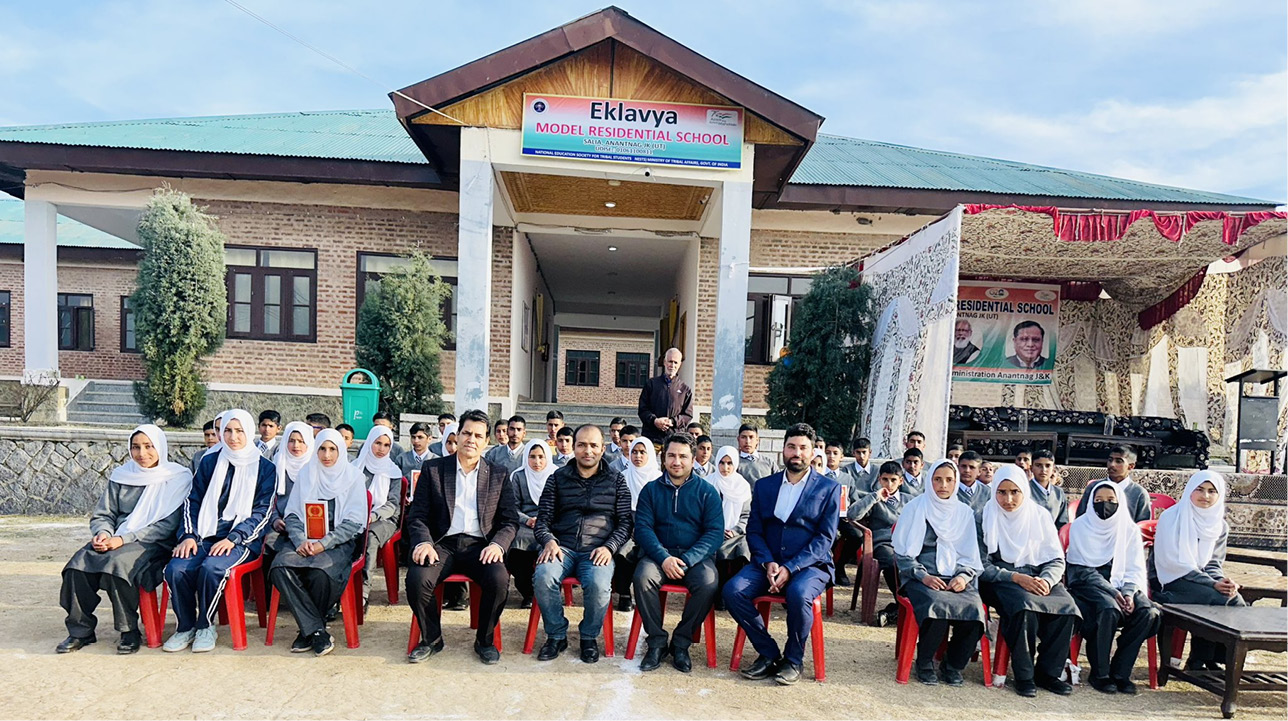
Bridging Learning Gaps at Eklavya Model Residential School, Salia, Anantnag, Jammu & Kashmir
Out of 103 students at EMRS Salia, 99 are from the BPL Scheduled Tribe (ST) communities. The curriculum aligns with the National Education Policy (NEP) 2020, leading to the school achieving a remarkable 100% result in 2022.
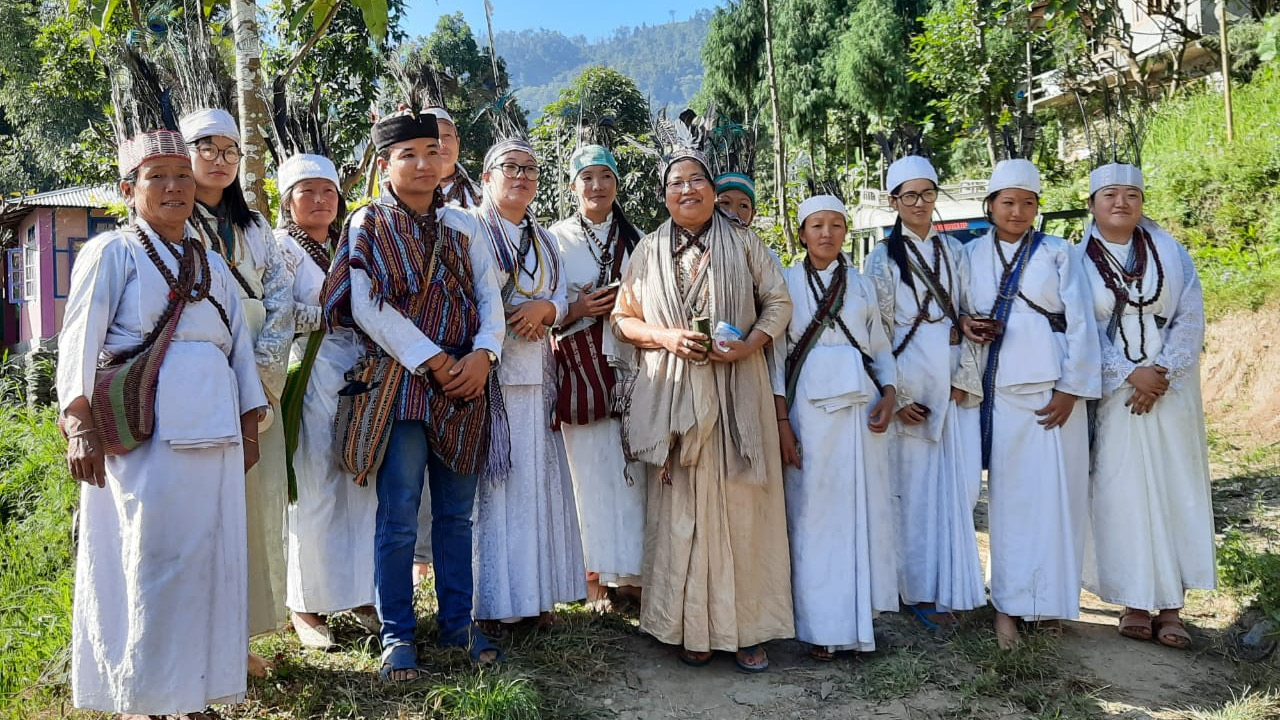
Preserving Bamboo and Cane Crafts: Indigenous Traditional Knowledge Custodian, Lepcha Bongthing, Gangtok
The initiative blends ancestral craftsmanship with modern strategies to protect, innovate and market tribal arts that are at risk of extinction. It empowers artisans and creates livelihoods.
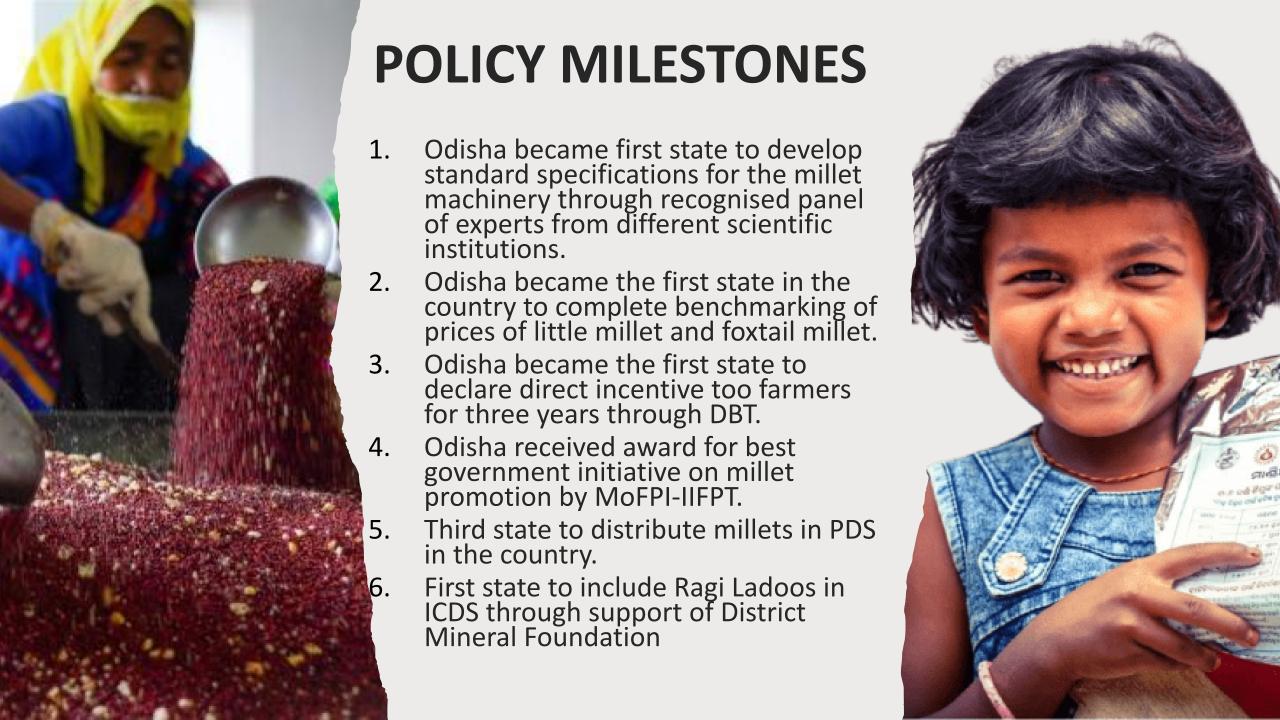
Reviving Millets, Reviving Traditions: Odisha Millets Mission’s Tribal Transformation
The mission represents a convergence-driven, participatory effort by government, civil society and academia.
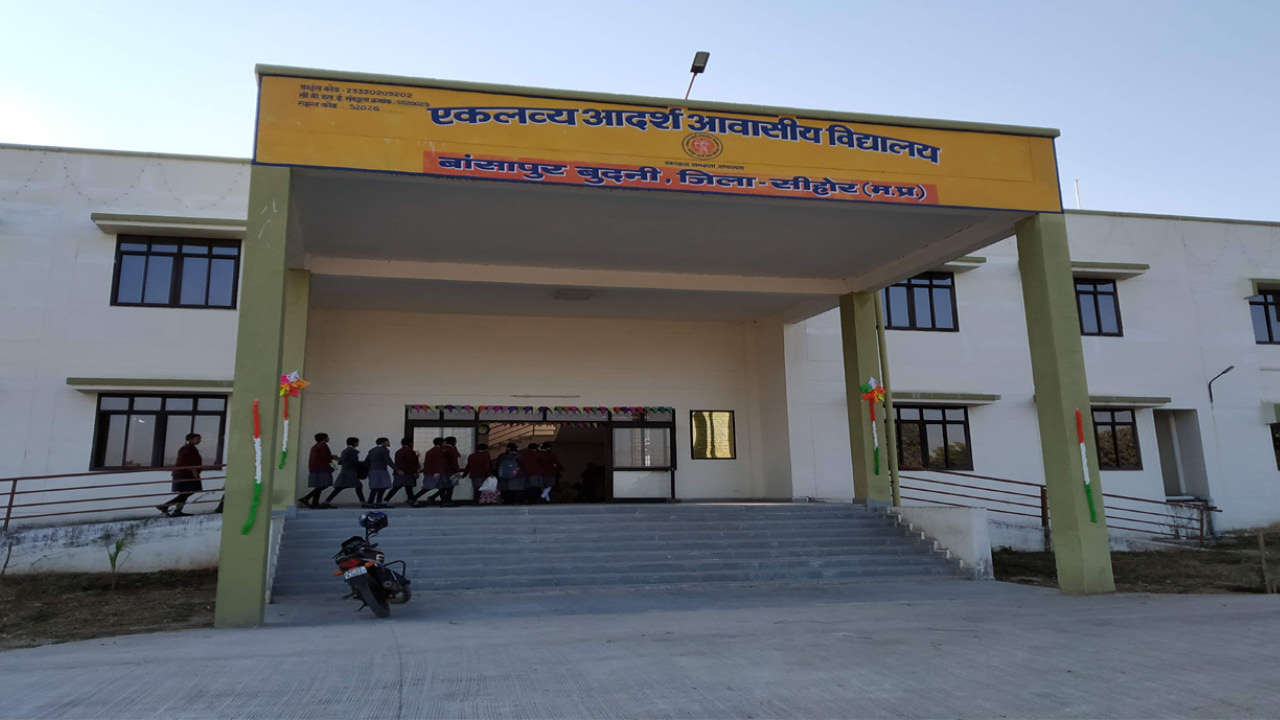
Creating Learning Environment, Eklavya Model Residential School, Sehore, Madhya Pradesh
EMRS, Budni, has successfully addressed a myriad of challenges since its establishment in 2015, i.e., dropouts, attendentans and overall results.
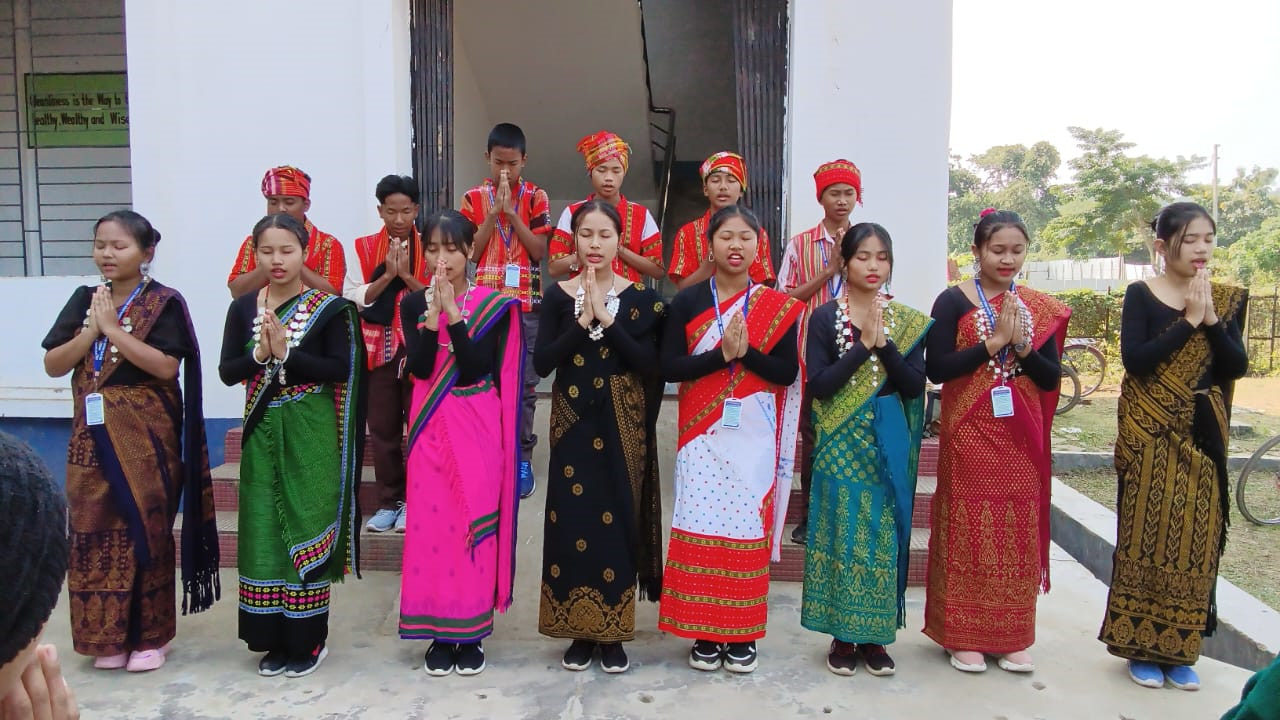
Helping to Prevent Child Marriage, Eklavya Model Residential School, Killa, Udaipur, Gomati, Tripura
Dr Nukphangti Jamatia, PhD and Masters in Hindi and has been with EMRS since 2016 and joined as its Principal-in-Charge in June 2019.
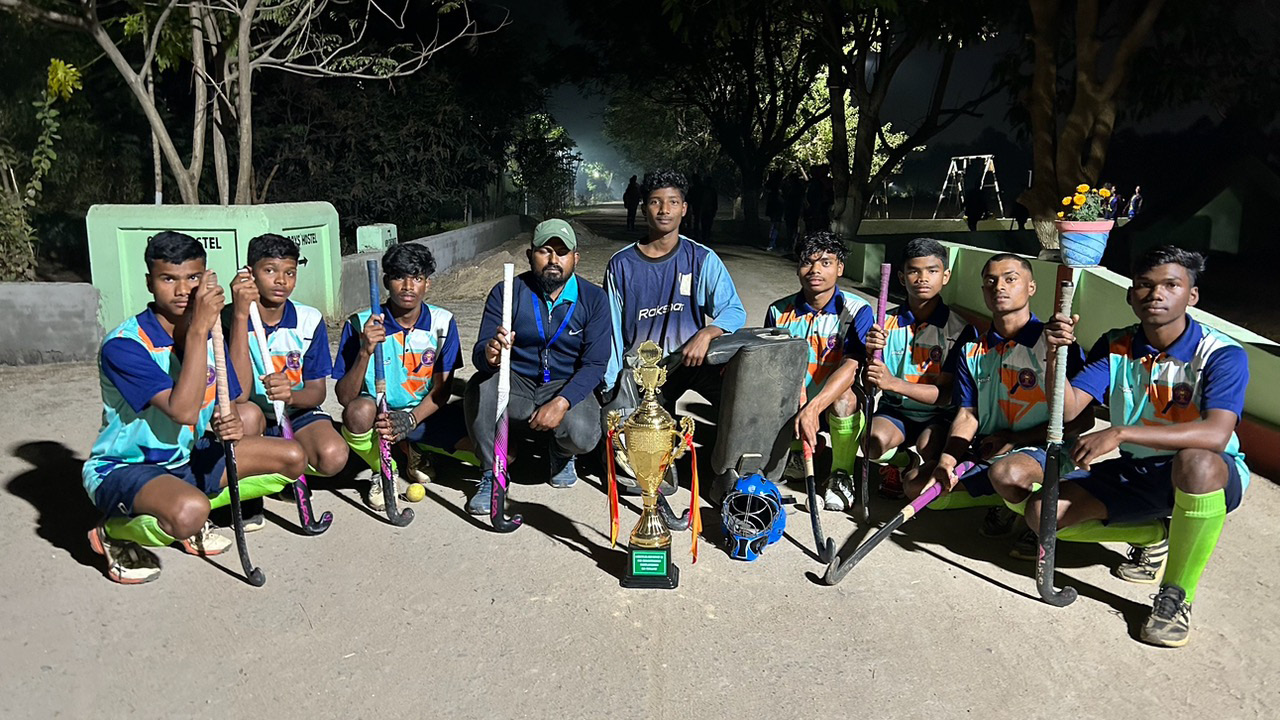
Nurturing Talent: Eklavya Model Residential School, Bhawanipur, Sundargarh, Odisha
Designed as a fully residential, English-medium institution managed by the ST & SC Development Department of Odisha under central funding, the school addresses educational deficits in tribal districts while fostering ambition, self-confidence, and exposure to modern learning.
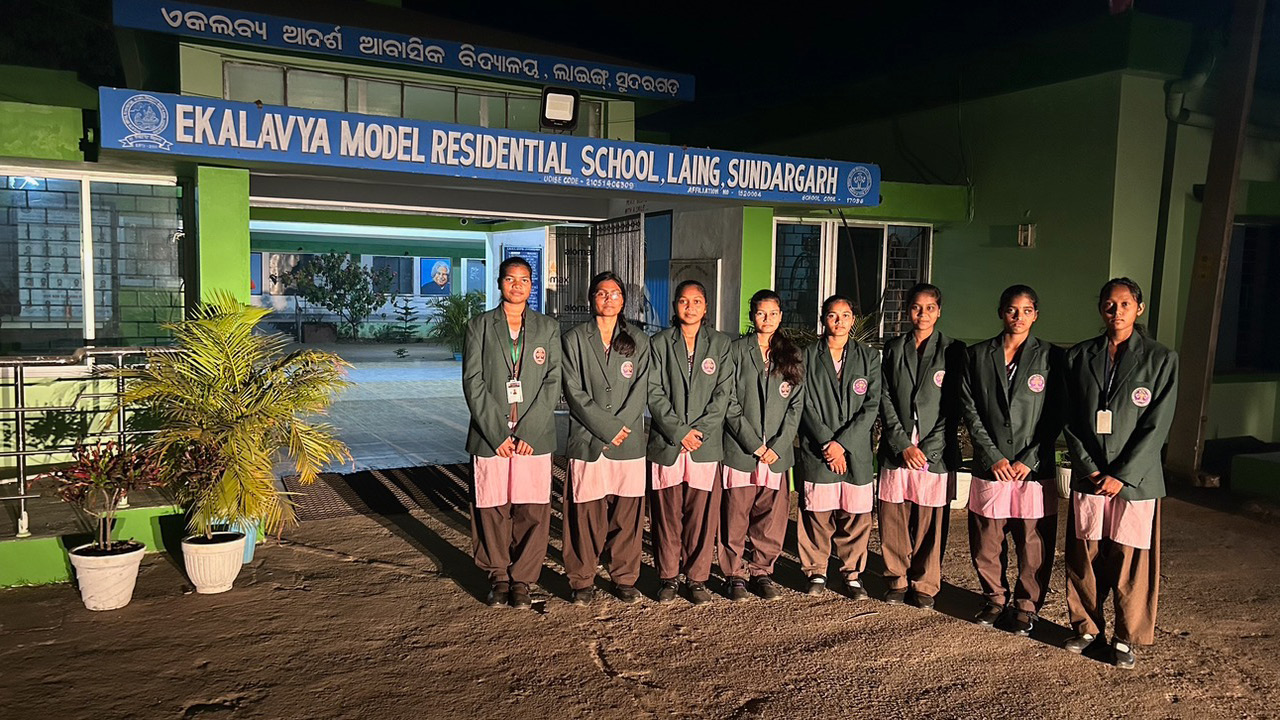
Inflaming Ambitions, Eklavya Model Residential School, Liang, Sundergarh, Odisha
EMRS are designed to bring tribal students into mainstream, high-quality academic environment while preserving their cultural identity. It stands as a testament to this vision, offering tribal students’ holistic education and exposure that help fuel their ambitions.

Digitizing Justice: Telangana’s Online RoFR Titles Granting System Empowers Forest-Dwelling Communities
Recognizing the critical need to bridge these gaps, the government introduced the Online RoFR Titles Granting System (ORTGS) in November 2021. This system digitized the claim and approval processes.

Fostering Resilience through Cluster-based Tribal Livelihoods: The Mission Jeevika Model
The mission was developed and implemented by the ST & SC Development, Minorities & Backward Classes Welfare Department through the Odisha Tribal Development Society (OTDS). It leverages state and central government schemes to enhance production, create infrastructure and ensure access to markets.
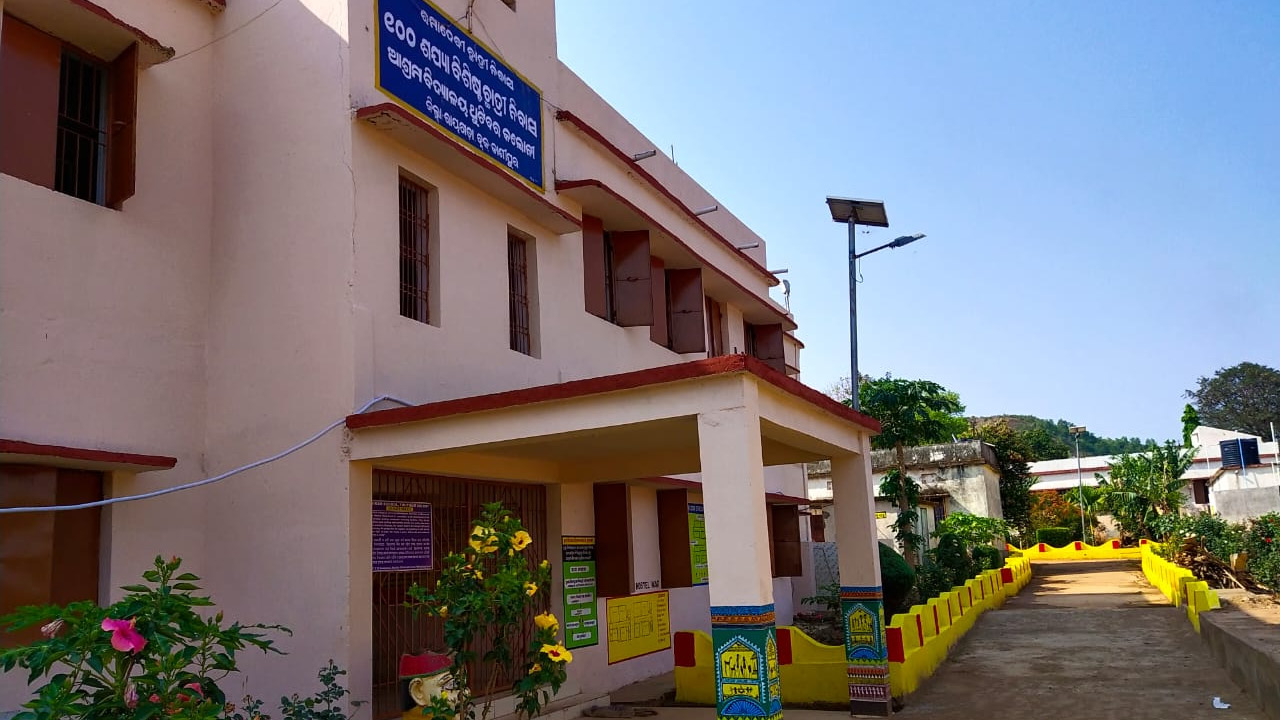
Standardisation and ISO Certification of Tribal Hostels through Mission Suvidya
These hostels serve a crucial role in ensuring the continuity of education among disadvantaged communities. However, disparities in infrastructure, management standards, and basic services necessitated systemic reforms. Mission Suvidya emerged as an innovative intervention to address these issues.

Mentorship Programme for PVTGs in Odisha
COVID-19 led to disruption of classroom-based learning. The Alternate Learning and Mentorship Programme (ALMP) was conceptualised and launched by the Government of Odisha’s ST & SC Development Department as a timely and inclusive intervention to ensure educational continuity for tribal and backward-class students during the pandemic.
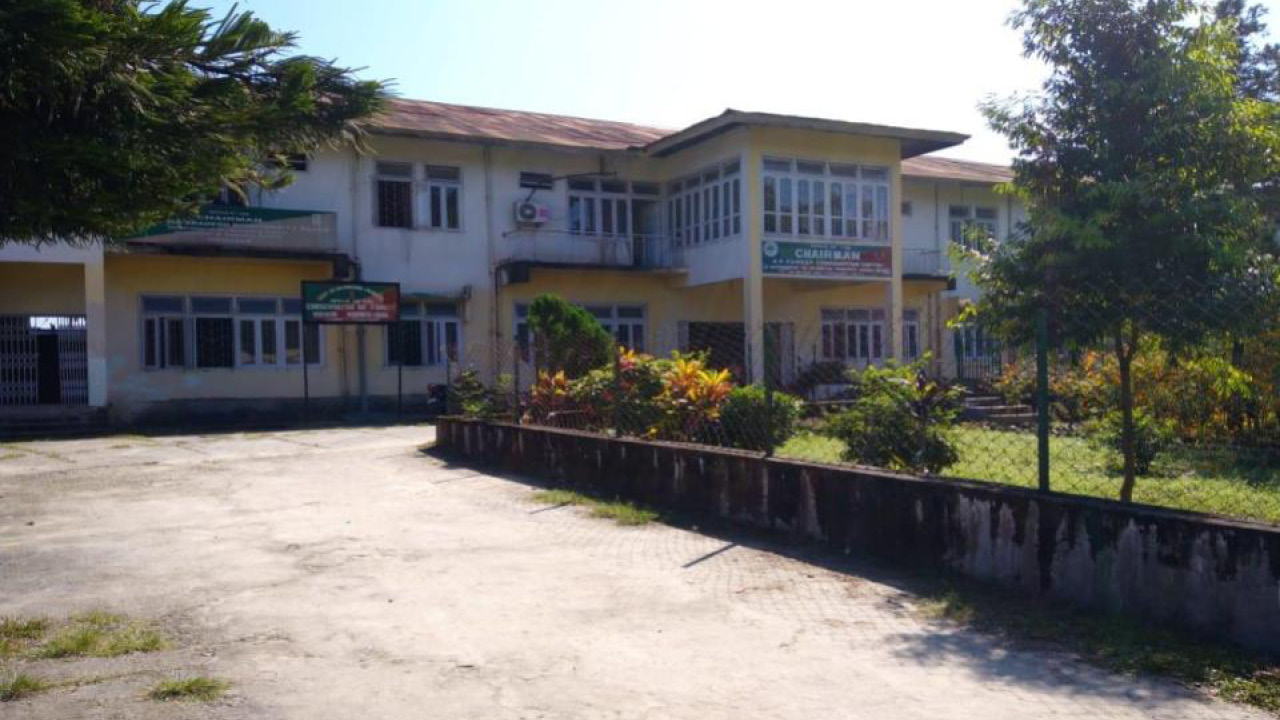
Participatory Plantation for Prosperity: APFCL’s Socio-Economic Model for Tribal Empowerment
The Arunachal Pradesh Forest Corporation Limited (APFCL) was established by the state government in 1977 to promote the socio-economic development of tribal populations while ensuring sustainable forest use. As a government-owned Public Sector Undertaking (PSU), its dual mission includes both commercial and welfare objectives.
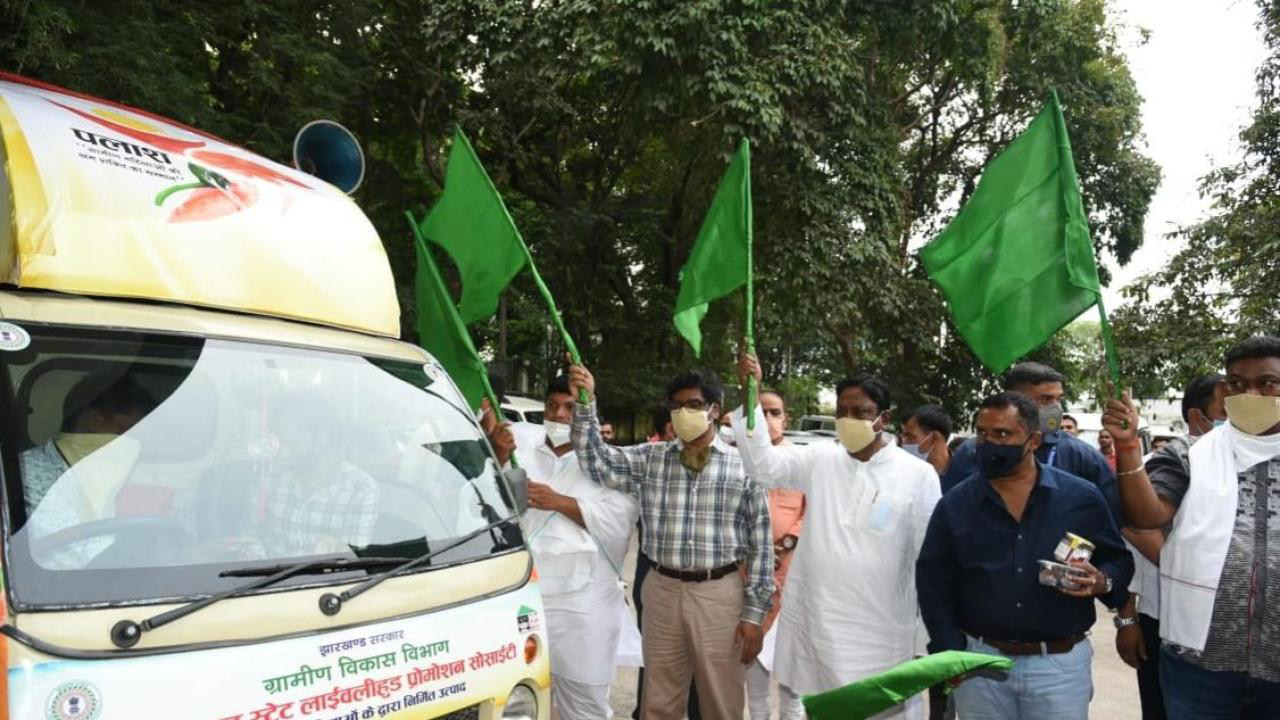
PALASH – Branding and Marketing for Rural & Tribal Women Entrepreneurs and Artisans Products of Jharkhand
PALASH is an initiative by the Department of Rural Development, Government of Jharkhand, through the Jharkhand State Livelihood Promotion Society, to transform the economic landscape for tribal and rural women. It aims to build a sustainable ecosystem around local enterprise by creating a branded market for indigenous and naturally produced goods.

Pradhan Mantri Aadi Adarsh Gram Yojana (PMAAGY): Inclusive Development of Tribal Villages in Nagaland
The Pradhan Mantri Aadi Adarsh Gram Yojana (PMAAGY) is aimed at transforming tribal-majority villages into model villages, termed Adarsh Grams. The project in Nagaland was spearheaded by the Department of Tribal Affairs and focused on uplifting the socio-economic and infrastructural conditions of tribal communities.
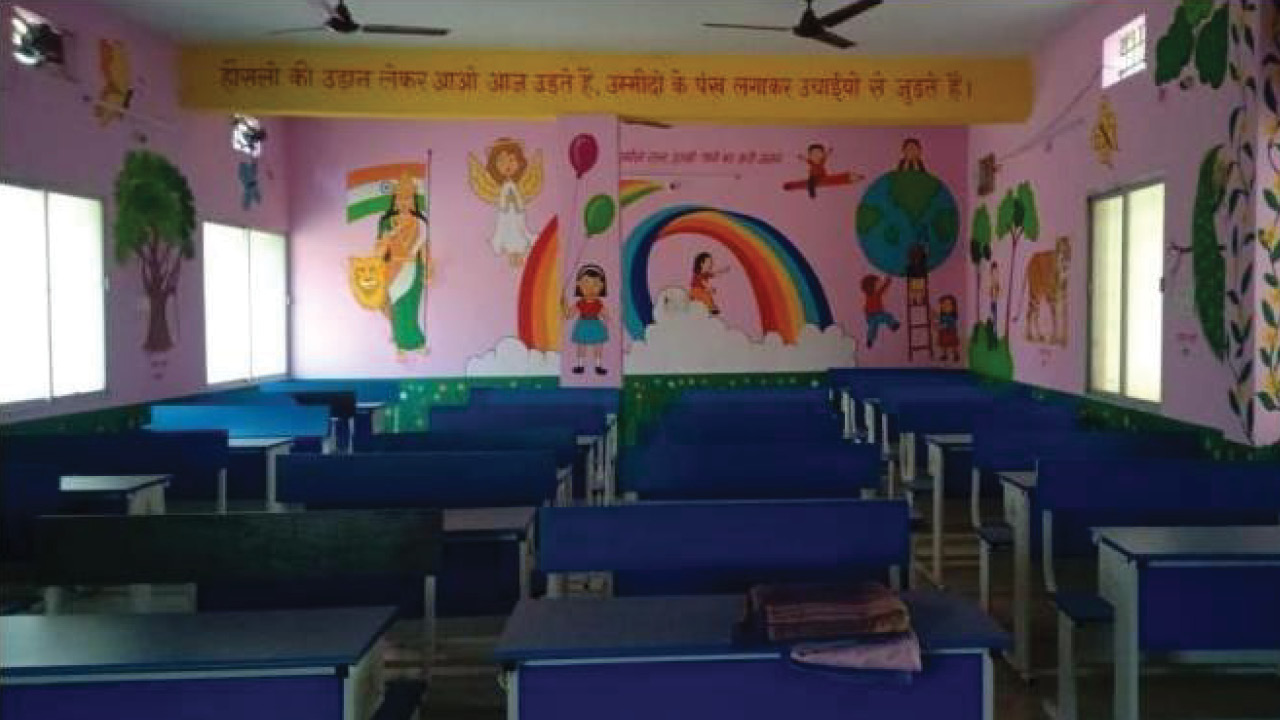
Development of Departmental Hostels/Ashram as Model Institutions
With 3,278 hostels supporting over 1.9 lakh students, the initiative aimed at mainstreaming students into higher education and employment through a holistic residential schooling experience. The project addresses infrastructural inadequacies and promotes quality education among tribal and marginalized communities and to develop departmental hostels and ashrams into Model Institutions.

Digitally Empowering Tribal Farmers: Direct Fertiliser Subsidy Disbursal in Dadra and Nagar Haveli
The Department of Agriculture of Dadra and Nagar Haveli and Daman and Diu initiated a major governance reform in agricultural subsidy disbursal, targeting tribal farmers through the creation of a tech-driven platform to deliver fertiliser subsidies via PFMS DBT Mode. The project aimed to address systemic inefficiencies in the subsidy delivery chain.
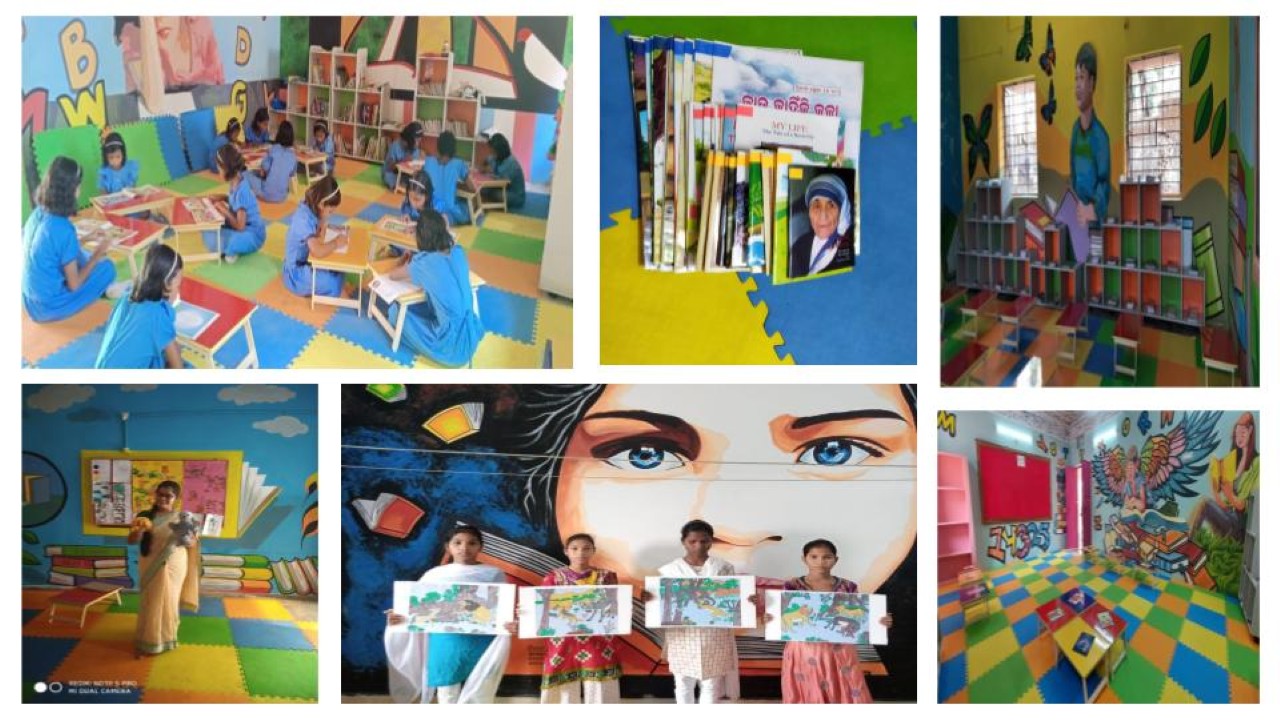
Transforming Learning Through Libraries: Gajapati’s Innovation in Tribal Education
Gajapati district, with its tribal-dominated and geographically isolated population, experienced COVID-19 challenges. To address this, the district administration launched an innovative and inclusive project—Library Promotion Activities in Primary and Upper Primary Schools. This initiative aimed to strengthen the reading, writing, and speaking skills of ST & SC students.

Empowering Tribal Students and Building Community Resilience through Holistic Education at Madarihat Girls’ High School
The initiative is driven by the urgent need to address several social, health and environmental challenges faced by the local tribal and backward communities. The school recognized the importance of empowering girl students and integrating them into broader societal progress through education and health awareness.
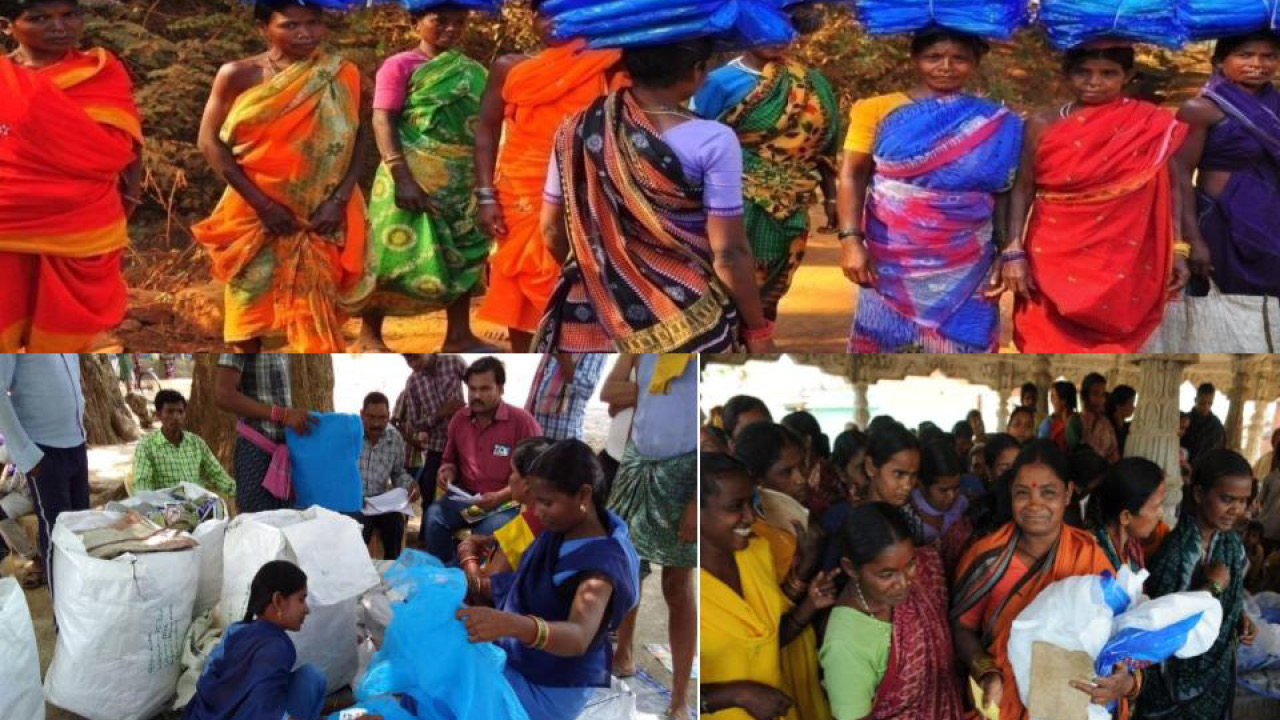
Protecting the Vulnerable: Odisha’s Multi-sectoral LLIN Distribution Initiative in Tribal Regions
The introduction of Long Lasting Insecticidal Nets (LLIN) provided an effective vector control tool. With large-scale LLIN distribution beginning in 2017 and continuing in 2021, the project focused on achieving universal coverage in high-risk areas while embedding the distribution within a multisectoral and community-led governance framework.
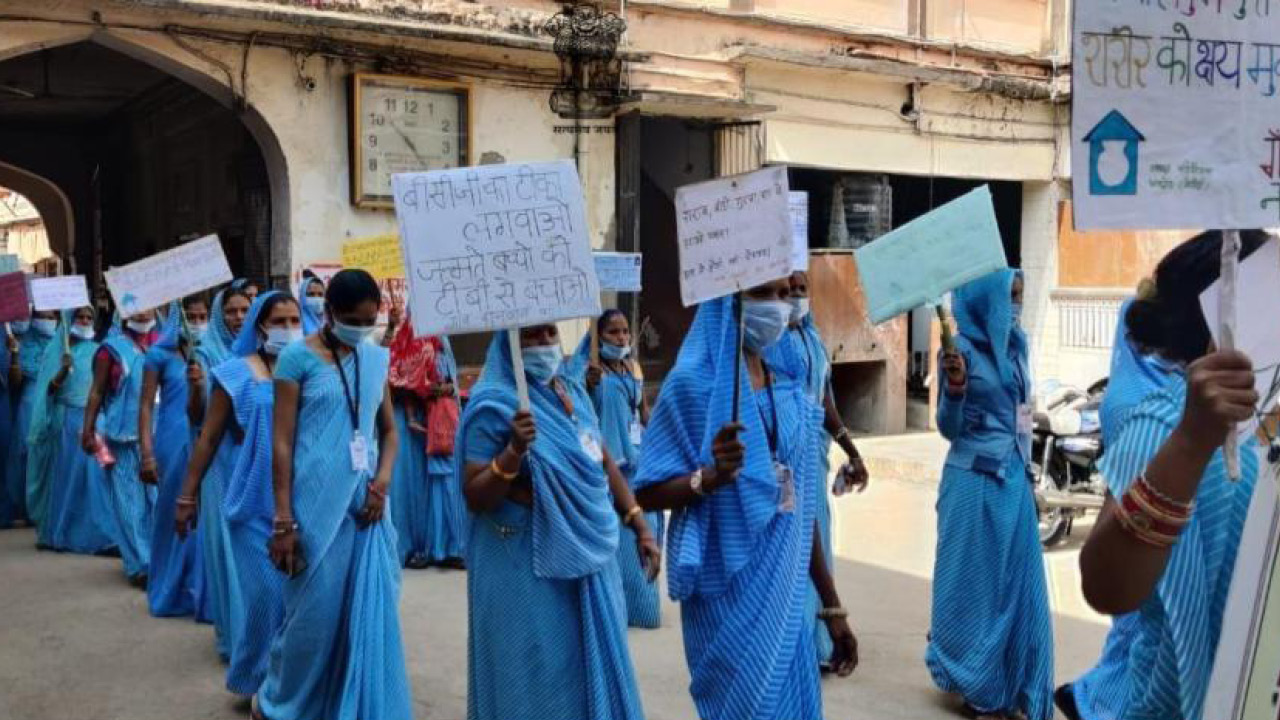
Empowering Communities for TB Control: The Swasthya Karmi Yojana in Rajasthan
By training local tribal women to serve as health workers (Swasthya Karmis), the project seeks to bridge the healthcare gap in areas where formal systems struggle to reach. These Swasthya Karmis have since become key agents in delivering essential healthcare, raising awareness, and fostering trust within tribal communities. This is a women-led health intervention model.
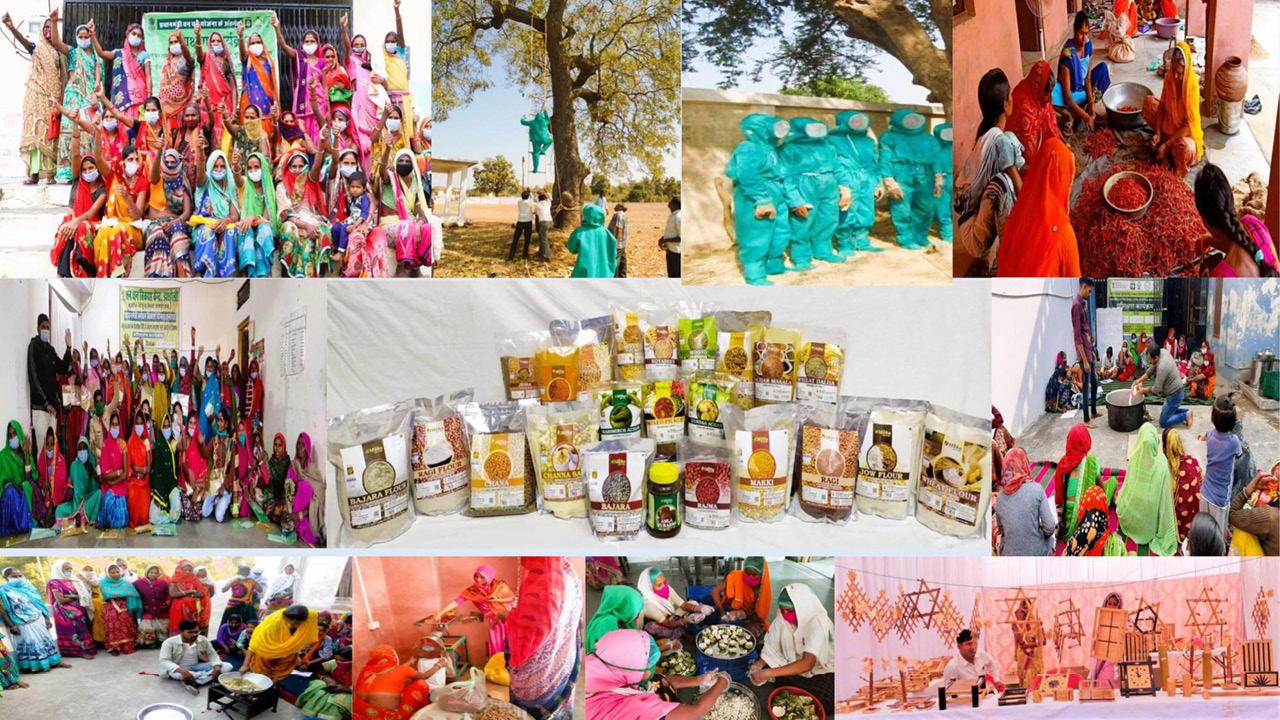
Skill Upgradation and Livelihood Generation for Tribals through Van Dhan Vikas Kendras in Rajasthan
The project was conceived to address long-standing economic marginalization among tribal populations in Rajasthan. This integrated initiative combines the Van Dhan Yojana with supporting schemes such as SFURTI, Mini-TRIFOOD, and ESDP, aiming to foster entrepreneurship, income generation, and empowerment among tribal women.
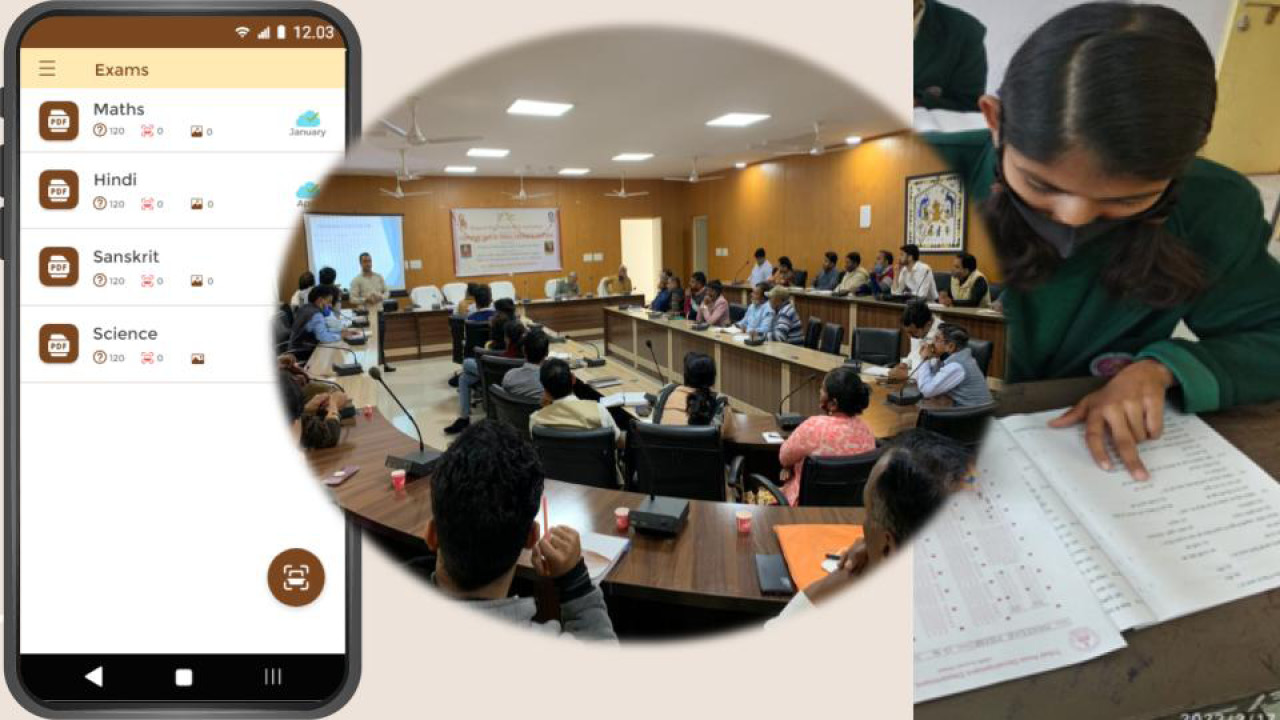
Leveraging Digital Tools for Tribal Education Reform: The Edu-Tribe Assessment Model in Rajasthan
The initiative was designed to enhance academic outcomes through regular, technology-enabled assessments. The Edu-Tribe mobile application, a central feature of the program, facilitates real-time evaluation through OMR-based testing. This enables teachers to quickly identify learning gaps and provide targeted remedial support to students.
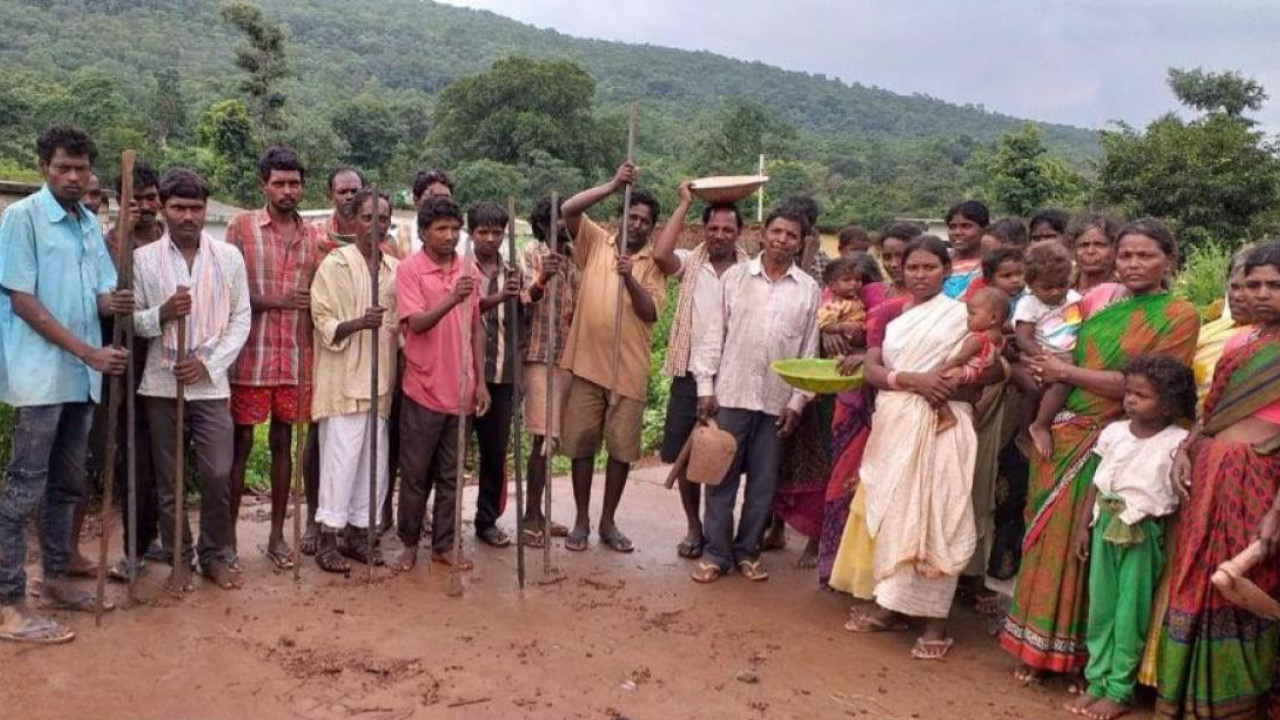
Transforming Lives of the Primitive Tribe Chenchu through MGNREGS
The Government of Andhra Pradesh launched a targeted initiative in May 2009 under the MGNREGS. The Chenchu Special Project aimed to bring sustainable livelihood, nutritional security, and socio-economic inclusion to this vulnerable population. This case study explores the implementation, outcomes, and innovations of the project that have contributed to transforming the lives of over 11,000 Chenchu individuals.
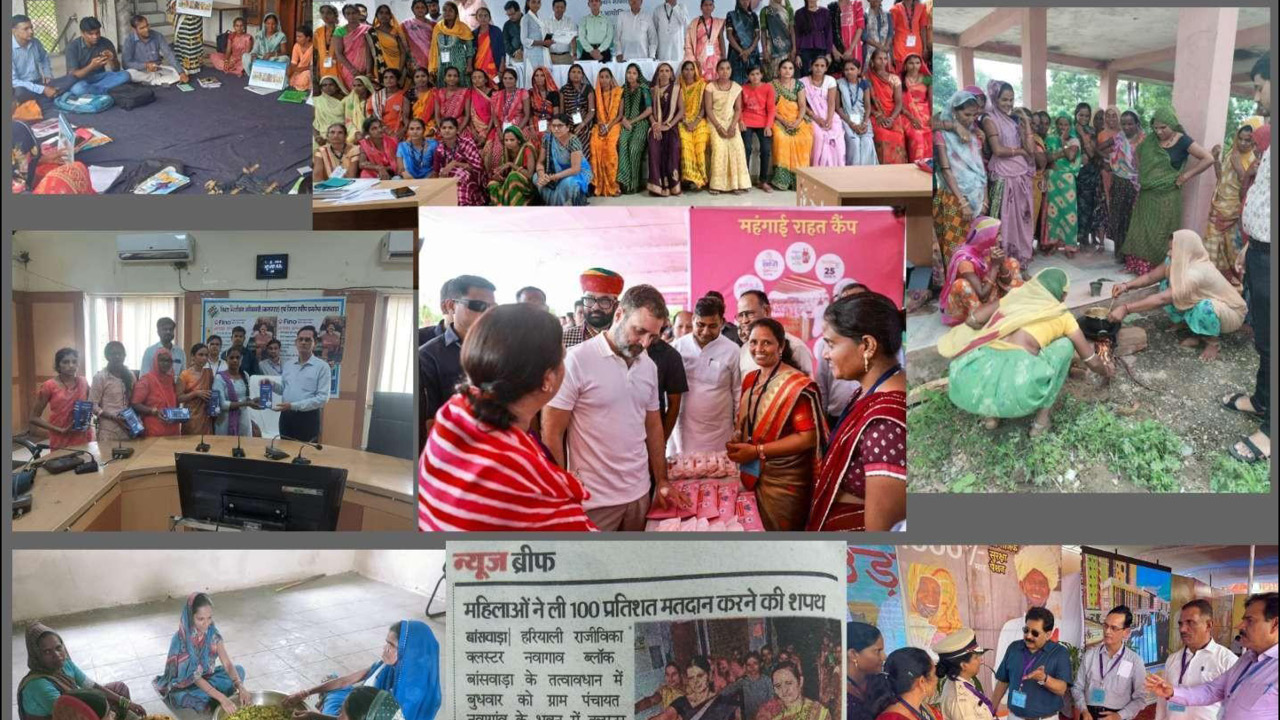
From Margins to Markets: Empowering Tribal Women through Rajeevika in Banswara
Banswara, located in southern Rajasthan, is among the 250 most underdeveloped districts in India. Characterised by its high tribal population and limited livelihood opportunities, women in this region traditionally had minimal economic or public engagement. Recognising this entrenched inequality, RGAVP initiated a transformational programme under the National Rural Livelihoods Mission (NRLM) to empower women socially and economically.
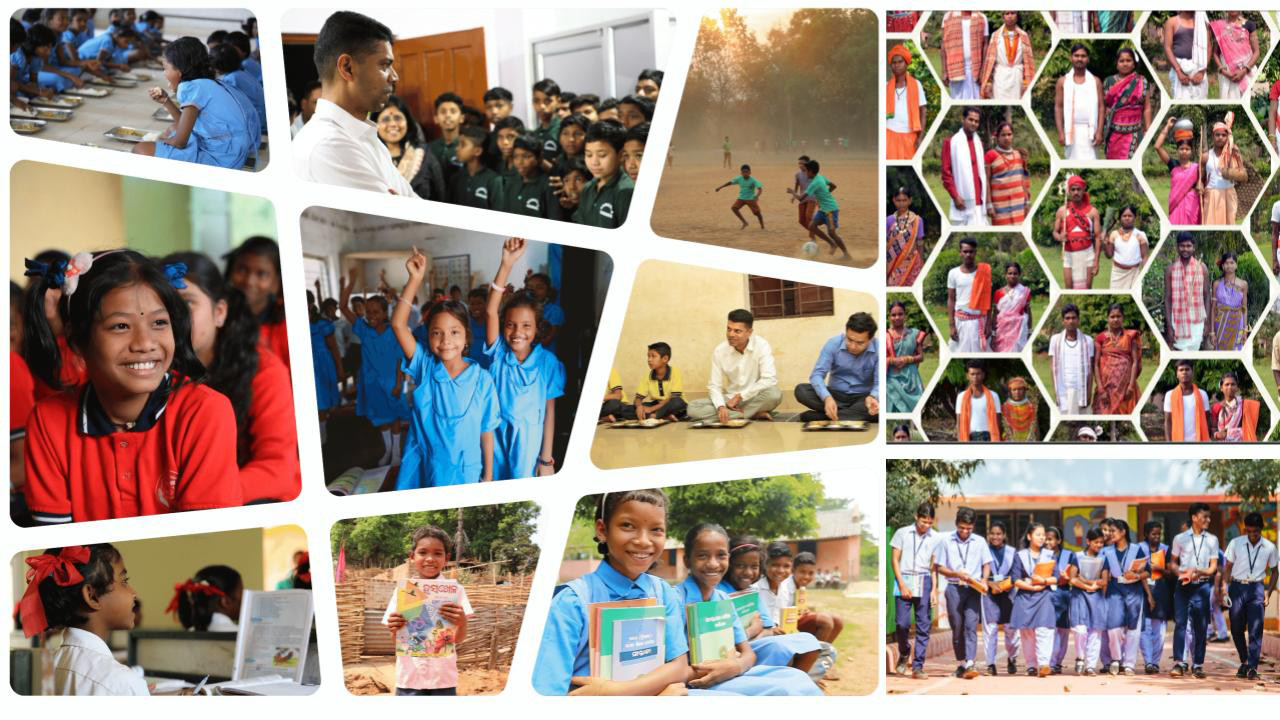
Building Inclusive Futures: Education Reform for Odisha’s Vulnerable Communities
Odisha’s ST & SC Development Department embarked on a mission to overhaul its education system for vulnerable populations. Despite socio-economic barriers and geographical isolation, it envisioned an education framework that not only ensured access but also equity, quality, and innovation in learning outcomes. The initiative reflects the state’s commitment to transforming tribal education from a basic service into a powerful vehicle for empowerment.
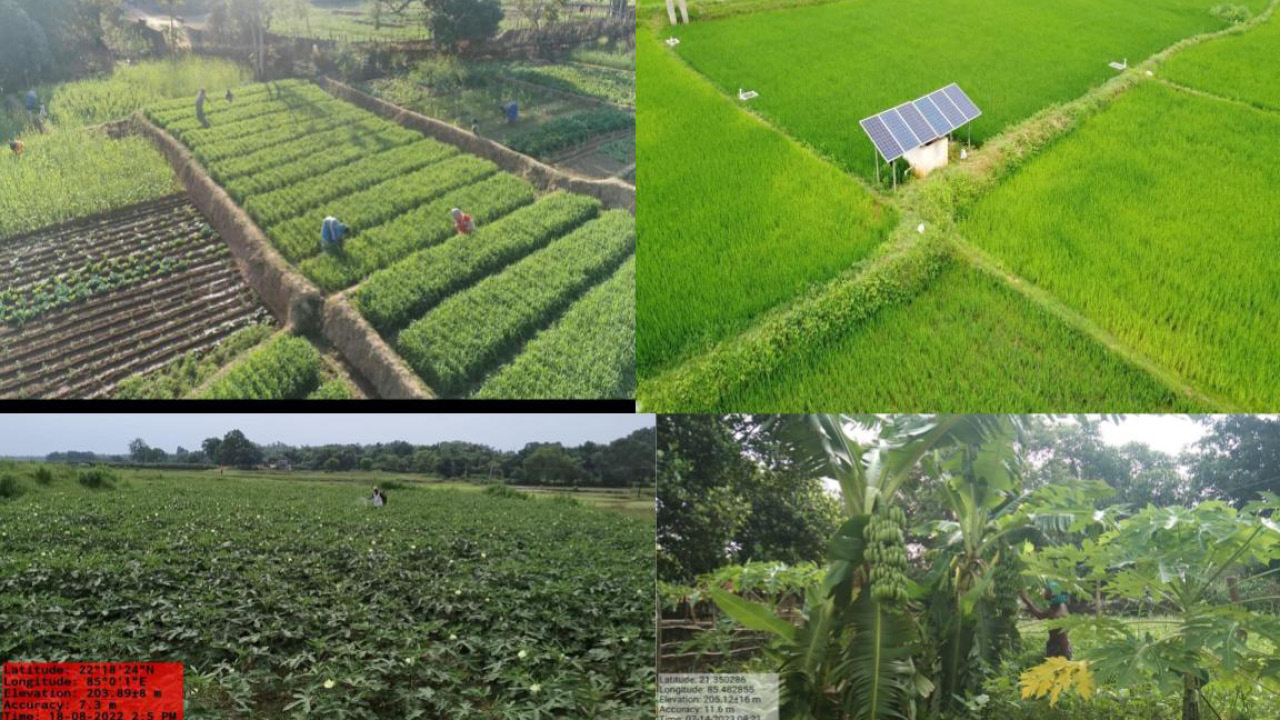
Harvesting Resilience: OTELP Plus and the Future of Tribal Farming in Odisha
OTELP Plus is a flagship tribal empowerment programme launched by the Government of Odisha to improve food and nutritional security and enhance the livelihoods of tribal households living in remote, rain-fed, and resource-poor regions. Rooted in the principles of participatory watershed development and convergence, the programme deploys a combination of land development, organic farming, cluster cultivation, and allied support services to enable holistic agricultural transformation in tribal areas.
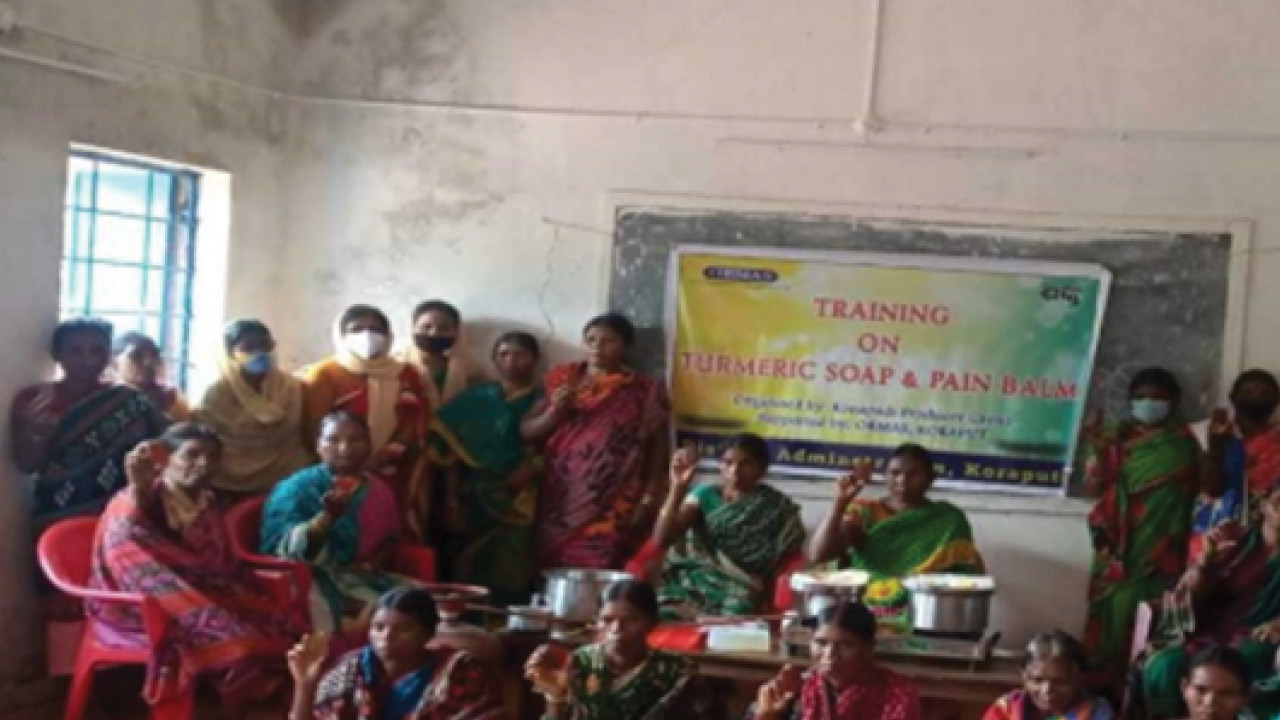
Empowering Tribal Women through Turmeric-Based Livelihoods in Koraput, Odisha
In the scenic but isolated terrain of Laxmipur block in Koraput district, tribal communities have long depended on turmeric cultivation as a major source of livelihood. However, lack of market access, processing capacity, and financial literacy rendered them vulnerable to systemic exploitation. The Turmeric Based Livelihoods Development initiative emerged as a response to this socio-economic marginalization.
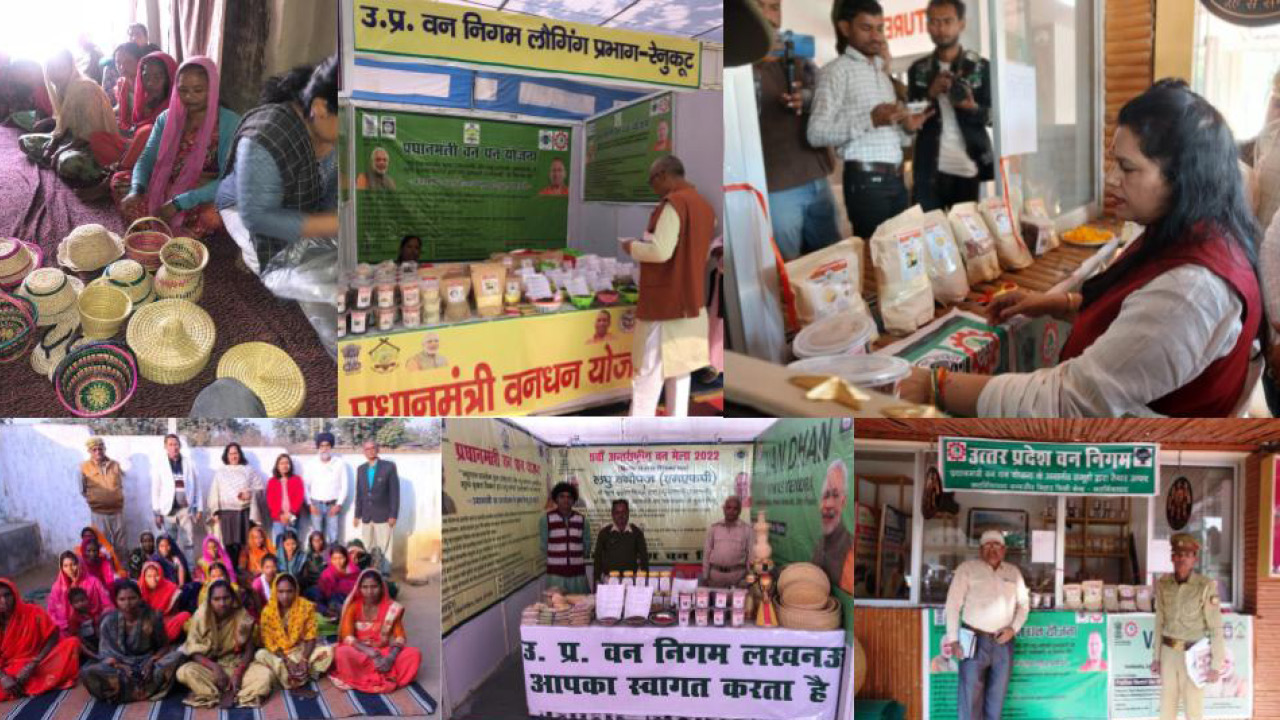
Forest-Based Livelihood Empowerment: Van Dhan Yojana in Uttar Pradesh
UPFC’s Van Dhan Yojana initiative focuses on mobilizing tribal communities into Self-Help Groups (SHGs), enhancing their traditional skills, training them in value addition and packaging of Minor Forest Produce (MFP), and linking their products with retail markets. The scheme is backed by a dedicated budget and institutional support for long-term scalability and community ownership.
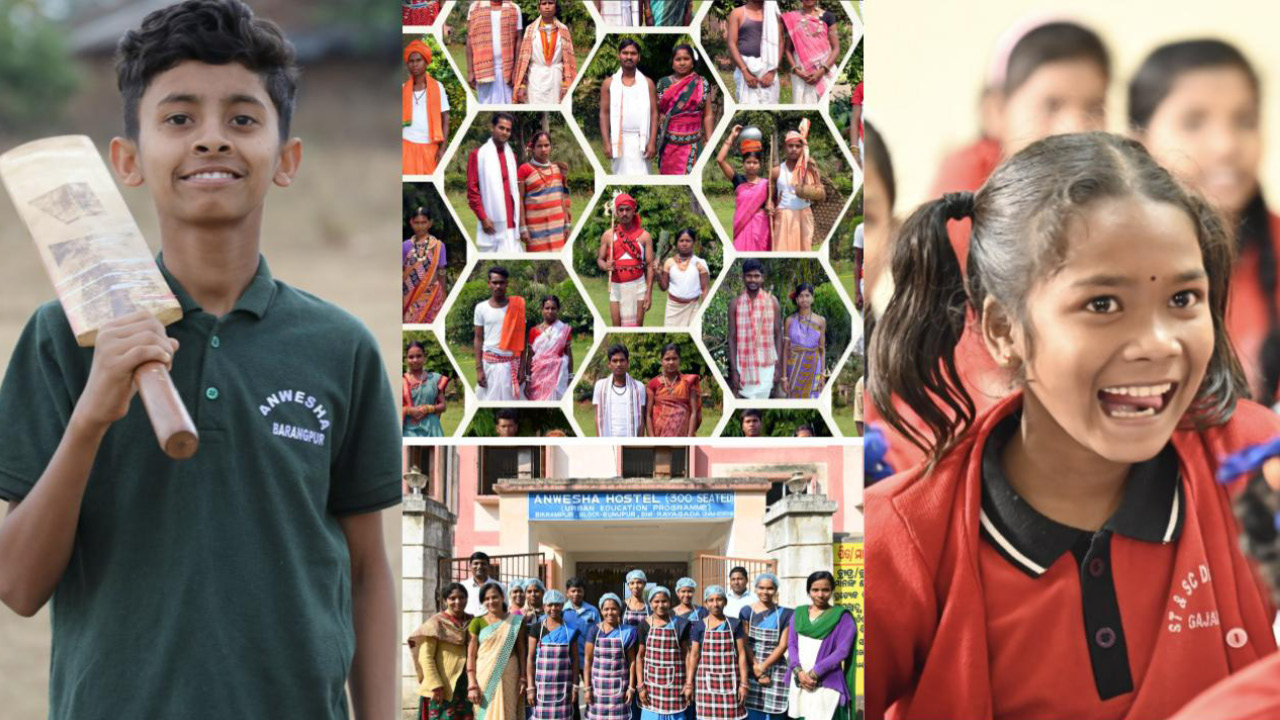
Breaking Educational Barriers: The ANWESHA Model in Odisha
The project enables their enrolment in reputed English-medium schools while offering comprehensive residential, academic, and social support. Over the past eight years, ANWESHA has become synonymous with educational empowerment, enabling over 21,000 students across 17 districts to access aspirational learning environments previously out of reach. The programme operates in Tribal Sub Plan areas where the tribal population exceeds 50%.
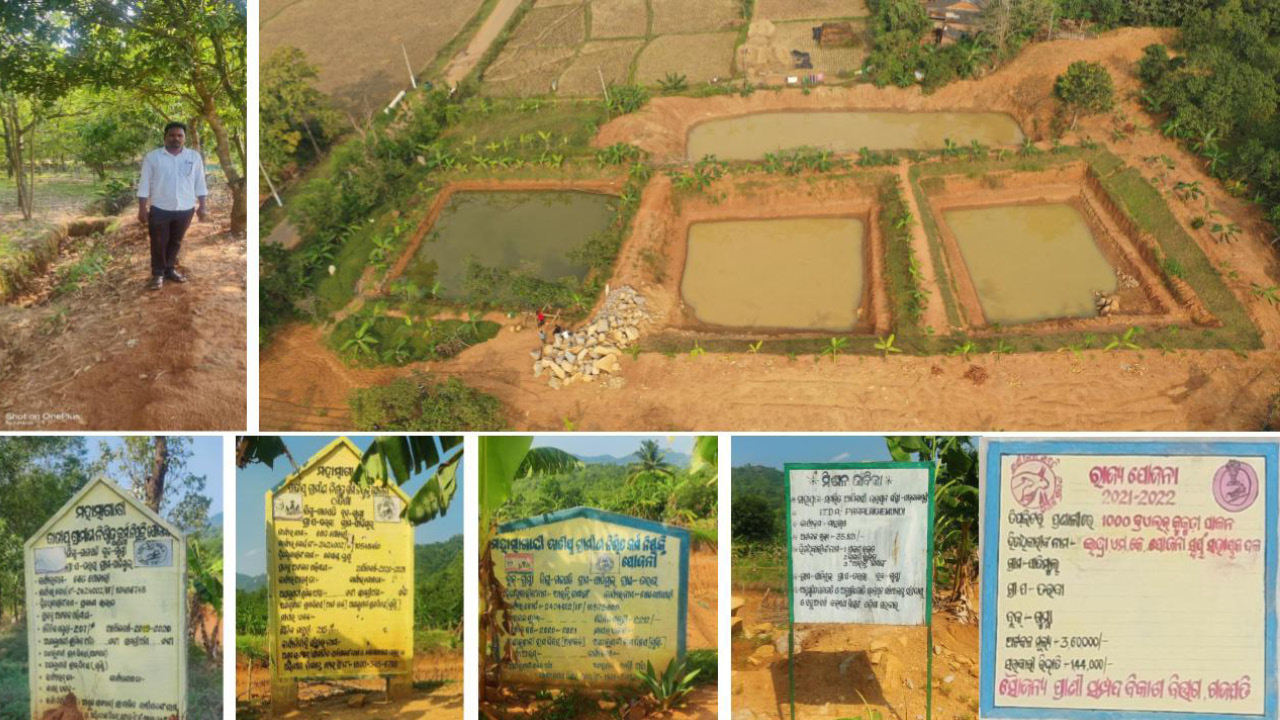
Strengthening of Livelihoods of a Rural Tribal Farmer
Recognizing the systemic vulnerability, the Soil Conservation and Watershed Development Department, Government of Odisha, initiated an integrated intervention in the Gumma Block of Gajapati district. This focused approach aimed to rejuvenate barren farmlands and strengthen the income base of tribal households through simple, scalable water conservation.
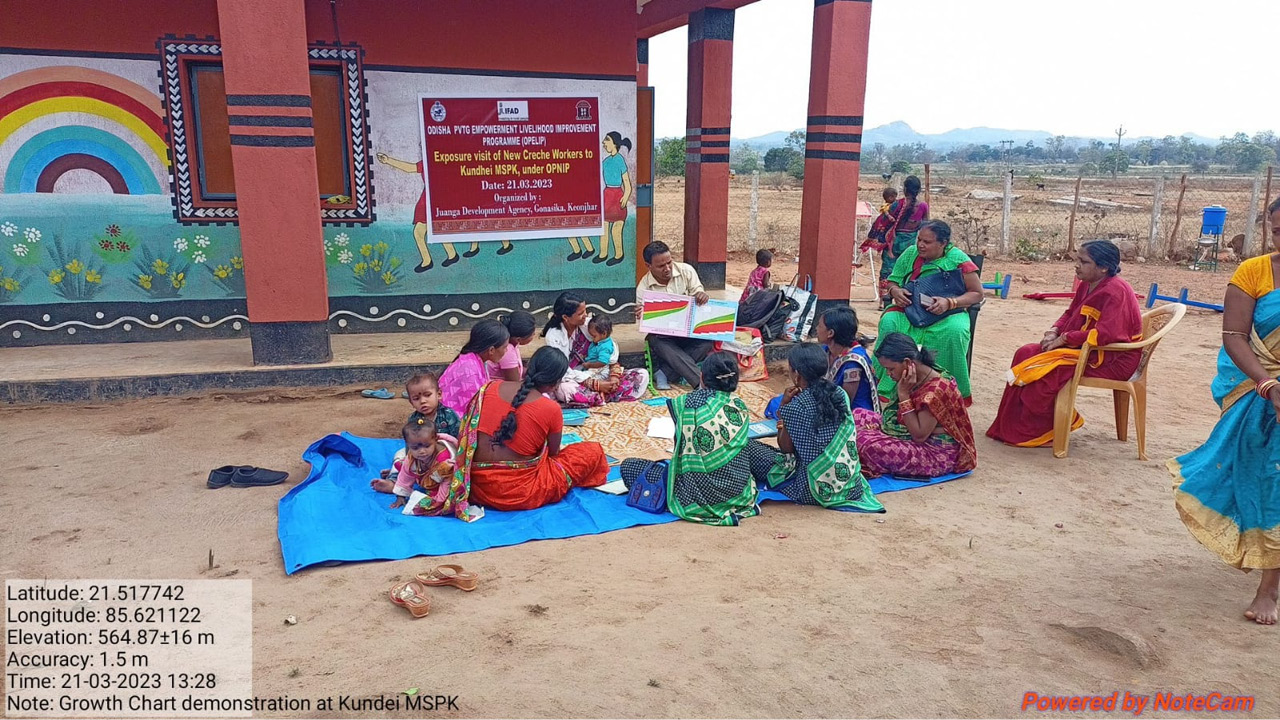
Odisha’s Community-Driven Model to Combat Malnutrition in Particularly Vulnerable Tribal Groups (PVTGs)
In the tribal heartlands of Odisha, where health and nutrition indicators are among the poorest in the country, the Odisha PVTG Nutrition Improvement Programme (OPNIP) was launched as a transformative intervention. The programme focuses on the critical window of the first 1,000 days of a child’s life.
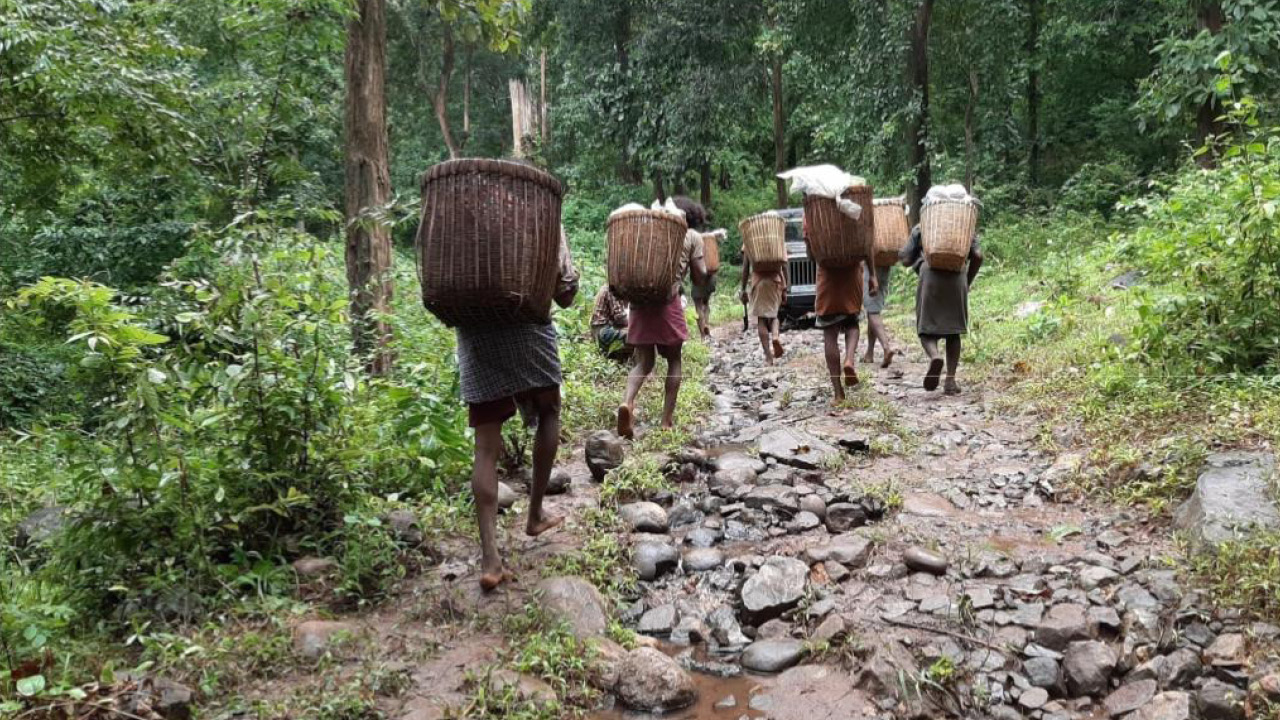
SHELTER: Transforming Adivasi Lives through Comprehensive Community Development in Nilambur, Kerala
This program integrates livelihood, education, health, cultural preservation, financial inclusion, and institutional empowerment under one framework. With a strong emphasis on community participation and inter-departmental convergence, the project seeks to empower tribal women, youth, and children.
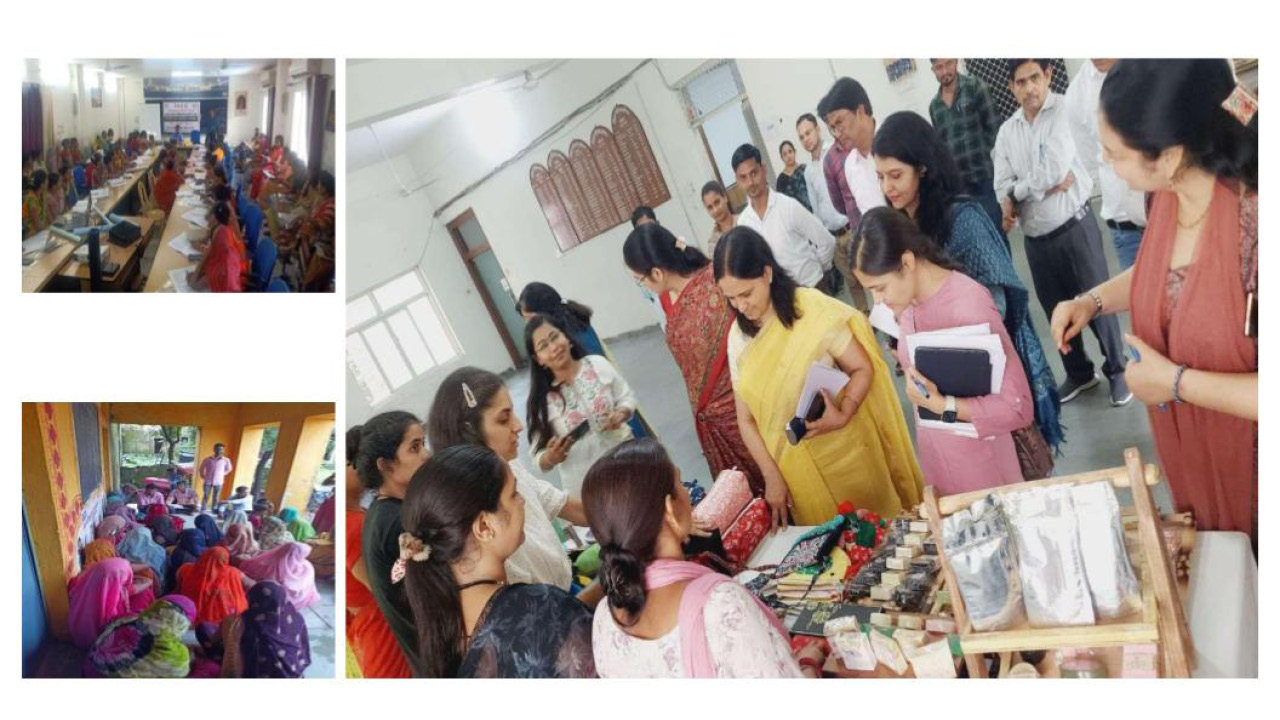
Empowering Tribal Women through Van Dhan Vikas Kendras in Rajasthan
Van Dhan Vikas Yojana (VDVY) was launched as a transformative tribal livelihood programme to channel the potential of minor forest produce (MFP) into sustainable income for tribal women. It builds upon the SHG platform of Rajeevika, aiming to convert tribal gatherers into empowered entrepreneurs.

Ensuring Equity and Empowerment through Tendu Patta Procurement in Uttar Pradesh
The Collection and Disposal of Tendu Patta initiative, implemented by the Uttar Pradesh Forest Corporation (UPFC), is one of the state’s longest-standing efforts to uplift marginalized tribal laborers through forest-based livelihood opportunities.

Reconstruction of Banastarim Market: A New Era for Tribal Vendors in Goa
The government initiated the re-construction of the Banastarim Market under the centrally sponsored scheme for Marketing of Minor Forest Produce (MFP). The new complex offers a dignified and regulated space for ST vendors, contributing to both economic empowerment and cultural continuity.

ST Household Baseline Survey: Bridging the Last Mile in Tribal Welfare
The STs of Andhra Pradesh, despite various welfare initiatives, often remain on the fringes of public service delivery due to lack of documentation and geographical isolation. The ST Household Baseline Survey was launched to directly address this gap by collecting accurate household-level data to plan and deliver targeted interventions more effectively.
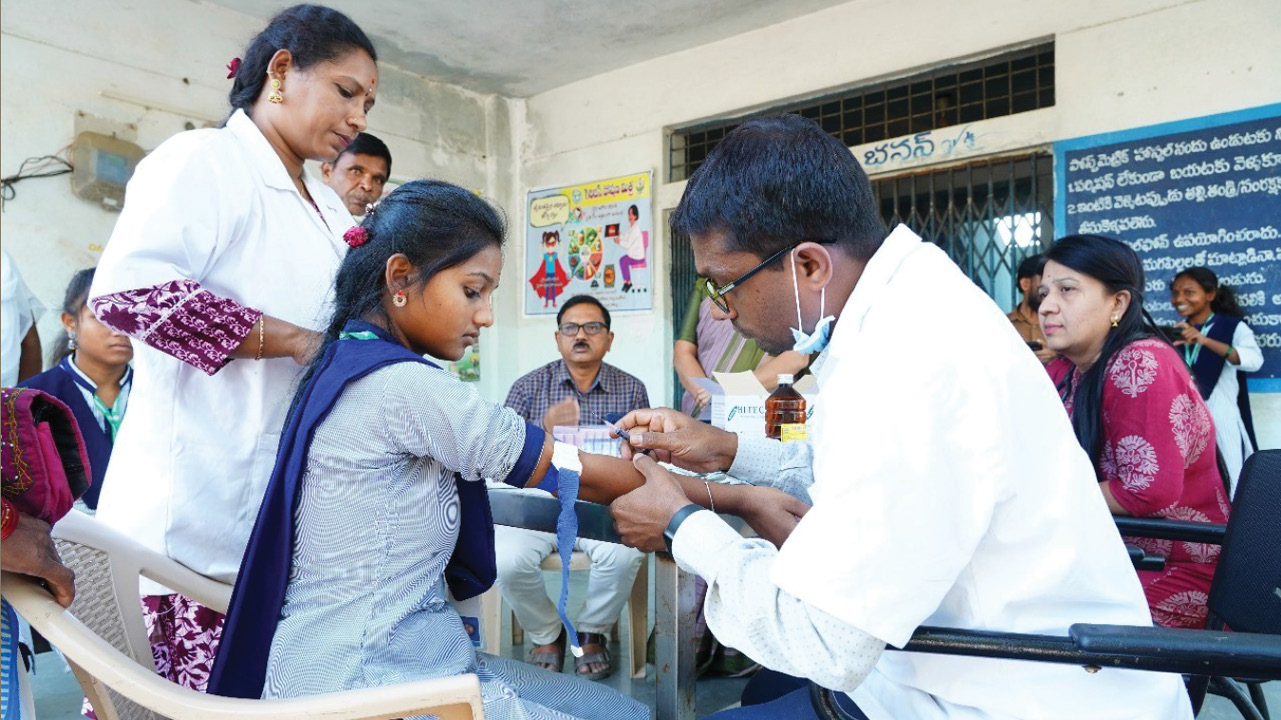
Girijan Poshan Mitra: Breaking Free from Anaemia through Community-Based School Nutrition
Anaemia is a widespread but often overlooked health challenge, particularly among tribal adolescent girls. The Girijan Poshan Mitra initiative was launched by ITDA Utnoor as a transformative, community-based intervention to combat anaemia in 15,724 tribal girls studying in 60 Ashram High Schools. The goal is to ensure each girl is tested, treated and educated.

Girijan Canteen: Transforming Nutrition for Tribal Communities
The Girijan Canteen project was conceptualized as a response to the persistent problem of malnutrition and inadequate access to nutritious food among tribal communities in remote regions of Telangana. Aiming to deliver nutritious, affordable, and accessible meals, the project embodies an innovative community-oriented model to improve public health outcomes.

DAMAMI Siddi Community Tourism: Empowering a Marginalized Tribe Through Cultural Eco-Tourism
This explores an innovative tribal empowerment initiative launched in Uttara Kannada, Karnataka, through the DAMAMI Siddi Community Tourism project. It aims to blend sustainable eco-tourism with cultural revitalization and socio-economic development for the historically marginalized Siddi tribe.
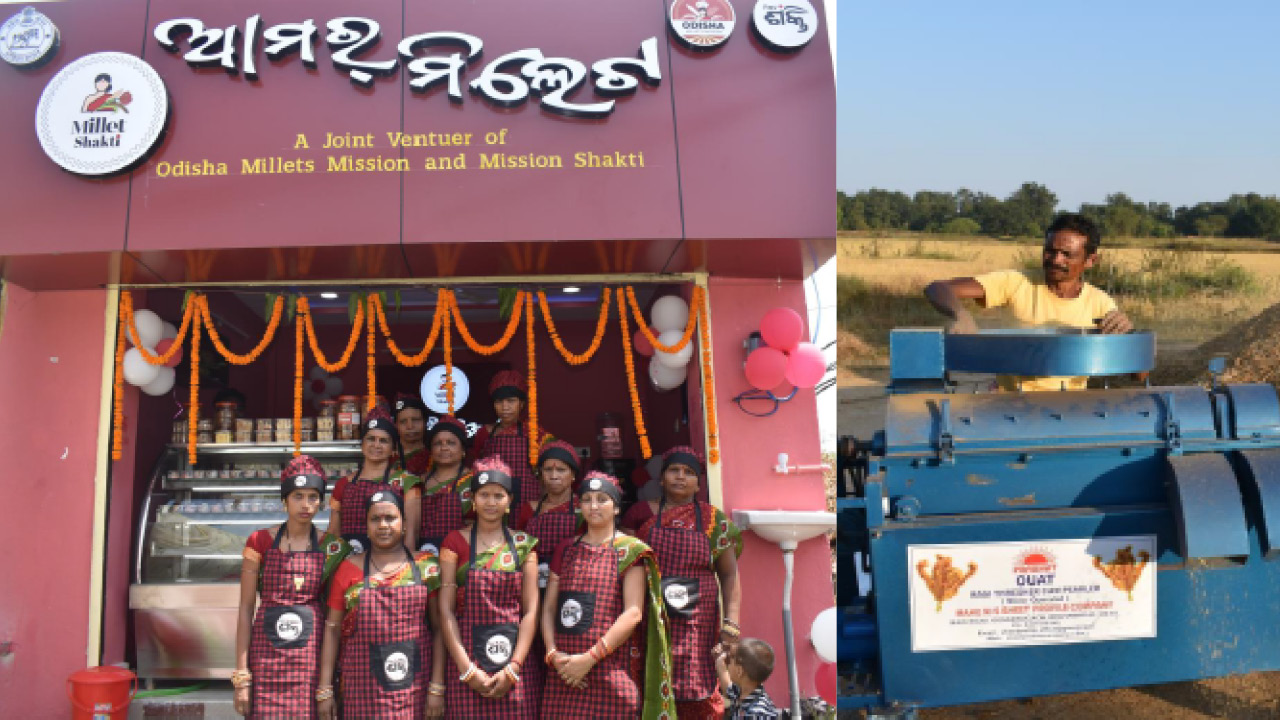
Reviving Indigenous Tribal Agricultural Traditions and Resilience in Balangir District
The project focuses on enhancing production, encouraging consumption, conserving traditional landraces, and improving market access. It has involved community institutions, NGOs, and technical organizations. It aims to re-establish millets as a staple crop, improve nutritional and livelihood security, increase household millet consumption, and reduce distress migration.

Financial Assistance to Students Belonging to Tea Tribes Community of Assam
The Tea Tribes Welfare Department, Government of Assam, launched the project “Financial Assistance to Students Belonging to Tea Tribes Community of Assam” with the objective of promoting education among students from the Tea Tribes, a socio-economically backward group. The project emphasizes creating opportunities for higher education and skill development.
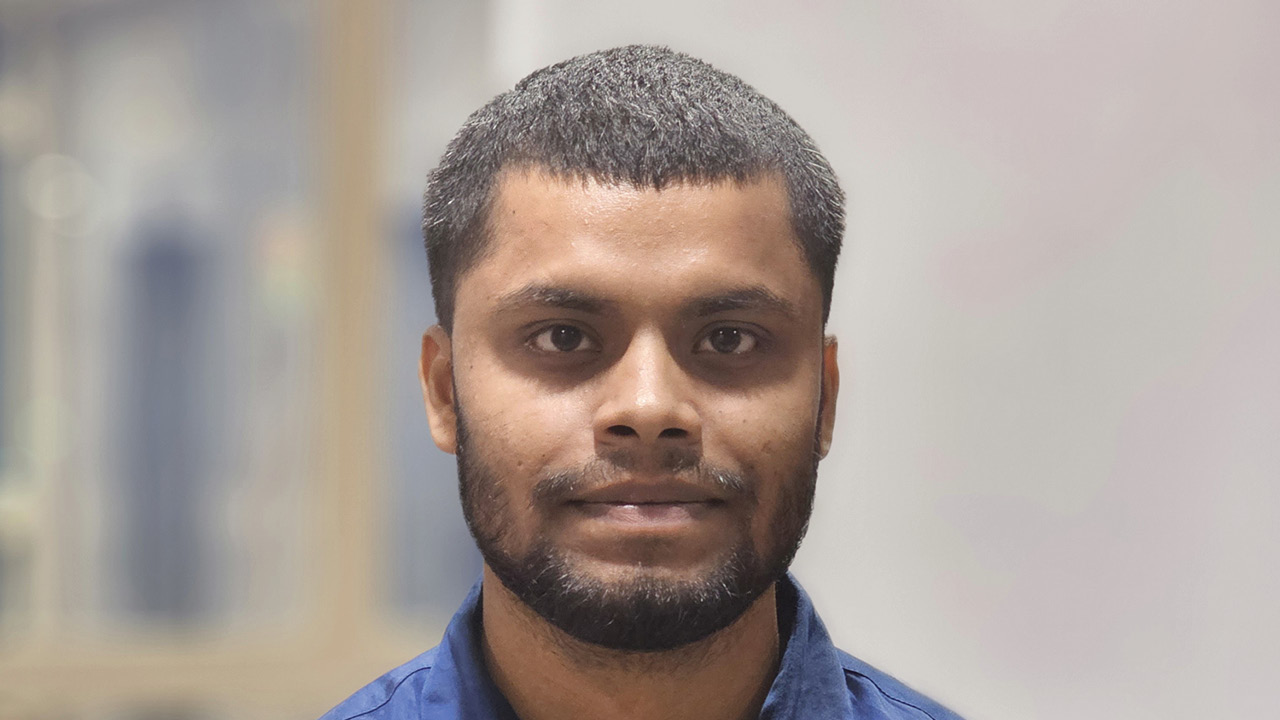
Bhukya Rajashekhar – In pursuit of a Career with Tribal Scholarship Support
Bhukya Rajashekhar, hailing from the Warangal District of Telangana, exemplifies the transformative impact of the Ministry of Tribal Affairs’ scholarships.
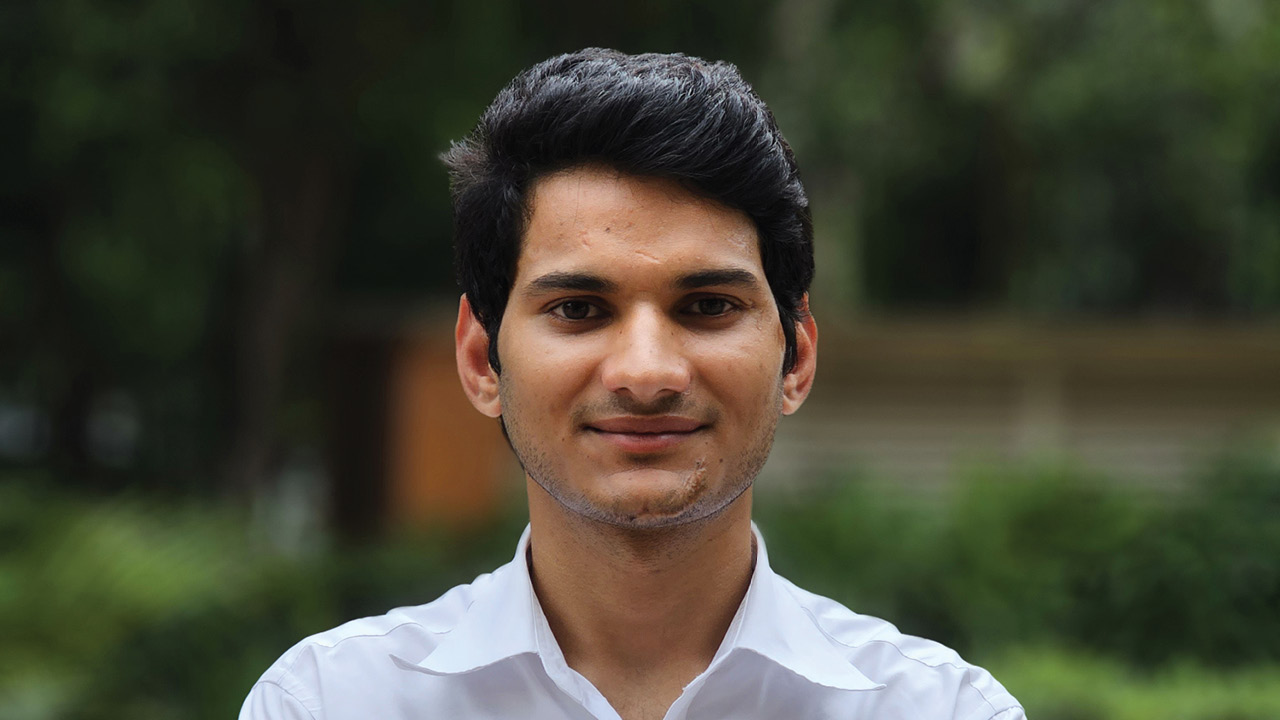
Ravi Kumar Meena – Bridging Educational Dreams with Tribal Scholarships
Ravi Kumar Meena, from Meena community in Karauli District in Rajasthan has made his community proud.
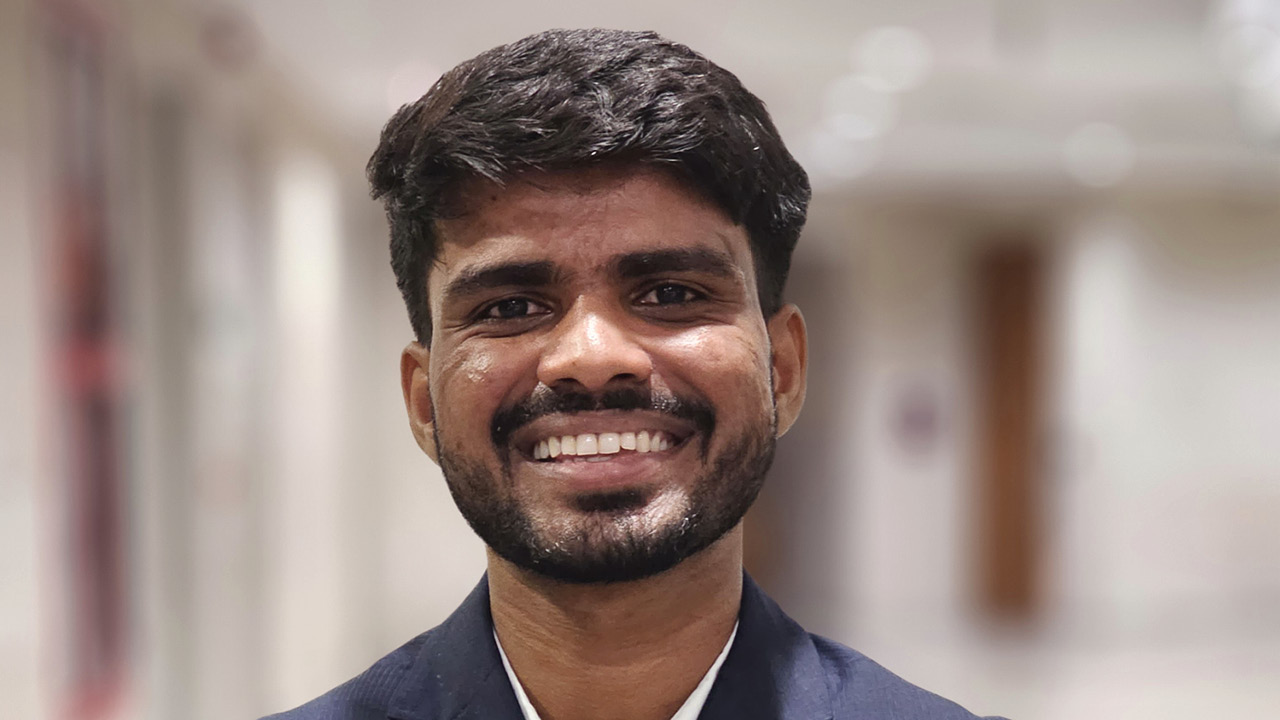
Vislavath Mukesh – Illuminating Future with Scholarship Support
Vislavath Mukesh, hailing from the Kamarad district of Telangana, embodies the transformative impact of the Ministry of Tribal Affairs’ scholarships.
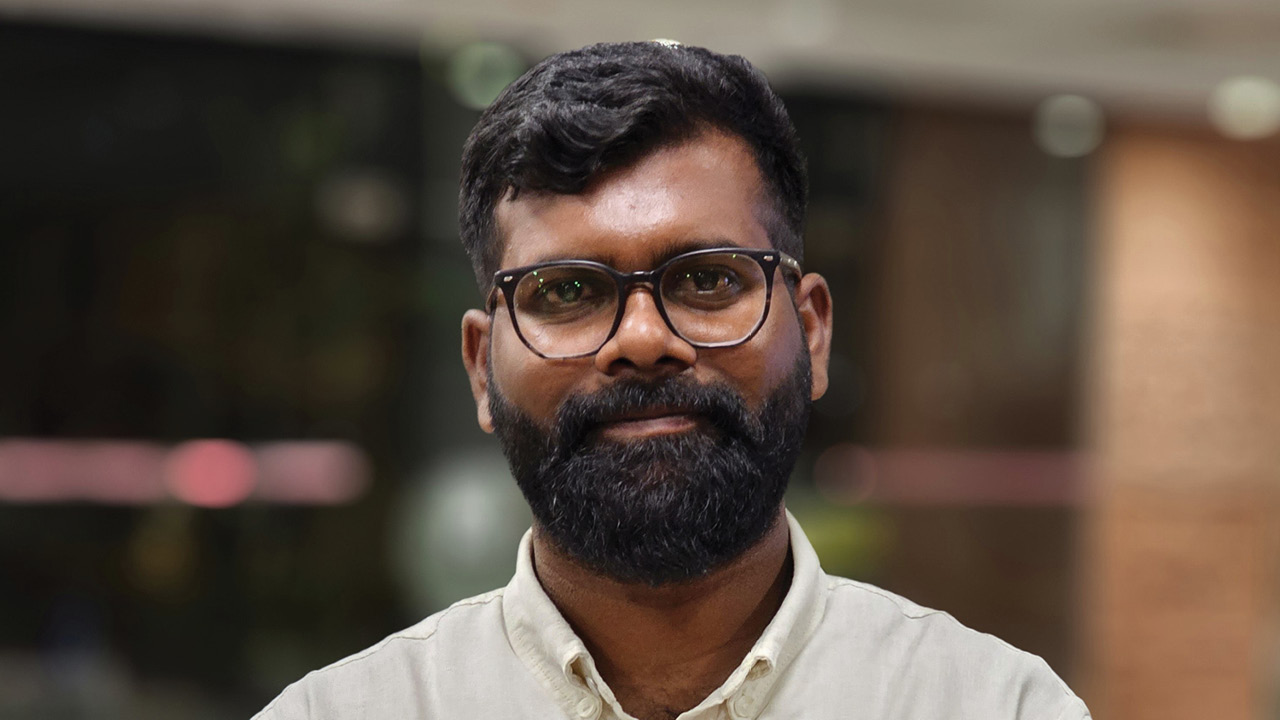
Vislavath Ramvilas Pashwan – Empowering Dreams
Vislavath Ramvilas Pashwan, Rajanna Sircilla district, Telangana, is a shining example of how the Ministry is transforming lives through educational support.
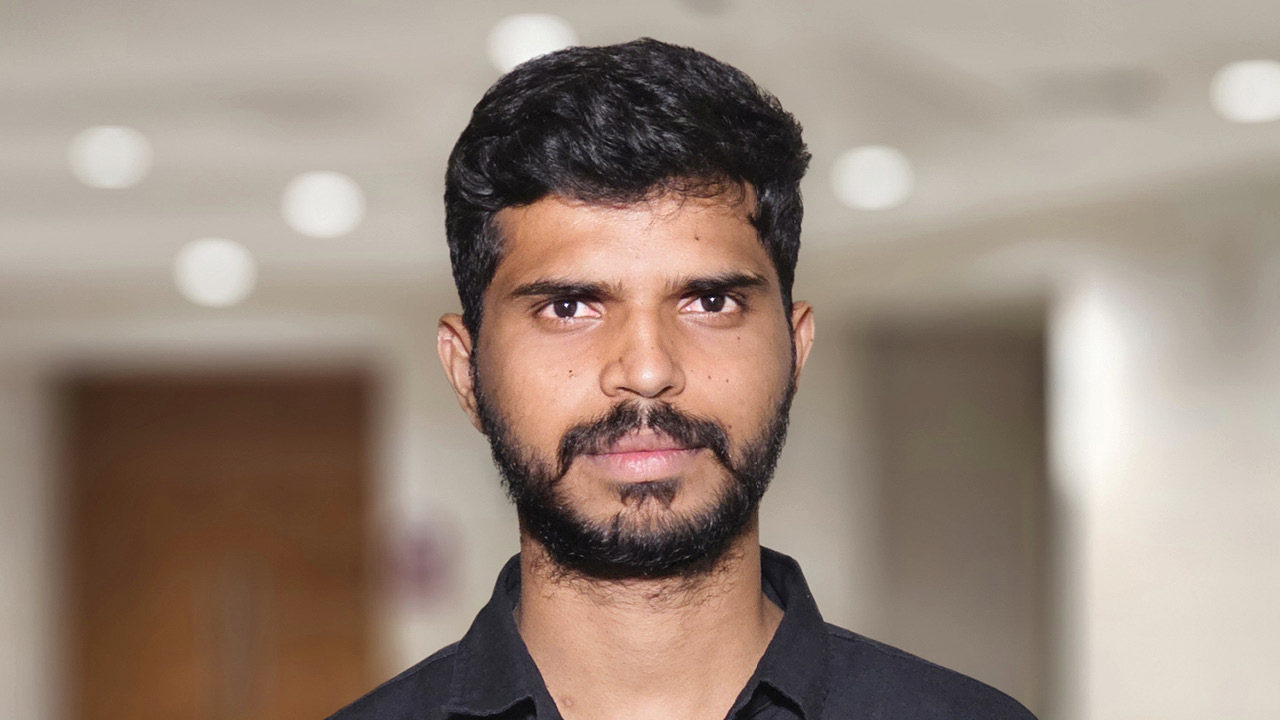
Mude Arjun Naik – Paving the Way for Agricultural Innovation
Mude Arjun Naik, hailing from the tribal district of Annamayya in Andhra Pradesh, is an example of how the Ministry of Tribal Affairs is nurturing talent.
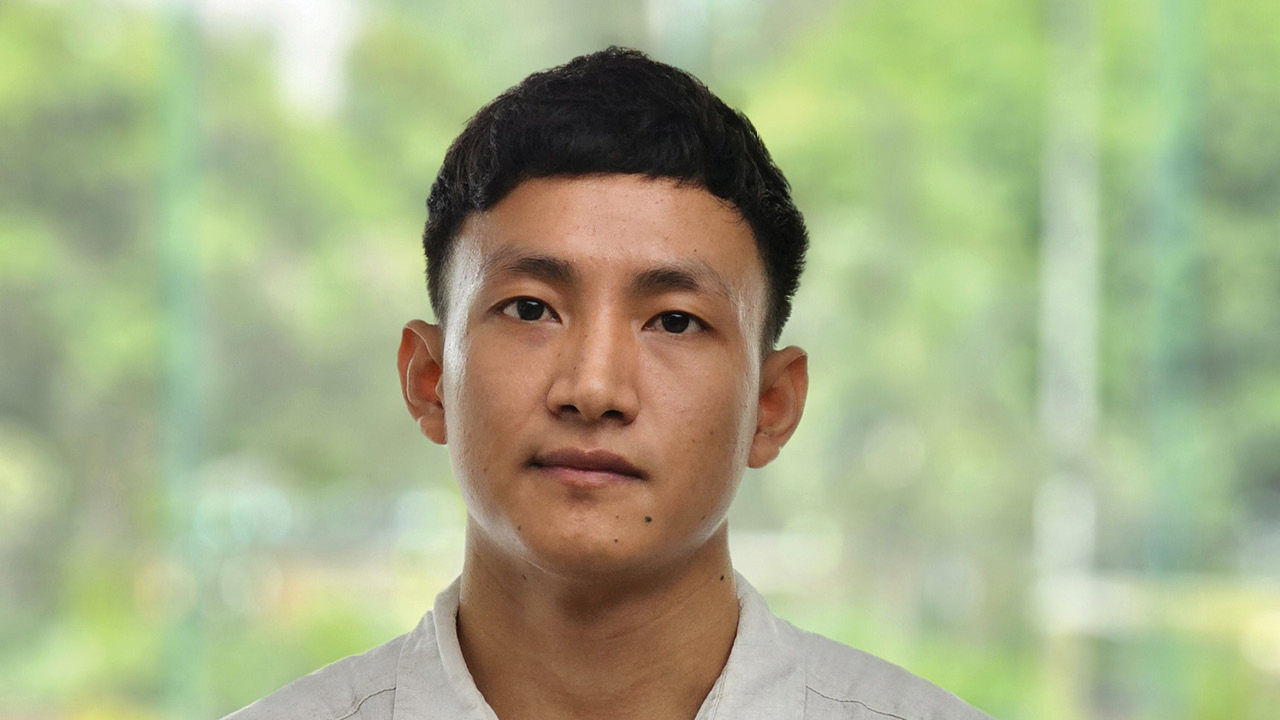
K Joseph – Studying Humanities at the University of Leeds
K Joseph, a member of the PVTG from Manipur, embodies the power of education and the Ministry of Tribal Affairs’ scholarship programme in making dreams come true.
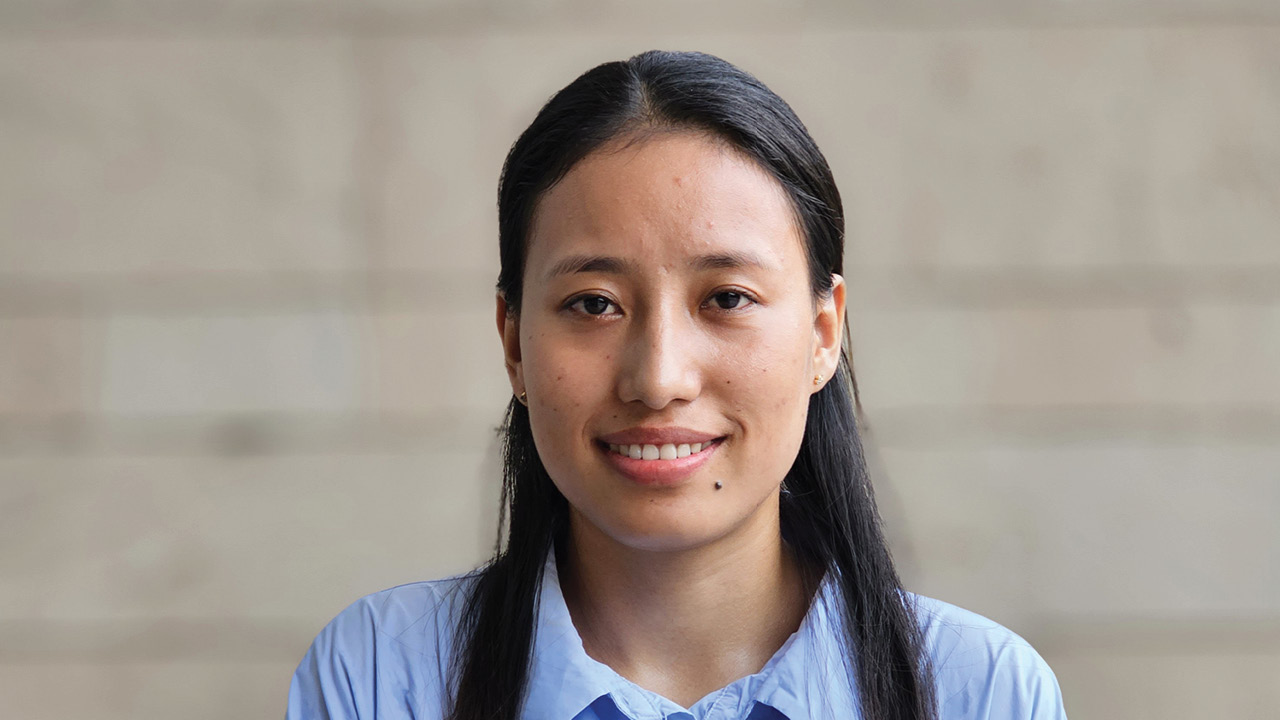
Kabitina Kuinamei P – National Scholarship Scheme is Fulfilling Her Dreams
Kabitina Kuinamei P, a tribal from Manipur, represents the power of education and government support in making dreams a reality.

Empowering the Margins: Transforming the Lives of Chhattisgarh’s Vulnerable Tribal Communities
The Chhattisgarh State Rural Livelihoods Mission (CGSRLM) has embarked on a pioneering project to uplift the PVTGs.
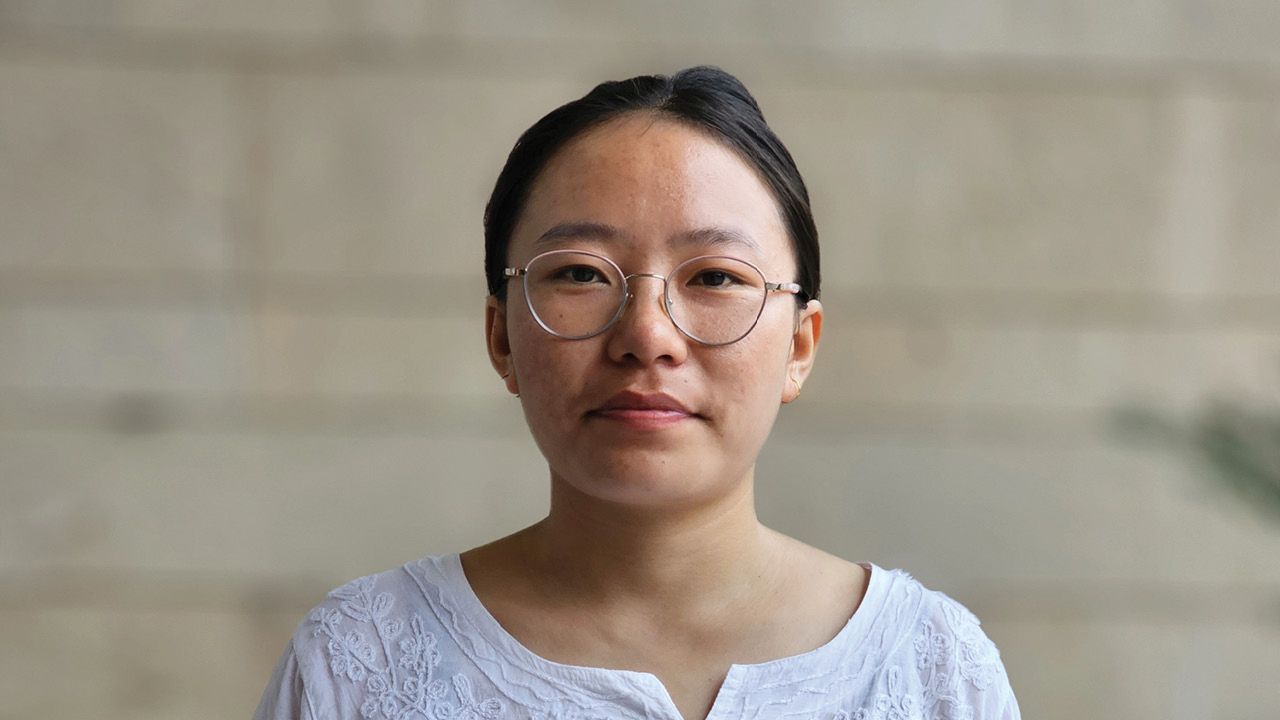
K Dikila – Empowering Tribal Students Through Higher Education Scholarships
K Dikila, hailing from the Maram Naga tribe of Manipur, represents the resilience and potential of tribal communities in India.
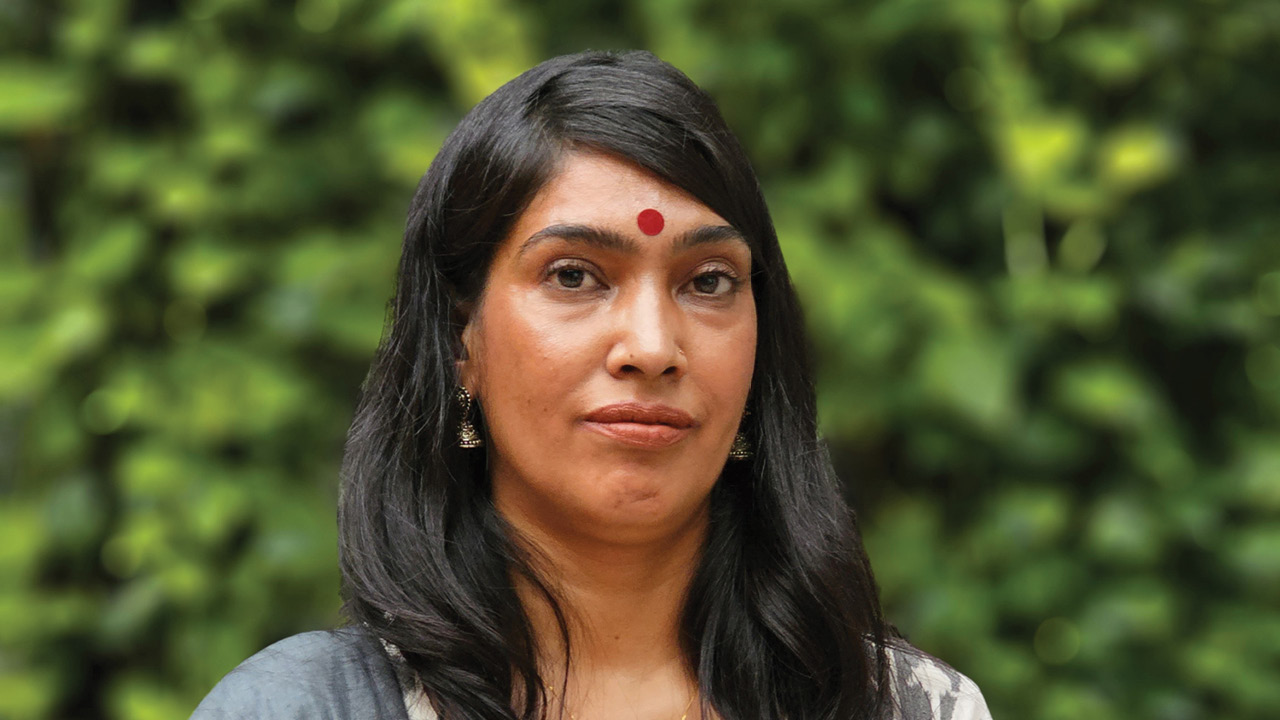
Raj Kumari Meena – Empowering Research and Education for Tribal Communities
Raj Kumari Meena’s journey from a small village in Bharatpur, Rajasthan, to pursuing a Ph.D. in Psychology at the University of Delhi is a testament to the transformative power of education.
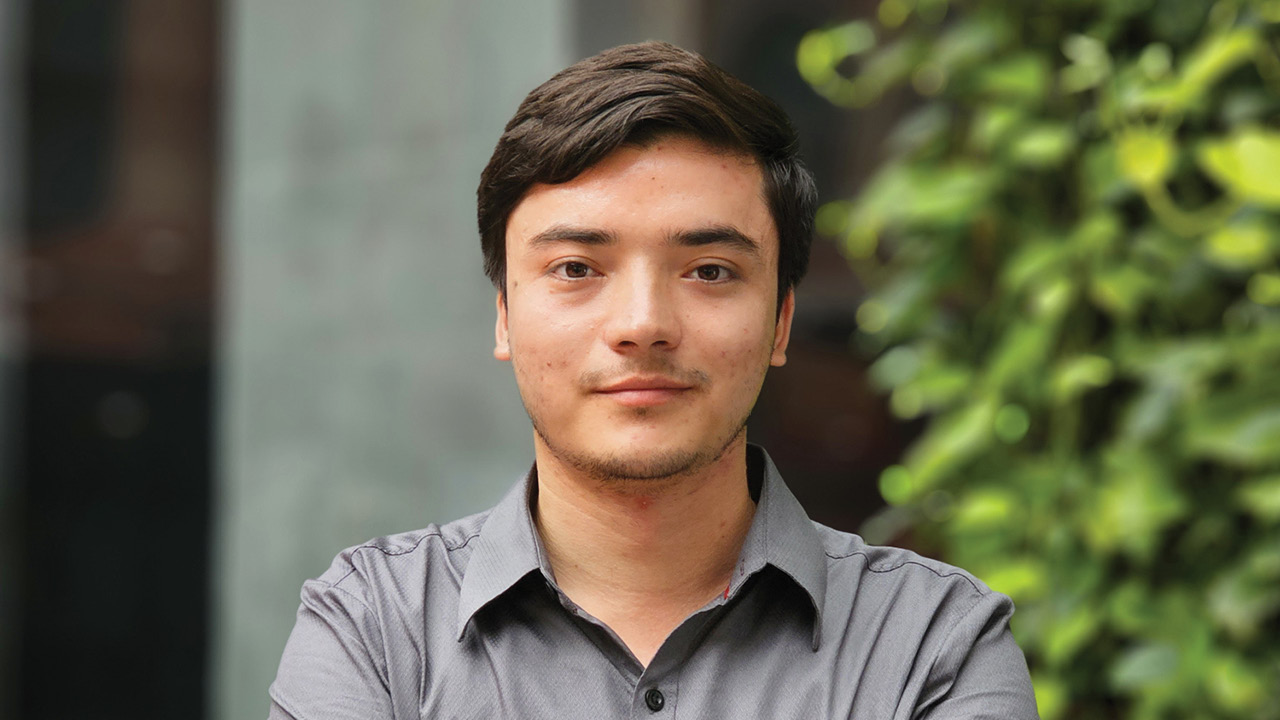
Mohd Hussain – Empowering Research and Education in Ladakh
Mohd Hussain’s journey from a remote village in Ladakh to pursuing a Master’s in Architecture at the School of Planning and Architecture, New Delhi, is a testament to the transformative power of education and government support.
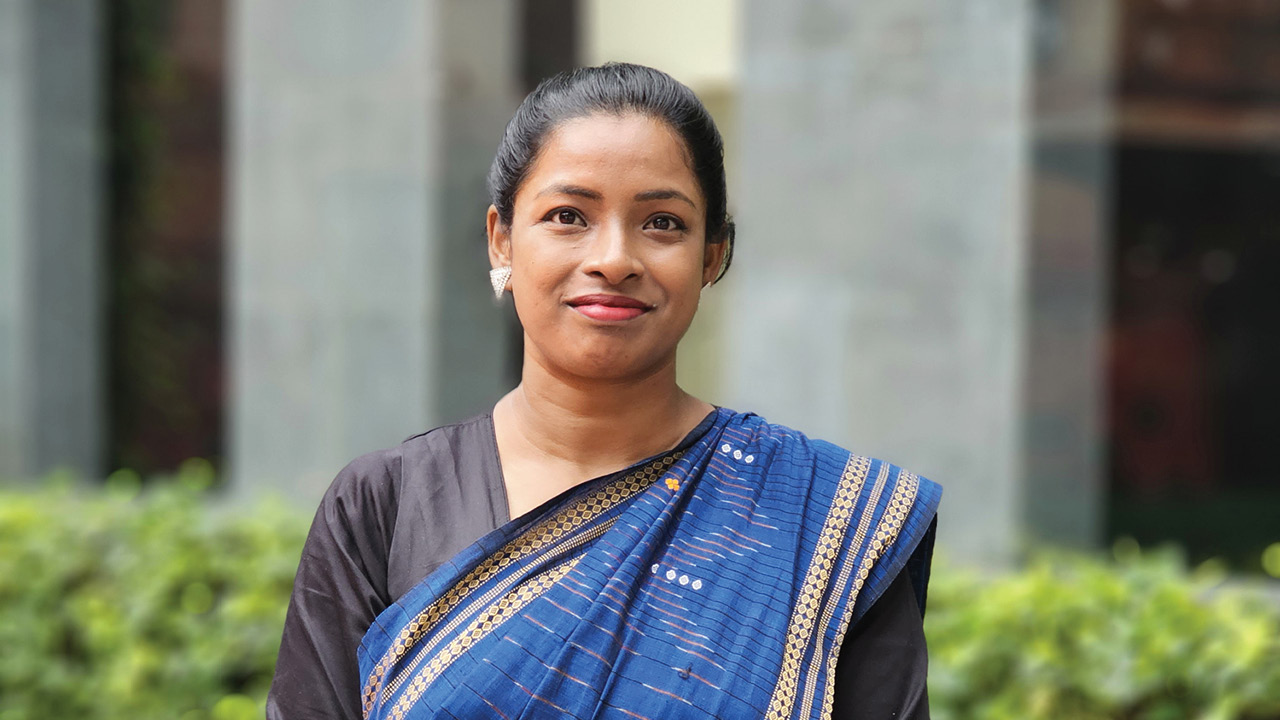
Madhusmita Majhi – A Journey From Struggle to PhD Excellence
Madhusmita Majhi’s journey from a remote village in Odisha to pursuing a Ph.D. in Human Resource Management at Utkal University in Bhubaneswar is an example of impact through government support.
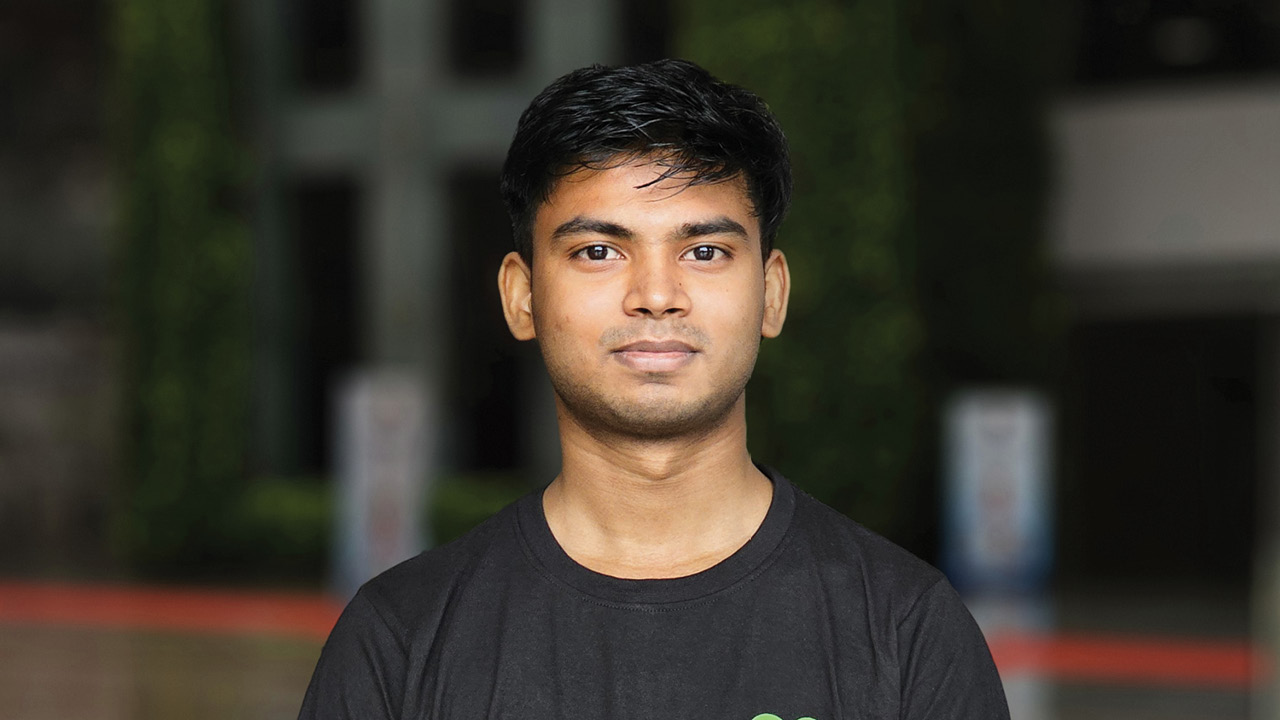
Sandeep Kumar – Transformation Through Education
Sandeep Kumar’s journey from Bihar to pursuing a Bachelor’s in Technology (B.Tech) in Computer Science Engineering at Delhi Technological University (DTU) showcases the incredible potential unlocked.
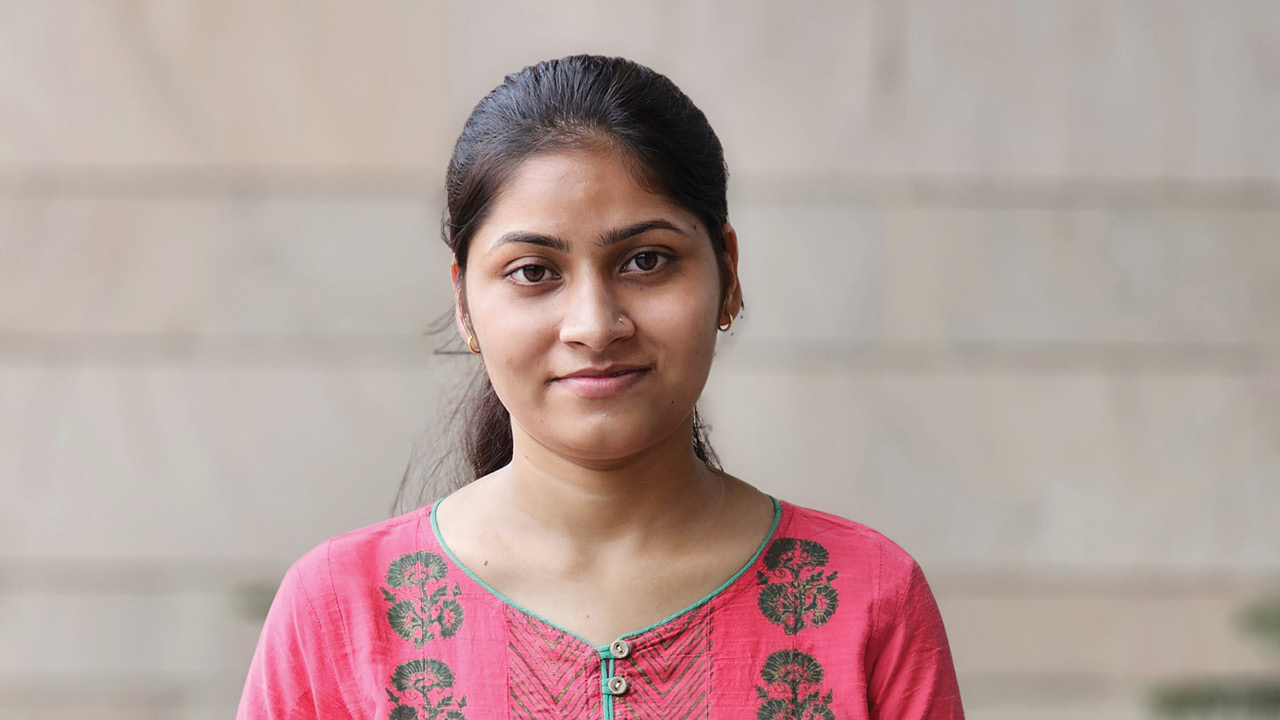
Preeti Meena – A Journey From Rajasthan’s Heartland to MBBS at Lady Hardinge
Preeti Meena’s journey from a remote village in Alwar, Rajasthan, to pursue her dream of becoming a heart surgeon through an MBBS degree at Lady Hardinge Medical College, New Delhi.
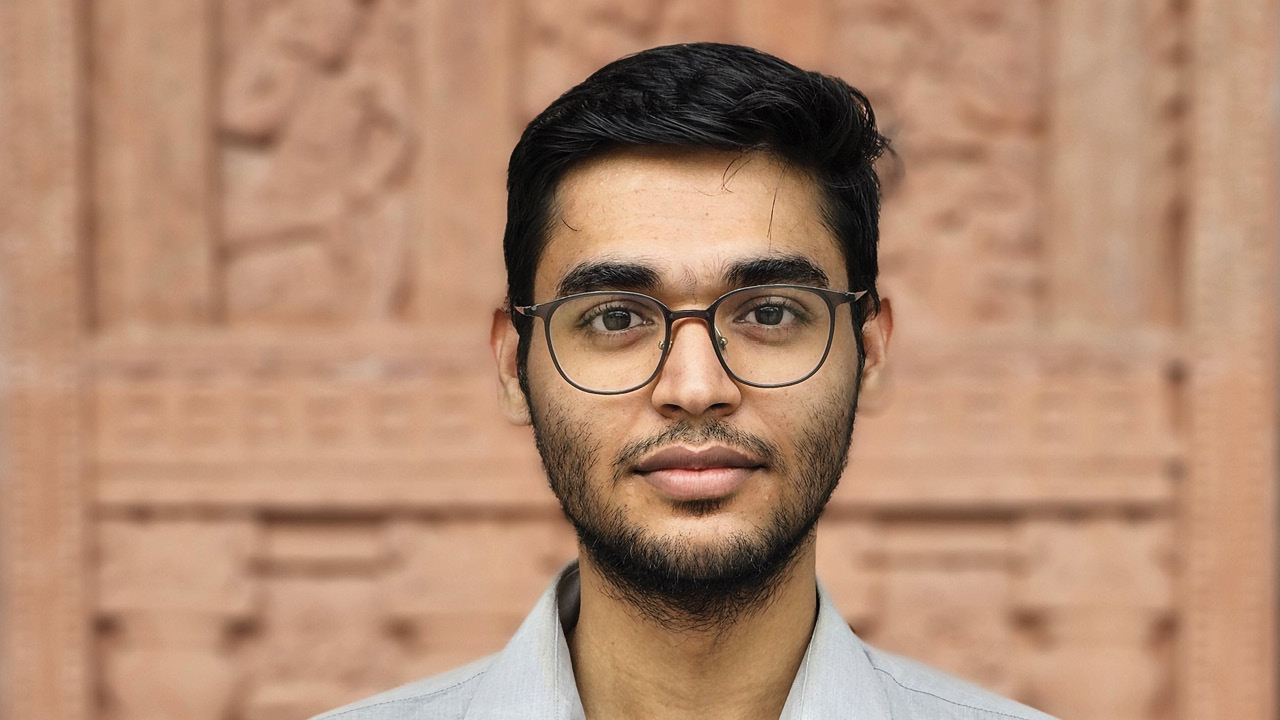
Yatharth Meena – From Kota in Rajasthan to pursuing MBA at Delhi University
Yatharth Meena’s journey from Kota, Rajasthan, to the Faculty of Management Studies (FMS) at Delhi University is an example of how government support can shape a bright future.
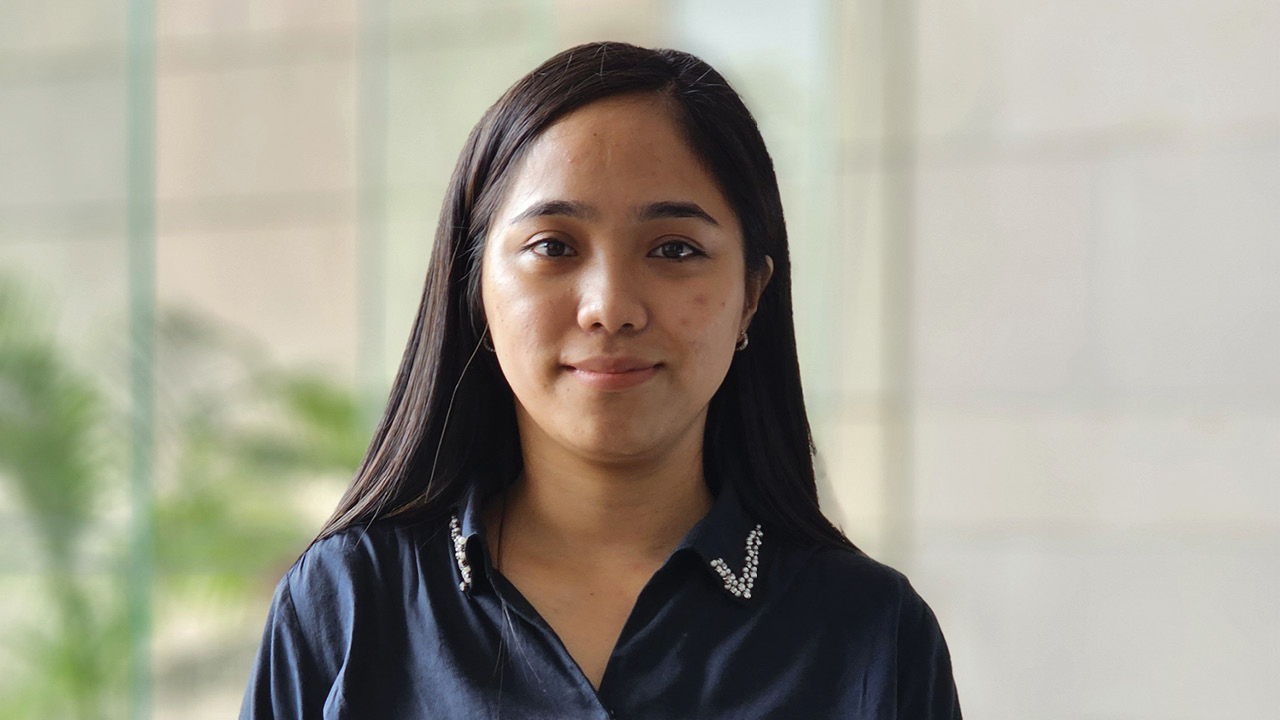
Emily Vanlalnunsangi – Empowering Mizoram’s Brightest Talent Through Education
Emily Vanlalnunsangi’s journey from Mizoram to the prestigious Faculty of Management Studies (FMS) at Delhi University is an inspiring testament to the power of education and government support.
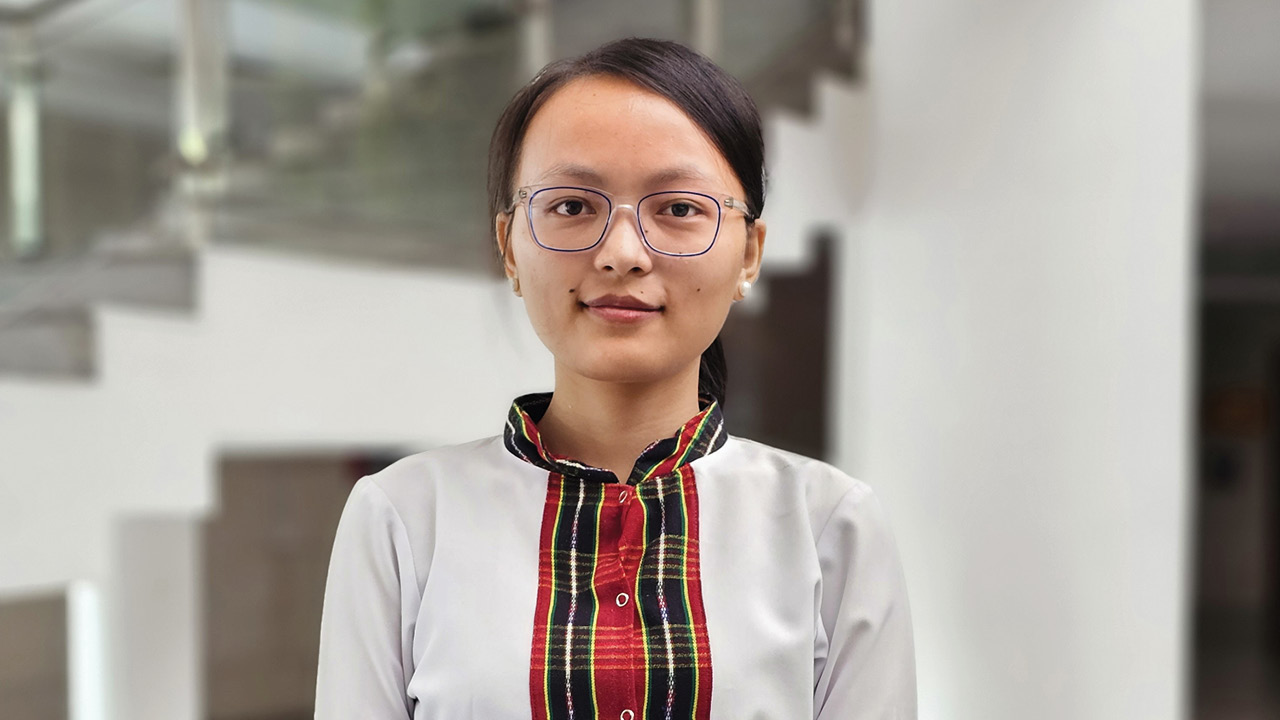
Baby Vungbiaklun – A Beacon of Hope from Manipur Pursuing Nursing at AIIMS
Baby Vungbiaklun’s journey from a remote village in Manipur to the hallowed halls of the All India Institute of Medical Sciences (AIIMS) in Delhi is a remarkable testament to the transformative impact of government support.

Empowering Dreams – Journey from a Tribal Village in Jharkhand to IHM Pusa, New Delhi
Hailing from the tribal community of Khariya in the Simdega district of Jharkhand, Anshu Mala embarked on a remarkable journey towards fulfilling her dream of becoming a chef, studying Hotel Management.
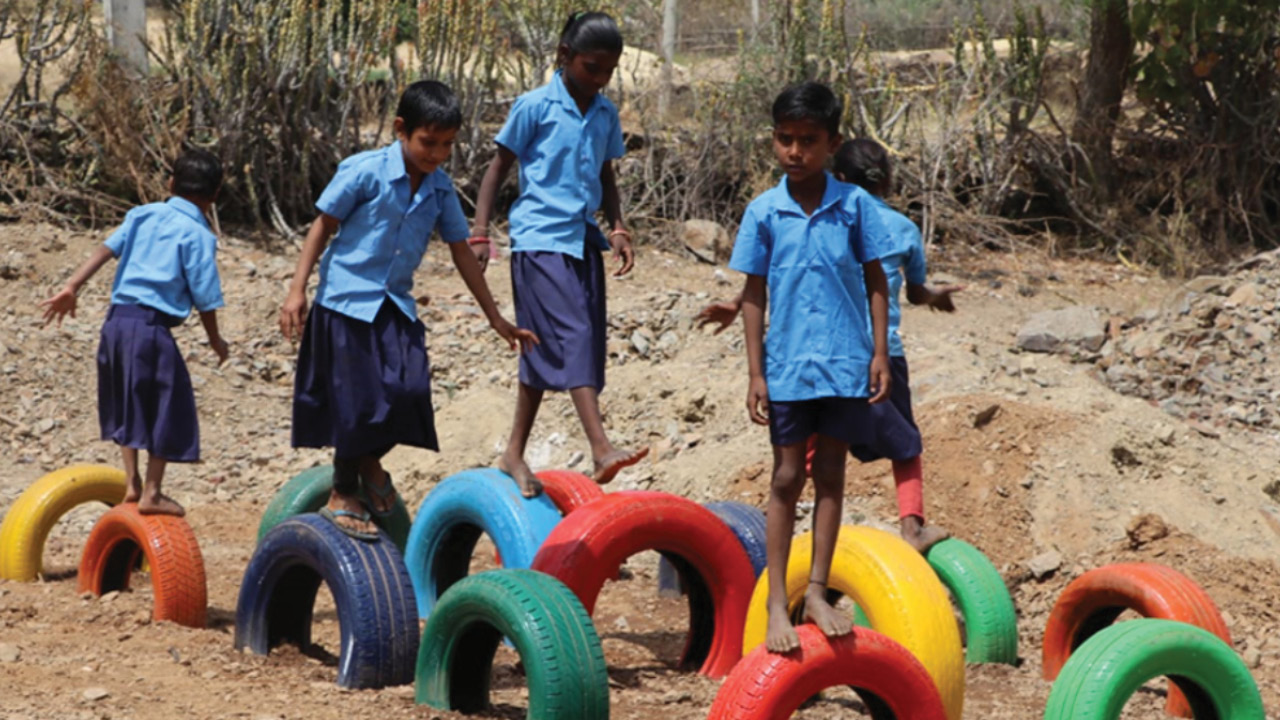
Bridging Educational and Nutritional Gaps through Maa Badi Centres in Tribal Rajasthan
Maa Badi Centres, a pioneering initiative by the Tribal Area Development Department of Rajasthan in collaboration with SWACH (Sanitation, Water and Community Health Project), aim to provide a holistic response to the twin challenges of poor educational access and undernutrition among tribal children.

Improving Disaster Resilience Among Tribal Communities Through the Tribal Disaster Management Plan, Wayanad
The district is highly prone to natural disasters such as landslides and floods and these risks are exacerbated by the geographical and social isolation of its tribal hamlets. The project set a precedent by actively mainstreaming tribal participation in disaster management.
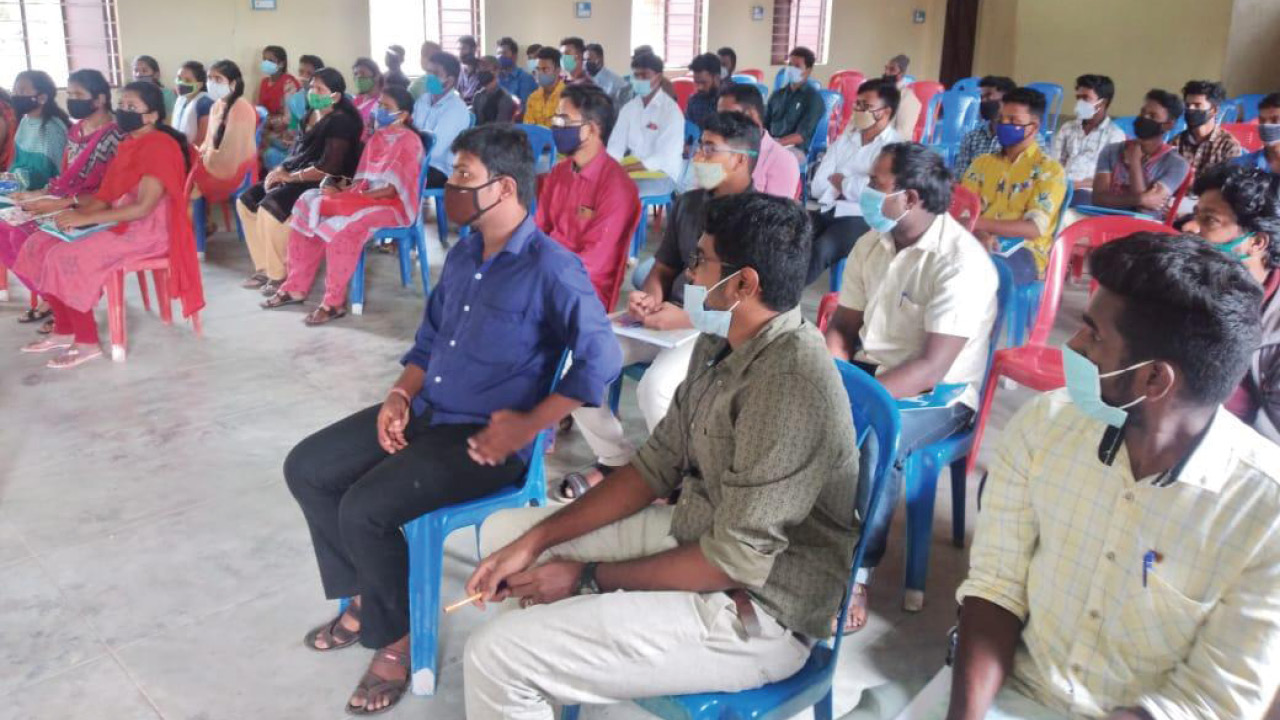
TORCH: Tribal Employment Outreach for Remote Communities in Erode
The initiative specifically aims to tackle the challenges of unemployment and lack of accessibility to skill development among tribal youth residing in remote hill areas. The project was conceptualized and executed to provide coaching for competitive examinations free of cost to tribal youth in remote villages of Thalavadi and Kadambur.
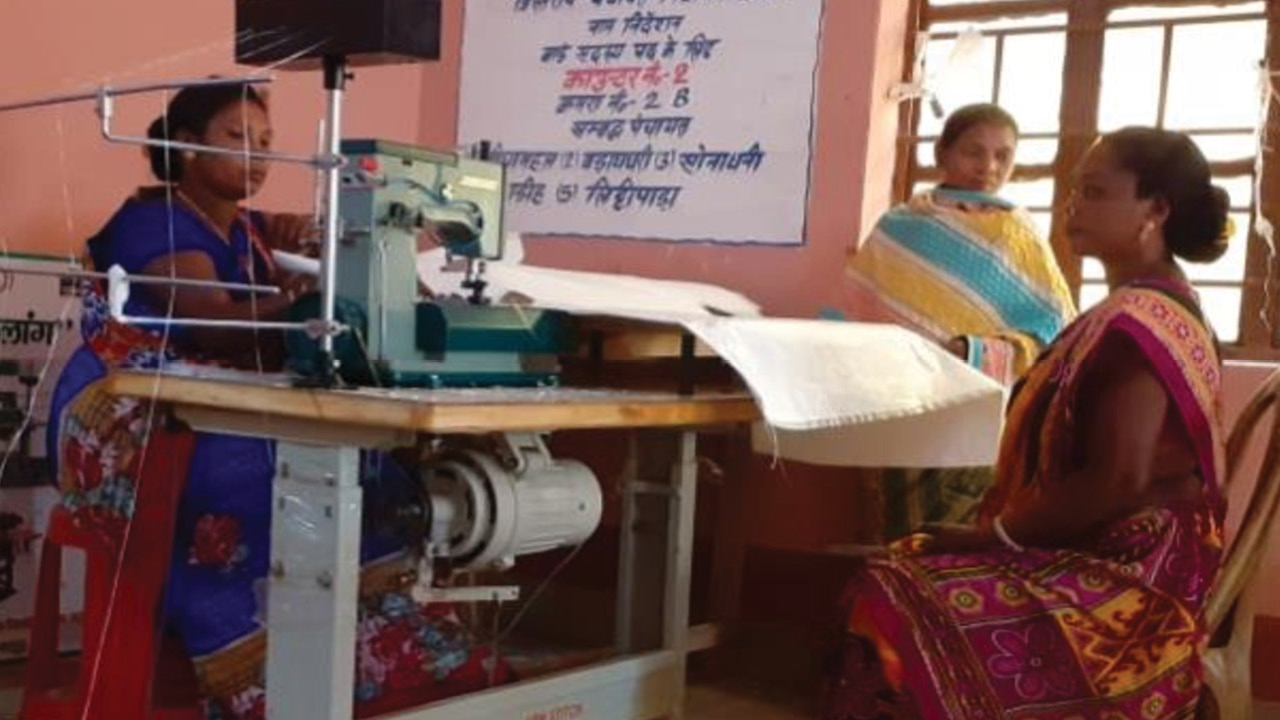
Gutu Galaang Kalyaan Trust: A Micro-Enterprise Model by PVTG Women in Jharkhand
Pakur district in Jharkhand is home to approximately 12,600 PVTG households, many of whom face acute poverty, social exclusion, and limited access to sustainable livelihoods. To address these challenges, the district administration initiated a unique intervention to empower PVTG women through entrepreneurship, resulting in the formation of the Gutu Galaang Kalyaan Trust, a micro-enterprise.
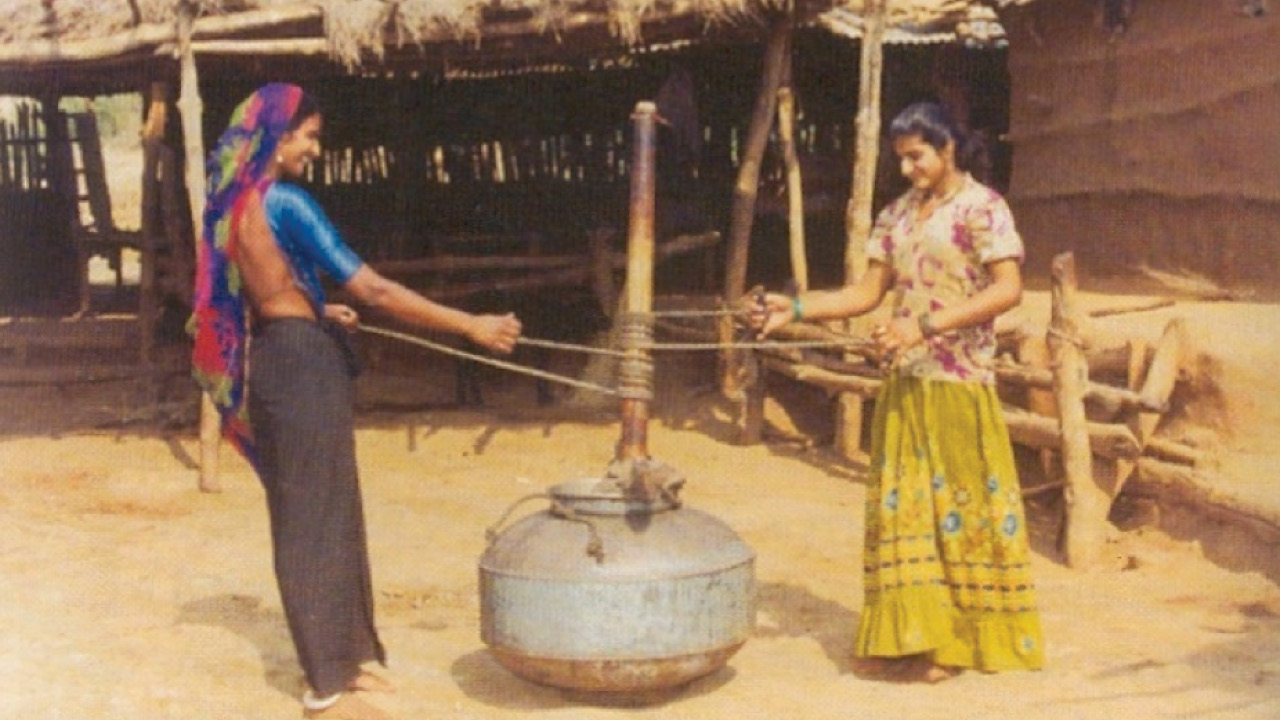
Samvedana: A Special Campaign for the Maldhari Tribe
The Gir Forest in Junagadh, Gujarat, is globally known as the habitat of the Asiatic Lion and is also home to the Maldhari tribe. Despite living within a protected forest region, the Maldharis had limited access to basic public services, government schemes, and civil infrastructure due to legal and geographical constraints. Recognising these challenges, the Junagadh District Administration launched the Samvedana initiative to deliver essential welfare services to the Maldhari community at their doorstep.
SC ST Health Care Project – Mancherial District, Telangana
The SC ST Health Care project, spearheaded by MPPS Jenda Venkatapur in Mancherial district, Telangana, is an initiative dedicated to improving the socio-economic and health conditions of the SC and ST communities. The project integrates healthcare, education, gender awareness, and economic development to address the multilayered challenges faced by these marginalized groups. The project covers approximately 1300 people and aims to offer holistic solutions.

Strengthening Tribal Futures through Quality Residential Schooling: The EMRS Model of Madhya Pradesh
Madhya Pradesh is home to one of India’s largest tribal populations, spread across remote forested geographies with low access to quality schooling. To bridge this gap, the State established EMRS under MPSARAS, fully residential, CBSE schools to provide quality upper primary, secondary and senior secondary education.
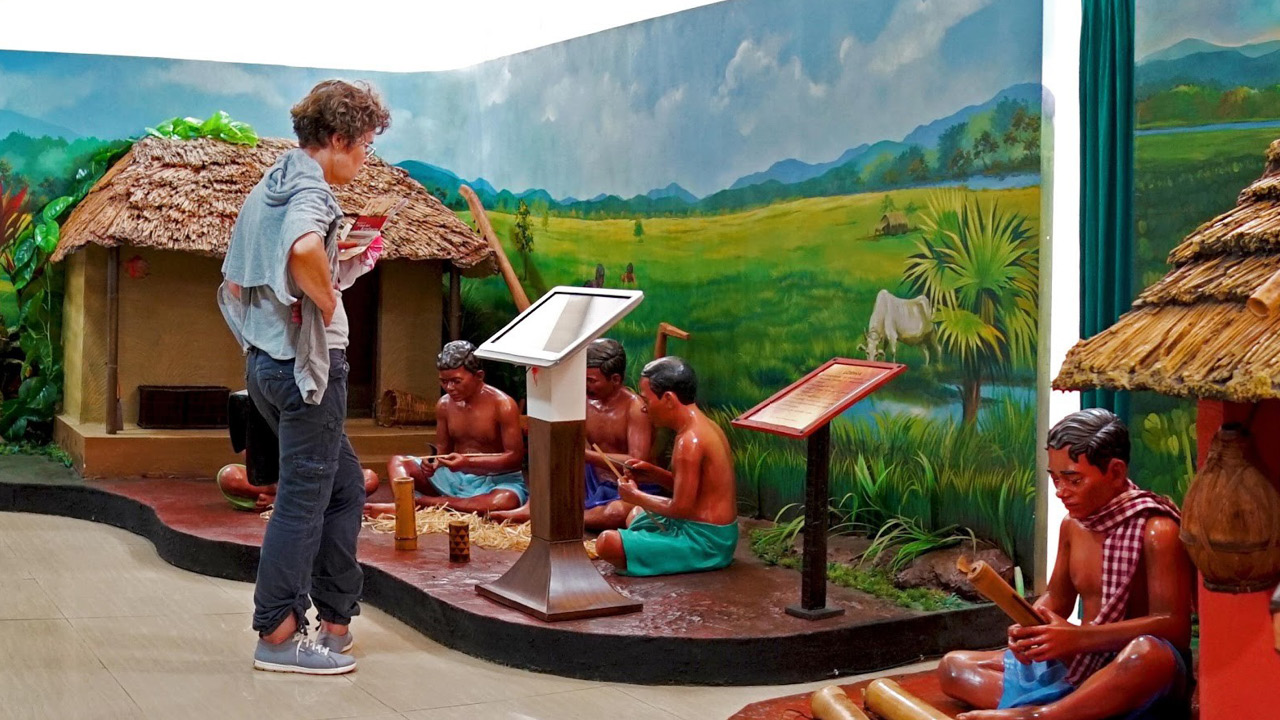
Digitising Heritage: Virtual Tour of Odisha State Tribal Museum
With an average pre-pandemic footfall of over 100,000 annually, the Odisha State Tribal Museum in Bhubaneswar had been a vibrant hub for scholars, students, tourists, and tribal art enthusiasts. When COVID-19 forced the museum to shut its doors, SCSTRTI leveraged technological innovation to ensure continued public access to the museum’s rich tribal heritage.

Tribal Udaan: Multi-Purpose Sports Hub & Recreational Park, Kanubari
Located in one of Arunachal Pradesh’s most remote, insurgency-affected and socio-economically challenged districts, Kanubari long struggled with a lack of structured recreational infrastructure. Children, youth, women, and elderly citizens had no dignified public spaces, leaving young people particularly vulnerable to negative influences.
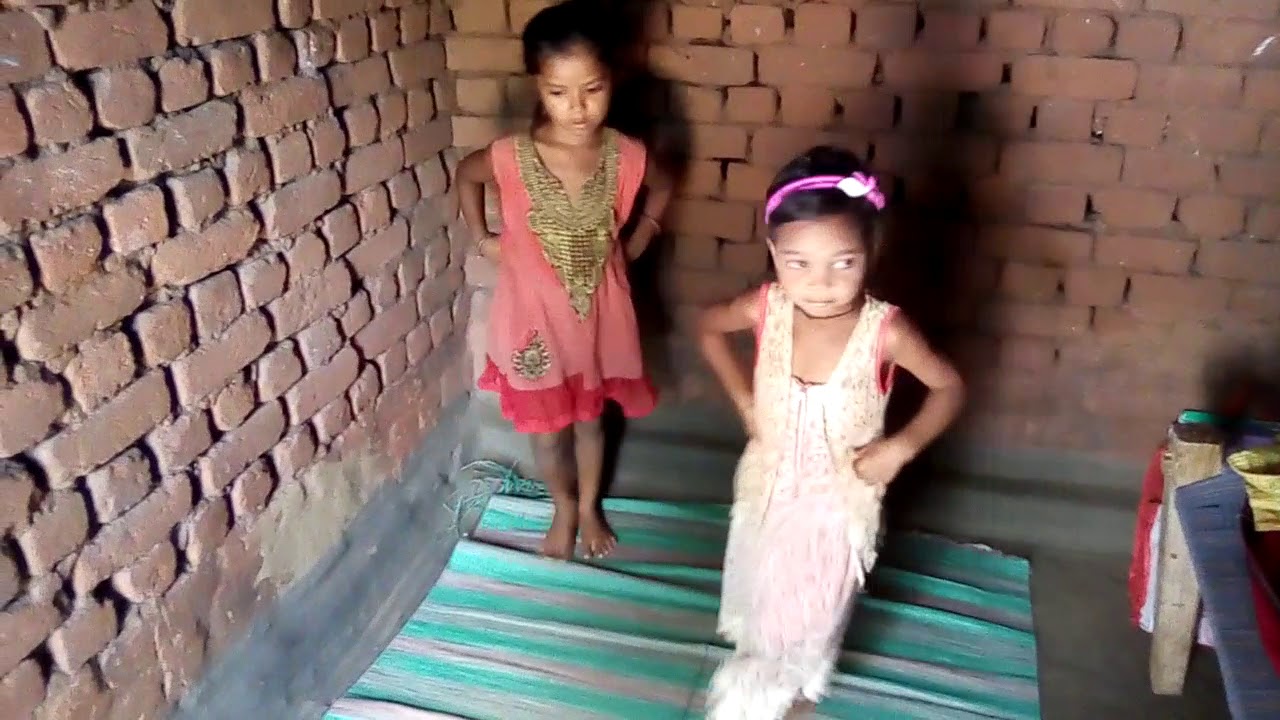
Mother Tongue ECCE Curriculum “Nua Arunima”
Language has been one of the most significant barriers to early education for these children, as many enter Anganwadi Centres where the language of instruction is unfamiliar. Recognising the need for equity and inclusion, the Government of Odisha introduced a mother tongue-based Early Childhood Care and Education (ECCE) curriculum titled “Nua Arunima” to bridge the linguistic gap.
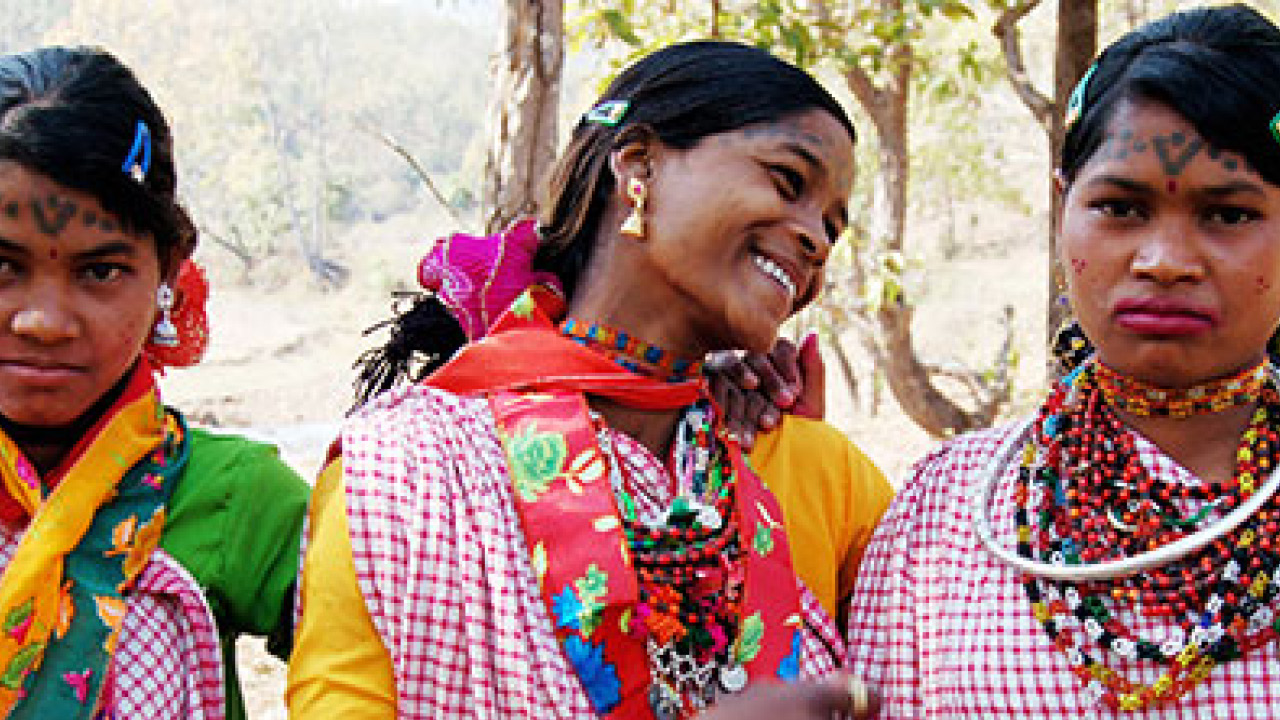
Empowering Tribal Communities through Digital Innovation: The Aadirang Initiative
Aadirang aims to digitally connect tribal artisans with the world through e-commerce, online education, digital community radio, and an online library. The initiative serves as a bridge between traditional knowledge systems and modern platforms, ensuring both the preservation of tribal heritage and the economic independence of its creators.
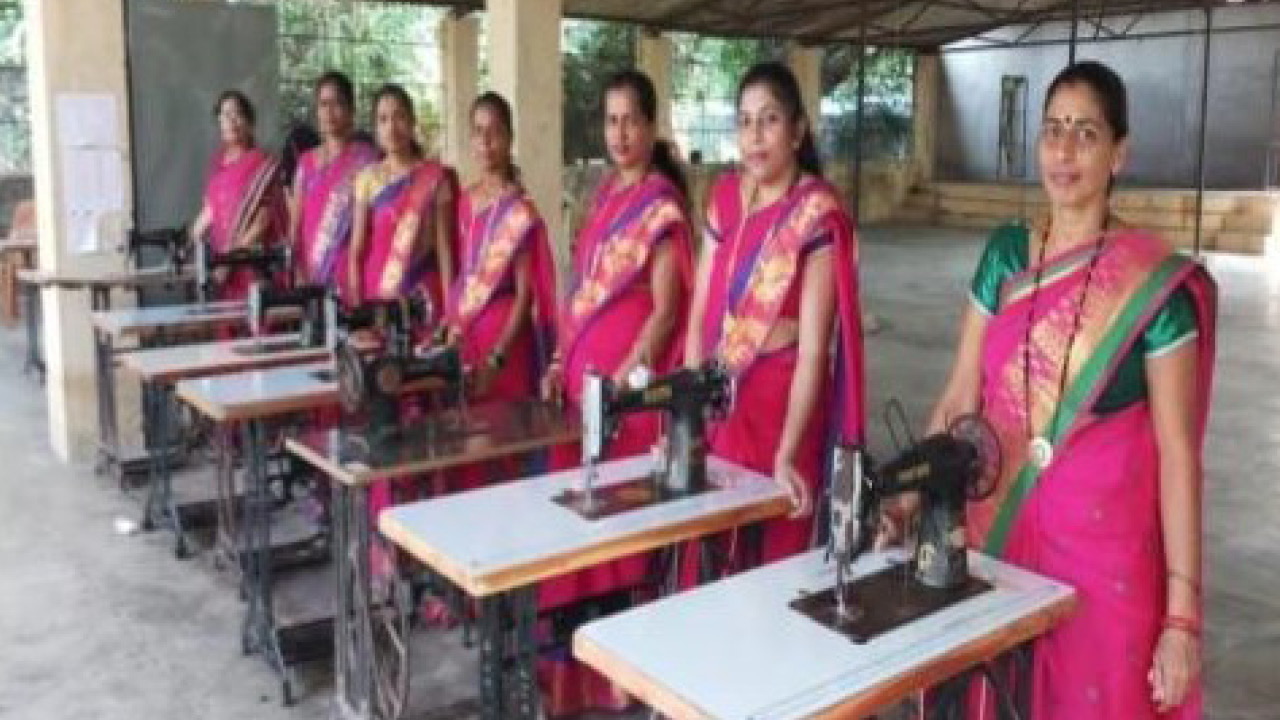
Empowering Tribes Through Rights and Resources: The TREE Programme in Palghar
TREE coordinated over 100 stakeholders across government departments, private institutions, and NGOs. It was not only celebrated at the state level but also received national recognition for its multidimensional strategy to uplift Scheduled Tribes in Maharashtra. The TREE Programme addressed fundamental rights, economic empowerment and health outcomes.
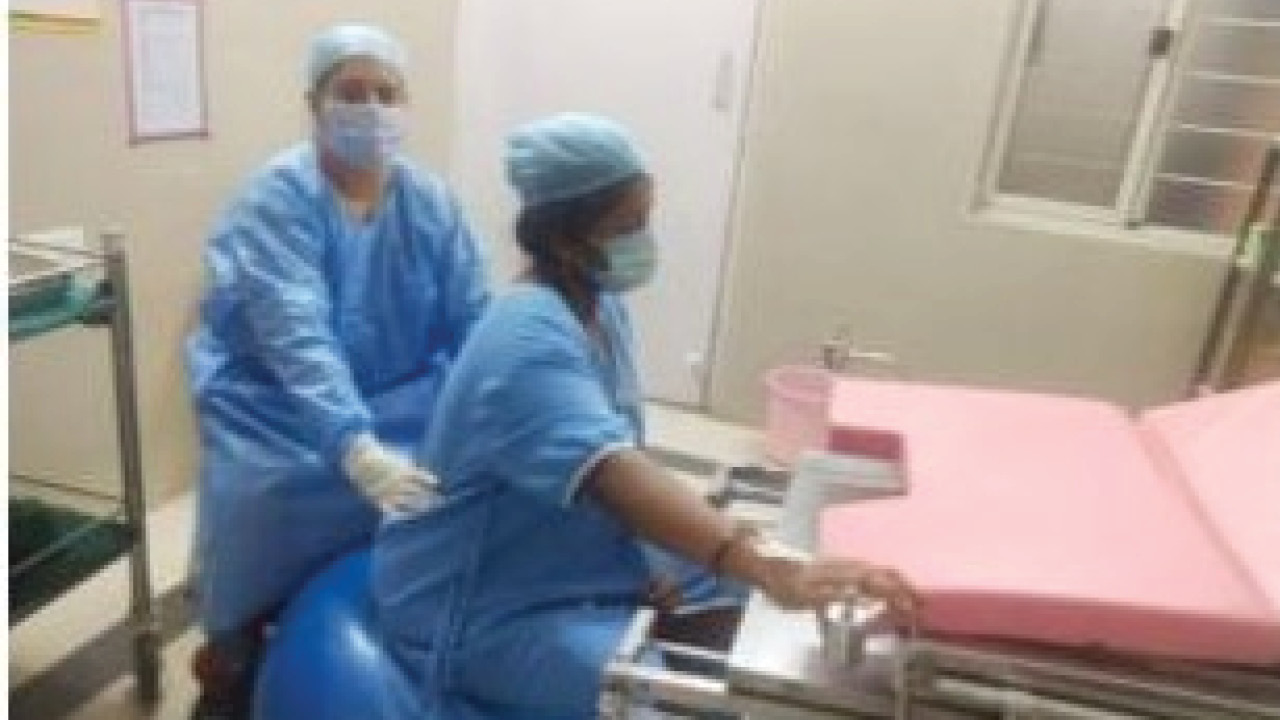
Better Health Care for Tribal Families in Bhadradri District
The district is predominantly tribal, with most of the population living below the poverty line and exhibiting high illiteracy rates. The health infrastructure includes 29 Primary Health Centres (PHCs), five Urban PHCs (UPHCs), four Community Health Centres (CHCs), one Area Hospital, and one District Hospital.
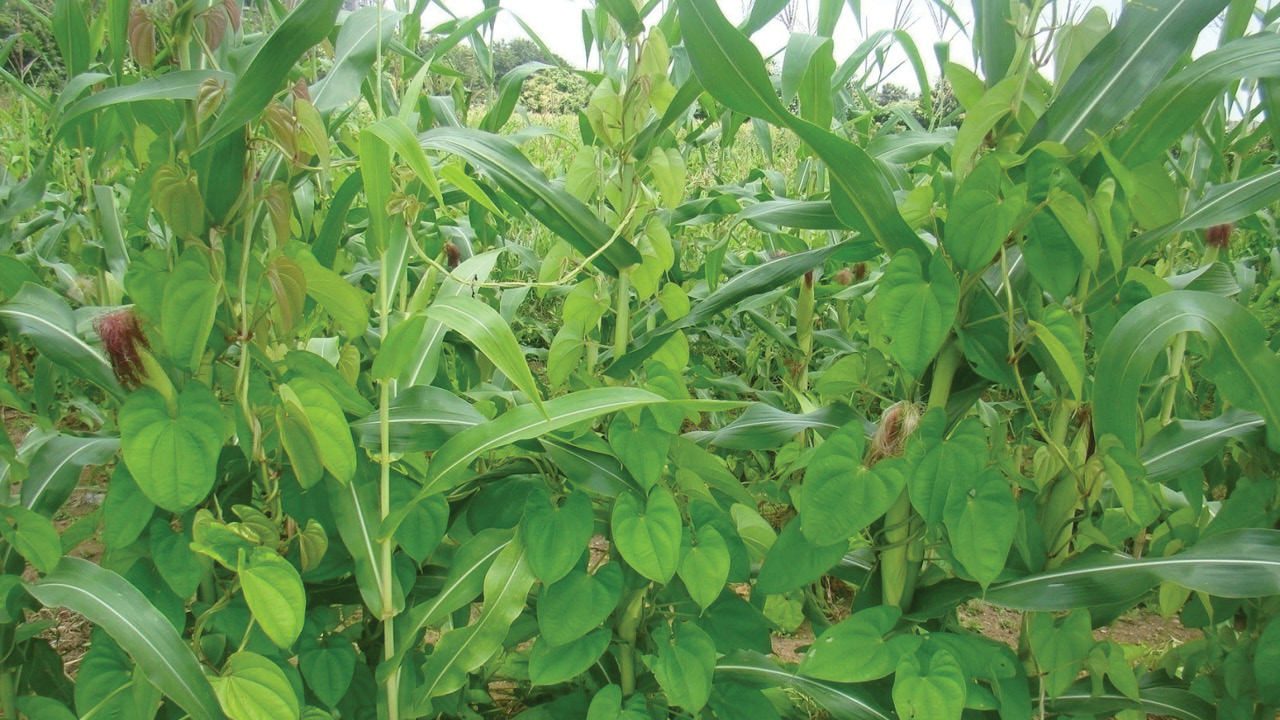
Regional Centre of ICAR-Central Tuber Crops Research Institute – Indian Council of Agricultural Research (ICAR)
The long storability of yams for 3-4 months helped farmers to get rid of food insecurity. Farmers were trained on value addition of crops. Earlier, most of the targeted tribal farmers were growing rice, ragi and maize. Few were aware of sweet potato cultivation in substantial quantities.
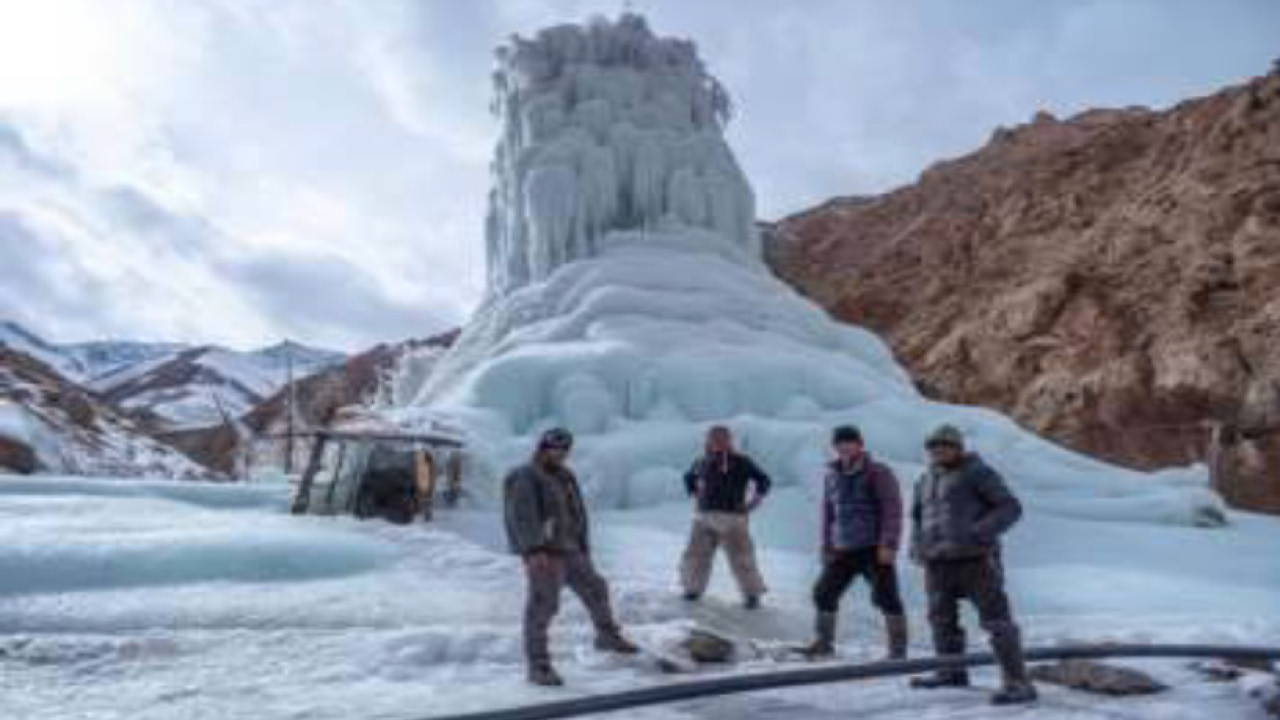
Reviving Ladakh’s Abandoned Hamlets through Ice-Stupa Innovation and Tribal Resilience
The initiative aims at rehabilitating deserted tribal villages through the construction of Ice-Stupas, artificial glaciers designed to store winter water and release it in spring, alongside allied efforts in eco-tourism and passive solar heating to make mountain settlements habitable. Farm-stays were developed for alternate livelihoods.
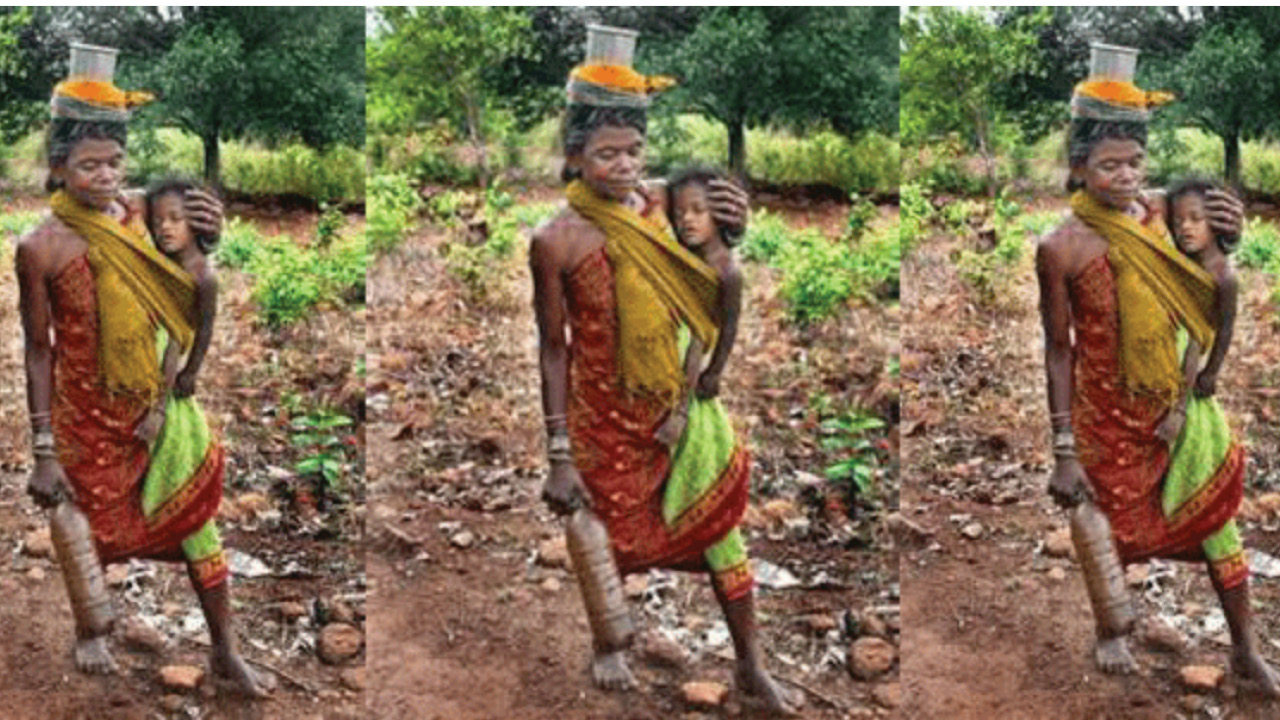
Innovation for Safe Delivery Among the Pregnant Women in Tribal Villages
This explores an innovative healthcare intervention aimed at ensuring safe delivery for pregnant women in remote tribal villages of Vizianagaram. The initiative addresses the dire need for maternal and neonatal care in hard-to-reach regions by providing institutional support, medical supervision, and nutritional guidance.

Sarvodaya in Action: Residential Schooling as a Social Equalizer in Uttar Pradesh
Aimed at bridging educational gaps and enabling inclusive growth, these schools provide free, high-quality education to socio-economically disadvantaged students in a structured and nurturing environment. Infrastructure akin to premier institutions it focuses on STEM and personality development.
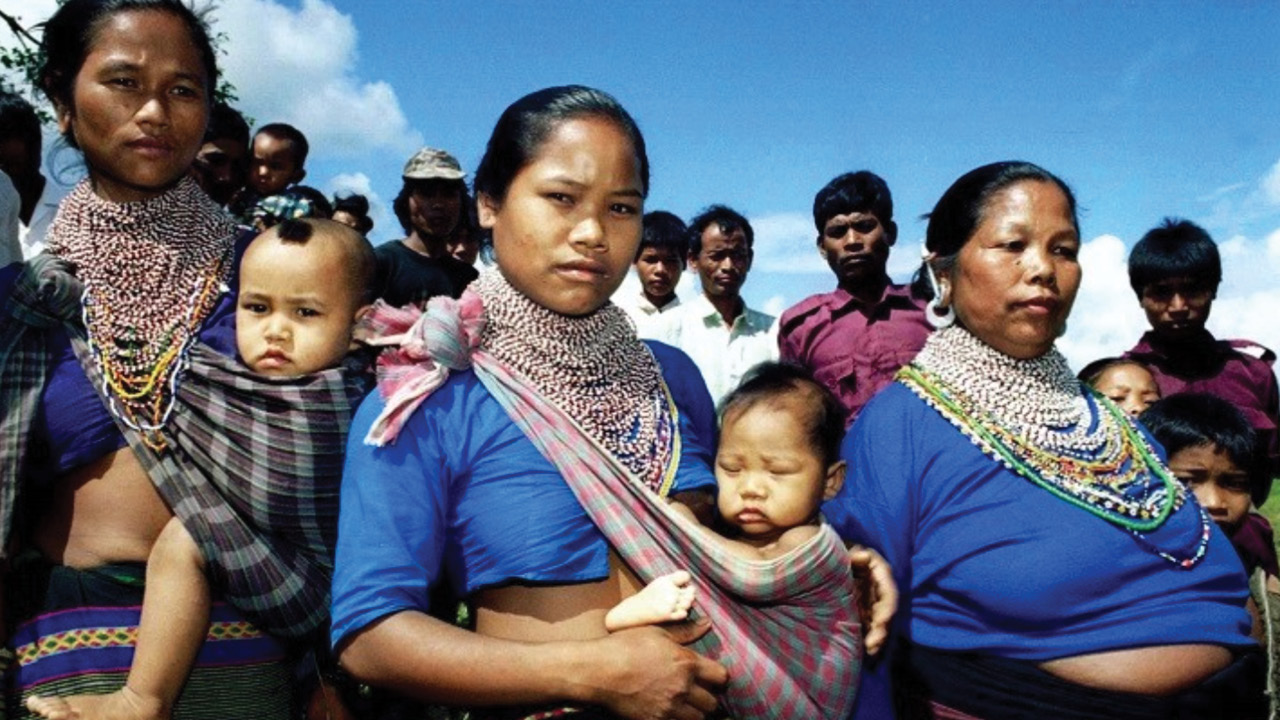
Restoring Dignity and Livelihoods: Household Flour Mills for Tribal Empowerment in Gujarat’s Hills
The initiative emerged from a deep understanding of the daily struggles faced by tribal women, who were walking long distances through treacherous terrain to grind grains, risking safety and spending hours on a task essential for survival. The project addressed multiple layers of hardship.
Empowering Tribes through Digitized Concessional Loans
Tribal communities in Maharashtra have historically struggled with access to formal credit due to a combination of systemic, infrastructural, and socio-economic barriers. The NSTFDC Based Loan Scheme and State Sponsored Loan Schemes were introduced to address these limitations through a digitized, inclusive financing model.
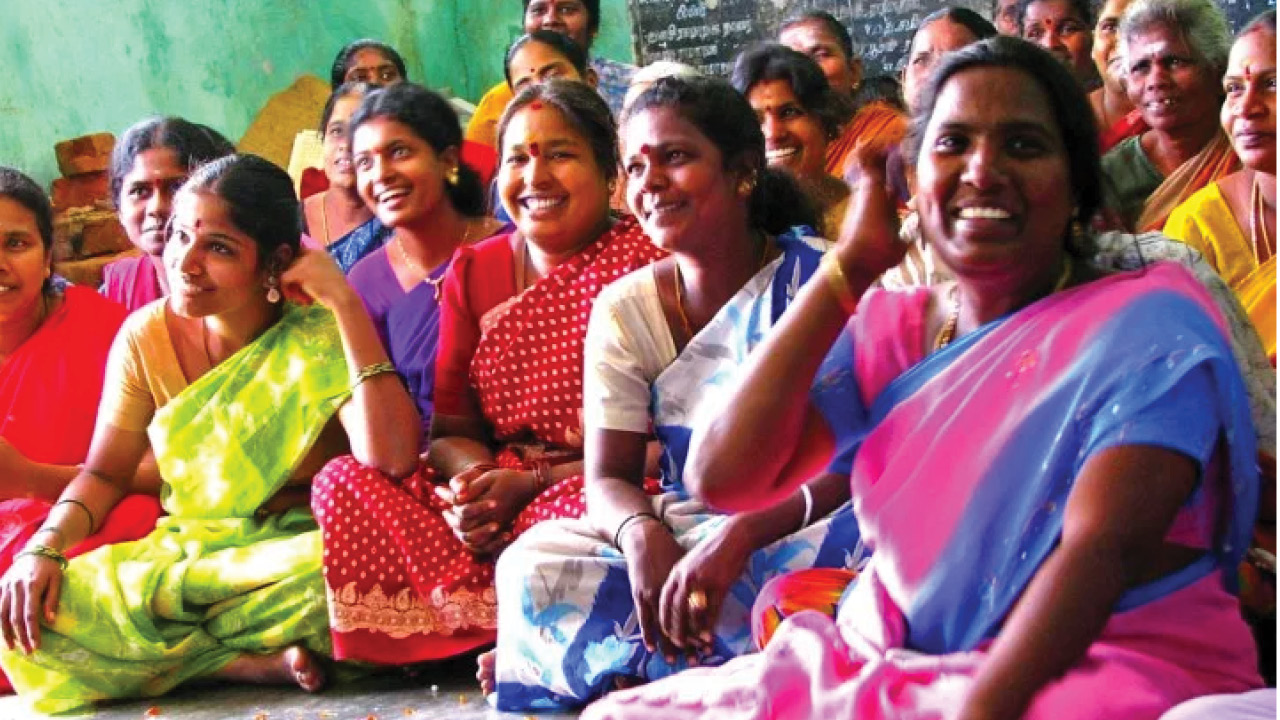
Empowering Tribal Women Through Dairy-Based Livelihoods in Gujarat
The Mahila Sashaktikaran Yojana (MSY), launched by the Gujarat Tribal Development Corporation in April 2007, is a pioneering livelihood programme aimed at empowering tribal women through self-employment in the dairy sector. Built on the foundation of community structures and financial inclusion, the project addresses systemic barriers.