DAMAMI Siddi Community Tourism: Empowering a Marginalized Tribe Through Cultural Eco-Tourism

DAMAMI Siddi Community Tourism: Empowering a Marginalized Tribe Through Cultural Eco-Tourism
Problem
- Underdeveloped eco-friendly tourism despite rich Siddi traditional knowledge, culture and evergreen forests; no structured tourism to generate income
- Economic hardships & limited job diversity among Siddi tribes; lack of stable income and livelihood opportunities
- Social & gender marginalisation, especially for Siddi women, is limiting their education, employment and empowerment
- Stereotypes and discrimination due to African ancestry affect social integration and community confidence
- Underutilised traditional medicine knowledge, rich herbal and healing practices not documented, valued or monetised
Solution
- Engaging Siddi families to identify needs, cultural assets, and tourism goals
- Constructing lodging, visitor facilities, providing hospitality, guiding and cultural preservation training
- Highlighting Siddi culture via social media, bloggers, and targeted tourism campaigns
- Assessing visitor satisfaction, environmental impact, and community benefits regularly
- Ensuring long-term eco-friendly practices, feedback-based improvements, and cultural integrity protection
Outcomes
- Promoted sustainable forest resource use through nature-based tourism, helping conserve biodiversity
- Socio-economic upliftment, especially of women-led SHGs, generating income and reducing marginalization
- Preservation of Siddi culture, traditions, music, dance, and the iconic “Damami” instrument; reduced stereotypes
- Strengthened environmental sustainability via waste management, carbon-neutral practices and sustainable agriculture
- Boosted rural entrepreneurship, enabling small enterprises and diverse tourism-related job opportunities
Project Details
Category: Rural Development – Women Empowerment and Gender Equality
Project Title: DAMAMI Siddi Community Tourism
Department or District: Zilla Panchayat Uttara Kannada
State: Karnataka
Start Date of the Project: 3rd March 2023
Website: https://www.damami.com
Tribe(s) that the Project Covers: The project primarily supports the Siddi tribal community, an Afro-Indian ethnic group residing in the Yellapura Taluka of Uttara Kannada district. Villages such as Lingadabayalu, Gullapura, Kelase, and Arabail were selected for direct and phased implementation.
Keywords: Siddi Tribe, Community Tourism, Eco-tourism, Afro-Indian Heritage, Tribal Empowerment, NRLM, Women SHG, Damami, Rural Development, Cultural Revival, Inclusive Tourism
This explores an innovative tribal empowerment initiative launched in Uttara Kannada, Karnataka, through the DAMAMI Siddi Community Tourism project. It aims to blend sustainable eco-tourism with cultural revitalization and socio-economic development for the historically marginalized Siddi tribe. The Siddis, believed to be descendants of the Bantu people from Southeast Africa, have long remained outside the mainstream developmental agenda. This initiative seeks to bridge that gap by enabling the community to showcase their rich heritage while earning dignified livelihoods.
The Project
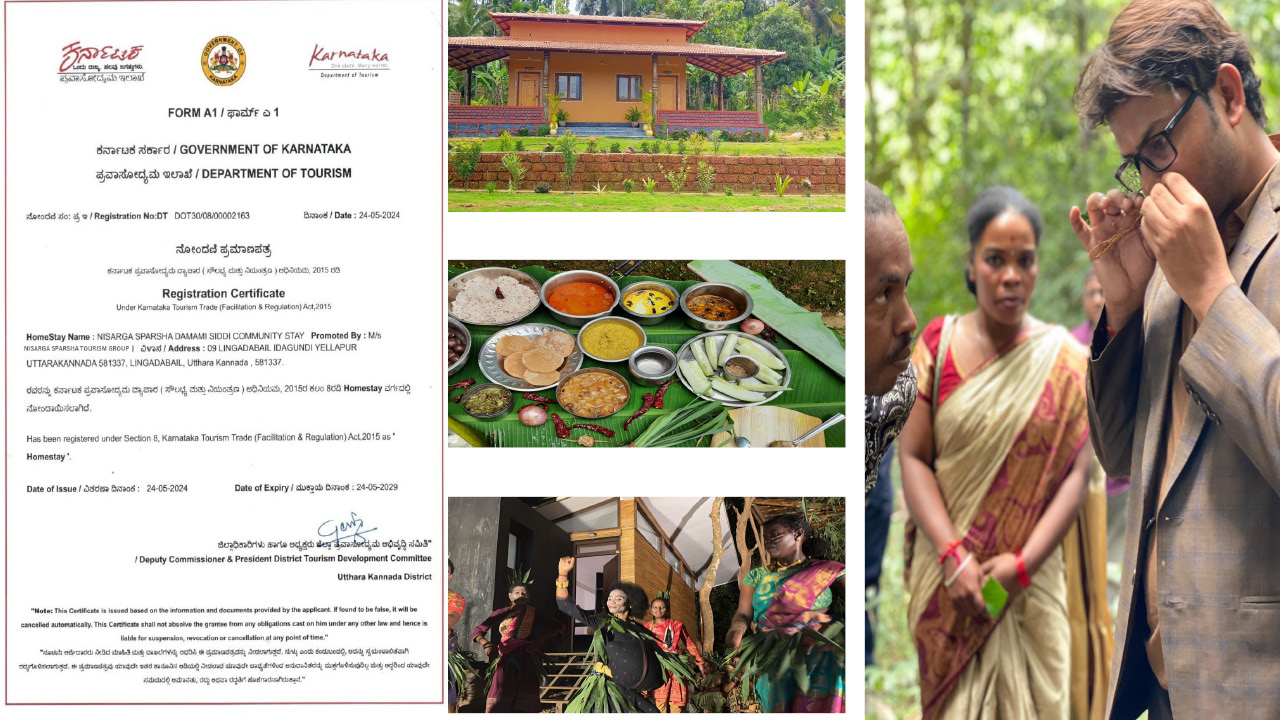
The DAMAMI project, developed under the DAY-NRLM and executed by Zilla Panchayat Uttara Kannada, is centered around the Nisarga Sparsha Community Tourism Group—a Self-Help Group led entirely by Siddi women. Through eco-friendly homestays, cultural exchanges, and forest-based tourism activities, the project offers immersive experiences that include culinary workshops, traditional medicine sessions, nature walks, and musical performances. These experiences not only attract tourists but also place the Siddi culture at the heart of community-driven development.
Problems that it Intends to Solve
The project addresses multiple challenges faced by the Siddi community:
- The first is economic exclusion, characterized by limited employment opportunities and a lack of diversified livelihoods.
- Secondly, Siddi women, in particular, face dual marginalization, social and economic, which restricts their access to income-generating activities.
- Furthermore, the community continues to face racial stereotyping due to their African ancestry, which affects their social integration and public perception.
- Another area of concern is the underutilization of the Siddis’ traditional medicinal knowledge, which holds immense value for grassroots healthcare.
- Lastly, the absence of any organized tourism model in their region, despite the abundance of natural and cultural assets, has stunted local economic development.
What was the Need
There was a pressing need to create alternative income streams that aligned with the Siddi community’s cultural strengths. Despite possessing traditional knowledge, forest-based skills, and cultural vibrancy, the community lacked the infrastructure and institutional support to commercialize these assets. The introduction of community-based tourism served as a vehicle for cultural preservation, economic empowerment, and environmental conservation, offering a sustainable model that also contributed to achieving various SDGs. It also provided a platform for the Siddis to challenge dominant stereotypes and reshape their own narrative.
What Hindered its Introduction
Several barriers delayed the onset of the project. One of the foremost was the lack of infrastructure- roads, lodging facilities, sanitation, and digital connectivity. Skepticism within the community about engaging with outsiders and showcasing their private spaces also posed a significant challenge. Moreover, there were procedural delays in accessing funds and aligning inter-departmental resources. Another hurdle was the absence of tourism-specific skills within the community, such as hospitality management, customer interaction, and language proficiency, all of which required intensive training and handholding.
Process Followed for Implementation
The Zilla Panchayat Uttara Kannada provided strategic leadership and resource coordination. Under the guidance of CEO Iswar Kumar Kandoo (IAS), the project was mapped to various central and state government schemes including NRLM and MGNREGA, thereby ensuring financial support and departmental convergence. Line departments supported infrastructure development, skill-building workshops, and marketing efforts, while continuous monitoring ensured timely course corrections.
Organizations like Kabani played an instrumental role in the conceptualization and implementation phase. They facilitated community consultations, offered technical support for homestay construction, and conducted training programs in eco-tourism, hygiene, waste management, and culinary arts. NGOs also supported the branding and promotion of DAMAMI through digital platforms and offline events.
The project is community-owned and operated, with Siddi women leading from the front. From ideation to operations, local voices have shaped its direction. SHGs like Nisarga Sparsha took charge of managing homestays, guiding forest tours, cooking traditional meals, and maintaining visitor facilities. Community members also participated in mapping trekking routes, identifying medicinal plants, and performing traditional music and dance, thus embedding cultural ownership at every step.
Solutions Implemented
A phased implementation strategy was adopted. In Phase I, extensive village-level consultations were conducted. Phase II involved training in hospitality, heritage documentation, and infrastructure development using locally available materials. In Phase III, community members were trained in culinary presentation, guiding, waste segregation, and digital promotion. Phase IV saw the inauguration of eco-homestays in Lingadabayalu, followed by structured market linkages supported by tourism platforms like Suyatri. Phase V is ongoing and focuses on expanding offerings such as stargazing, Siddi quilt-making, and research collaborations with academic institutions.
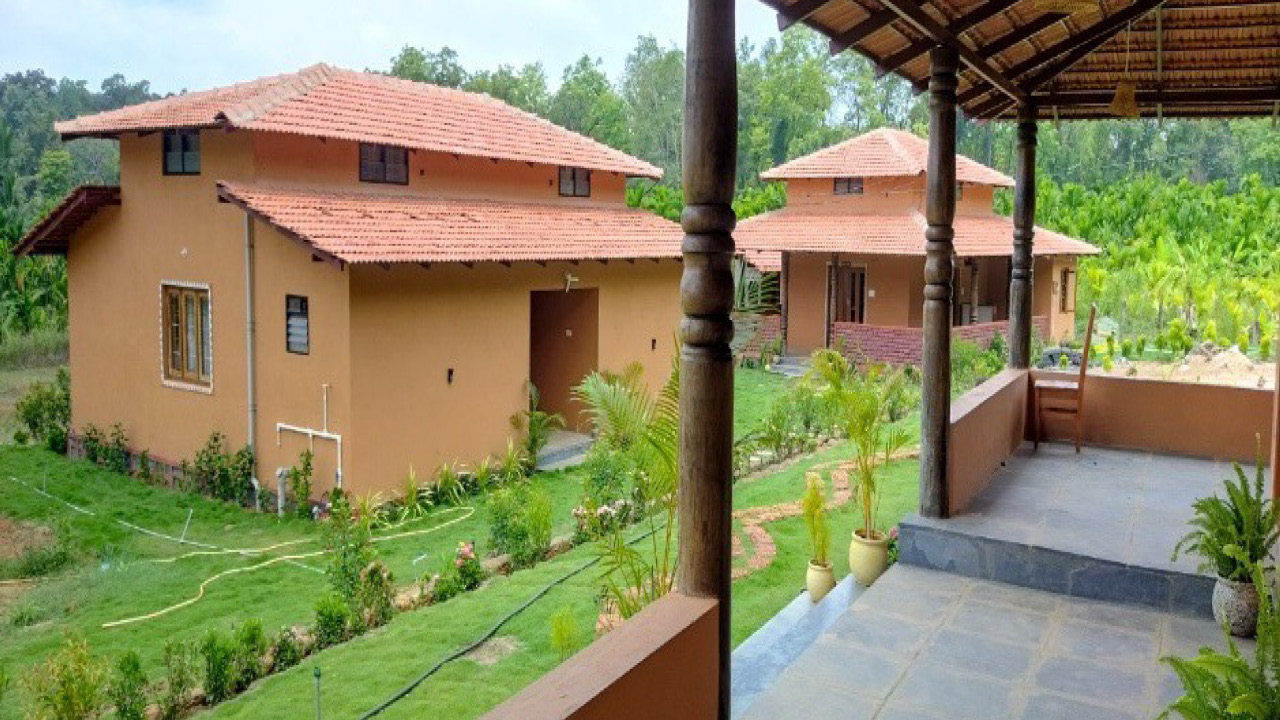
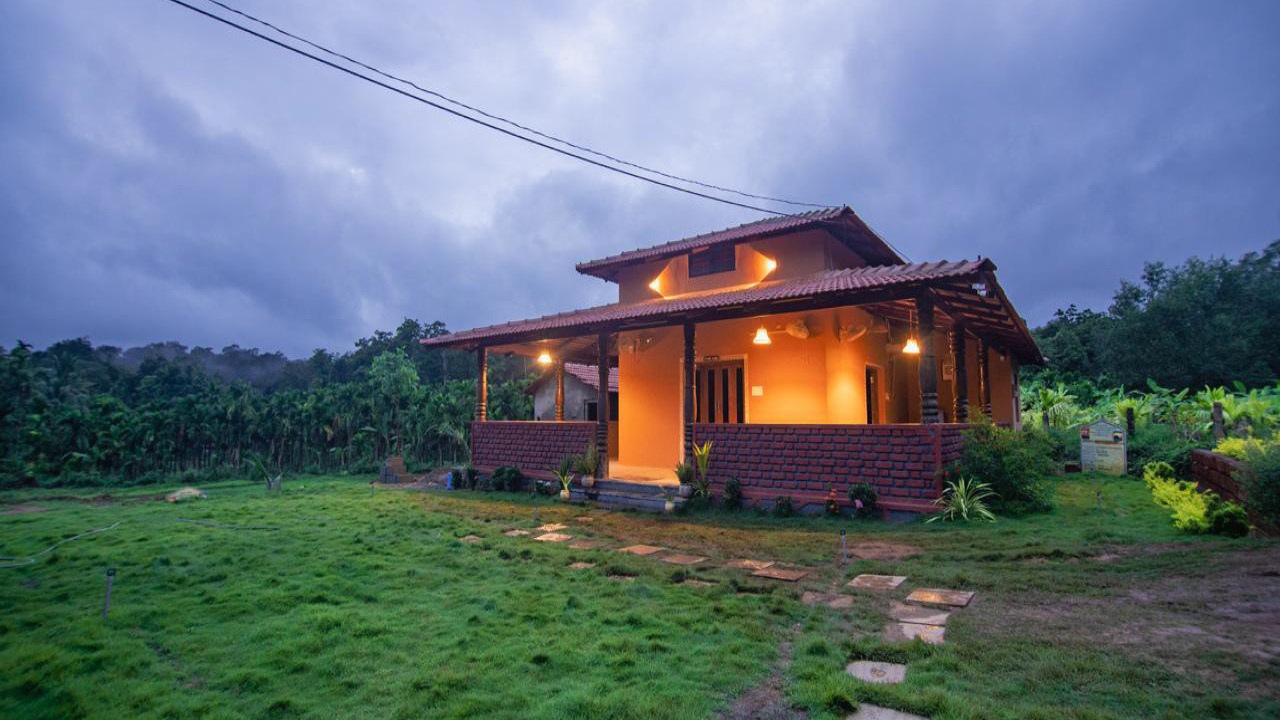
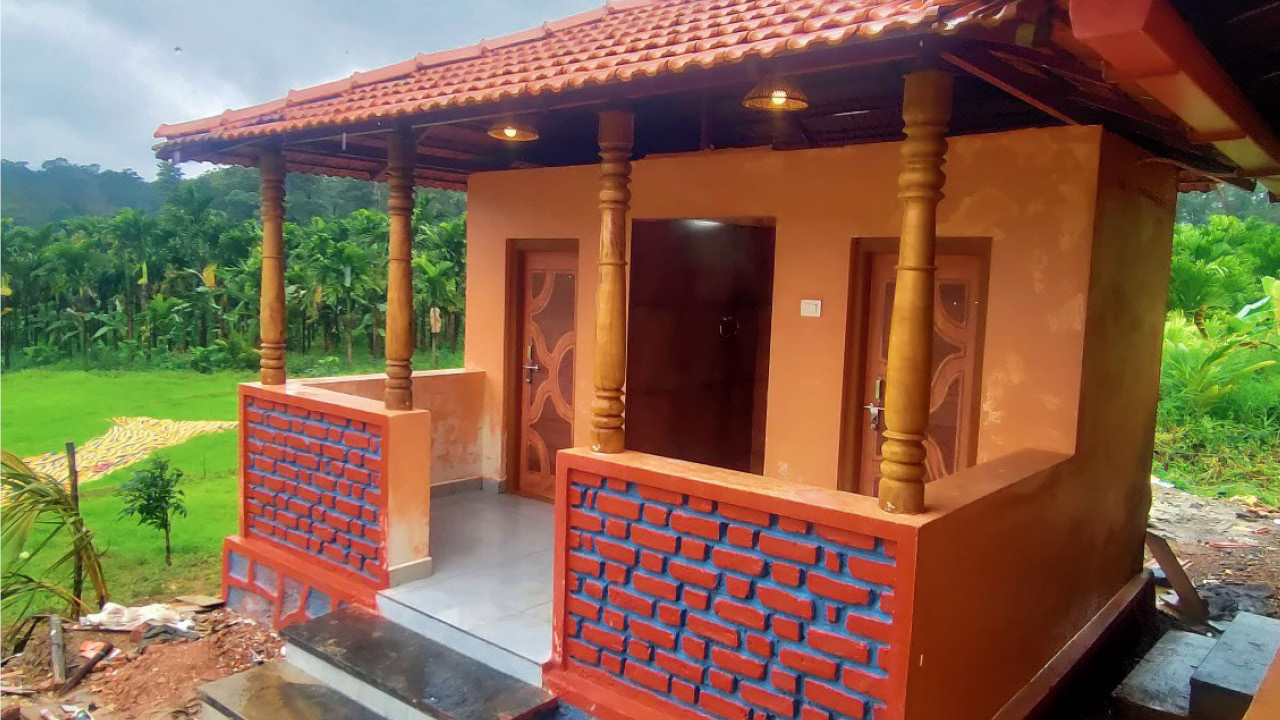
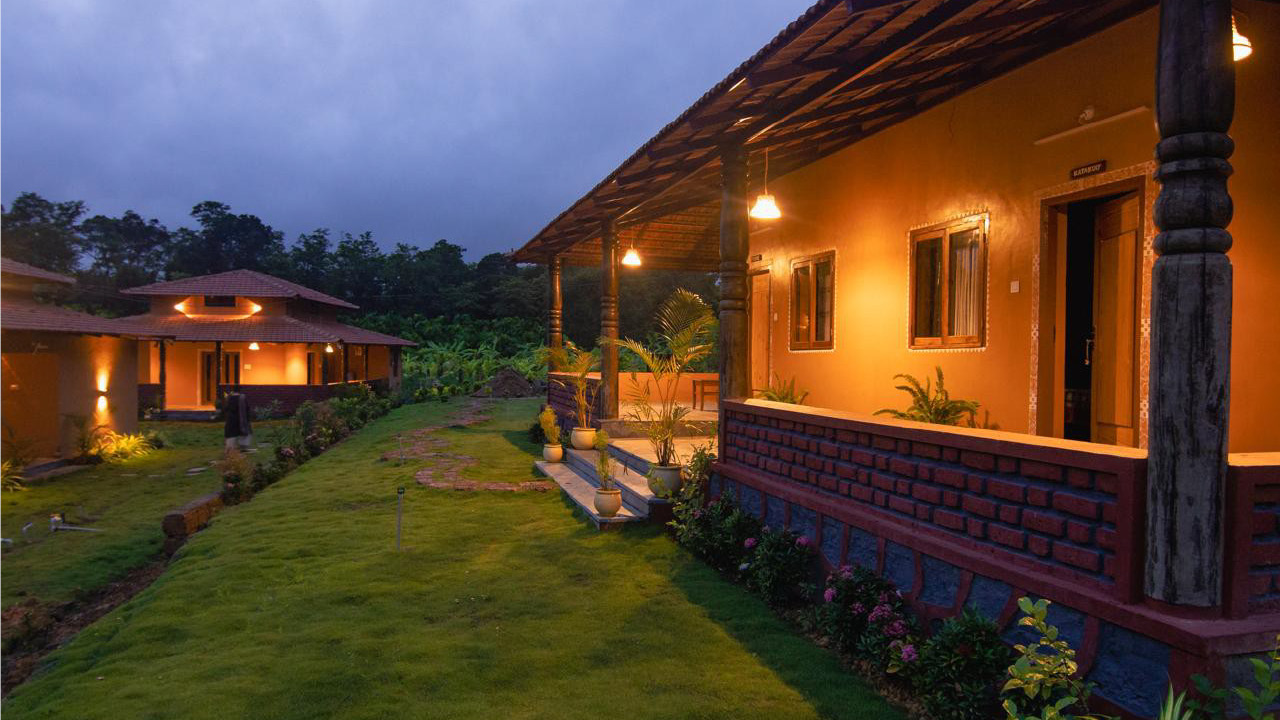
The project currently covers four villages and directly involves 105 Siddi families, with an extended reach to 336 external beneficiaries. Homestay units have been constructed using traditional Siddi architecture, and tourism packages now include cultural immersion, forest treks, and performances. The initiative has gained visibility both locally and outside Karnataka, with increasing participation from research scholars and ecotourists.
Innovation and Unique Features
DAMAMI stands out for its innovative integration of cultural identity with tourism entrepreneurship. It is one of the first tribal tourism models in India led entirely by women of African descent. The use of eco-construction, carbon-neutral operations, and a hyper-localized visitor experience distinguishes it from conventional tourism projects. By using tourism as a tool for racial and gender justice, the project goes beyond economic benefits to reposition the Siddi community within the national consciousness.
Several innovative methods were introduced. Technology was leveraged for branding and promotion using social media, QR codes, and geo-tagging. Capacity building was extensive, involving hands-on workshops, exposure visits, and multilingual training. Cultural sensitivity was a cornerstone of design and homestays were crafted to preserve family structures, and rituals and storytelling were embedded into the tourist itinerary to maintain authenticity.
The entire solution emerged through co-creation with the Siddi community. Elders, SHG leaders, and local youth contributed knowledge of traditions, forest trails, and medicinal herbs. Their inputs helped shape the tourism circuits, design the homestays, and identify sustainable practices compatible with local values.
Based on real-time feedback, several adaptations were made. Meals were adjusted to suit both traditional and visitor preferences. Tour packages were restructured to include Siddi haircare traditions, music performances, and quilt-making workshops. Cultural workshops were tailored for visiting researchers and school groups. Infrastructural plans were updated to ensure accessibility for differently-abled tourists.
Challenges Before Implementation
The community lacked prior experience in entrepreneurship or tourism. There were skill gaps, a hesitancy to interact with outsiders, and low confidence levels among women. Logistically, villages were scattered and disconnected, making coordination difficult.
Lack of existing tourism infrastructure and seasonal accessibility posed a challenge. Cultural stereotypes about the community often created hesitation among potential visitors and collaborators. Additionally, there was limited initial interest from private tourism platforms in engaging with a tribal-led initiative.
Multi-layered awareness programs, strategic partnerships, and community dialogues helped build acceptance. Financial incentives were provided through government schemes. NGOs conducted rigorous sensitization campaigns to prepare both community members and external stakeholders for mutual respect and collaboration.
Challenges During Implementation
Maintaining consistent service quality and managing guest expectations without diluting cultural integrity was a key internal challenge. There was also the risk of fatigue among SHG members, who had to balance personal responsibilities with professional tasks.
Tourist footfall was initially unpredictable, affecting income flow. Moreover, legal and environmental compliances related to eco-tourism required technical expertise and timely documentation. Seasonal changes disrupted access and delivery of services.
Solutions included building buffer funds, creating a seasonal calendar of events, and onboarding interns and volunteers for peak seasons. Environmental consultants were engaged to ensure regulatory adherence. Local tourism ambassadors were trained to diversify responsibilities and reduce dependence on core SHG members.
Outcomes
The project benefited over 336 people directly and indirectly. Four Siddi villages are now active tourism sites. New employment opportunities have emerged in areas like handicrafts, guiding, and culinary arts. Product diversification, such as herbal kits and traditional quilts has also begun.
Siddi women have gained confidence, income security, and leadership skills. Tourists have left with deeper appreciation for Afro-Indian culture, leading to increased social inclusion. There is a growing sense of pride within the community about their history and knowledge systems.
A mixed monitoring model has been adopted, with the SHG managing daily operations, while the Gram Panchayat and Kabani team ensure periodic reviews. Visitor feedback forms, quarterly assessments, and income tracking provide data for continuous improvement.
Primary beneficiaries include Siddi women and their families, especially in the villages of Lingadabayalu, Gullapura, Kelase, and Arabail. Secondary beneficiaries range from local artisans to researchers, eco-tourists, and rural service providers whose livelihoods have been positively impacted.
Replicability / Scalability / Sustainability
- DAMAMI aligns well with state tourism and tribal welfare policies and contributes directly to multiple SDGs. It can easily be integrated into rural development strategies across India.
- Minimal capital investment is required due to the use of existing government schemes. Revenue from tourism made the model self-sustaining at the pilot level itself.
- The model’s low-cost, high-impact design makes it an attractive blueprint for culturally-rooted tourism across India.