

Inflaming Ambitions, Eklavya Model Residential School, Liang, Sundergarh, Odisha
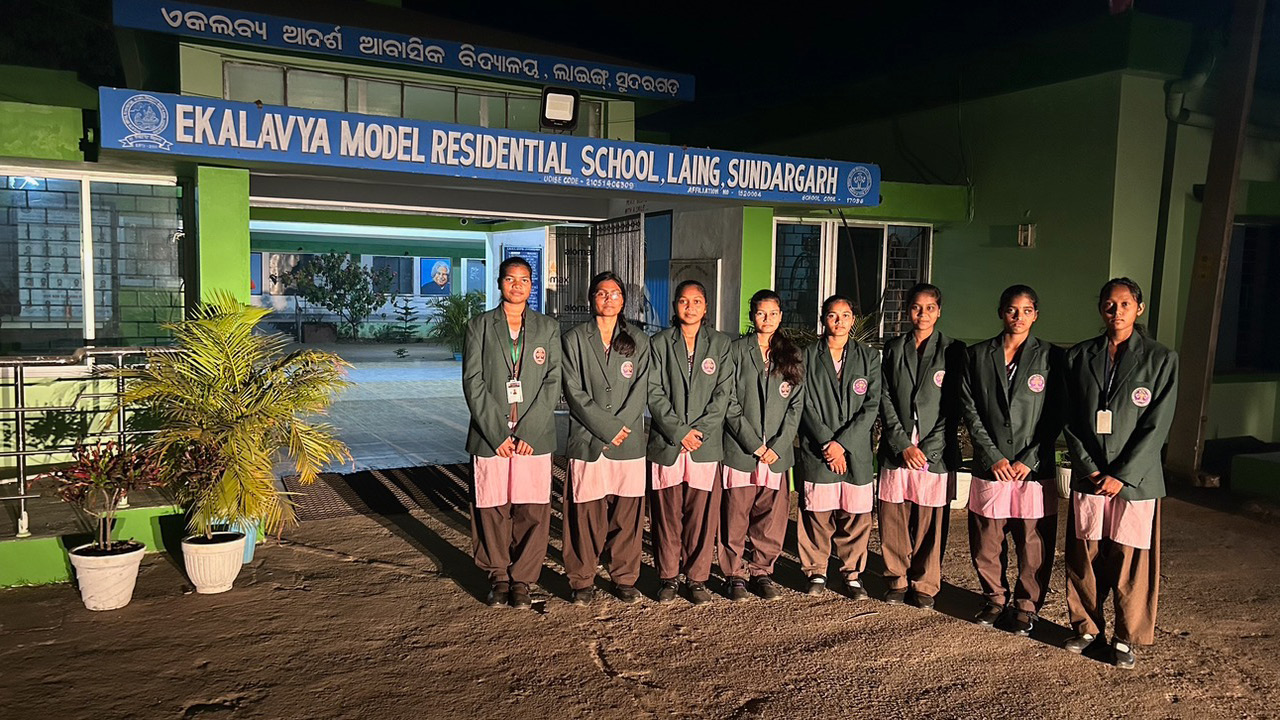
Inflaming Ambitions, Eklavya Model Residential School, Liang, Sundergarh, Odisha
Problem
- Poor access to education
- Only primary school education was available
- High dropout rate
- Poor focus on girl child education
- Local language pedagogy
- Zero incentive for educating children
- Near zero learning outcomes
- Children absorbed in farm economy
Solution
- Setting up of a modern school facility English medium
- Fully residential school
- Introduction of state level curriculum to start with
- Upgradation to CBSE
- Education till 12th Grade
- Smart Classroom, Science & ICT Labs set up
Outcomes
- Full support to education at no cost
- State and national level exposure
- Chance to excel in education and sports
- Recognition at the national level
- Zero dropout rate, equal opportunities to both boys and girls
- Students finding jobs in corporates, PSUs and government
Project Details
Category: Education – EMRS
Project Title: Eklavya Model Residential School, Liang, Sundargarh
Department or District: Ministry of Tribal Affairs & ST & SC Welfare Department, Government of Odisha
State: Odisha
Start Date of the Project: 2007
Website: https://stscarticle.odisha.gov.in/
Tribe(s) that the Project Covers: The project serves tribal students in Sundargarh district, Odisha, including those from various Scheduled Tribe communities residing in Liang and surrounding areas.
Keywords: EMRS, Liang EMRS, Tribal Education, Tribal Student Ambition, Residential Education, Tribal Empowerment, Government Scheme, EMRS Policy, Quality Education for ST, Youth Aspirations
This captures how the Eklavya Model Residential School (EMRS) at Liang, Sundargarh nurtured the aspirations of tribal youth beyond routine education. EMRSs are designed to bring tribal students into a mainstream, high-quality academic environment while preserving their cultural identity. The Liang EMRS stands as a testament to this vision, offering tribal students’ holistic education and exposure that help fuel their ambition to participate meaningfully in national life.
The Project
The Liang EMRS is part of a broader national expansion of Eklavya Model Residential Schools aimed at ensuring access to quality, CBSE-aligned education for tribal students. The school provides residential facilities, free education, extracurricular opportunities, and cultural exposure in an English-medium framework. One standout achievement from Liang was the selection of Manisha K among 43 students invited to meet the Hon’ble President of India in New Delhi — she was the lone representative from her school, highlighting the transformational potential of EMRS.
Problems that it Intends to Solve
The EMRS initiative tackles deep-rooted educational inequalities faced by tribal communities. Inadequate infrastructure, lack of quality teaching, high dropout rates, and limited exposure to competitive futures are chronic challenges in tribal areas. Many tribal children have minimal access to modern schooling, and thereby fewer opportunities for academic or professional growth. EMRS targets these gaps by offering comprehensive education embedded within tribal contexts.
What was the Need
Tribal regions like Liang have historically lacked high-standard academic institutions. The need was to provide a residential schooling model that removes economic barriers, integrates cultural relevance, and fosters ambition. By offering access to advanced education, exposure beyond the classroom, and platforms to engage with national processes, EMRS was envisioned as a pathway for tribal students to realize their full potential.
What Hindered its Introduction
The launch of EMRSs across remote regions faced hurdles such as land acquisition issues, lack of trained teachers willing to relocate, bureaucratic delays, and ensuring cultural integration within mainstream curriculums. States needed to align infrastructure development and faculty deployment, particularly in tribal districts like Sundergarh.
Process Followed for Implementation
The Ministry of Tribal Affairs, in coordination with the State Government of Odisha, sanctioned the Liang EMRS under its nationwide mandate to establish schools in tribal-dominated blocks. The state handled land allocation, infrastructure, and administrative setup, aligned with the central guidelines of EMRS.
Community involvement is implicit through the selection of tribal students and local talent identification. The inclusion of a student like Manisha, whose ambition was publicly recognized, reinforces the school’s engagement with community-level aspirations.
Liang EMRS offers fully residential education from Class VI onwards in English medium, with modern infrastructure, laboratories, library, and sport facilities. The school supports tuition-free education, includes exposure to extracurricular and competitive events, and connects students with broader platforms to build confidence and ambition.
Details of the Coverage
As part of a national network of EMRSs, Liang functions within a framework that targets blocks with high tribal populations. It was set up in 2002 and is a fully English medium school from Class VI to XII. Sprawling 22 acres, house to 420 residential students (equally divided amongst girls and boys) offering CBSE curriculum, fully equipped with two fully operational computer labs, smart class, English language lab, science labs, e-library and reading room, sports arena, gives the impression of being in one of those in any of the metro cities. It is home to students belonging to tribes including Gond, Bhuyan, Kishan, Oram, Khadia, Munda and Sabar.
Innovation and Unique Features
What sets Liang apart is its role in igniting ambition among students. The case of Manisha K being selected to meet the President illustrates how education can open unexpected opportunities. EMRS’s unique combination of high-quality academics, cultural affirmation, and extra-curricular visibility has catalysed confidence and performance among tribal youth.
Key elements include curated English-medium instruction, exposure to national-level events, emphasis on student ambition, and integration of tribal identity into educational pathways. These represent a departure from conventional block‑ level schooling by focusing on holistic empowerment.
The model delivers co‑creation through student achievements and community representation at national forums.
EMRS in general has evolved to address teacher shortages, infrastructure delays, and educational inclusivity through innovative pedagogy, smart classrooms, and targeted support for girls and marginalized students.
Challenges Faced Before Implementation
- Mobilizing funds, constructing facilities in remote tribal areas, and recruiting competent staff posed internal administrative challenges for the launch of Liang EMRS.
- Geographical isolation and lack of community prior exposure to boarding education made community buy-in and student acclimatization difficult. Ensuring cultural relevance within a structured academic model was another core challenge.
- Central policy mandates, inter-governmental coordination, and visible success stories like Manisha’s election to represent her school in Delhi helped overcome skepticism and build momentum.
Challenges Faced During Implementation
- Ensuring retention, academic rigour, teacher continuity, and infrastructure upkeep remained ongoing internal operational concerns.
- Adapting tribal students to rigorous routines and aligning career counseling with aspirations posed external hurdles.
- Mentorship programs, exposure opportunities, and success recognition among student cohorts helped sustain engagement and ambition.
Outcomes
- A total number of 740 EMRSs are proposed to be established across the country by the year 2025-26 to benefit 3.5 lakh ST students. Though Liang-specific numbers aren’t available, this contributes significantly to tribal educational inclusion.
- Most notably, the transformation in self-esteem and ambition among Liang’s students is exemplified by Manisha K’s national-level representation. Her selection as the only student from her school to meet the President underscores how EMRS propels tribal youth into broader societal roles.
- Naming of top performers and participation in national events form part of EMRS monitoring. Central guidelines mandate periodic assessments, teacher training, infrastructure audits, and cultural alignment checks. Success is often measured in enrolment, retention, student achievements, and public recognition.
- Primary beneficiaries are tribal students from Liang and neighboring areas, girls and boys gaining access to quality, cost-free residential education. Secondary beneficiaries include communities whose aspirations rise with student success.
- The school has achieved a 100% pass percentage for Class X for the last three consecutive years. For XII, it had only a science stream so far and the results have gradually improved. From the 2024-25 academic year, the school will also start Arts and Commerce streams. There are no cases of any students taking admission and leaving it halfway through.
- Funding is entirely under Article 275(1) of the Constitution and Ministry of Tribal Affairs budgets. With standardized recurring and capital grants, Liang operates sustainably once infrastructure is in place.
Replicability / Scalability / Sustainability
Inflaming Ambitions is both replicable and scalable whereas other EMRSs have shown similar outputs in student leadership, academic excellence, and ambition. The Liang case indicates how a well-resourced school in a tribal block can produce national-level success even with minimal local institutional history.
Gallery
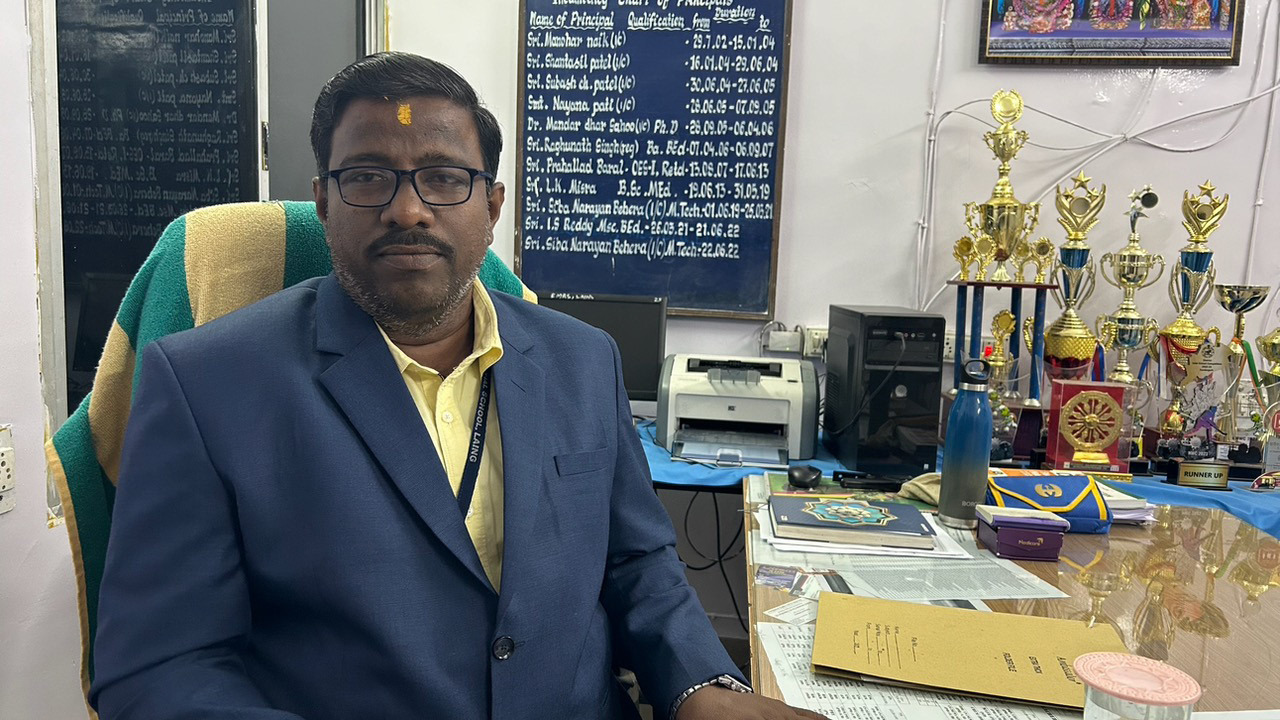 Shivnarain Behara, Principal-In-Charge
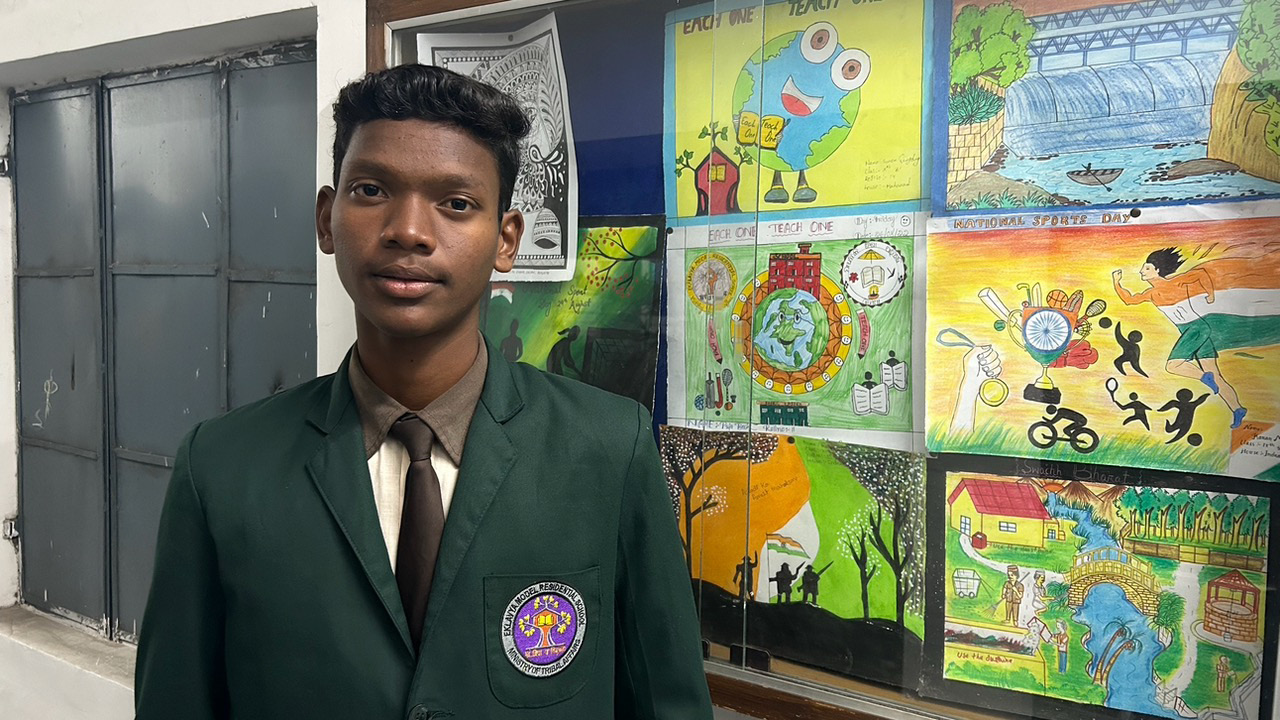 Vivek Khandurna, Class 12th
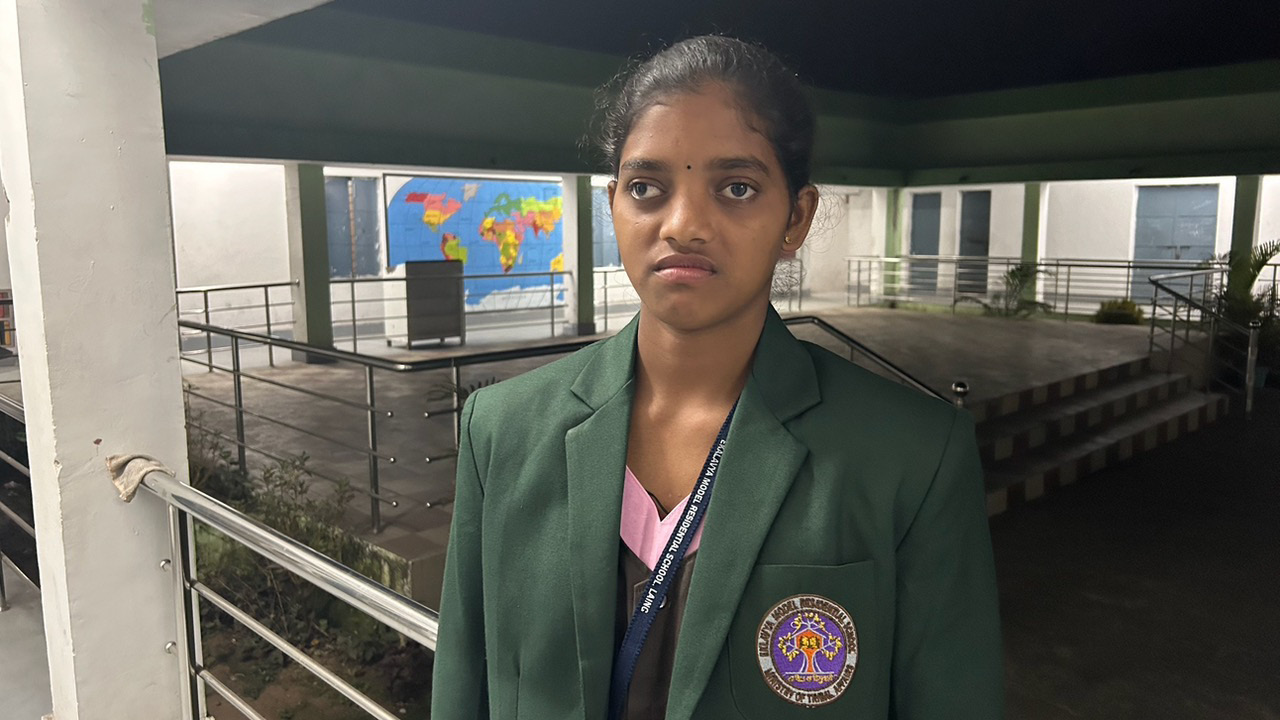 Sarita Rani, Class 11th
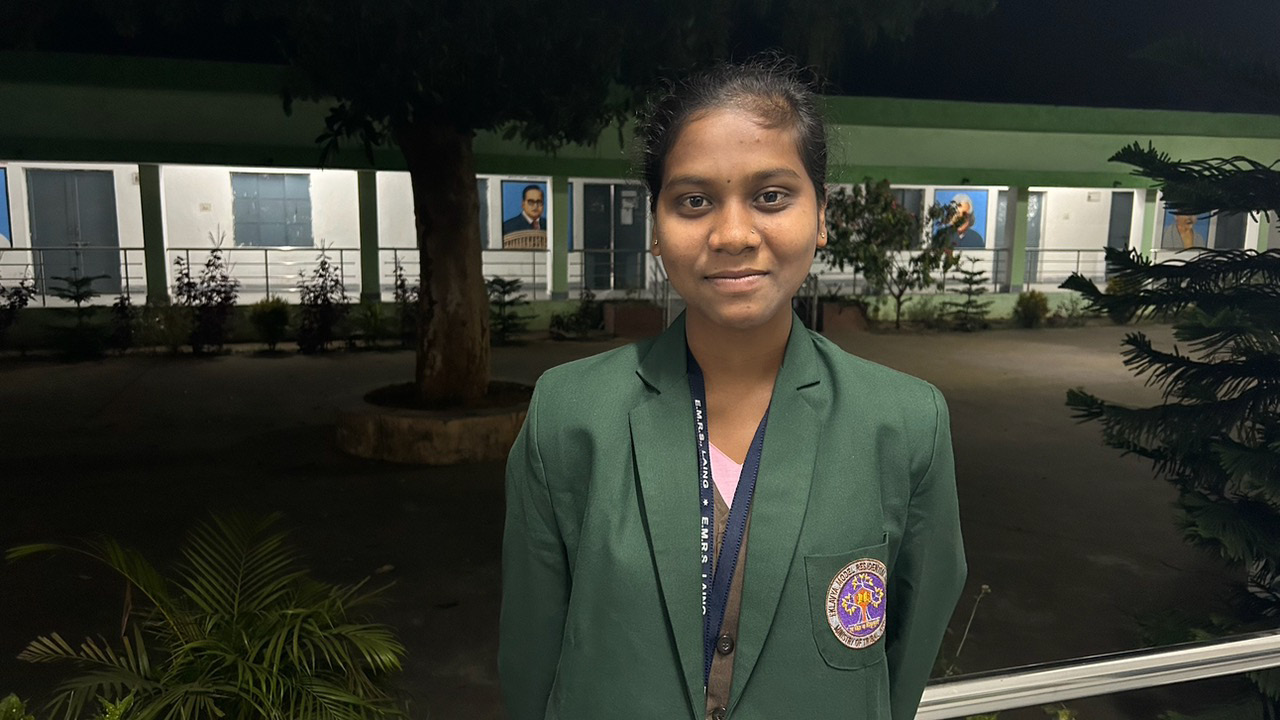 Mukta Rani Majhi, Class 11th
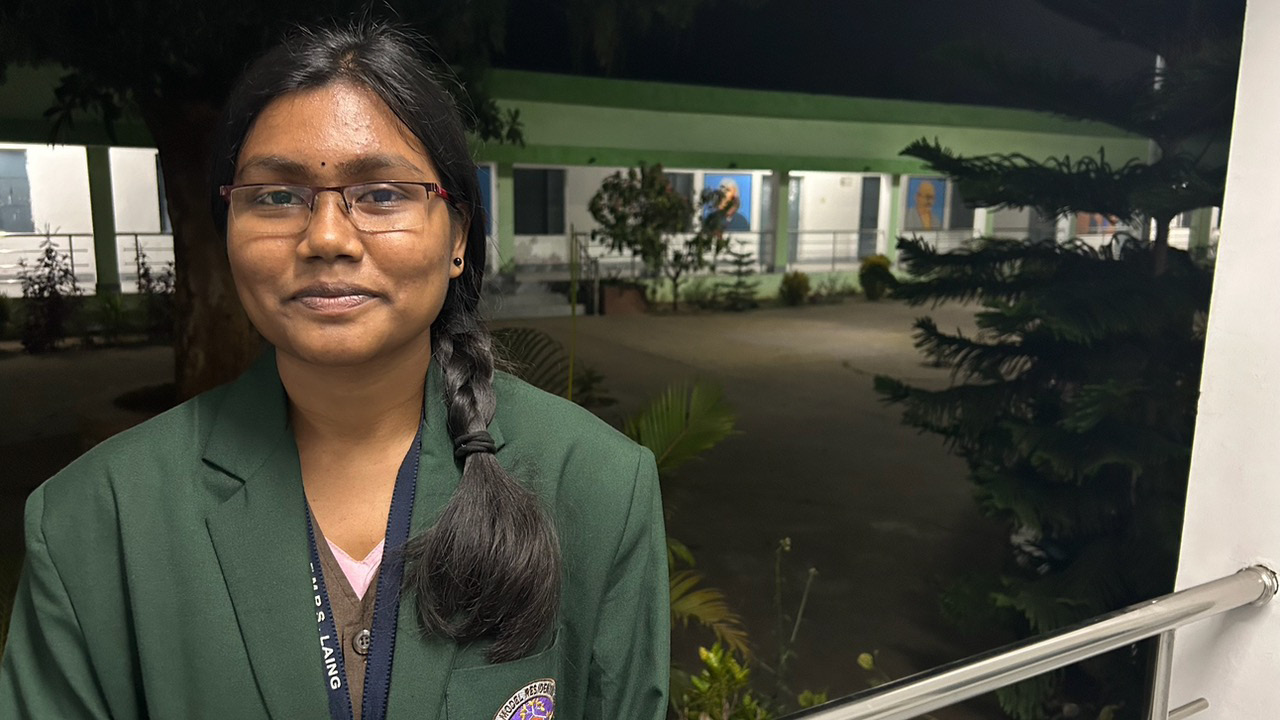 Himanu Tirkei, Class 12th
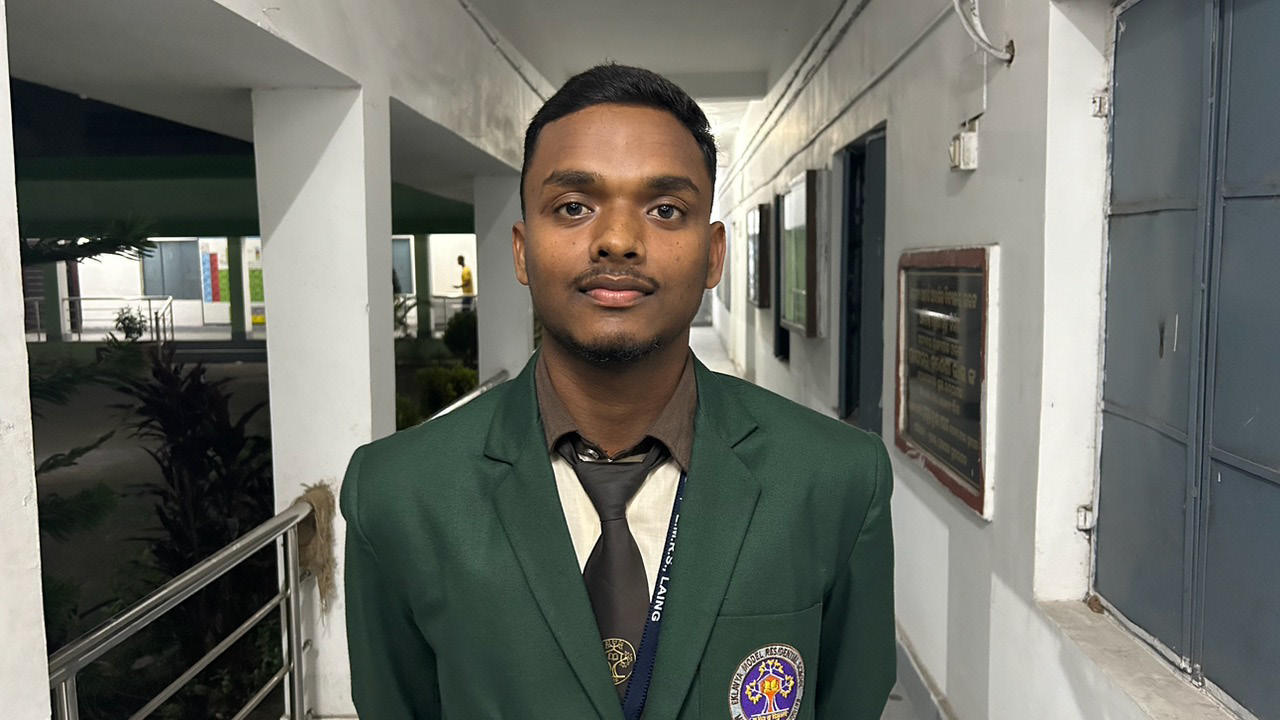 Chander Munda, Class 12th
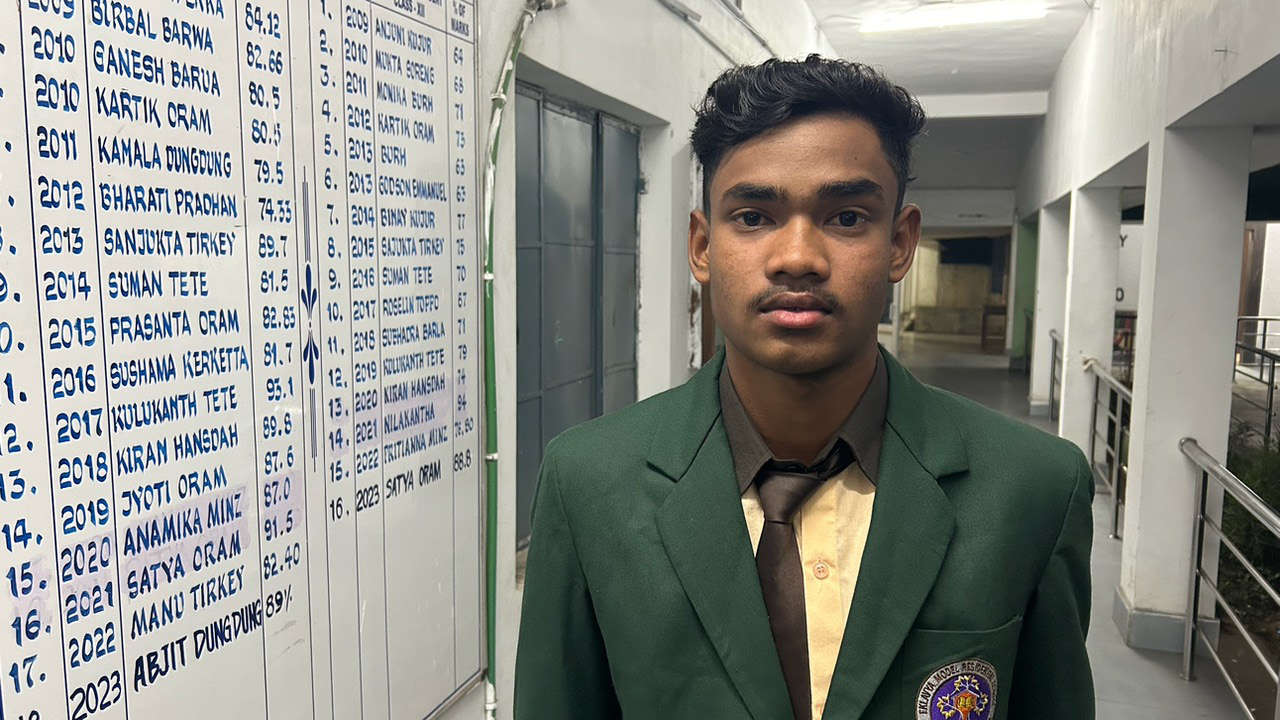 Basanta Dandsena, Class 11th
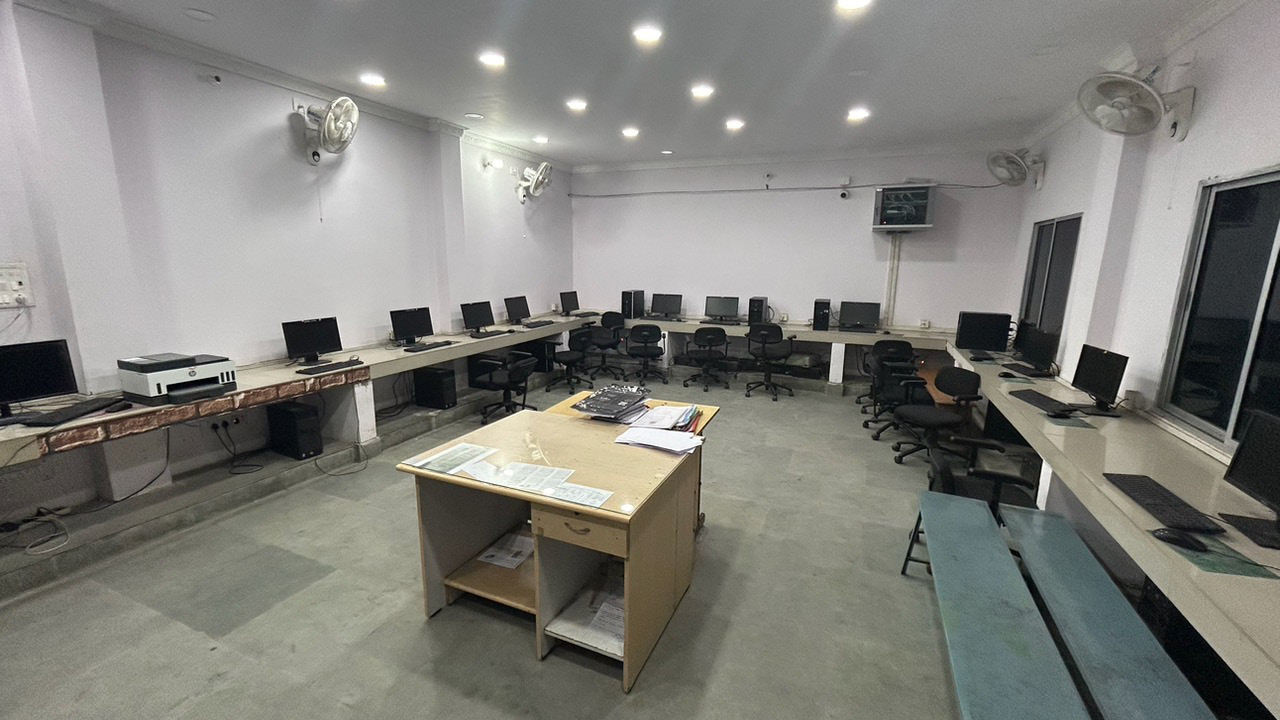 Computer Lab
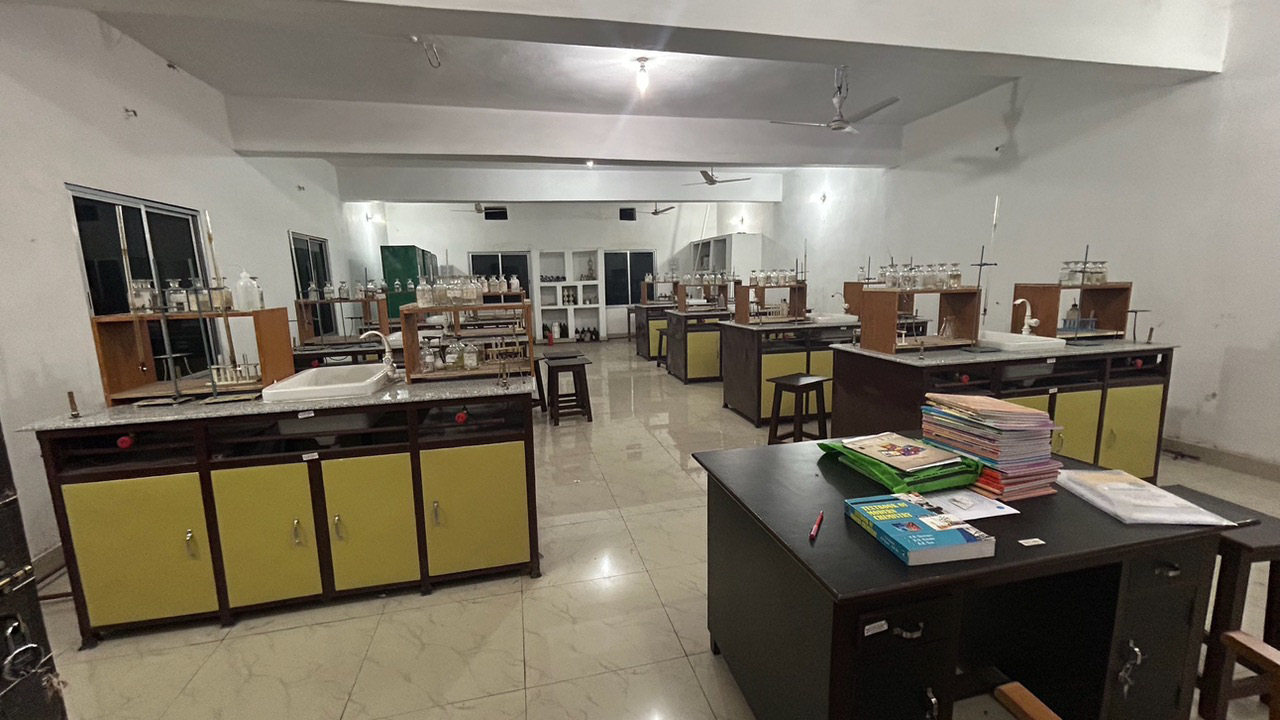 Science Lab
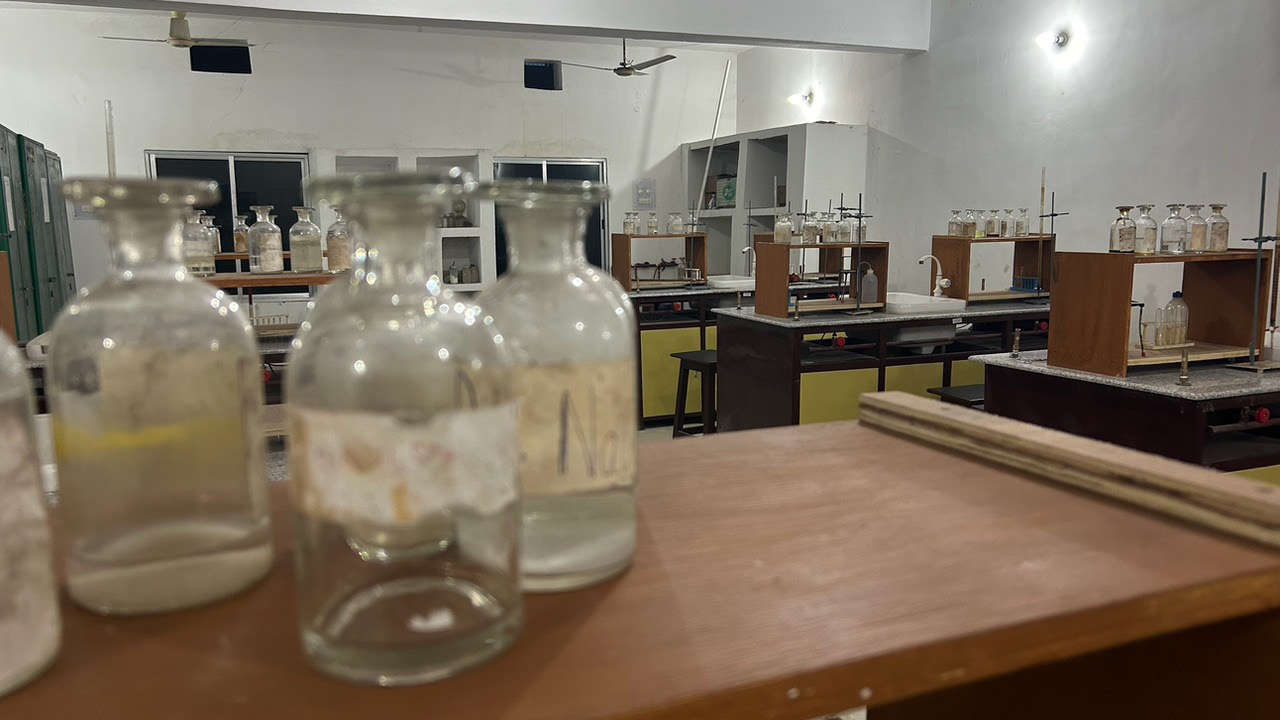 Science Lab
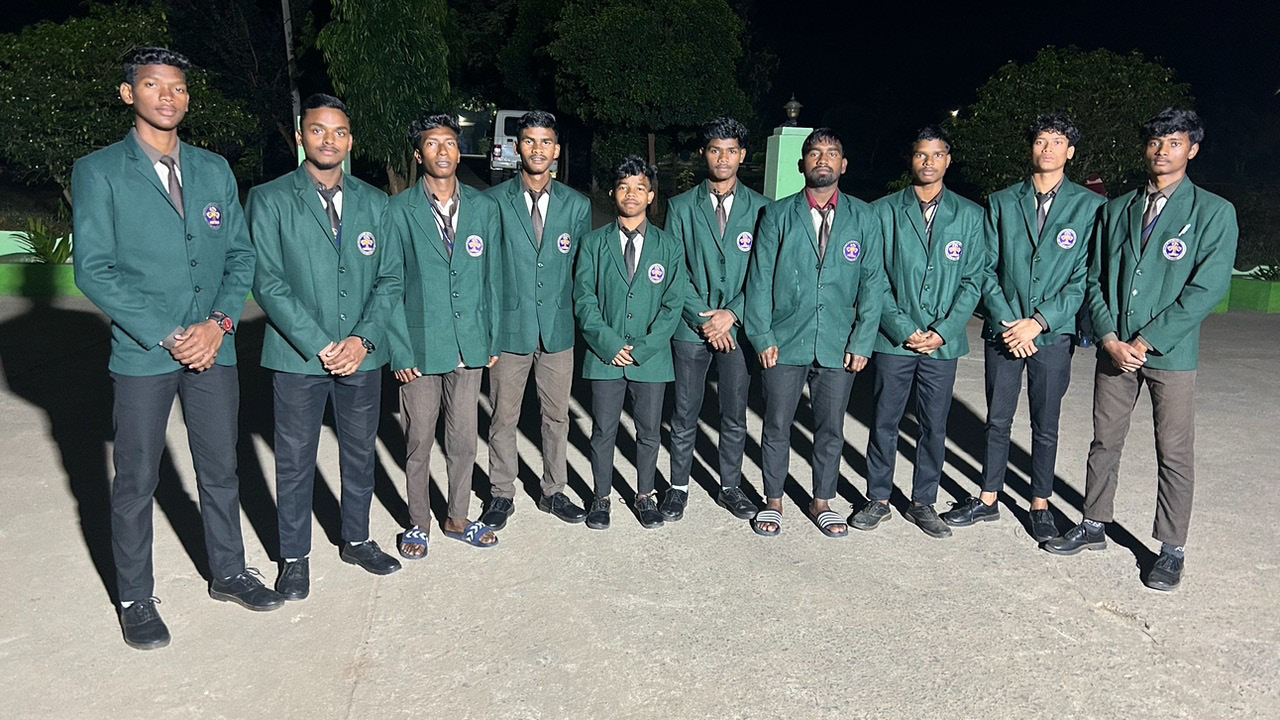 Group Photograph
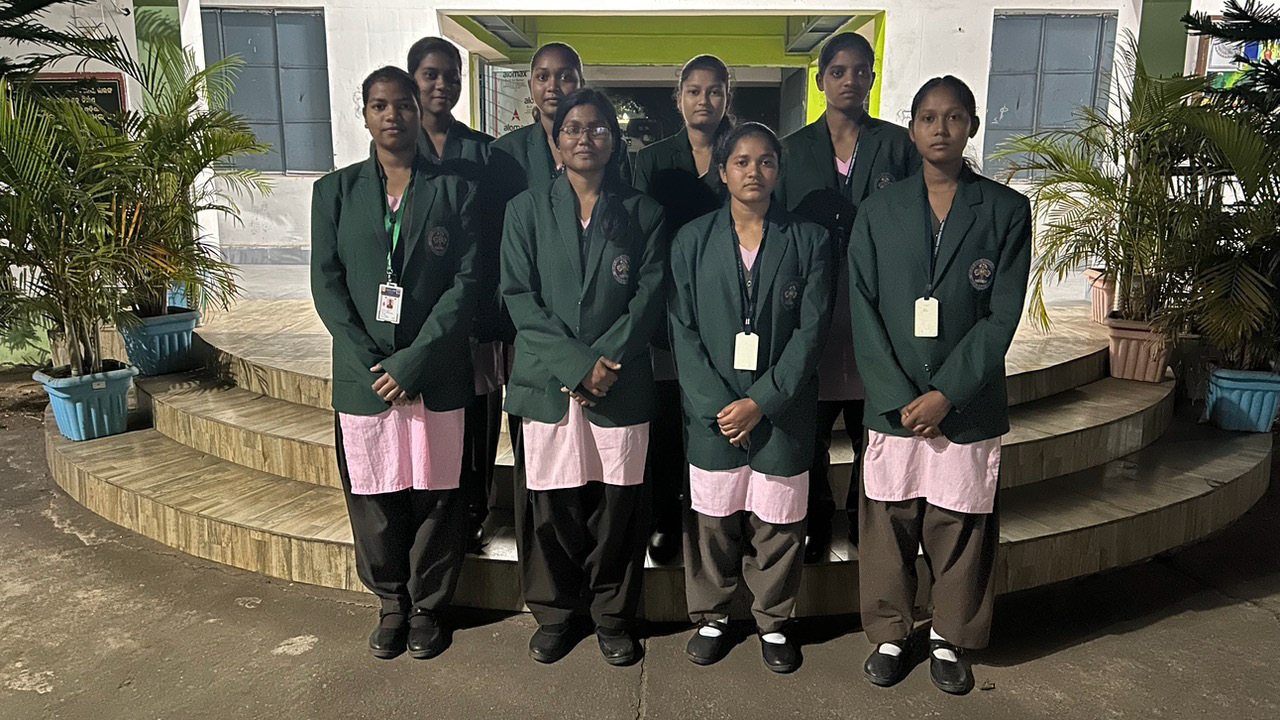 Group Photograph