

Innovation for Safe Delivery Among the Pregnant Women in Tribal Villages
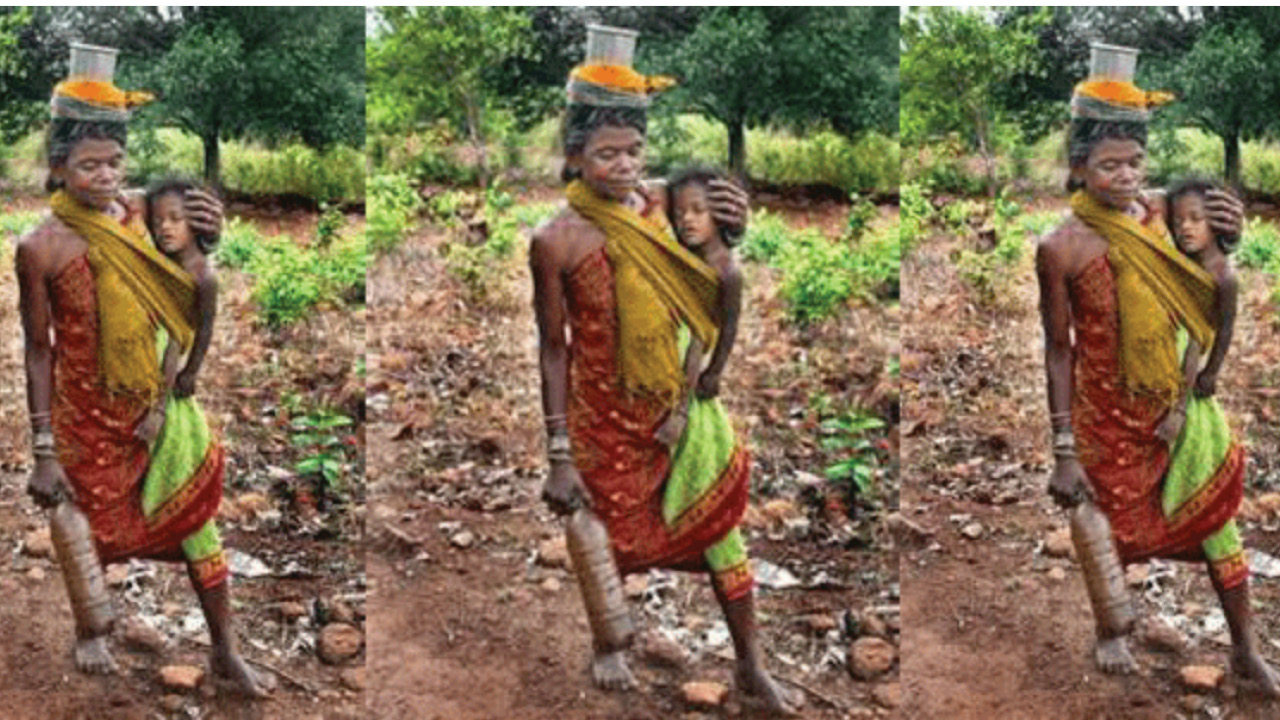
Innovation for Safe Delivery Among the Pregnant Women in Tribal Villages
Problem
- Pregnant women in tribal areas were facing issues in having safe deliveries
- They had malnutrition issues due to a lack of awareness of holistic nutrition
- There were issues in reaching hospitals in time and establishing communication with hospitals
- This was affecting the physical and mental well-being of both the mother and infant
Solution
- Two hostels for Pregnant women, at YTC, Salur Town and at YTC, Bhadragiri in Gumma Lakshmi Puram Mandal were established
- Tribal women living in remote areas were identified by Asha, ANM and AW workers
- They are rushed to the hostels within stipulated time
- Requisite measures were implemented for nutrition and safe deliveries
Outcomes
- After the initiative, neonatal deaths have not been documented
- Routine follow-ups are being done and vaccination is being better monitored
- Home deliveries were prevented largely
- No evidence of birth asphyxia, congenital anomalies or neonatal deaths in any of the babies.
Project Details
Category: Maternal and Child Health
Project Title: Innovation for Safe Delivery Among the Pregnant Women in Tribal Villages
Department or District: District Collectorate, Vizianagaram
State: Andhra Pradesh
Start Date of the Project: 17th September 2018
Website: https://vizianagaram.ap.gov.in/
Tribe(s) that the Project Covers: The project primarily serves the tribal communities residing in the eight Sub-Plan Mandals of Vizianagaram District. These Mandals include over 1,400 habitations, of which approximately 450 are without road connectivity, making access to health services extremely difficult for residents.
Keywords: ST Vendors, Infrastructure Development, Rural Market, Community Hall, MFP Scheme, Inclusive Development, GSIDC, Tribal Livelihoods, Weekly Market Revitalization Maternal Health, Tribal Health, Safe Delivery, Institutional Delivery, Women Empowerment, Nutrition, Andhra Pradesh ITDA
This explores an innovative healthcare intervention aimed at ensuring safe delivery for pregnant women in remote tribal villages of Vizianagaram. The initiative addresses the dire need for maternal and neonatal care in hard-to-reach regions by providing institutional support, medical supervision, and nutritional guidance through specialized hostels.
The Project
The project, called “Giri Sikhara Garbhinee Vasathi Gruhamu,” involves the establishment of two dedicated hostels where tribal pregnant women receive continuous healthcare monitoring, nutritional food, and delivery assistance. The effort was spearheaded by the District Collector and Chairman of the ITDA, Parvathipuram, with full administrative support.
Problems that it Intends to Solve
The key issues addressed include high maternal and infant mortality rates, poor access to medical facilities due to geographical isolation, lack of awareness about maternal health and nutrition, and the prevalence of unsafe home deliveries rooted in cultural norms and logistical barriers.
What was the Need
The geographical barriers faced by tribal communities severely restricted access to health services. Women had to undertake long, risky journeys to the nearest hospital during labor, often resulting in complications or deaths. The need for a proactive, preventive model that brought healthcare closer to the community was critical.
What Hindered its Introduction
Initial resistance came from within the communities. Cultural traditions discouraged women from staying outside their homes. Husbands were reluctant to send their wives to hostels due to the disruption of household and livelihood responsibilities. There was also a lack of awareness and trust in institutional healthcare systems.
Process Followed for Implementation
- Government
- The government played a central role through the District Administration and ITDA. The District Collector led the initiative by mobilizing resources, coordinating departments, and setting up monitoring mechanisms. Support was extended by the District Medical & Health Officer and the Department of Women and Child Welfare.
- Involvement of Community
- ASHAs, ANMs, and Anganwadi workers actively identified pregnant women and educated families about the benefits of institutional deliveries. Community members also helped in overcoming cultural hesitations.
Solutions Implemented
The hostels were equipped with trained medical personnel available round-the-clock. Services included antenatal check-ups, gynecologist consultations, nutritious meals, health education, mental wellness through meditation sessions, and provision for family members to stay. In case of labor, women were transported to the nearest Community Health Centre using a dedicated vehicle.
Details of the Coverage
Since the project’s launch, 335 tribal pregnant women were admitted to the hostels. Out of these, 272 women delivered safely under medical supervision, and no maternal deaths were reported in the year 2019–20. Only two infant deaths occurred during the same period, a stark decline from 54 the previous year.
Innovation and Unique Features
The core innovation lies in setting up residential hostels exclusively for pregnant tribal women, backed by medical and nutritional support. The model integrates preventive care with cultural accommodation, creating a safe and reassuring environment for expectant mothers.
New Approaches
- The project adopted culturally sensitive methods, allowed family accompaniment, and introduced local nutrition practices. It also integrated technology through regular scanning and health monitoring. Capacity building among frontline workers ensured consistent quality of care.
- The solution was developed with inputs from community health workers and tribal leaders, ensuring that local beliefs and needs were respected.
- Adaptations included customizing meals to local tastes, adding yoga and meditation for mental well-being, and providing incentives to encourage participation.
Challenges Faced Before Implementation
- There was a lack of adequate healthcare infrastructure and staffing in remote areas. Coordinating multiple departments posed logistical hurdles.
- Resistance from families due to cultural traditions and concerns about disrupting livelihoods created barriers to acceptance.
- Awareness programs, incentive schemes, and inclusion of family members helped build trust and community buy-in. Trained staff and mobile vehicles were deployed to manage emergencies.
Challenges Faced During Implementation
- Staffing shortages and logistical difficulties in sustaining round-the-clock services at two remote hostels required careful resource management.
- Seasonal accessibility issues, unexpected medical complications, and continuous community engagement remained ongoing concerns.
- Real-time monitoring, flexible staffing models, and continuous dialogue with local leaders helped mitigate these risks.
Outcomes
- The project led to a reduction in maternal deaths from 8 in 2018–19 to 0 in 2019–20 and infant deaths from 54 to 2 in the same period. Out of 335 women admitted, 272 had successful, supervised deliveries.
- There was an increase in awareness of maternal health, trust in institutional delivery systems, and improved emotional well-being among mothers. Family satisfaction with the hostels was high due to cleanliness, nutritious food, and emotional support.
- The project was closely monitored by district officials, with weekly health assessments by gynaecologists. Data collection and review helped in adapting strategies dynamically.
- The primary beneficiaries were tribal pregnant women and their newborns. Families also benefited from reduced medical expenses and improved maternal and child health outcomes.
Replicability / Scalability / Sustainability
- The model complements national health schemes like Janani Suraksha Yojana and the National Health Mission and can be integrated into district health planning.
- Costs were managed through convergence with existing government programs and minimal capital investments.
- Given its success, the model is replicable in other tribal and remote districts facing similar challenges. It requires local adaptation and stakeholder engagement for scalability.