Empowering Tribal Women through Turmeric-Based Livelihoods in Koraput, Odisha
Empowering Tribal Women through Turmeric-Based Livelihoods in Koraput, Odisha
Problem
- Farmers exploited by middlemen, receiving low prices for turmeric produce
- Strong reliance and trust on middlemen, leading to scepticism towards new initiatives
- Challenges in mobilising tribal women for a producer group due to socio-cultural dynamics
- Traditional practices not aligned with modern business methodologies
- Logistical difficulties due to remote village location and communication barriers
- Struggles in managing time for meetings and training amidst daily farming activities
Solution
- ORMAS Koraput’s intervention to establish a producer group comprising 20 tribal women
- Implementation of Business Governance methodology and skill training for capacity building
- Development of a dedicated E-Commerce website for product sales
- Collaboration with District Administration for technical, financial, and branding support
- Exposure visits to renowned community product development organisations
- Utilisation of local resources, including turmeric, wild honey, coffee, and aloe vera, for product diversification
- Inclusion of external expertise for international market expansion and feasibility studies
Outcomes
- Significant increase in turmeric sales prices, from Rs 50-60 per kg to Rs 80-94 kg
- Introduction of value-added products like turmeric-based soap, fetching higher profit margins
- Women empowerment with active management of turmeric and soap production
- Achieved recognition for Laxmipur turmeric’s quality, aided by testing and branding efforts
- Successful market tie-ups at both local and international levels
- Model deemed replicable due to its alignment with tribal dynamics and efficient management
Project Details
Category: Livelihoods
Project Title: Turmeric Based Livelihoods Development
Department or District: Office of Chief Development Officer cum Executive Officer, Zilla Parishad Office, Koraput (ORMAS Koraput)
State: Odisha
Start Date of the Project: 1st April 2020
Website: https://koraput.odisha.gov.in
Tribe(s) that the Project Covers: The project directly benefits tribal households in Konapadi village and surrounding areas in Laxmipur block, predominantly comprising Scheduled Tribe communities with traditional agricultural practices
Keywords: Tribal Livelihoods, Women Empowerment, Value Addition, Soap Making, Craftpotli, ORMAS, ODOP, IFFCO-KISAN, SHGs, Farmer Producer Organisations (FPOs), Tribal Entrepreneurship, Rural Innovation, Sustainable Packaging
In the scenic but isolated terrain of Laxmipur block in Koraput district, tribal communities have long depended on turmeric cultivation as a major source of livelihood. However, lack of market access, processing capacity, and financial literacy rendered them vulnerable to systemic exploitation. The Turmeric Based Livelihoods Development initiative emerged as a response to this socio-economic marginalization, aiming to create sustainable, value-added income generation through the formation of a tribal women’s producer group.
The Project
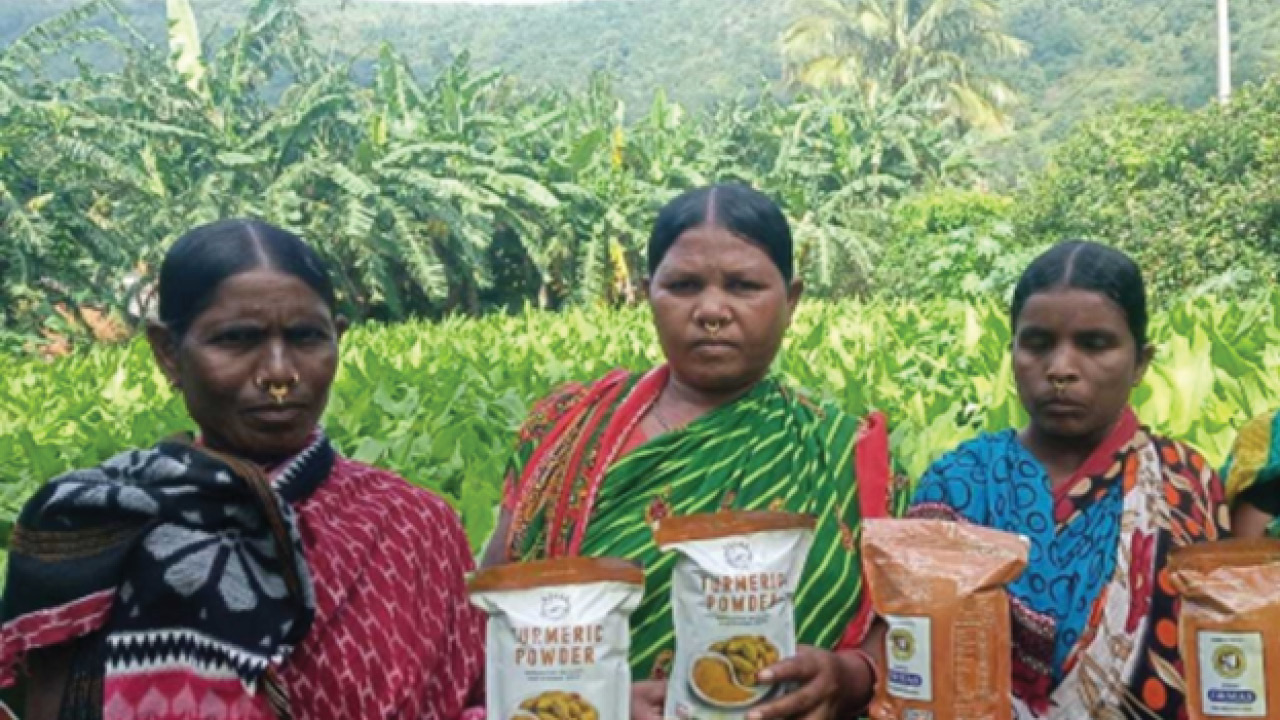
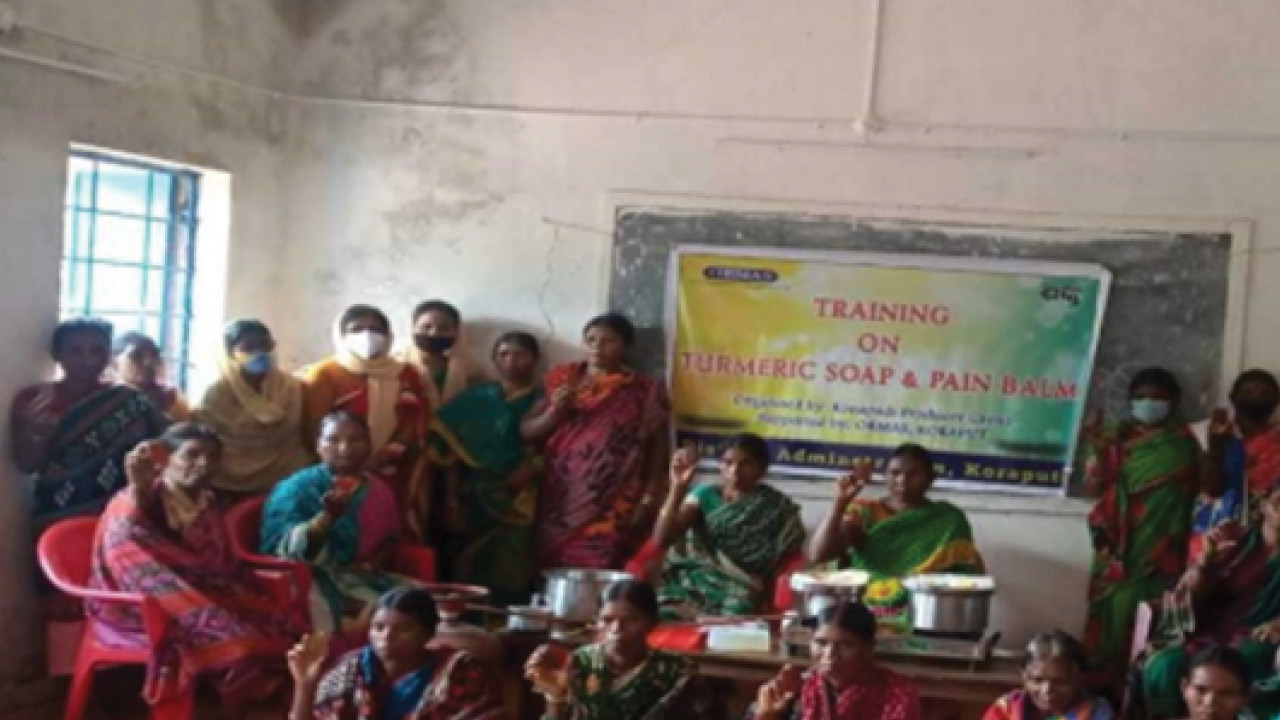
Led by ORMAS Koraput, the project focused on mobilizing tribal women farmers to form a Producer Group (PG), equipping them with technical skills and financial support to transition from raw turmeric sellers to producers of branded, value-added turmeric products. The initiative encompassed training in soap-making, powder milling, packaging, marketing, and e-commerce integration. The PG became a vehicle for economic independence and rural entrepreneurship.
Problems that it Intends to Solve
The tribal turmeric farmers were routinely exploited by middlemen, selling their produce at a meagre ₹50–60/kg due to lack of storage, processing, and collective bargaining power. The absence of value addition facilities and minimal awareness of government schemes further compounded their economic vulnerability. Poverty, social exclusion, and poor market connectivity isolated these communities from mainstream development processes.
What was the Need
The potential of turmeric as a medicinal and organic product was well recognized, but the socio-economic benefits were not reaching the tribal producers. The need was for a decentralized, community-led model that could empower women to retain value within their communities while reviving interest in turmeric farming through better returns and recognition.
What Hindered its Introduction
The initial hurdles included cultural skepticism about commercial engagement, mistrust of formal institutions due to a history of exploitation, and logistical challenges of reaching a remote village with inadequate communication infrastructure. Mobilizing women to embrace governance responsibilities and managing procurement logistics posed substantial obstacles.
Process Followed for Implementation
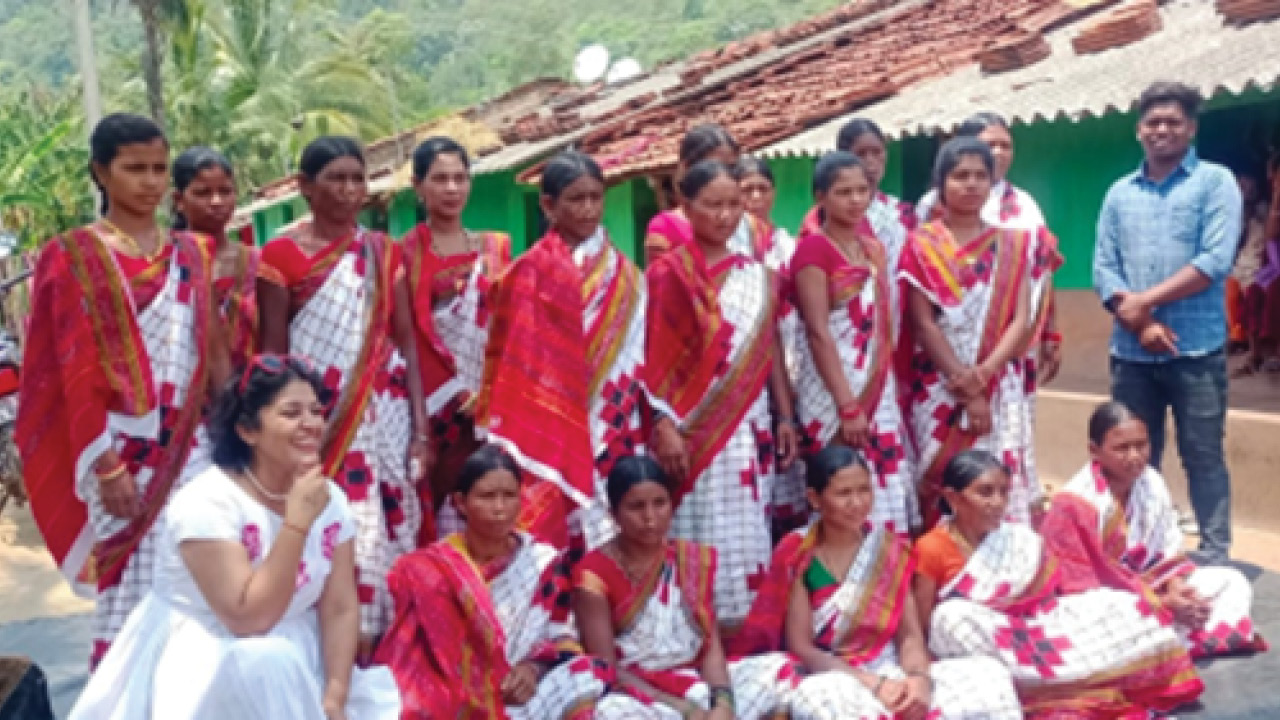
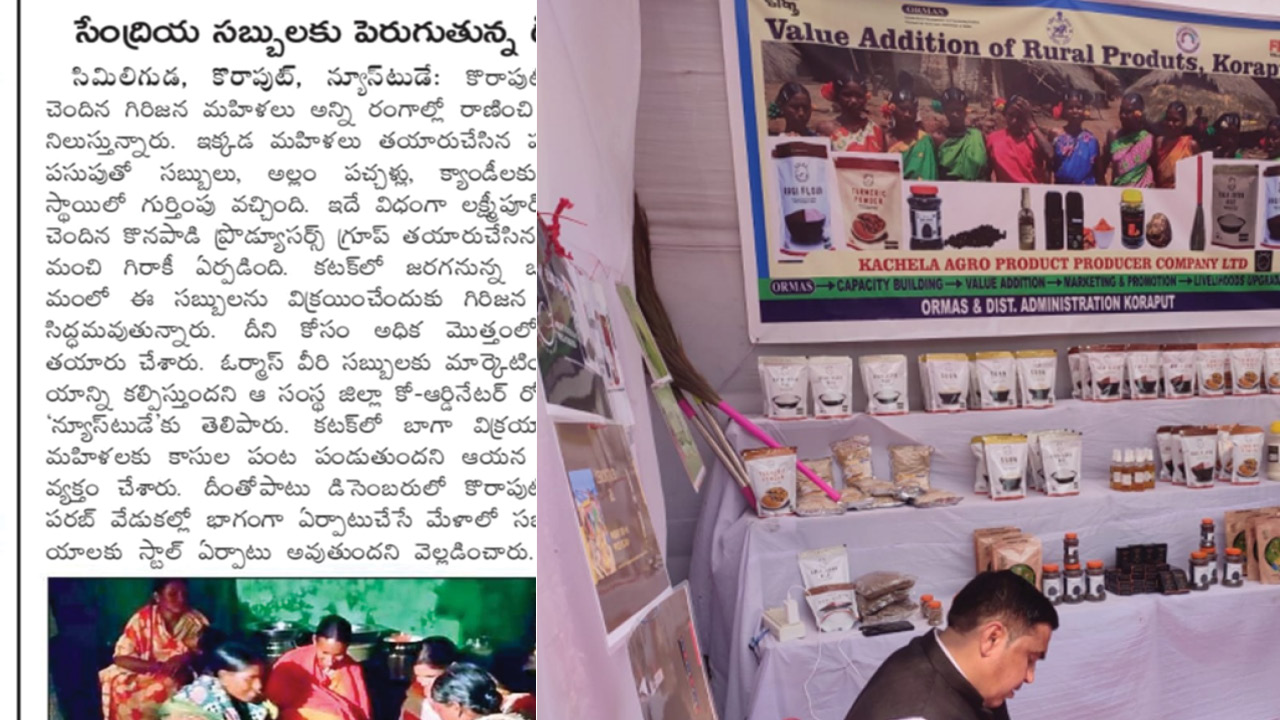
ORMAS adopted a bottom-up approach beginning with community mobilization on April 1, 2020. Twenty tribal women formed a Producer Group, received ₹2.4 lakh in seed funding for institutional building, and underwent business orientation. With assistance from NGOs like WORD and support from district authorities, members were trained in turmeric processing and soap-making. Linkages were created with buyers such as IFFCO-KISAN and retail platforms like Amazon and Meesho. Packaging design and market exhibitions were organized to elevate product visibility.
- Government Involvement
- The district administration played a critical enabling role—offering financial support, facilitating branding, securing certifications, and helping with logistics. It also coordinated institutional tie-ups with agencies like the UN’s Guatemala chapter, Odiya Haat BBSR, and other government outlets under the ODOP scheme.
- Community and NGO Involvement
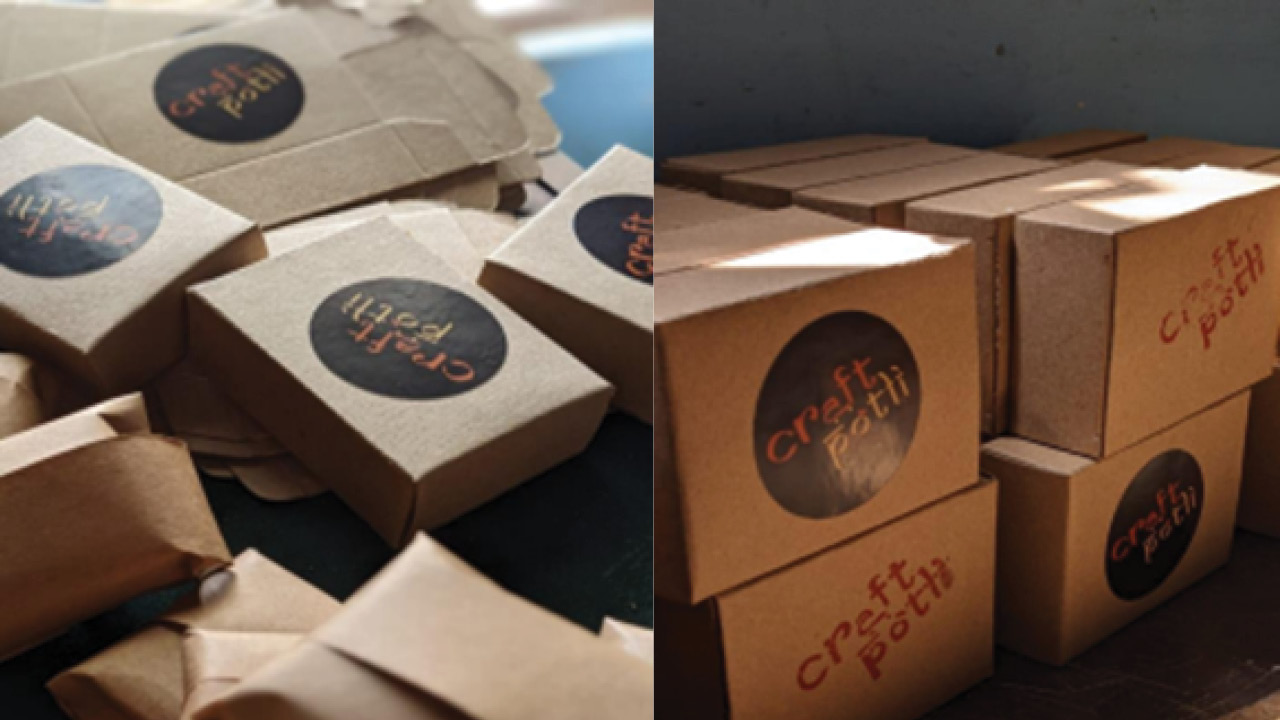
- The community, especially tribal women, led the initiative from product conceptualization to execution. NGOs like WORD assisted in capacity building, while Craftpotli, a private rural enterprise, helped create a brand identity and explored national and international retail opportunities.
Solutions Implemented
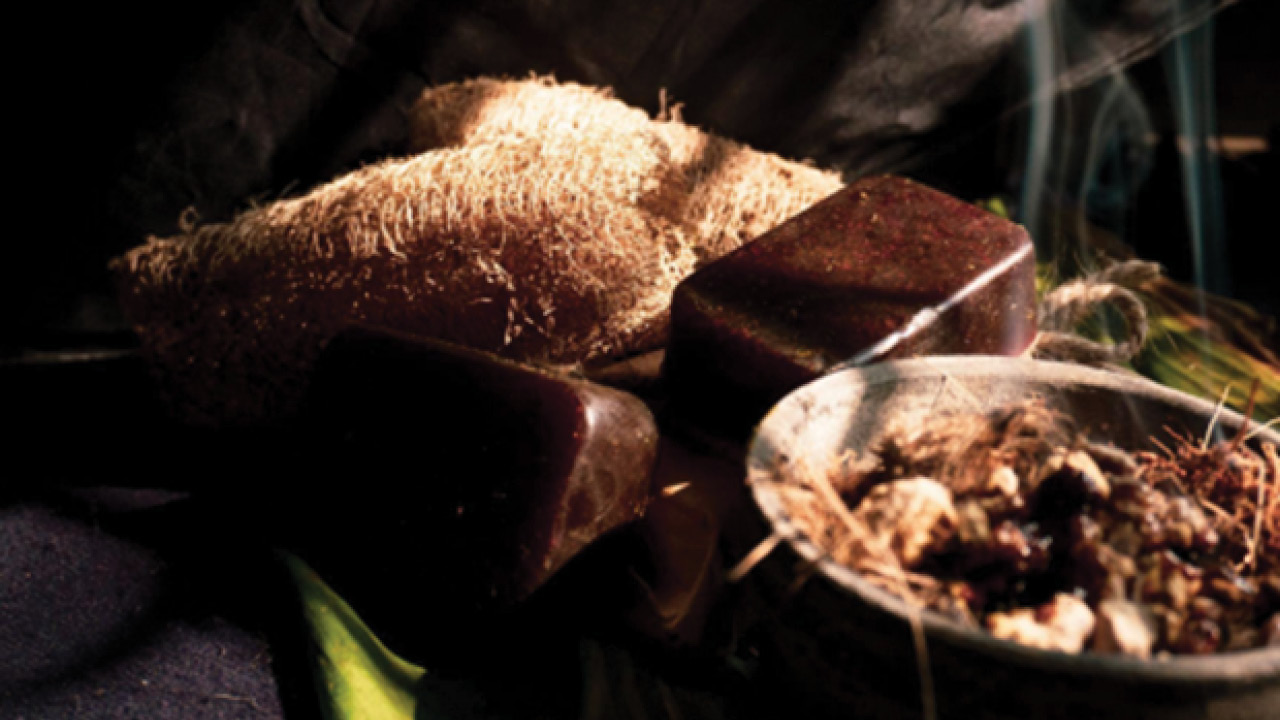
Training and governance support were combined with tangible business tools such as pulverizing units, packaging materials, and market linkages. Product diversification included turmeric soaps, coffee soap, wild honey soap, and aloe vera soap. Market expansion was achieved through physical exhibitions, e-commerce listings, and exports.
Details of the Coverage
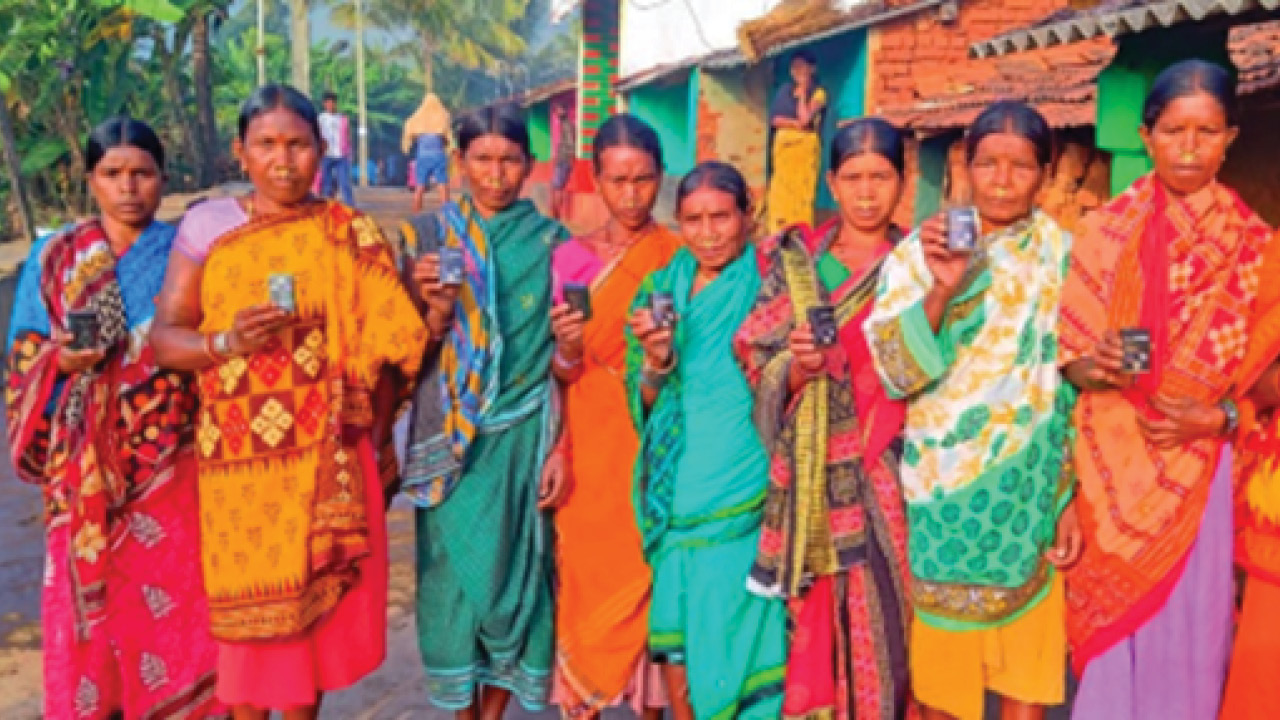
The project initially covered 20 tribal women from Konapadi but quickly extended influence to neighboring villages such as Pipalpadar, Champi, and Timajhola. Around 400–500 households are now indirectly influenced by the initiative, with most engaged in turmeric cultivation on 1–3 acres of land.
Innovation and Unique Features
The most notable innovation is the transformation of a traditional agricultural output into a suite of modern FMCG products while retaining community ownership. The soaps are entirely handmade, packaged in biodegradable materials like Sal leaves, and sold in two aesthetically branded variants. These innovations drew attention from Google for Startups, 91Springboard, and were picked up as a case study by TISS Mumbai.
- New Approaches: Tech integration, capacity building, culturally sensitive methods
- The initiative uniquely blends indigenous wisdom with scientific certification, such as curcumin content testing through the Spices Board. Technology integration included online marketplaces and influencer-driven social media marketing. Traditional practices were preserved while enabling modern scalability.
- Tribal women themselves proposed soap-making as an enterprise, infusing their cultural values into product design. As the project matured, packaging improved, pricing models evolved, and new variants were added in response to market feedback. The branding was collectively shaped with inputs from members and mentors.
Challenges Faced
- Internal challenges included instilling confidence among PG members, overcoming traditional mindsets about business roles for women, and securing raw materials locally. External issues centered around infrastructure, transport, and skepticism from buyers about a new tribal brand.
- Costing issues arose during packaging development, with some products initially considered too expensive. Market saturation with cheaper alternatives made positioning a challenge. These were addressed through value storytelling, premium branding, and niche positioning strategies.
- Efforts included motivational campaigns, exposure visits, consumer feedback sessions, and expert mentorship. A dedicated workspace, raw material procurement assistance, and legal registration support enhanced the project’s structure and credibility.
Outcomes
Quantitatively, farmers now earn ₹80-94/kg for turmeric, while soaps retail at ₹45-50 per 75g bar. Monthly production reaches 2,000-3,000 soaps, generating ₹3,000-₹7,000 per member. Qualitatively, the women have emerged as confident entrepreneurs, decision-makers, and role models for tribal self-reliance. Market presence now includes Guatemala, Delhi, Hyderabad, and corporate gifting through Google Bangalore.
Ongoing evaluations are supported by ORMAS and district authorities through field visits, sales tracking, and customer feedback mechanisms. Craftpotli continues to support with retail reporting and branding insights.
Beneficiaries
The initiative directly benefits 20 tribal women and their households, and indirectly reaches up to 500 households across five villages. Additional benefit accrues to local artisans, packaging suppliers, and rural logistics providers.
Replicability / Scalability / Sustainability
This model is inherently replicable in regions with similar agricultural traditions. Its low-tech, community-driven approach, coupled with strategic partnerships, makes it ideal for scaling across tribal belts. Sustainability is reinforced by high community ownership, consistent product demand, and a projected expansion budget of ₹70 lakh for future diversification.
The initiative aligns with national goals under ODOP and state-level livelihood missions. Future plans include support from AICs, CMAP-Lucknow for soap R&D, and export channels facilitated by the Spices Board of India.