Strengthening the Last Mile Delivery of Welfare Schemes in the Nature of Direct Beneficiary Transfer (DBT)
Strengthening the Last Mile Delivery of Welfare Schemes in the Nature of Direct Beneficiary Transfer (DBT)
Problem
- Large-scale exclusion of ST households from DBT
- Poor digital connectivity and technological gaps in remote tribal areas
- Incorrect, outdated or missing beneficiary data across key government databases
- Limited awareness and inadequate technical capacity among frontline staff
- Vulnerable tribes suchas Chenchu and Yanadi having no Aadhaar numbers
Solution
- Establishment of a dedicated PMU through a formal MoU between the Tribal Welfare Department and the Azim Premji Foundation
- Scheme-wise and department-wise diagnosis of exclusion patterns
- Inter-departmental coordination to collect and resolve exclusion data
- Aadhaar enrollment centres and connectivity upgrades in tribal areas
- Development of SoPs, district-level Programme Review Committees and community mobilisation
Outcomes
- Inclusion of 74,962 Revenue and RoFR farmers under the PM-KISAN-Annadatha Sukhibhava scheme
- Inclusion of more than 15,000 mothers under the Thalli Ki Vandanam incentive scheme
- New Aadhaar enrolments and biometric updates, to cover 5,00,000 tribals
- Reduction of zero-employment villages under MGNREGS by 20 percent
- Updating of e-KYC for more than 70,000 NFSA Scheduled Tribe beneficiaries
Project Details
Category: Tribal Development
Project Title: Strengthening the Last Mile Delivery of Welfare Schemes in the Nature of Direct Beneficiary Transfer (DBT)
Department or District: Andhra Pradesh Scheduled Tribes Cooperative Finance Corporation Ltd (TRICOR), Tribal Welfare Department, Government of Andhra Pradesh
State: Andhra Pradesh
Start Date of the Project: 2018
Website: https://aptribes.ap.gov.in/
Tribe(s) that the Project Covers: The project covers Scheduled Tribe communities across all Integrated Tribal Development Agency (ITDA) areas in Andhra Pradesh, including vulnerable tribal groups such as the Chenchu and Yanadi residing in remote, hill-top, forested and digitally excluded habitations.
Keywords: Direct Benefit Transfer, Last Mile Delivery, PMU, Tribal Inclusion, Aadhaar Seeding, NPCI Mapping, Digital Connectivity, Scheme Convergence, Grievance Redressal, Andhra Pradesh ITDA
The project titled “Strengthening the last mile delivery of welfare schemes in the nature of Direct Beneficiary Transfer (DBT)” was undertaken by the Andhra Pradesh Scheduled Tribes Cooperative Finance Corporation Ltd. (TRICOR) under the Tribal Welfare Department, Government of Andhra Pradesh. Despite significant expansion of DBT-based welfare schemes at both state and national levels, large sections of Scheduled Tribe households continued to remain excluded due to systemic and technological barriers.
The initiative recognised that digital governance frameworks work efficiently for most, but often overlook tribal communities in remote, poorly connected areas. The project aimed to close this gap between policy and inclusion by tackling exclusion in identity, banking, connectivity and administrative coordination.
The Project
The intervention was operationalised in 2018 through the establishment of a dedicated Programme Management Unit (PMU) under a Memorandum of Understanding between the Tribal Welfare Department and the Asim Premji Foundation. Conceived as an embedded system-strengthening unit rather than a parallel implementation body, the PMU focused on diagnosing and correcting exclusion patterns across multiple welfare schemes.
The PMU’s mandate included scheme-wise analysis, field verification, inter-departmental coordination, data correction, Aadhaar facilitation, grievance redressal and institutionalisation of Standard Operating Procedures. The evaluation period from 01-09-2025 to 05-12-2025 reflects the scaled-up, state-wide institutionalisation of these reforms.
Problems that it Intends to Solve
Large-scale exclusion of Scheduled Tribes from Direct Benefit Transfer (DBT) schemes due to Aadhaar identification number errors, mismatches in bank account details and failures in National Payments Corporation of India (NPCI) mapping formed the central problem. Many tribal households lacked working bank accounts or had multiple inactive accounts linked to welfare systems.
Poor digital connectivity in hilltop and unconnected villages disrupted authentication and delayed payments. Incorrect or inconsistent beneficiary data across databases, including Webland, GSWS and Student Information portals, led to additional exclusions. Vulnerable tribes such as the Chenchu and Yanadi often lacked Aadhaar enrolment, birth certificates, or documents, blocking their access to welfare.
Need and Rationale
Exclusions from DBT schemes deny tribal families essential financial support, deepen vulnerability and weaken equitable development. Welfare systems designed for the larger population often overlook tribal realities, including documentation gaps, remote habitation, linguistic barriers and limited banking access.
Without systematic reform, governance processes normalise errors of exclusion. The project team determined that a multisectoral, diagnostic approach was necessary to address root causes rather than only individual grievances.
Implementation Process
Implementation progressed in phases. From 2018 to 2019, the PMU conducted field immersion across ITDA areas. They diagnosed exclusion patterns through data analysis and primary research. Secondary research analysed scheme guidelines, MIS data flows and departmental datasets to find algorithmic and documentation-based exclusions.
From 2019 to 2020, scheme-wise pilots were undertaken across major Government of Andhra Pradesh and Government of India schemes. These included Thalli Ki Vandanam, Annadatha Sukhibhava, PM-KISAN, NREGS, PMMVY and NFSA. Aadhaar-bank correction camps were organised. Grievance redressal and inter-departmental coordination mechanisms were structured and formalised.
During 2020-2022, particularly amidst the COVID-19 pandemic, the PMU consolidated systems. The team safeguarded NFSA entitlements by coordinating e-KYC completion for over 70,000 tribal beneficiaries at risk of exclusion.
From 2022 onwards, the focus shifted toward institutionalisation and scale. Standard Operating Procedures were developed and district-level Programme Review Committees were constituted. Community mobilisation was undertaken through village-level surveys to identify excluded households. State-level circulars and DO letters were issued to line departments to resolve systemic bottlenecks.
A major structural reform set up 300 Aadhaar enrolment and correction centres in tribal areas. Over 500 Aadhaar centres were established across ITDAs. Tribal Welfare became a UIDAI Registrar and activated 319 Aadhaar kits to operate in remote areas. This strengthened the foundational identity infrastructure essential for DBT delivery.
Solutions Implemented
The core solution was the creation of an embedded PMU to diagnose and correct exclusion patterns across departments. Data-driven analysis was combined with field verification to validate beneficiary status. Inter-departmental coordination ensured alignment of Aadhaar, banking and scheme databases.
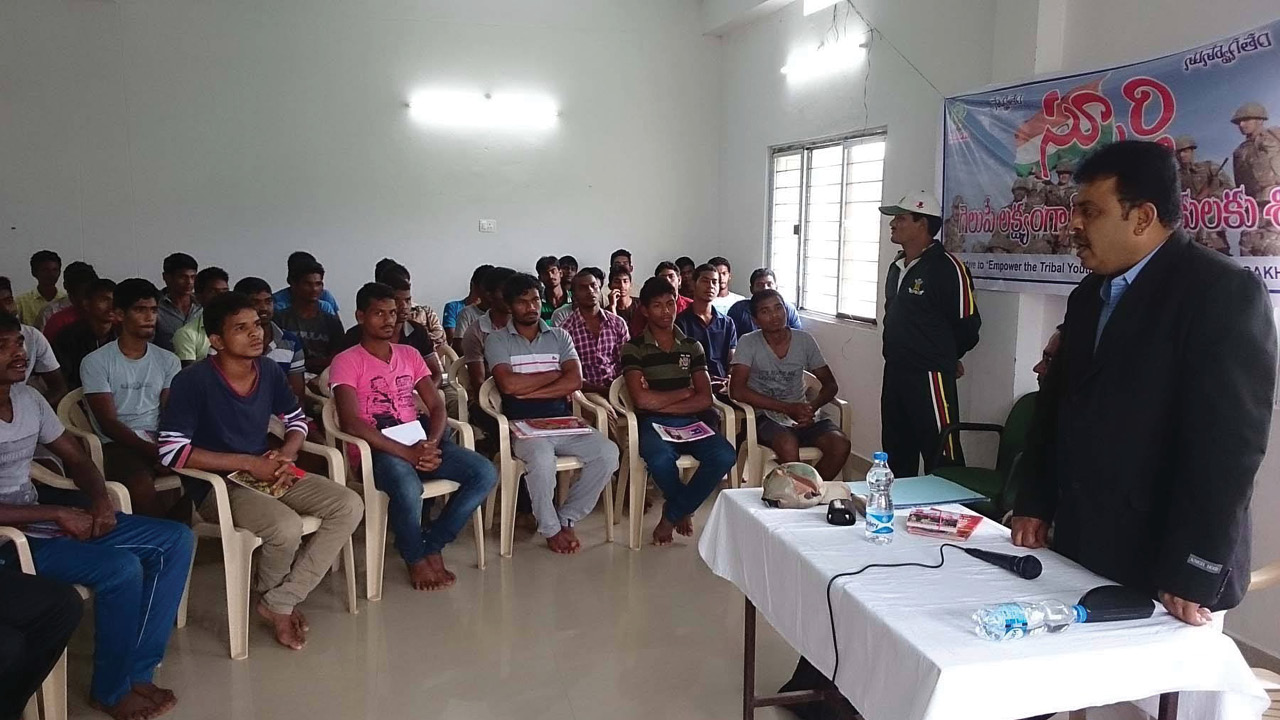
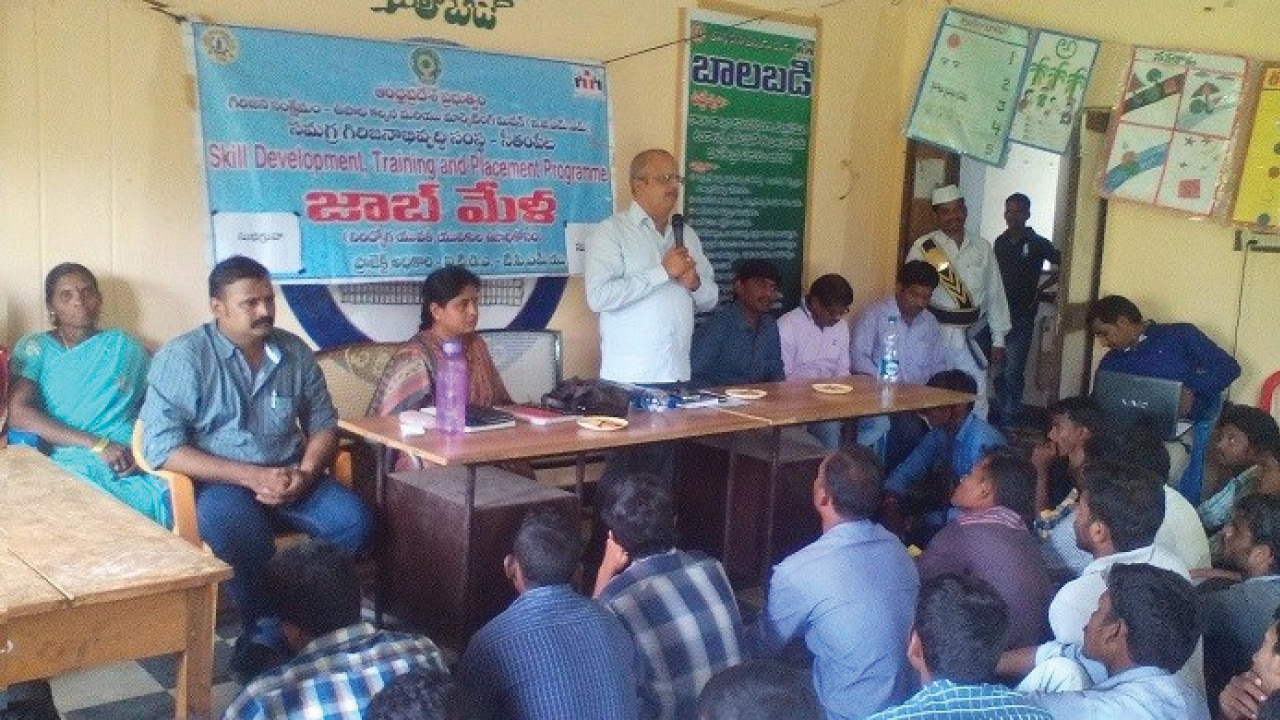
Connectivity upgrades and Aadhaar enrolment camps addressed identity gaps. Circulars, DO letters and policy advocacy improved system-level responsiveness. Capacity-building sessions were conducted for village secretariats, mandal officers and bankers to strengthen frontline governance.
Details of the Coverage
The initiative works across all eight ITDAs in Andhra Pradesh. It aims to cover about 19.4 lakh tribal individuals through phased scaling. Internal beneficiaries include 475 administrative and field staff. The number of external beneficiaries exceeded 3,00,000 tribal individuals during the evaluation period.
Major inclusions include 74,962 Revenue and RoFR farmers under PM-KISAN-Annadatha Sukhibhava. More than 15,000 mothers were included in Thalli Ki Vandanam. Aadhaar services reached over 5,00,000 tribals through enrolment and biometric updates. MGNREGS zero-employment villages reduced by 20 percent through structured shelf-of-work planning. Over 70,000 NFSA beneficiaries had their e-KYC updated, safeguarding their food security entitlements.
Innovation and Unique Features
The most distinctive innovation of the project lies in its shift from grievance-driven welfare correction to a systemic exclusion-diagnostics model. Rather than treating DBT failures as isolated beneficiary-level issues, the PMU analysed the entire lifecycle of welfare delivery from pre-application identity creation to backend data processing and post-payment authentication. Exclusions occur at three stages: absence of digital identity and documentation in the pre-application phase, algorithmic and database mismatches during application processing and Aadhaar-bank-NPCI linkage failures at the payment stage. By structurally mapping these failure points, the PMU converted invisible administrative errors into diagnosable governance gaps.
A major innovation was the embedded Programme Management Unit model. Unlike externally driven consultancies or scheme-specific task forces, the PMU was designed as an internal unit for system strengthening, working within the Tribal Welfare Department and the ITDA ecosystem. This ensured that solutions were institutional rather than temporary. The PMU combined secondary research, analysis of scheme guidelines, MIS data flow mapping and primary field verification to triangulate the causes of exclusion. The integration of backend algorithm review with grassroots household surveys created a rare feedback loop between digital governance systems and lived tribal realities.
Another major institutional innovation was the transformation of the Tribal Welfare Department into a UIDAI Registrar and the operationalisation of the Aadhaar infrastructure in remote tribal areas. Historically, tribal communities depended on external agencies such as Mee Seva centres, banks, or postal departments for Aadhaar enrolment, which were often geographically inaccessible. By activating 319 Aadhaar kits across ITDAs and establishing over 300 Aadhaar enrolment and correction centres, the project brought identity services directly into tribal habitations. This shifted identity creation from an exclusion barrier to an enabling infrastructure for welfare access.
The project also innovated in inter-departmental governance. Through DO letters, state-level circulars and structured review meetings, coordination was institutionalised across Agriculture, Civil Supplies, Banking institutions, UIDAI and district administrations. Instead of departments functioning in silos, exclusion data was aggregated at the scheme and department levels, creating shared accountability. The structured issuance of circulars to ITDAs and repeated follow-ups ensured that corrective measures translated into field-level action.
A further innovation was the development of Standard Operating Procedures grounded in field experience rather than abstract policy design. These SOPs converted lessons from pilots into repeatable governance tools. Training sessions for village secretariats, mandal officers and bankers strengthened frontline capacity before payment schedules, thereby preventing last-minute authentication failures. The approach balanced supply-side system reform with demand-side awareness generation through community mobilisation.
Importantly, the project reframed digital governance in tribal areas not as a technological upgrade alone but as a socio-administrative reform. By recognising that exclusions stem from connectivity gaps, biometric failures, documentation absence, linguistic differences and database inconsistencies, the PMU developed a multidimensional response model. This holistic architecture, diagnostics, pilots, policy advocacy, digital infrastructure and capacity building constitutes the project’s core innovation.
Challenges Faced
Remote geographies and poor connectivity in hilltop villages disrupted digital authentication and payment systems. Aadhaar-bank mismatches and data inconsistencies across state databases required continuous cleaning and verification. Limited manpower and staff turnover affected continuity. Vulnerable tribes required sustained handholding to ensure durable inclusion.
Outcomes
The initiative’s outcomes are both quantitative and structural. Quantitatively, the project achieved significant inclusion across major state and central schemes. A total of 74,962 Revenue and RoFR farmers were included under the PM-KISAN-Annadatha Sukhibhava scheme. More than 15,000 mothers were enrolled in the Thalli Ki Vandanam incentive scheme, providing direct financial support to the families of school-going children. These inclusions correct systemic data and identity mismatches that previously denied eligible households their entitlements. The domain of identity infrastructure, Aadhaar services reached over 5,00,000 tribal beneficiaries, including new enrolments and mandatory biometric updates. This has long-term implications beyond any single scheme, as Aadhaar authentication underpins most DBT platforms.
In the food security domain, more than 70,000 NFSA Scheduled Tribe beneficiaries completed e-KYC processes, safeguarding their rice card entitlements during a period when non-compliance with authentication requirements posed large-scale exclusion risks. Progress in e-KYC completion and reduction of pendency across districts has prevented potential disruption of essential food supplies to vulnerable families.
Under NREGS, sero-employment villages were reduced by 20 percent through ensuring an adequate shelf of sanctioned works and strengthening wage employment planning. This indicates that inclusion efforts extended beyond identity correction into actual livelihood activation. RoFR farmers were registered for 150 days of NREGS work, demonstrating convergence between land rights recognition and wage employment generation.
Beyond scheme-specific gains, cumulative inclusions across phases have run into lakhs, as reflected in the presentation’s phased progress data. The transition from Phase I operations in two ITDAs to statewide coverage across all eight ITDAs represents a scaling of governance capacity rather than a mere increase in numbers.
Structurally, the project institutionalised exclusion diagnostics as part of routine governance. SOPs, district-level review committees and designated nodal officers have embedded corrective processes within departmental workflows. This reduces future reliance on ad-hoc interventions. The Tribal Welfare Department’s evolution into a UIDAI Registrar has created long-term institutional ownership over identity services.
The broader outcome is a transformation in welfare governance philosophy, from reactive grievance handling to proactive exclusion prevention. Tribal households are no longer required to repeatedly navigate opaque systems to claim entitlements. Instead, the administration has assumed responsibility for diagnosing and correcting systemic failures. This shift strengthens trust between tribal communities and the state, enhances transparency and ensures that digital governance frameworks are responsive to marginalised realities.