Empowering Tribal Students and Building Community Resilience through Holistic Education at Madarihat Girls’ High School

Empowering Tribal Students and Building Community Resilience through Holistic Education at Madarihat Girls’ High School
Problem
- Low health awareness among students, especially from backward classes, affecting overall well-being
- High vulnerability to trafficking and child marriage due to the school’s border-region location
- Low female education levels, limiting empowerment and long-term social progress
- Climate-related threats such as rising temperatures and vector-borne diseases like dengue and malaria
- Limited resources, misconceptions and low teacher participation, reducing the impact of awareness initiatives
Solution
- Regular health check-up camps (eye, dental, general health) with support from local doctors and medical teams
- Continuous awareness sessions on dengue, malaria, menstrual hygiene, teenage pregnancy, cyber safety, women’s education, and trafficking
- Tree plantation drives and environmental action, creating green corridors and encouraging climate-responsible behavior
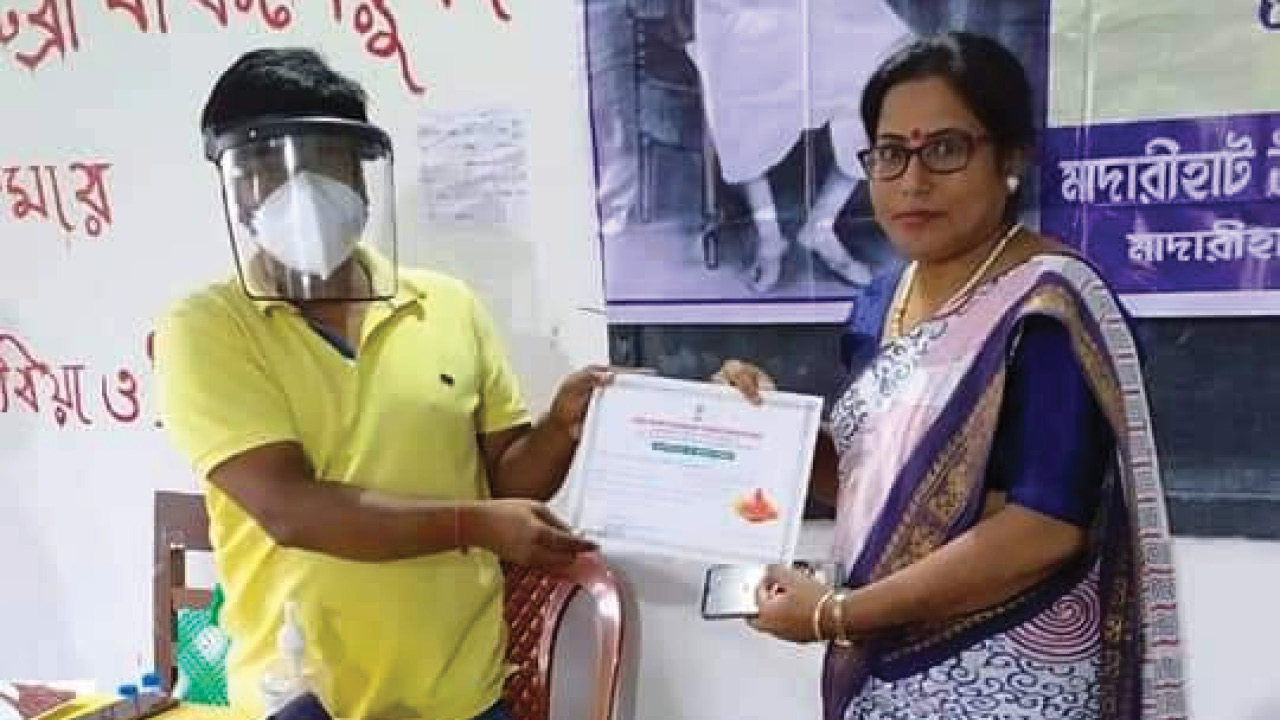
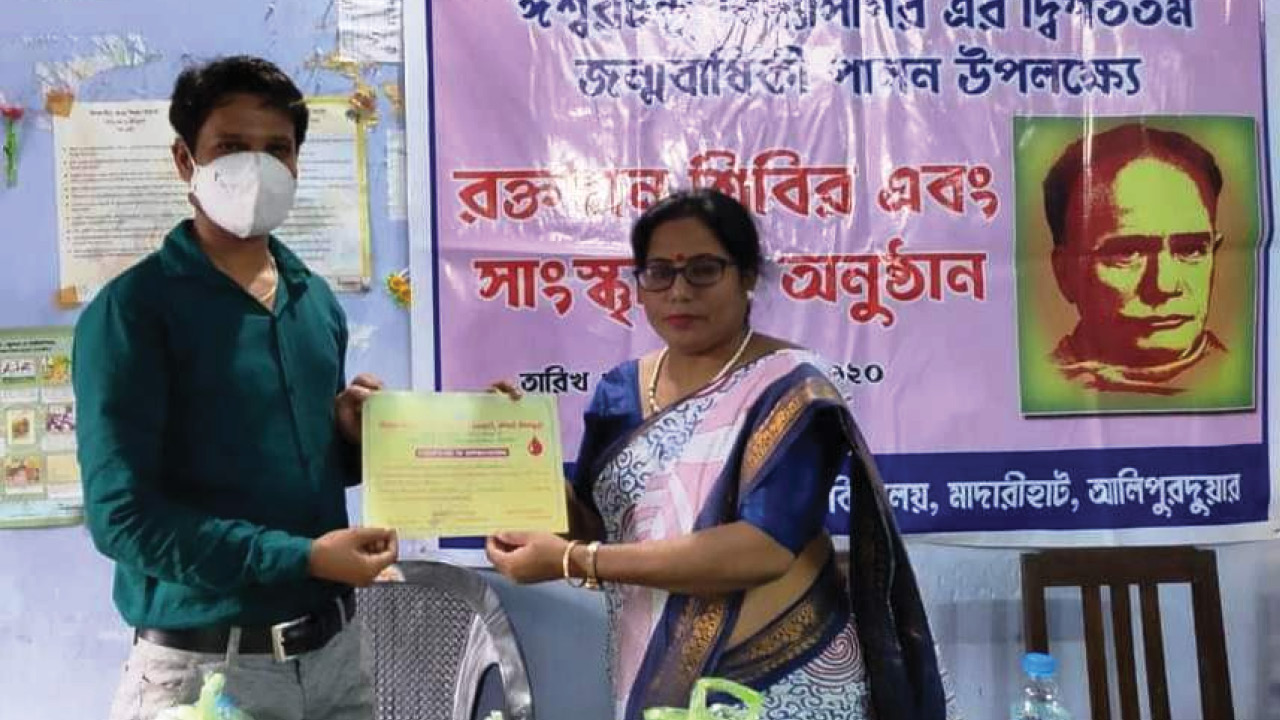
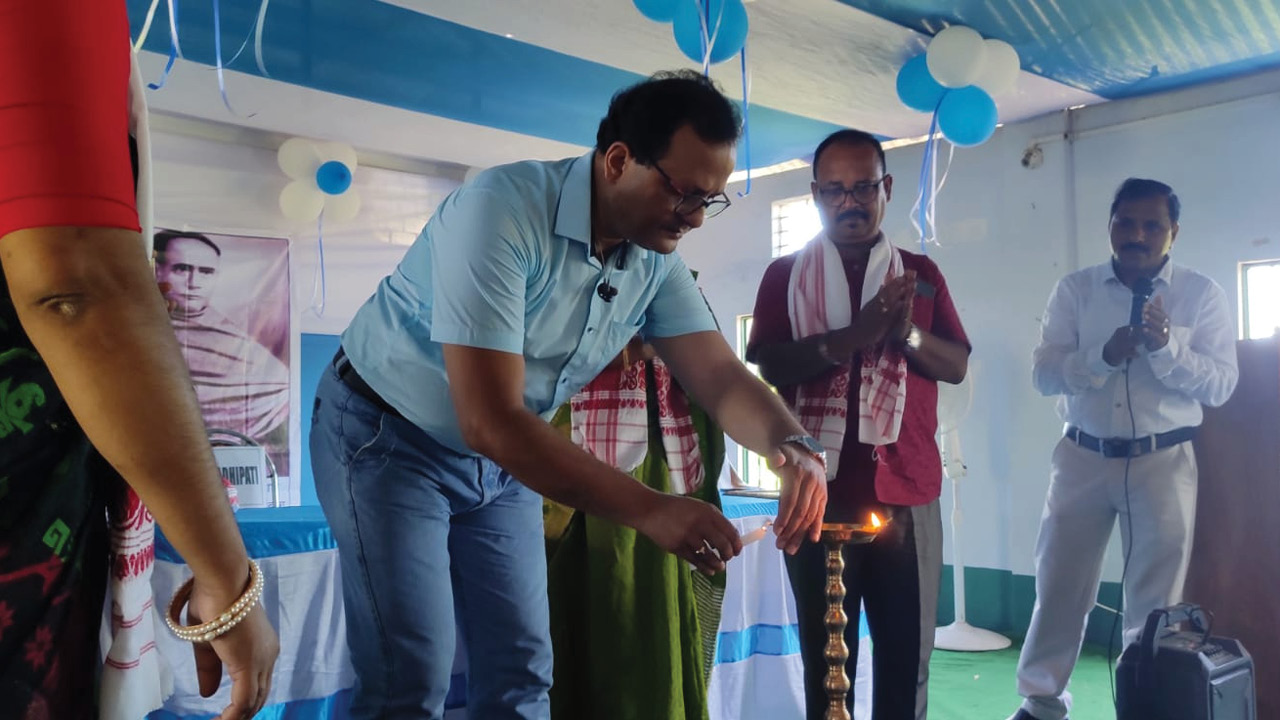
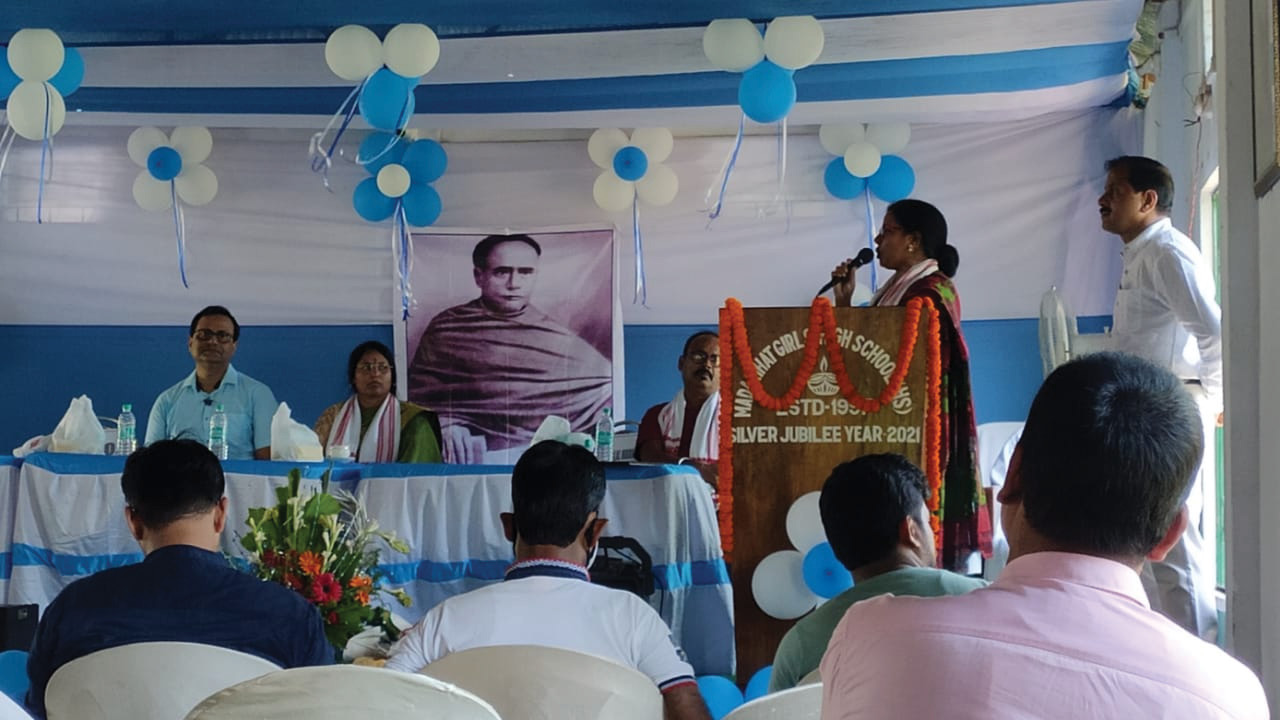
- Student rallies, campaigns, blood donation and clothing donation drives, fostering civic responsibility and community service
- Teacher-led leadership teams, mobilizing students, coordinating with health departments, and engaging parents and communities
Outcomes
- Health-empowered students with better awareness of preventive healthcare, resulting in reduced absenteeism
- Decline in child marriage and trafficking risks due to targeted awareness and strong community engagement
- Higher levels of critical thinking, as students analyze risks, assess consequences, and adopt responsible behavioral choices
- Community resilience strengthened, with students leading awareness campaigns on cybercrime, women’s education, dengue, and hygiene
- Environmental stewardship enhanced, through successful large-scale plantation activities and climate-focused education
Project Details
Category: Education
Project Title: Miles to Go
Department or District: Higher Education Department, Alipurduar District
State: West Bengal
Start Date of the Project: 10th March 2023
Website: https://alipurduar.gov.in/school-education-department/
Tribe(s) that the Project Covers: The project is primarily implemented in Madarihat, a region with significant tribal and backward class populations.
Keywords: Tribal Education, Girls’ Empowerment, Health and Nutrition, Child Marriage Prevention, Trafficking, Community Resilience, Cybersecurity, Environmental Sustainability, Holistic Learning, Student Leadership, Community Participation
Madarihat Girls’ High School (H.S), located in the Alipurduar district of West Bengal, has embarked on a transformative educational and social project named “Miles to Go.” This initiative is driven by the urgent need to address several social, health, and environmental challenges faced by the local tribal and backward communities. The school recognized the importance of empowering female students and integrating them into broader societal progress through education, health awareness, and active community participation.
The Project
The project focuses on creating a socially responsible generation that extends their learning beyond academics. Madarihat Girls’ High School undertakes community-centric activities such as free health check-ups, blood donation and clothing drives, environmental initiatives like tree plantations, and awareness campaigns on pressing issues such as trafficking, child marriage, vector-borne diseases, and cyber security. The project emphasizes empowering girls, fostering community resilience, and encouraging proactive social engagement.
Problems that it Intends to Solve
- Lack of health awareness among students from backward and tribal communities.
- The impact of rising temperatures on global and local livelihoods.
- Prevalence of trafficking and child marriage, especially due to the school’s proximity to border areas.
- Low female education rates limiting social and economic advancement.
- Health threats from dengue and malaria outbreaks in the region.
What was the Need
The project was critical to address the low health awareness among students which affected their well-being and academic engagement. Social issues such as child marriage and trafficking needed urgent community interventions, especially in border regions. Additionally, environmental concerns and the need for climate action through tree plantation required student-led initiatives to make the community more sustainable and resilient. Female empowerment through education was another essential goal, aiming to break cycles of poverty and marginalization.
What Hindered its Introduction
The introduction of the project faced several barriers. There were financial limitations that constrained the resources available for such a wide-ranging initiative. Additionally, there was initial resistance from some teachers and guardians who questioned the relevance of awareness activities in a strictly academic environment. Misconceptions about such campaigns taking away from classroom learning also posed significant challenges.
Process Followed for Implementation
- Government
- The project received institutional support from the school administration and coordination with local health departments to organize medical camps.
- Involvement of NGO
- The initiative collaborated with organizations such as P&G for menstrual hygiene discussions and local health professionals for medical checkups.
- Involvement of Community
- Students, teachers, parents, and community members were actively involved. Community awareness campaigns, rallies, and plantation drives created avenues for direct community engagement.
Solutions Implemented
- Regular Health Check-ups: Medical camps conducted at the school provided critical health services, reducing absenteeism and addressing health issues early.
- Awareness Campaigns: Rallies and workshops on child marriage, trafficking, and health were consistently conducted, creating a sustained impact on students and the community.
- Environmental Drives: Tree plantation campaigns promoted climate action and environmental consciousness.
- Cybersecurity Workshops: Sessions on online safety educated students about navigating the digital world securely.
- Community Services: Initiatives like blood donation and clothing drives directly benefited underprivileged sections of the community.
Details of the Coverage of the Implementation
The project covered approximately 500 internal beneficiaries (students and staff) and 1000 external beneficiaries from the surrounding community. Activities ranged from school-based camps to wider community rallies and plantation events along highways and village paths.
Innovation and Unique Features
The project integrated health, education, and social issues in a holistic manner, making it unique.
- New Approaches: Interactive workshops, guest speaker series, and peer-to-peer education methods were used to ensure student involvement and active learning.
- Capacity Building: Students developed leadership skills by participating in organizing events and community programs.
- Culturally Sensitive Methods: The school ensured that issues like child marriage and trafficking were addressed with sensitivity to community norms and concerns.
- Co-creation: Students, teachers, and community members jointly conceptualized and executed activities, ensuring local ownership and sustainability.
- Adaptations: The project evolved to include cybersecurity workshops and menstrual hygiene awareness based on emerging student needs.
Challenges Faced Before Implementation
- Internal Challenges
- Limited financial resources.
- Lack of enthusiasm from some teachers.
- Limited digital literacy among students.
- External Challenges
- Negative community perceptions regarding the balance between academics and social activities.
- Some guardians misinterpreted awareness programs as distractions from academic success.
- Mitigation Efforts
- The headmistress and key enablers like Mrs. Rina Basak and Mrs. Archana Nayek demonstrated strong leadership, motivating both staff and students.
- Active communication with guardians helped address their concerns and increase community participation.
- The school leveraged its existing networks and collaborated with health and social organizations to compensate for financial constraints.
Challenges Faced During Implementation
- Internal Challenges
- Shortage of committed personnel to manage additional initiatives.
- Academic challenges faced by some students required extra teaching support.
- External Challenges
- Weather disruptions posed threats to planned outdoor activities like rallies and plantations.
- Socio-cultural resistance to the topics of trafficking, child marriage, and menstrual hygiene.
- Mitigation Efforts
- Creative scheduling and use of student leadership to overcome personnel shortages.
- The school diversified its strategies, using street plays and smaller group activities to reach hesitant community members.
- Adaptability in project timelines helped accommodate weather-related interruptions.
Outcomes
- Quantitative
- Over 200 students benefited from free medical check-ups.
- Significant student participation in tree plantation, blood donation, and awareness drives.
- Outreach to more than 1000 community members through public events and campaigns.
- Qualitative
- Students developed strong health awareness and critical thinking skills.
- Increased student engagement in civic responsibilities and community service.
- Noticeable reduction in cases of child marriage and improved community response to health and social issues.
- The project’s progress was regularly tracked by the school administration, led by the headmistress and supported by active teacher enablers. Feedback from students, parents, and community participants informed adjustments to the campaign strategies and schedules.
Replicability / Scalability / Sustainability
The project is highly replicable across schools in tribal and backward areas. Its modular structure allows for adaptation to local needs. Future plans include:
- Expanding cybersecurity training and health initiatives.
- Scaling anti-trafficking and child marriage prevention efforts.
- Sustaining environmental campaigns through community partnerships.
- Policy Integration
- The project aligns with state and national education policies promoting girls’ education, health awareness, and child protection. The involvement of government health departments ensures policy-backed support.
- Financial Sustainability
- While the project currently operates under financial constraints, its reliance on community participation, government collaboration, and minimal-cost initiatives makes it sustainable. The project seeks innovative funding opportunities to support future expansions.
- Replication
- The project’s success demonstrates that holistic, student-led initiatives can bring measurable community transformation. It can be effectively replicated in other schools, particularly in tribal and border regions, by tailoring the awareness themes to local socio-economic issues.
Gallery