Kannadippaya Special Bamboo Weaved Mat Product: Scientific, Technical and Marketing Interventions for Tribal Empowerment
Kannadippaya Special Bamboo Weaved Mat Product: Scientific, Technical and Marketing Interventions for Tribal Empowerment
Problem
- Minimal social mobility with an average annual income of ₹45,000, largely dependent on MGNREGS and subsistence farming
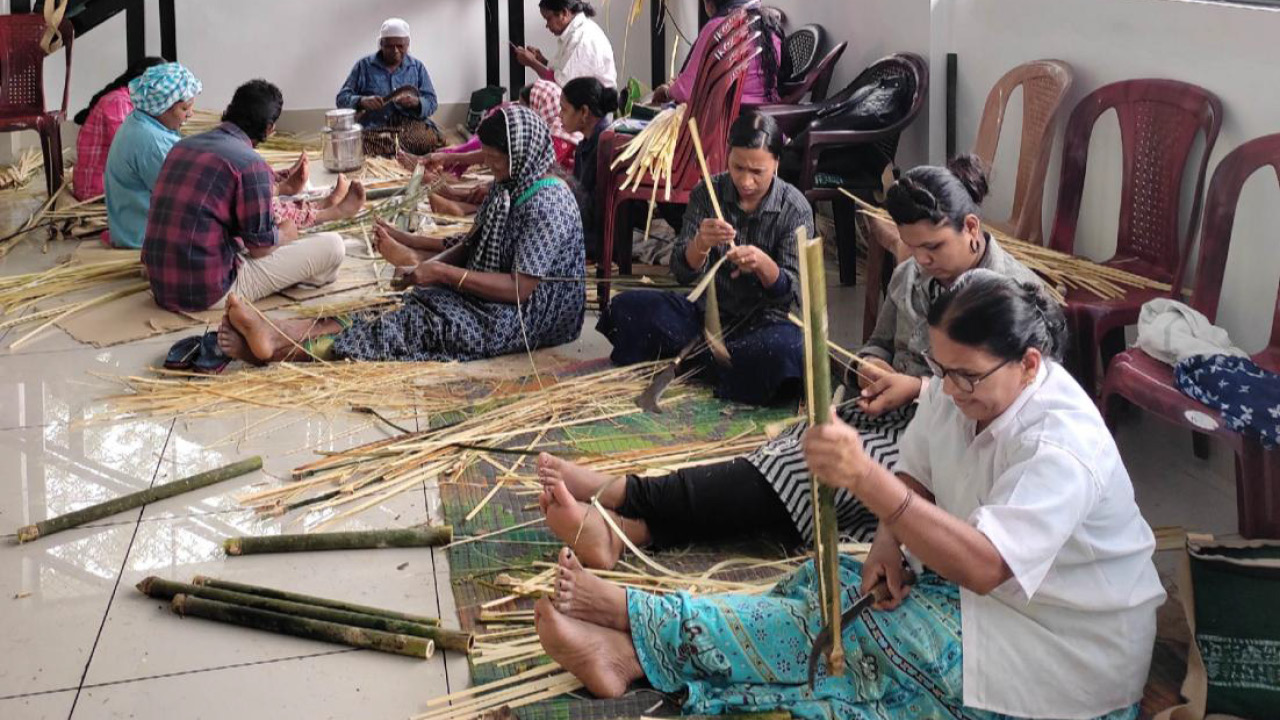
- Traditional Kannadippaya weaving skills are being lost due to fragile knowledge transfer across generations
- Decreased availability of endemic reed bamboo species Teinostachyum wightii near tribal settlements
- Entirely manual production involving high drudgery and lack of seasoning
- Absence of branding, institutionalisation and digital presence
Solution
- Introduced 12 advanced machines, including laser engraving and hydraulic splitting
- Trained 83 tribal artisans (77% women) in mechanised processing and innovative product design
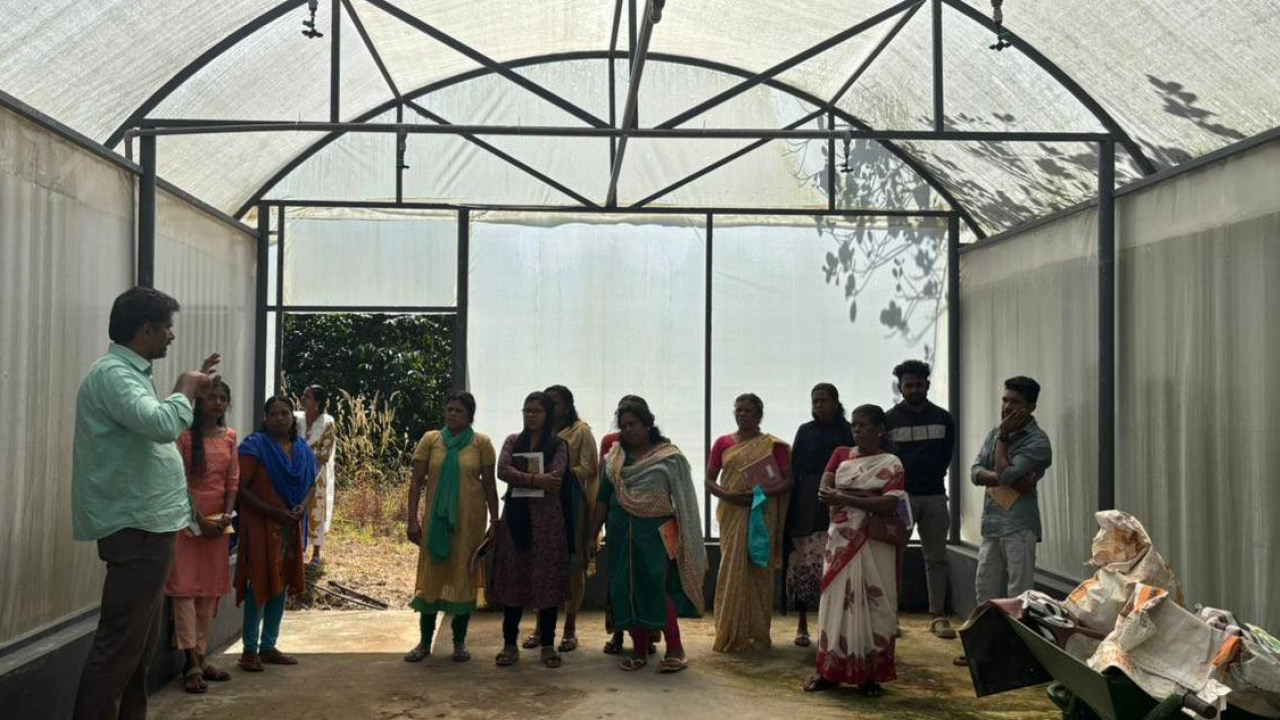
- Established a bamboo processing unit, shade house, potting shed and scientific seasoning protocols
- Planted and geo-tagged 5,000 Teinostachyum wightii saplings to ensure a sustainable raw material supply
- Launched e-commerce website and social media platforms
Outcomes
- Mechanisation lessened manual labour and speed production while improving standardised quality for wider acceptance
- Eighty-three artisans gained skills in a range of high-value products, including yoga mats and lifestyle accessories
- Provided year-round employment opportunities to 179 tribal members
- Sustainable bamboo supply secured via geo-tagged plantation of 5,000 saplings
- Market reach increased through digital platforms and major exhibitions
Project Details
Category: Innovation
Project Title: Kannadippaya Special Bamboo Weaved Mat Product: Scientific, Technical and Marketing Interventions for Tribal Empowerment
Department or District: KSCSTE-Kerala Forest Research Institute, Peechi
State: Kerala
Start Date of the Project: September 2022
Website: https://www.kfri.res.in/
Tribe(s) that the Project Covers: The project primarily benefits Scheduled Tribe communities in Idukki District, Kerala, particularly the Urali tribe, as well as the Malayaraya, Mannan, Muthuvan and Ulladan communities residing in Devikulam, Thodupusha and Idukki Taluks. These communities have historically depended on forest-based livelihoods and possess deep-rooted traditional knowledge of bamboo craft, particularly the unique Kannadippaya weaving technique.
Direct beneficiaries are members of the ‘Unarvu’ Scheduled Tribe Multipurpose Co-operative Society, Venmony, Kanjikkushi Grama Panchayat. These artisans are among the last groups preserving the traditional skill of crafting Kannadippaya, an indigenous bamboo mat known for its distinctive sheen and intricate weaving.
Keywords: Bamboo Crafts, GI Registration, Mechanisation, Cooperative Enterprise, Sustainable Forestry, Women Livelihoods, Preservation of Indigenous Knowledge, Digital Market Integration
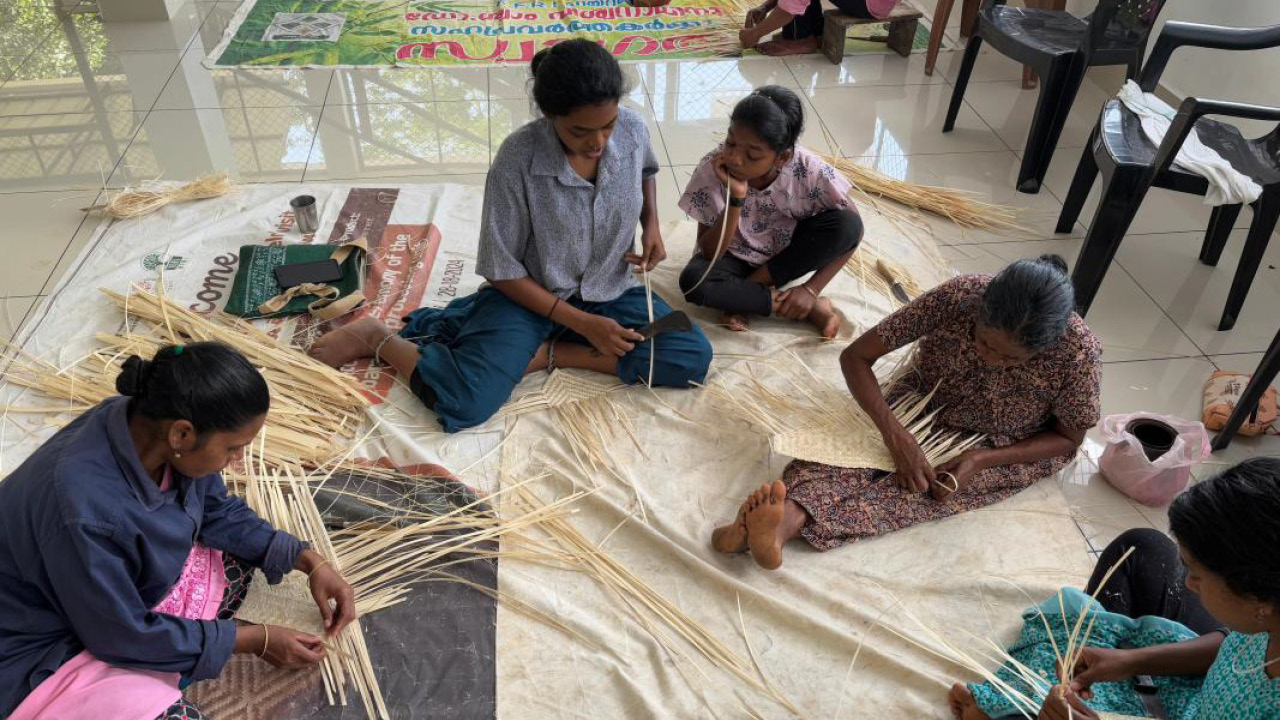
Kannadippaya is a traditional bamboo mat weaving craft endemic to the tribal communities of Idukki district. The name derives from the mat’s mirror-like sheen (“Kannadi” meaning mirror), achieved through a painstaking hand-weaving process using finely split strips of reed bamboo (Teinostachyum wightii). Historically, these mats were integral to tribal households for domestic use and ritual purposes. The craft faces survival threats: reduced supply of endemic bamboo, strenuous manual processing, low market visibility and meagre returns that deter youth. Aging artisans have few apprentices to sustain the tradition.
Recognising both the cultural and economic value of Kannadippaya, KSCSTE-Kerala Forest Research Institute (KFRI), Peechi, initiated a comprehensive intervention to scientifically and economically revitalise the craft. The initiative aimed not merely to preserve tradition but to transform it into a modern, market-responsive tribal enterprise.
The Project
Launched in September 2022 under the Science for Equity Empowerment and Development framework , the project sought to integrate scientific research, technological modernisation, ecological restoration and marketing innovation into the Kannadippaya value chain.
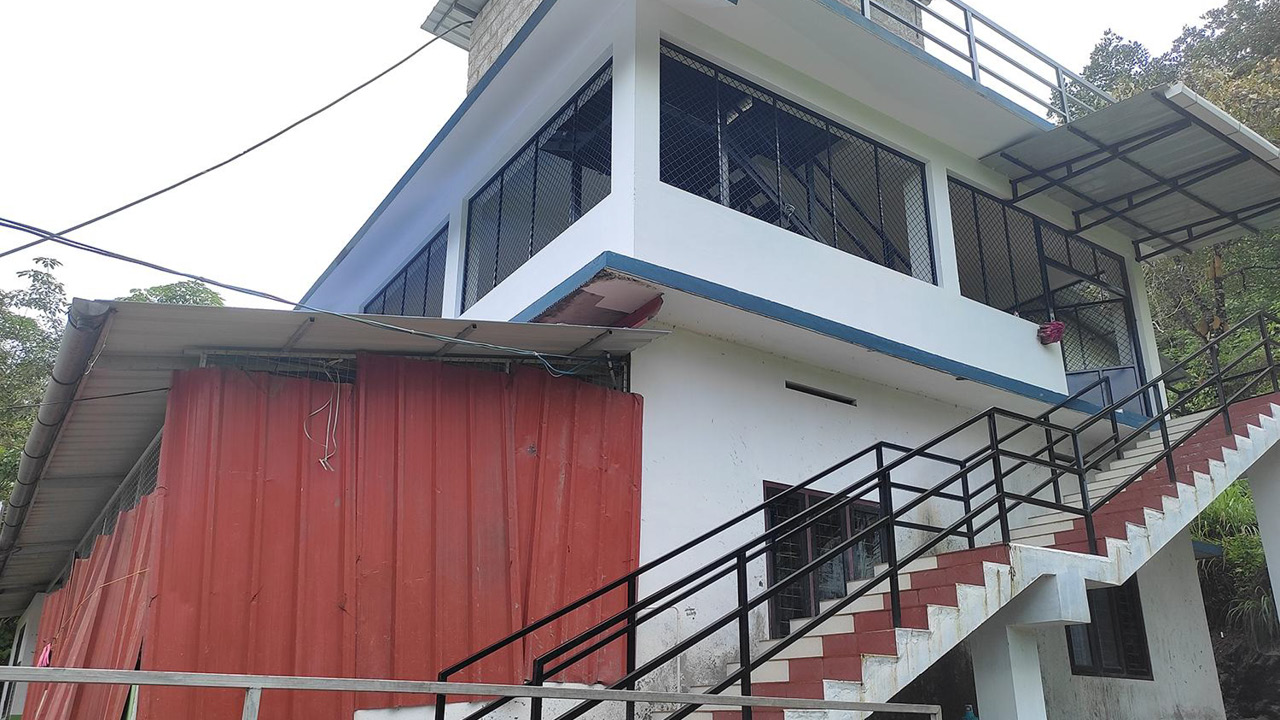
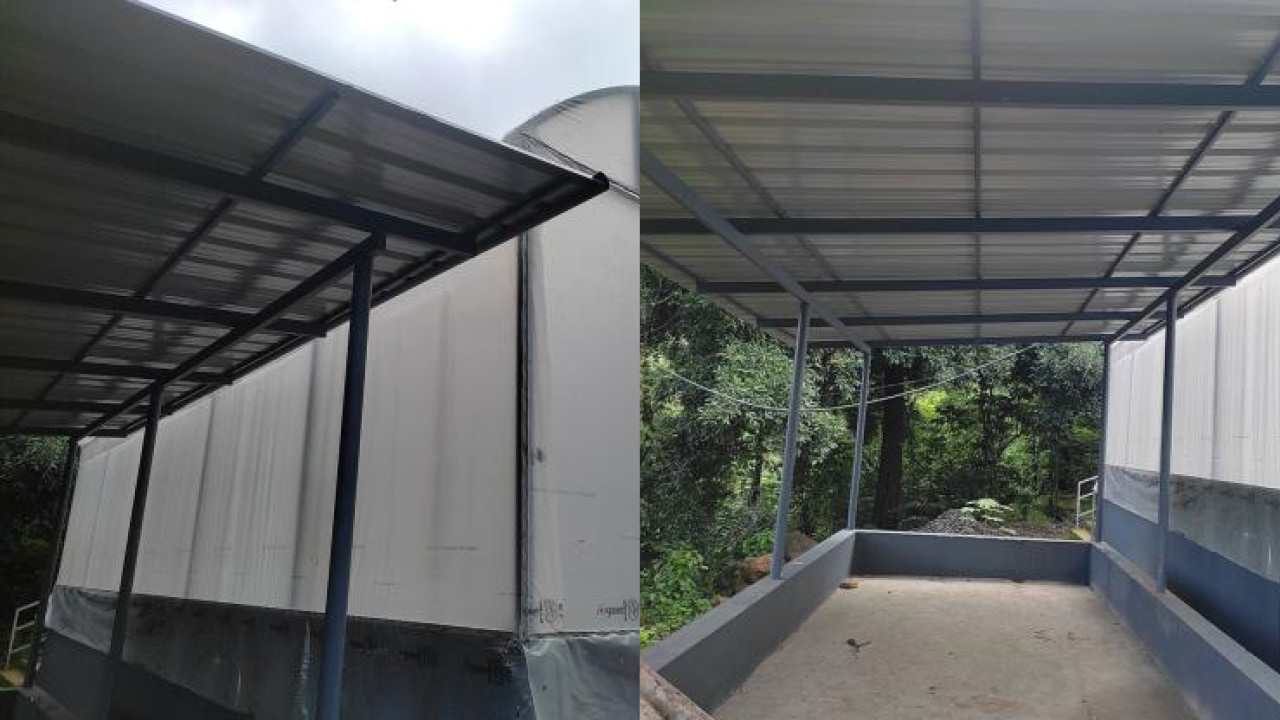
A bamboo processing unit was established as a common facility center equipped with advanced mechanised tools. Additionally, infrastructure such as a shade house and a potting shed was constructed to support bamboo propagation and nursery activities. Furthermore, the initiative introduced nine mechanised technologies to improve productivity and standardisation while retaining traditional aesthetics.
Simultaneously, the project emphasised branding and intellectual property protection. This focus culminated in the GI registration of Kannadippaya, making it the first tribal product from Kerala to achieve this recognition. By combining tradition, technology, ecology and enterprise, the project developed a unified empowerment strategy.
Problems that it Intends to Solve
The project addressed multi-dimensional challenges affecting tribal bamboo artisans. Annual incomes averaged approximately ₹45,000, largely dependent on seasonal wage labour and MGNREGS. Bamboo weaving was supplemental rather than primary income, limiting its economic viability.
Manual splitting and slivering processes were labour-intensive and inconsistent in quality. Moreover, the lack of scientific seasoning techniques reduced durability and increased product rejection. Furthermore, the endemic bamboo species required for weaving had become scarce due to habitat pressures and a lack of systematic propagation.
Market access was limited to local traders offering low prices. The absence of branding and packaging limited the craft to informal markets. Younger generations perceived the occupation as economically unattractive, risking the extinction of knowledge.
Need and Rationale
Preserving Kannadippaya required both cultural safeguarding and economic viability. Without intervention, declining incomes and scarcity of raw materials would have led to the irreversible loss of traditional knowledge.
Scientific processing was essential to reduce drudgery and enhance quality consistency. Ecological restoration was required to ensure a sustainable bamboo supply. Market integration was necessary to enable artisans to access premium markets and diversify their product offerings.
Institutional strengthening through the cooperative model would enable collective bargaining, profit sharing and reinvestment. Digital integration would bridge geographic isolation and connect artisans directly with consumers.
Implementation Process
The implementation began with a socio-economic baseline survey covering 266 individuals across 86 households. Participatory planning sessions ensured community ownership.
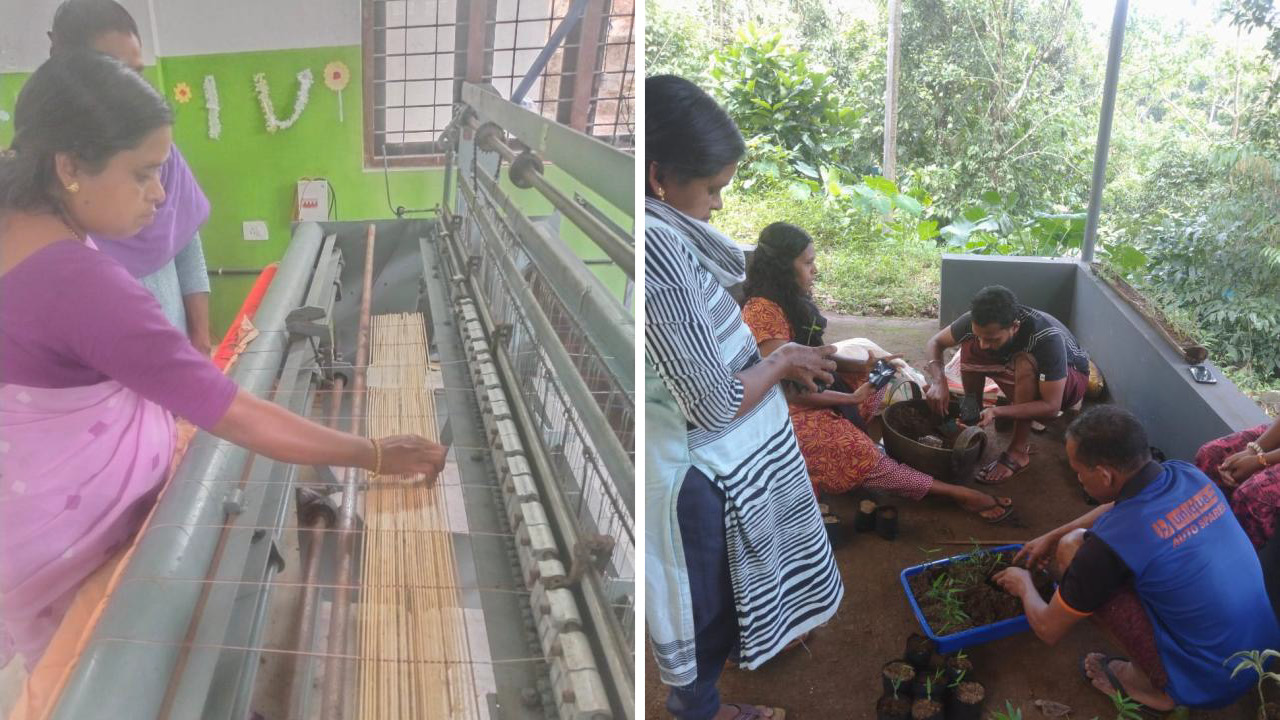
Infrastructure development included the construction of a bamboo processing unit, a shade house and a potting shed. Nine mechanised tools, including hydraulic splitting machines, thick slivering machines, round-rod makers, blind-weaving machines and laser engraving equipment, were procured and installed.
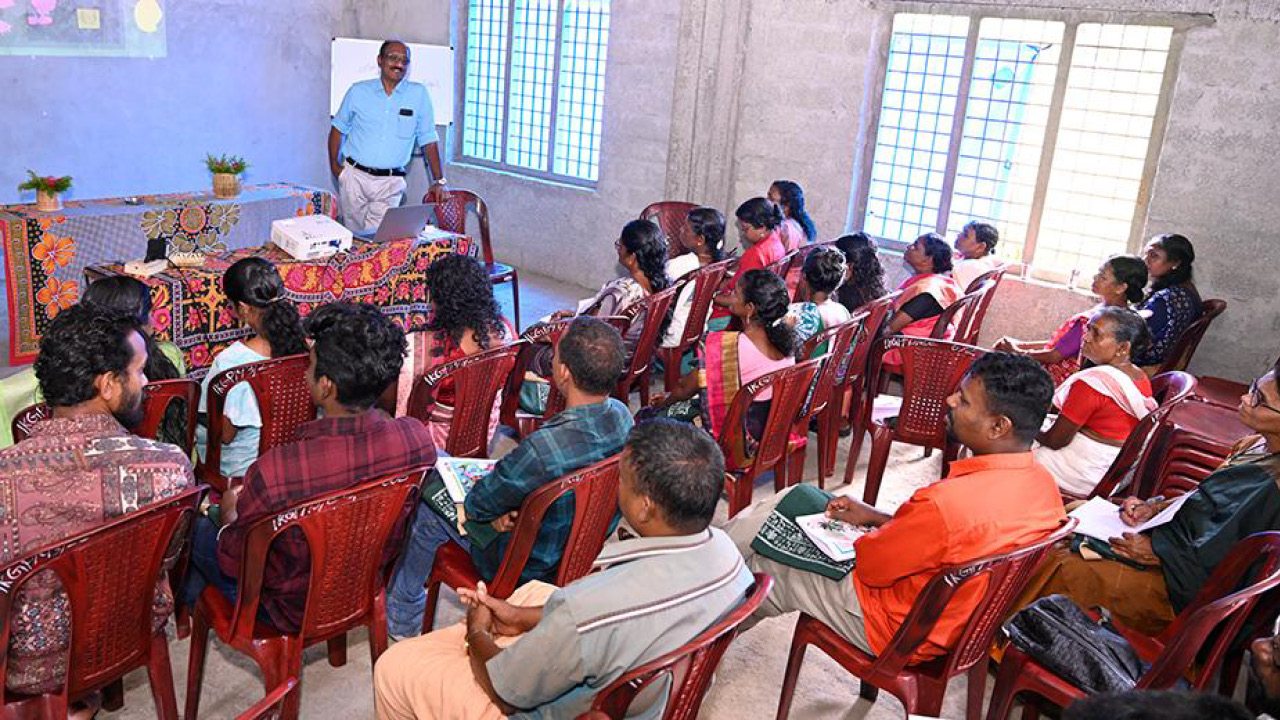
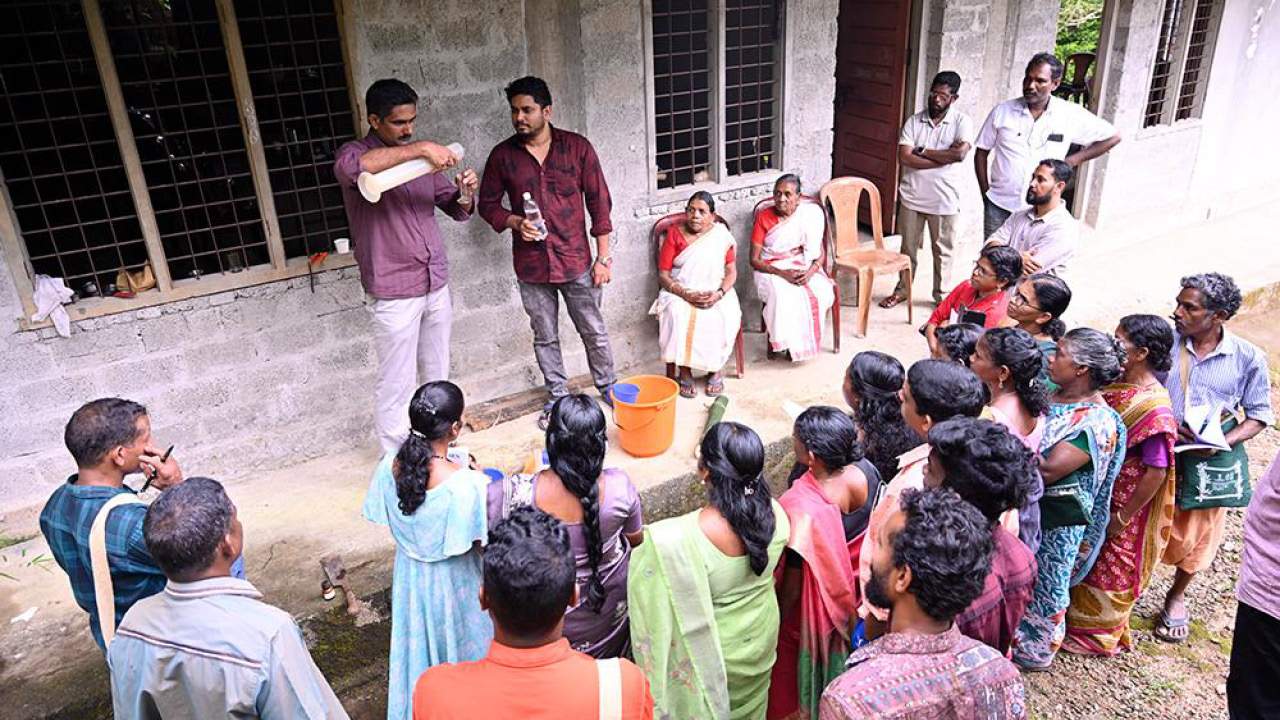
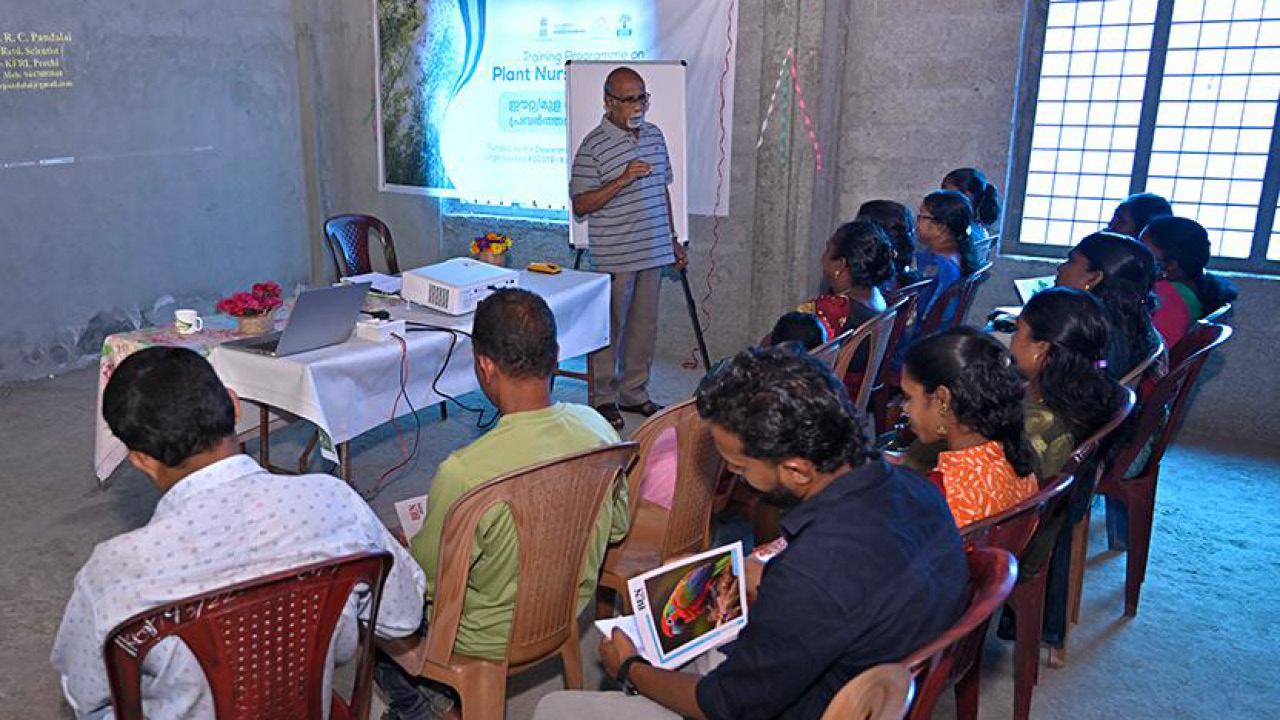
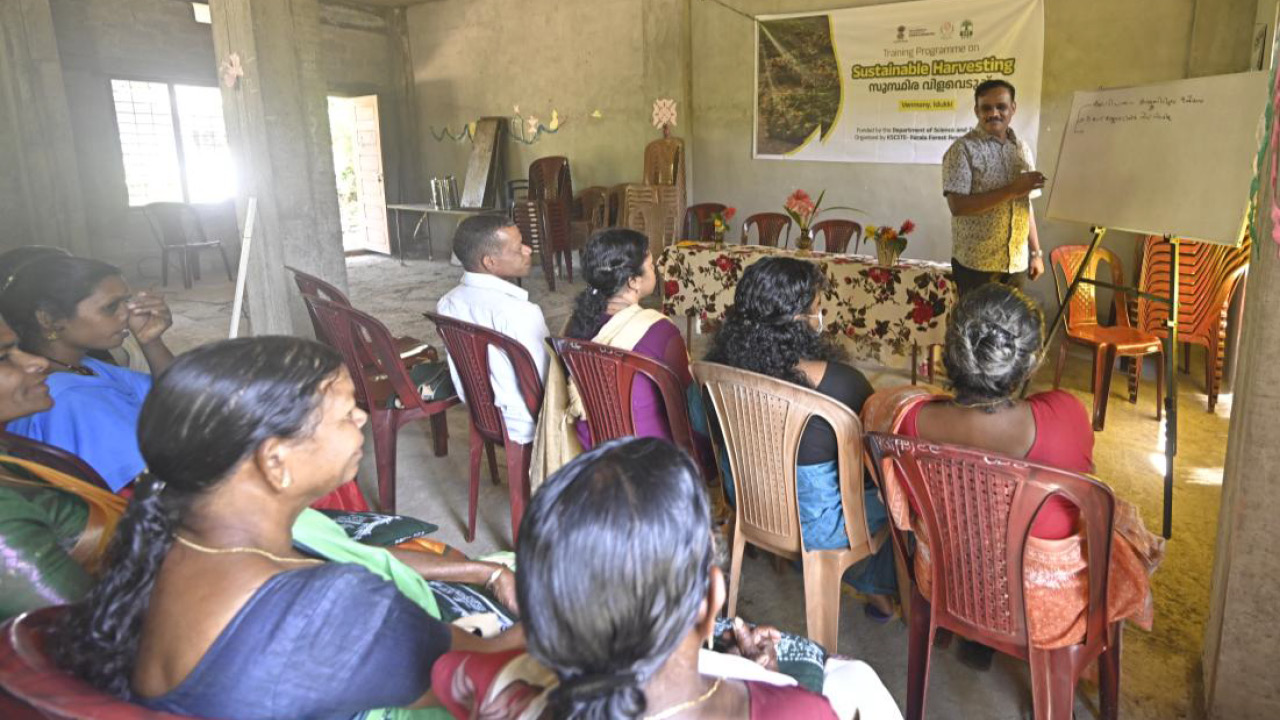
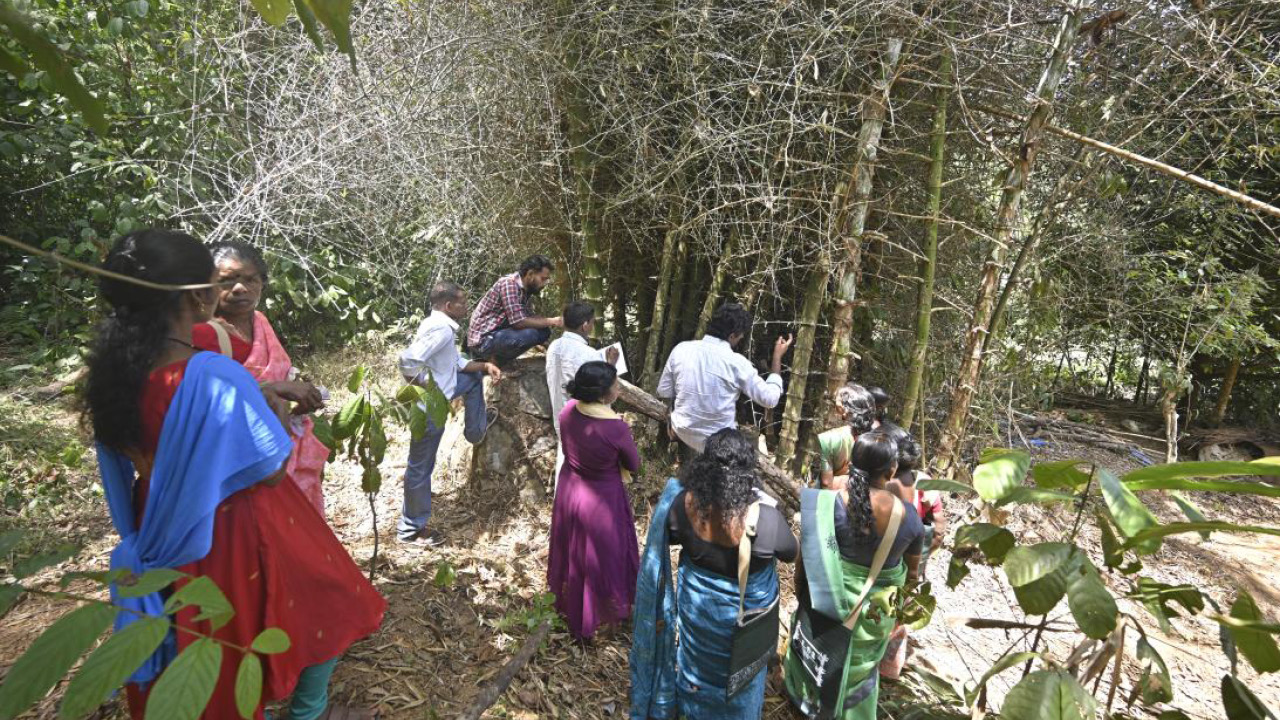
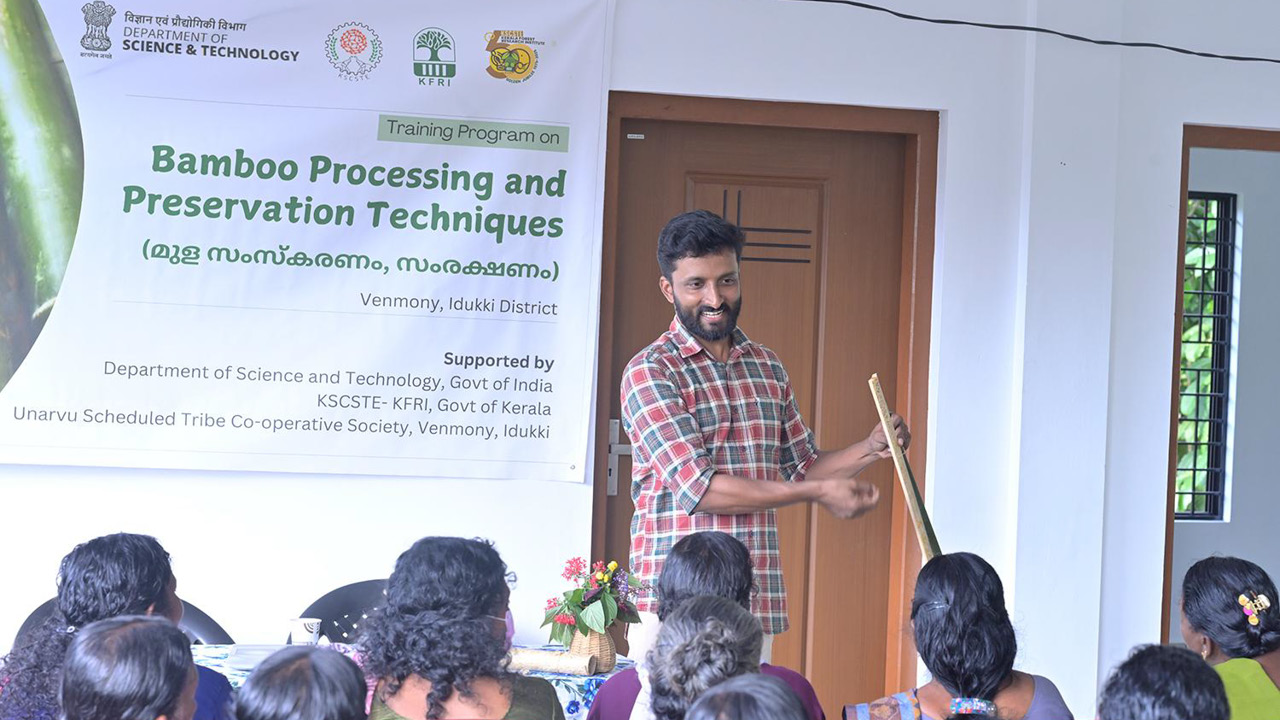
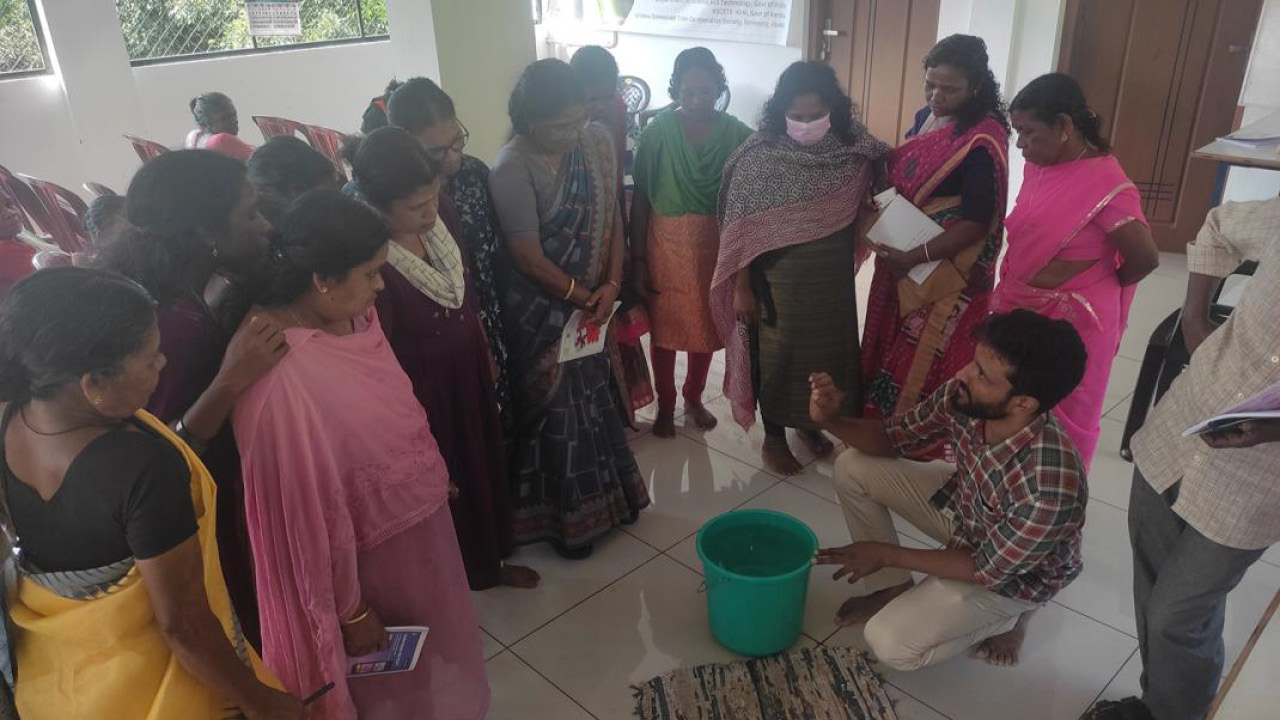
Capacity-building programmes covered bamboo nursery management, sustainable harvesting, preservation techniques, mechanised processing, product diversification and digital marketing. A 15-day intensive training programme introduced 15 new product categories beyond traditional mats.
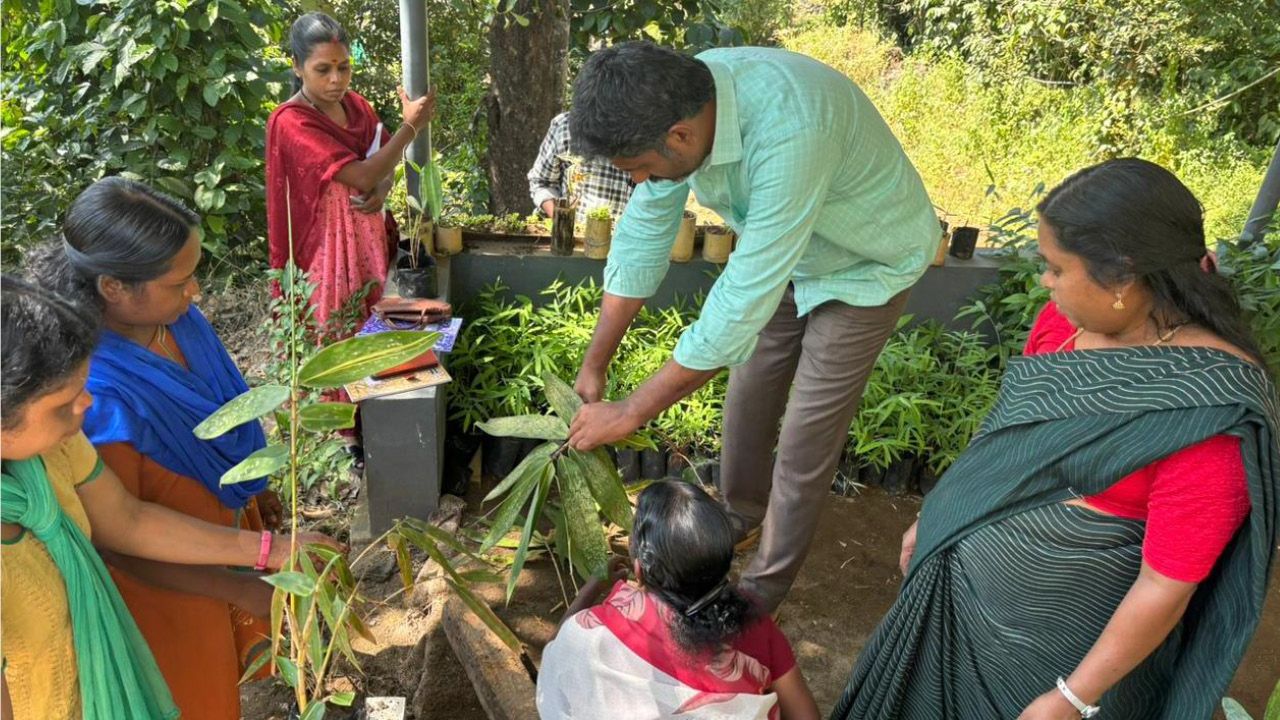
Alongside capacity-building, the project took important ecological steps. Five thousand Teinostachyum wightii saplings were planted and geo-tagged and resource mapping ensured traceability and monitoring. Exhibition participation and digital platform development expanded outreach.
The implementation of the Kannadippaya project followed a carefully sequenced, science-led yet community-driven approach. The first phase focused on understanding the socio-economic profile and skill distribution within the artisan cluster. A structured baseline survey covering 266 individuals across 86 households helped identify income levels, dependence on bamboo weaving, gender participation and existing production bottlenecks. This diagnostic exercise ensured that the intervention design was evidence-based rather than generic. Consultations engaged the Unarvu Cooperative Society for collective ownership. Early workshops built trust among artisans unfamiliar with mechanisation, showing technology’s role in supporting craftsmanship.
Infrastructure development was executed in phases. The bamboo processing unit was established as a centralised common facility centre, ensuring shared access to machinery and minimising individual capital burden. A shade house and potting shed were constructed to support bamboo nursery operations, creating an integrated production ecosystem from raw material to finished product.
These infrastructure developments were complemented by careful coordination in the procurement and installation of nine specialised machines, working closely with suppliers and training providers. Capacity-building programmes were extensive and multi-dimensional, covering sustainable harvesting, bamboo propagation, preservation methods, mechanised splitting and slivering, product diversification, packaging and digital marketing. A 15-day product innovation training introduced new design templates and contemporary product applications, enabling artisans to move beyond traditional mats.
Simultaneously, ecological restoration efforts were undertaken; five thousand Teinostachyum wightii saplings were raised, planted and geo-tagged using GPS technology, ensuring traceability, monitoring and long-term sustainability of raw materials. Meanwhile, exhibition participation and market exposure were systematically planned to test product reception and gather consumer feedback.
Solutions Implemented
The solutions implemented were multi-layered and addressed the entire value chain, from raw material cultivation to final marketing.
At the production level, manual splitting and slivering processes were replaced with mechanised systems that improved uniformity, minimised material loss and reduced physical strain. Scientific seasoning and preservation techniques were introduced to improve product durability and resistance to pests and moisture. These measures significantly enhanced quality, consistency and customer satisfaction.
Product diversification was a major strategic solution. Traditional Kannadippaya mats were supplemented with yoga mats, meditation mats, table mats, document files, wallets, lamp shades, decorative panels and customised engraved products. This diversification enabled artisans to tap into lifestyle, wellness and home décor markets rather than being confined to conventional buyers.
Establishing a bamboo nursery addressed raw-material insecurity. By cultivating endemic reed bamboo in community-managed plots, the project ensured a long-term supply while generating supplementary income through sapling sales.
Institutional strengthening of the Unarvu Cooperative formalised procurement, quality control, inventory management and collective marketing. The creation of a project-specific logo, packaging standards, e-commerce platform and social media channels facilitated direct-to-consumer outreach. Participation in exhibitions expanded visibility and connected artisans to premium markets.
Details of the Coverage
The project directly benefited 266 tribal individuals, with women constituting the majority of trainees. The common facility center indirectly benefits over 500 additional artisans. Over five thousand endemic bamboo saplings were planted, contributing to ecological restoration.
Innovation and Unique Features
The integration of mechanisation with traditional aesthetics represents a rare fusion of indigenous craftsmanship and modern engineering. Laser engraving introduced design precision while preserving cultural authenticity.
Geo-tagging of bamboo saplings established ecological traceability. GI registration provided intellectual property protection and market differentiation.
The convergence of forestry science, cooperative enterprise, digital marketing and women-led participation created a holistic empowerment model. The initiative exemplifies how traditional crafts can align with sustainable development and Industry 4.0 technologies.
The project’s core innovation lies in its successful fusion of indigenous knowledge with scientific and technological advancement. Introducing mechanised tools into a traditionally hand-crafted product without compromising its cultural authenticity represents a delicate but impactful innovation.
Another significant innovation was obtaining GI registration for Kannadippaya, establishing it as the first tribal product from Kerala to receive such recognition. This provided intellectual property protection and positioned the product within a premium heritage category.
The convergence model integrating forestry science, cooperative governance, digital marketing and women-led participation reflects systemic innovation. The initiative demonstrates how traditional crafts can be repositioned within a modern economic framework while sustaining biodiversity and cultural identity.
Challenges Faced
The project faced several operational and structural challenges. Procurement of specialised machinery encountered delays due to limited vendor availability and constraints on quotations. Installation and technical calibration required coordination with external experts.
Convincing artisans to adopt mechanisation required sustained trust-building. Some community members initially feared loss of traditional authenticity or employment displacement. Continuous engagement and demonstration of productivity gains were necessary to ensure acceptance.
Propagation of raw materials through bamboo nursery development takes several years to reach full maturity, creating interim supply constraints. Balancing immediate production demand with long-term ecological regeneration posed planning challenges.
Market integration also presented risks. Dependence on large retail chains could potentially reduce bargaining power in the future. Building independent digital sales channels and fostering brand loyalty remain ongoing efforts.
Ensuring consistent quality control across multiple artisans, adapting to digital marketing tools and maintaining cooperative governance transparency required continuous mentoring and institutional strengthening.
Despite these challenges, the project demonstrates that structured scientific intervention, participatory governance and market integration can transform a vulnerable traditional craft into a resilient, sustainable tribal enterprise.
Outcomes
The outcomes of the Kannadippaya intervention extend beyond immediate income enhancement and reflect structural transformation across economic, ecological, institutional and cultural dimensions. The project has repositioned bamboo weaving from a marginal subsistence activity to a structured, value-added enterprise supported by scientific processing, institutional governance and market connectivity.
At the economic level, mechanisation reduced raw material waste by approximately 30 percent, significantly improving production efficiency. Standardisation of slivering and splitting ensured consistent product quality, reducing rejection rates and enabling access to premium markets. Product diversification into higher-value categories such as yoga mats, décor items and engraved customised products enhanced value addition by 60-80 percent per unitaAs a result, household incomes reportedly increased by nearly 30 percent, creating more stable year-round earnings rather than seasonal or irregular returns.
The project also stimulated entrepreneurship within the tribal community. Approximately 50 individuals emerged as bamboo processing entrepreneurs; 14 specialised in nursery management and others took up roles in training, product finishing and marketing.
Women’s participation constitutes a notable outcome. With women forming a majority of trainees, the project enhanced their economic visibility and decision-making roles within households and the cooperative structure. Regular engagement in production and marketing activities increased social recognition and reduced economic vulnerability among female artisans.
Ecologically, the planting and geo-tagging of 5,000 Teinostachyum wightii saplings have strengthened the conservation of endemic bamboo species. By integrating resource mapping and nursery development, the project created a sustainable raw material base while contributing to biodiversity preservation and carbon sequestration. This ecological regeneration ensures long-term viability of the craft and reduces pressure on natural forest stands.
Institutionally, the strengthening of the Unarvu Cooperative transformed informal artisan activity into a structured collective enterprise. Standardised procurement, quality control systems and shared infrastructure reduced individual risk and enhanced bargaining power. The GI registration of Kannadippaya provided legal protection, improved brand identity and differentiated the product in competitive markets.