Ma Vooriki Malaria Vacchindi under NCVBDC Programme
Ma Vooriki Malaria Vacchindi under NCVBDC Programme
Problem
- Parvathipuram Manyam District endures malaria due to persistent ecological and climatic conditions
- Authorities recorded a high malaria burden, noting 2,653 malaria-positive cases in 2024 and 1,745 cases as of October 2025
- Tribal and remote hilltop villages struggled with delayed diagnosis, slow treatment and inconsistent follow-up
- Low literacy levels and language barriers made it difficult to effectively communicate malaria awareness campaigns
- Malaria-related deaths and complications
Solution
- The special district-level programme “Ma Vooriki Malaria Vacchindi” was launched in October 2025 at Gorada village, GL Puram Mandal
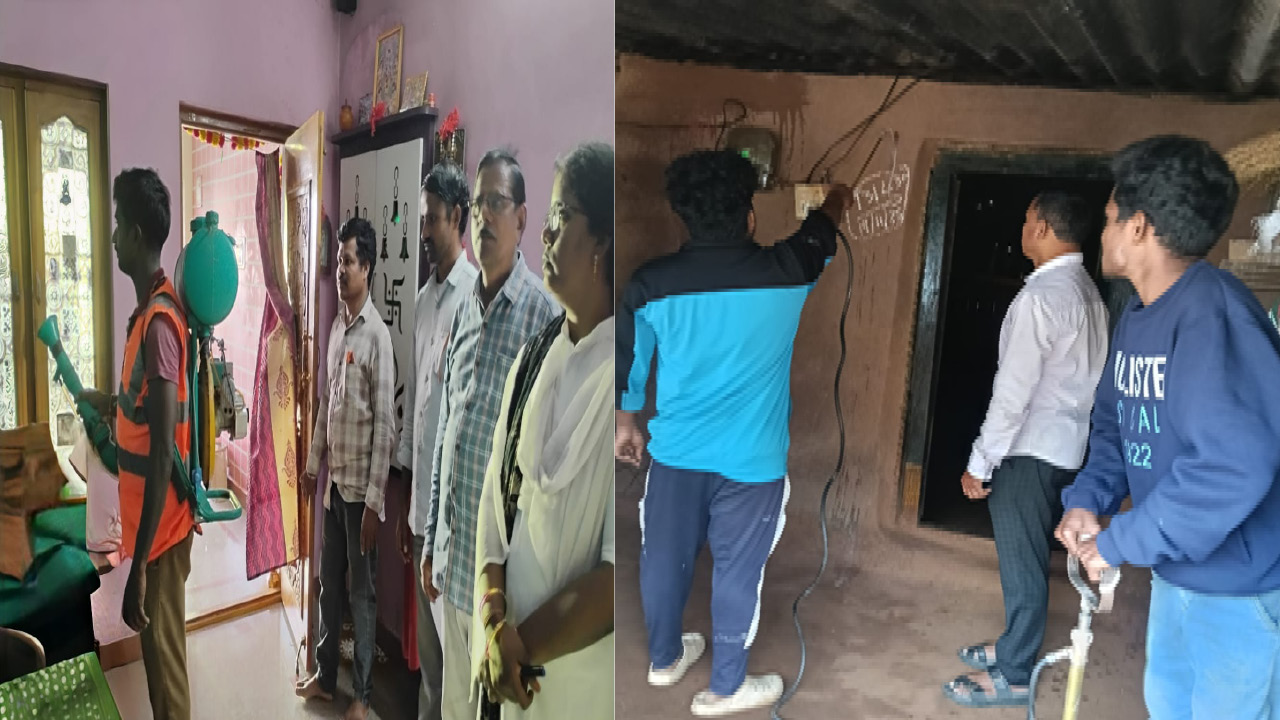
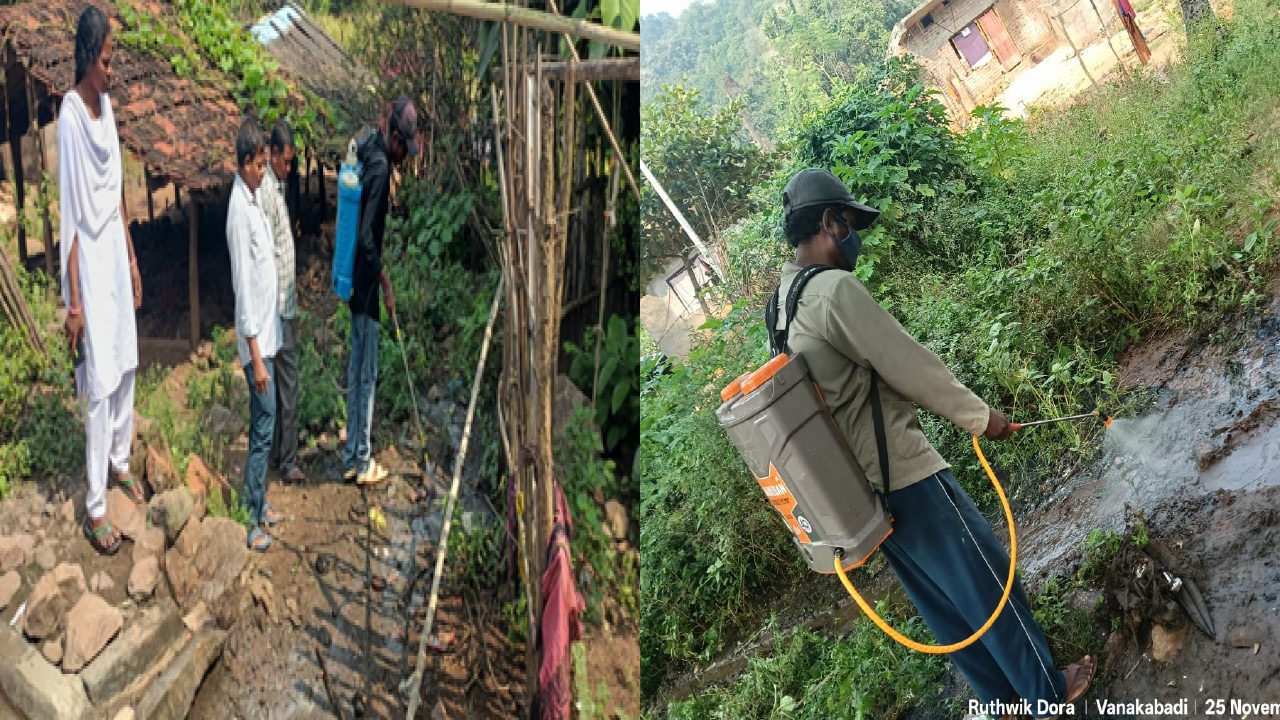
- Teams implemented integrated vector management measures, including indoor residual spray and fogging
- Health workers conducted mass screening and door-to-door fever surveillance to detect both symptomatic and asymptomatic Malaria cases
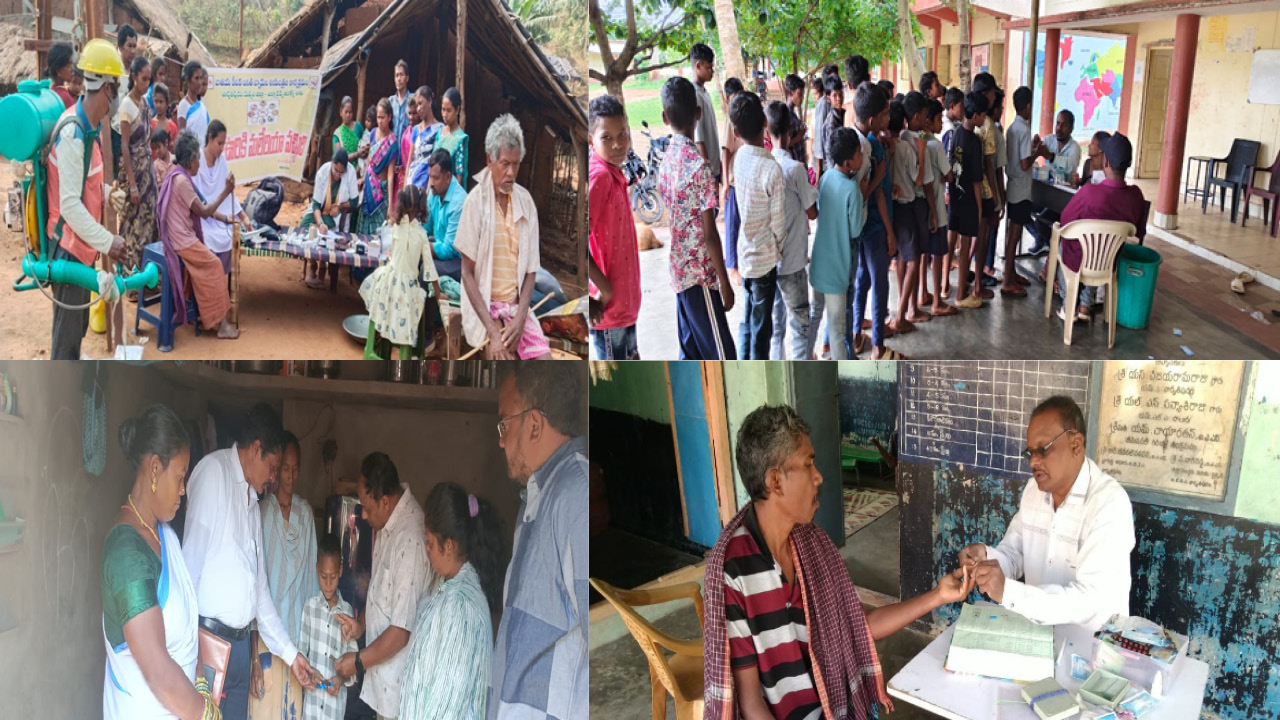
- Teams organised medical camps, delivered prompt treatment
- Community awareness, engaging local educators, school-based instruction and sanitation campaigns
Outcomes
- Teams achieved an 87 percent reduction in malaria cases in affected villages within 35 days
- Reported cases dropped from 322 in November 2024 to 40 in November 2025 in targeted areas
- The programme’s launch eliminated malaria-related deaths
- No malaria-related co-morbidity cases surfaced during the intervention period
- Community awareness heightened, acceptance of indoor spraying improved and inter-sectoral coordination strengthened
Project Details
Category: Healthcare
Project Title: Ma Vooriki Malaria Vacchindi under NCVBDC Programme
Department or District: N C V B D C – Medical & Health Family Welfare, Parvathipuram, Manyam District, Andhra Pradesh
State: Andhra Pradesh
Start Date of the Project: 25 October 2025
Website: https://ncvbdc.mohfw.gov.in/
Tribe(s) that the Project Covers: The project covers Scheduled Tribe communities in malaria-endemic, forested and hilltop regions of Parvathipuram Manyam District, Andhra Pradesh. These comprise vulnerable tribes in remote, inaccessible habitations within the ITDA zones of Parvathipuram and Seethampeta. Savara (Soura), Jatapu, Gadaba, Konda Dora, Valmiki, Bagata, and Porja communities. In some pockets, Particularly Vulnerable Tribal Groups (PVTGs) such as Savara sub-groups are also covered.
Keywords: Malaria Elimination, Tribal Health, Integrated Vector Management, Indoor Residual Spray, Mass Screening, Fever Surveillance, Inter-Sectoral Convergence, IEC/BCC, District Governance
Parvathipuram Manyam District has been consistently malaria-endemic due to its distinctive ecology, climate, forested landscape and economic challenges among tribal groups. Surveillance data showed a high burden: 2,653 confirmed malaria cases in 2024 and 1,745 reported by 25 October 2025. Persistent transmission in tribal regions, coupled with mortality and complications, required an integrated public health response.
In response, the NCVBDC wing of the Medical & Health Family Welfare Department launched the “Ma Vooriki Malaria Vacchindi” campaign on 25 October 2025 at Gorada village under the District Collector’s leadership, aiming to accelerate malaria elimination through coordinated district-level actions.
The Project
“Ma Vooriki Malaria Vacchindi” was launched as a focused intervention to halt malaria transmission in identified high-risk mandals. The project followed NCVBDC protocols and aimed to eliminate malaria before the national 2030 target.
The focused intervention covered 10 affected mandals and 60 to 71 villages during the campaign period, with 60 to 75 targeted campaigns conducted from 25 October to late November or December 2025. The initiative mobilised village-level functionaries, line departments, health staff, ASHAs, local leaders and youth groups under a unified district command structure.
Problems that it Intends to Solve
The district faced ongoing malaria transmission driven by forest ecology, stagnant water and prime mosquito breeding conditions. Remote hilltop villages had delayed diagnosis and insufficient follow-up. Economic hardship and low literacy limited both awareness and health-seeking behaviours.
Frequent outbreaks in high-risk villages heightened concerns about deaths and complications. Resistance to indoor spraying, challenges with integrating vector management and language barriers further impeded control efforts.
Need and Rationale
Malaria inflicts major health and economic burdens on tribal communities, undermining productivity and heightening household vulnerability. Lowering morbidity and averting mortality are vital to enhancing health security and social stability in the district.
Because of endemicity and seasonal spikes, intensified surveillance and integrated vector control were urgently needed. A mission-focused campaign with decisive leadership was required to deliver rapid results and restore confidence in malaria control.
Implementation Process
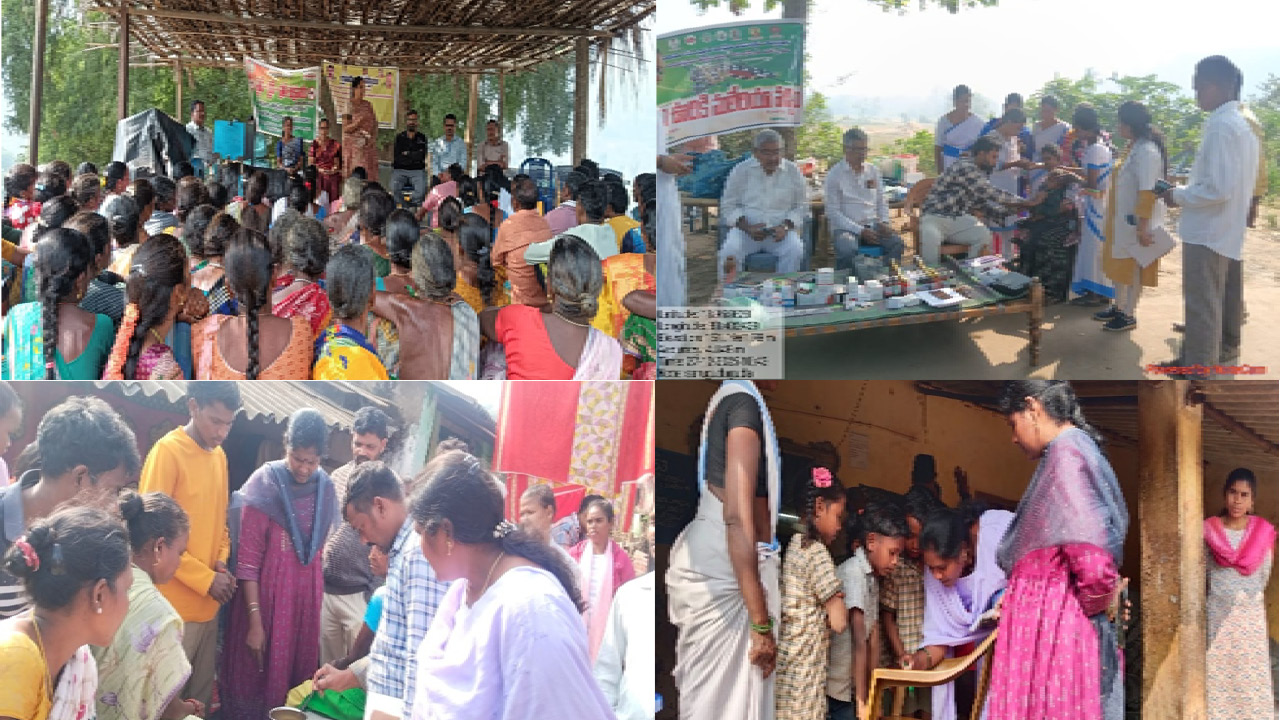
The campaign began on 25 October 2025 with district-wide mobilisation. Intensive door-to-door fever surveys detected symptomatic individuals. Mass screening identified both obvious and hidden cases, disrupting silent transmission.
Medical camps were set up in villages to provide on-the-spot diagnosis and direct treatment. Follow-up visits ensured treatment completion and stopped relapse.
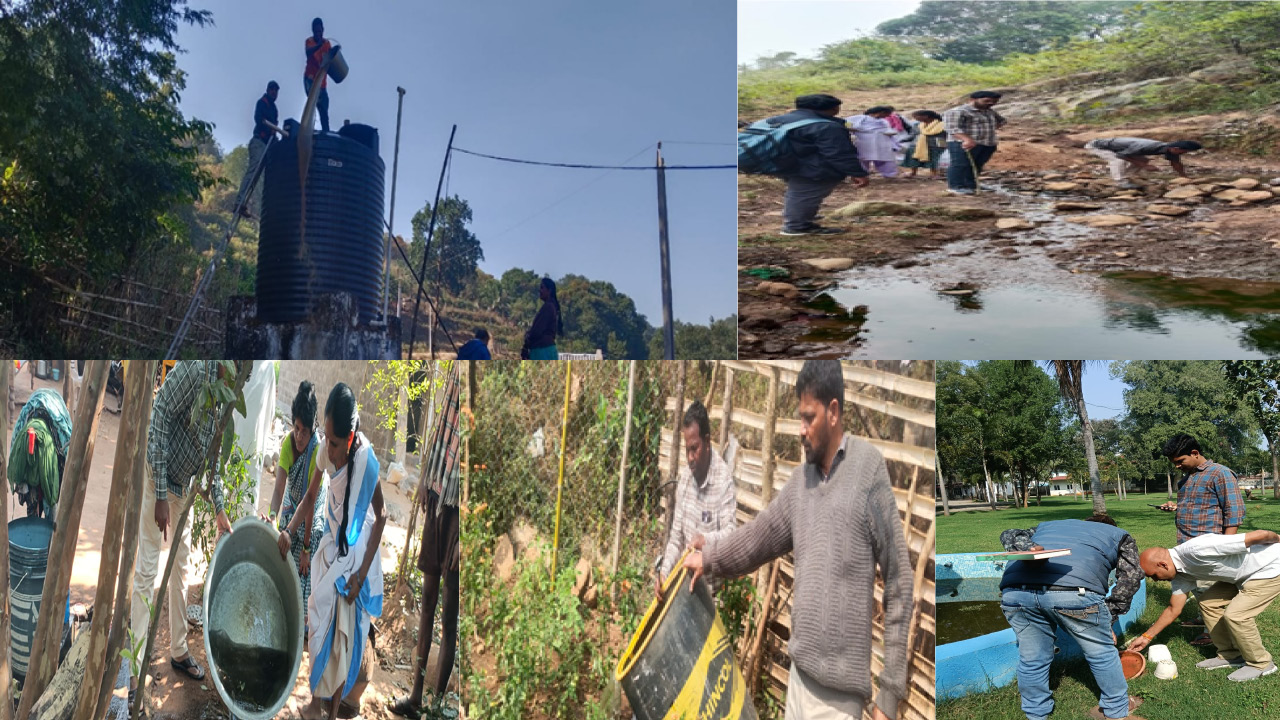
Integrated Vector Management was executed simultaneously. Indoor Residual Spraying and Indoor Space Spraying were conducted systematically. Anti-larval operations included channelisation of stagnant water, larvicide application and deployment of ML oil balls. Weekly dry-day activities encouraged the elimination of household breeding sources.
Sanitation drives removed stagnant water and improved hygiene. Planting mosquito-repellent plants enhanced chemical vector control. Awareness campaigns in local languages, led by community educators and schools, reinforced preventive behaviours. district-level supervision, including direct participation by the District Collector, ensured accountability and inter-departmental coordination.
Solutions Implemented
The solutions implemented under “Ma Vooriki Malaria Vacchindi” were designed around three integrated pillars: surveillance strengthening, vector control intensification and community-driven behavioural change.
The first pillar focused on strengthening both active and passive surveillance systems. Door-to-door fever screening was conducted across targeted villages to identify symptomatic cases early. Mass population screening was carried out even in the absence of overt symptoms to detect asymptomatic carriers, who are often reservoirs of infection in endemic regions. Medical camps were organised within villages to ensure immediate testing, diagnosis and radical treatment of positive cases. Structured follow-up ensured treatment completion and reduced relapse risk, addressing a key weakness in routine malaria management.
The second pillar involved comprehensive Integrated Vector Management (IVM). Indoor Residual Spraying and Indoor Space Spraying were carried out systematically across affected villages to reduce adult mosquito populations. Anti-larval operations targeted breeding sites by channelising stagnant water, spraying larvicides and using ML oil balls to eliminate larvae. Fogging operations were conducted in high-density transmission pockets. Special sanitation drives removed stagnant water sources and weekly dry-day observance encouraged households to inspect and eliminate potential breeding containers.
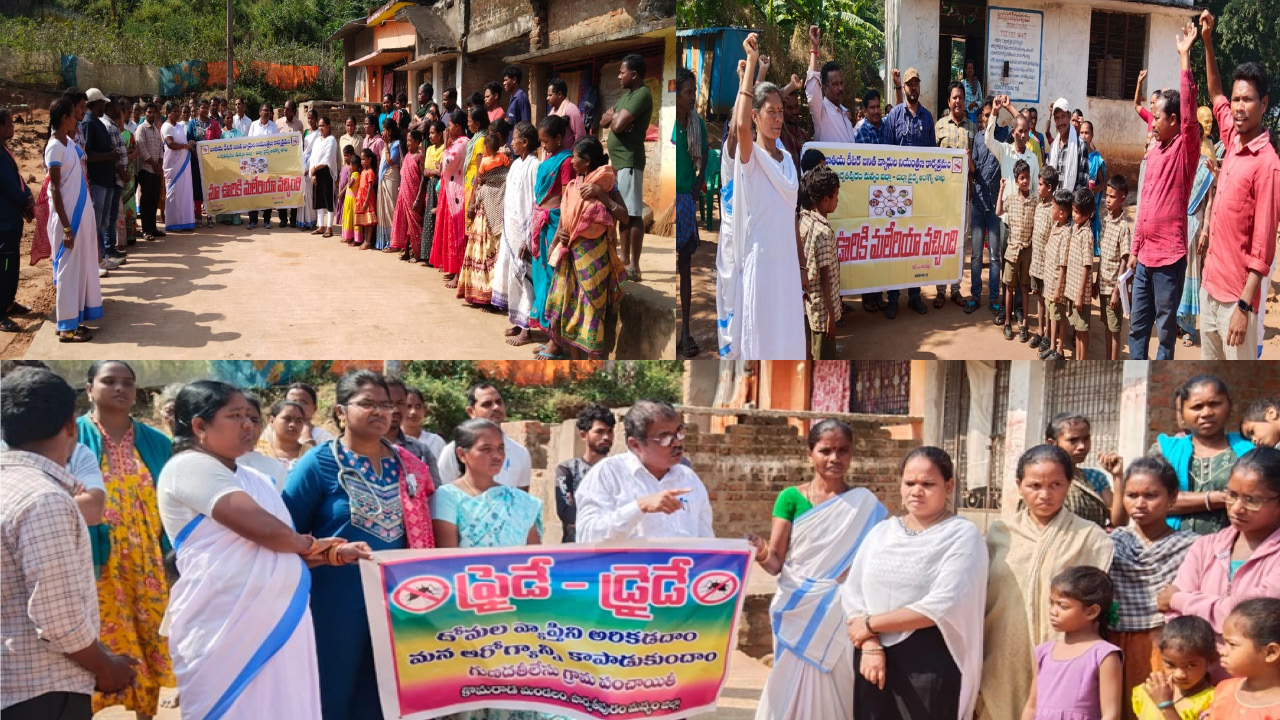
The third pillar addressed behavioural and social determinants of malaria transmission. Intensive IEC and BCC campaigns were conducted in local languages using culturally contextualised communication methods. Awareness programmes explained malaria symptoms, transmission cycles, preventive measures and the importance of using LLINs. Rallies, group meetings and larval demonstrations in villages and schools enhanced community understanding of mosquito breeding patterns.
Together, these solutions moved beyond symptomatic treatment and addressed the full malaria transmission cycle, human host detection, vector suppression, environmental control and behavioural transformation.
Details of the Coverage
The intervention covered 10 high-risk mandals and up to 71 affected villages through 60-75 focused campaigns. Approximately 425,000 individuals fell within the direct monitoring scope, while the broader district population of about 9,50,000 benefited indirectly.
During the campaign period, cases in targeted villages reduced sharply. Reported cases during late October to November/December 2025 dropped to 65-80, compared to significantly higher counts in the same period in 2024.
Innovation and Unique Features
The most significant innovation of “Ma Vooriki Malaria Vacchindi” lies in transforming routine malaria control activities into a mission-mode, district-led convergence campaign. While malaria prevention under NCVBDC typically operates through standard surveillance and vector control cycles, this initiative elevated malaria elimination into a visible public movement anchored at the highest level of district administration. The District Collector’s direct leadership and field participation introduced urgency, accountability and cross-departmental ownership rarely seen in routine health campaigns.
Another key innovation was the shift from passive detection to aggressive active surveillance. Instead of waiting for symptomatic patients to approach health facilities, the programme conducted door-to-door fever surveys and mass screening of entire village populations, including asymptomatic individuals. This proactive detection strategy helped break hidden transmission chains, which are particularly common in forested tribal areas where mobility and access barriers delay diagnosis.
The intervention also innovated through structured inter-sectoral integration. Departments such as Panchayat Raj, Rural Development, Education, ICDS and village-level administration were formally integrated into malaria control efforts. Rather than limiting malaria response to health personnel alone, the programme made vector control and awareness a collective responsibility of the local governance ecosystem. The involvement of MPDOs, Mandal Special Officers, DLPOs and DLDOs institutionalised convergence at the mandal and village levels.
Communication strategy constituted another innovative dimension. Recognising that public awareness campaigns often fail in tribal belts due to language and literacy barriers, the programme utilised educated local youth, school teachers and community influencers to translate health messages into dialects understood by local communities. School-based education sessions ensured that children carried preventive behaviour messages into their households, reinforcing behavioural change beyond the campaign period.
Environmental integration was also noteworthy. Alongside conventional vector control measures such as Indoor Residual Spraying and fogging, the initiative promoted the planting of mosquito-repellent plants and enforced “dry-day” practices to eliminate stagnant water weekly. This blended ecological management with medical intervention reflects a holistic understanding of vector ecology.
The campaign’s time-bound structure, covering 10 high-risk mandals and up to 71 affected villages through 60-75 focused campaigns within approximately five weeks, created measurable short-term impact while strengthening long-term surveillance systems. This combination of administrative leadership, active case detection, ecological management and community mobilisation distinguishes MUMV as an innovative district governance model in public health.
Challenges Faced
The implementation of MUMV encountered structural, geographic and socio-cultural challenges inherent to tribal and forested regions.
Geographical inaccessibility posed one of the most significant obstacles. The district includes numerous hilltop and interior habitations, with over 200 villages reported to be difficult to access due to poor road connectivity. Transporting spray equipment, conducting medical camps and ensuring follow-up visits in these areas required logistical planning and additional manpower. Weather conditions and forest terrain further complicated field operations.
Socio-economic deprivation among tribal populations affected health-seeking behaviour. Many households prioritised daily wage work over health consultations, leading to delayed diagnosis and incomplete treatment courses. Ensuring compliance with radical treatment regimens required repeated counselling and follow-up.
Low literacy levels and linguistic diversity created communication barriers. Standard malaria awareness materials were often difficult to understand in tribal dialects. Overcoming misinformation and building trust in interventions such as indoor spraying required sustained interpersonal communication through local influencers.
Another challenge involved integrating vector control activities across multiple departments. Coordination among health teams, sanitation staff, Panchayat bodies and the local administration required continuous supervision and inter-departmental meetings. Aligning schedules and ensuring simultaneous action in all affected villages demanded strong leadership.
Early diagnosis and complete follow-up of positive cases posed operational challenges in remote habitations. Migratory patterns and temporary absences of residents complicated tracking efforts. Maintaining consistent surveillance even after a visible reduction in cases requires vigilance to prevent a resurgence.
Despite these challenges, sustained district-level leadership, structured monitoring, inter-sectoral convergence and community engagement enabled successful implementation. The experience highlights that malaria elimination in tribal regions demands not only medical solutions but also logistical resilience, social mobilisation and administrative commitment.
Outcomes
Within 35 days, the programme achieved approximately an 86-87 percent reduction in malaria cases in targeted villages compared to the same period in November 2024. Cases reduced from 322 in November 2024 to 40 in November 2025 in affected areas.
No malaria-related deaths were reported after the launch of the programme and no co-morbidity cases were documented during the intervention period. Community awareness improved, acceptance of indoor spraying increased and intersectoral coordination strengthened.
Beyond the immediate numerical reduction in malaria cases, the outcomes of “Ma Vooriki Malaria Vacchindi” reflect structural improvements in public health governance, community behaviour and inter-departmental coordination within Parvathipuram Manyam District.
Importantly, the absence of malaria-related deaths and co-morbidity cases during the intervention period indicates improved early diagnosis and timely radical treatment. This reflects strengthened case management protocols and effective follow-up mechanisms at the village level.
The programme also led to measurable improvements in surveillance quality. Active case detection through mass screening increased the sensitivity of the district’s malaria surveillance system, reducing reliance on passive reporting alone.
Community-level behavioural change emerged as another critical outcome. Acceptance of Indoor Residual Spraying, which often faces resistance due to misconceptions, improved significantly. Regular dry-day observance and sanitation drives increased awareness about mosquito breeding prevention. School-based education and local-language communication fostered improved understanding of malaria symptoms and preventive practices.
Institutionally, the intervention strengthened inter-sectoral convergence. Departments beyond Health actively participated in source reduction, sanitation and awareness campaigns. This created a replicable governance template for addressing other vector-borne diseases. The visible involvement of district leadership enhanced administrative accountability and community trust in public health systems.
The campaign also enhanced workforce discipline and field coordination. Maintenance of attendance registers, activity checklists and daily supervision improved operational efficiency. Field staff gained experience in rapid-response campaign execution, strengthening district capacity for future public health emergencies.
At a broader level, the programme contributed to improved health security among tribal populations. Reduced malaria incidence translated into fewer workdays lost, lower out-of-pocket treatment costs and improved productivity in vulnerable households. By combining medical, environmental and behavioural interventions, the initiative produced outcomes that extend beyond short-term case reduction and contribute toward sustained malaria elimination in the district.