Madhya Pradesh State Minor Forest Produce (Trading & Development)
Madhya Pradesh State Minor Forest Produce (Trading & Development)
Problem
- Over exploitation and resource depletion of Non-Timber Forest Products (NTFPs) and lack of sustainable harvesting practices.
- Market dependency on tendu leaves with limited diversification
- Weak direct market linkages and dependence on middlemen
- Insufficient capacity in harvesting, storage and processing
- Lack of real-time data and resource mapping for efficient forest produce management
Solution
- Implemented a cooperative three-tier structure – Primary Societies, District Unions and State Federation – Trade, Collection and Marketing of NTFPs
- Strengthened benefit-sharing mechanisms, allocating 75% of net profits directly to primary collectors
- Introduced sustainable harvesting, regeneration and enrichment planting schemes
- Established local processing and value-addition units for medicinal and aromatic plants
- Promoted capacity building, quality certification and direct marketing through e-platforms
Outcomes
- Transparent income distribution benefiting over 40 lakh forest collectors
- Increased tendu leaf remuneration from ₹3,000 to ₹4,000 per standard bag
- Improved biodiversity conservation through replantation and in-situ resource management
- Enhanced market access and higher profit margins through processing and branding initiatives
- Reduced exploitation by middlemen, ensuring equitable income for tribal communities
Project Details
Category: Forest Produce
Project Title: Madhya Pradesh State Minor Forest Produce (Trading & Development)
Department or District: Madhya Pradesh State Minor Forest Produce (Trading & Development) Co-operative Federation Limited
State: Madhya Pradesh
Start Date of the Project: 11 March 2022
Website: http://www.mfpfederation.org/
Tribe(s) that the Project Covers: The project primarily covers Scheduled Tribes and other forest-dwelling communities across Madhya Pradesh. The state has approximately 94,000 square kilometres of forest cover and nearly 40 lakh Minor Forest Produce (MFP) collectors dependent on forest-based livelihoods. More than 50 percent of these collectors belong to Scheduled Tribes and nearly half – around 18 lakh are women, making the initiative significantly inclusive and gender-responsive. These essentially include Bhil/Bhilala, Gond, Kol, Korku, Sahariya, Bharia, Sahariya and Baiga.
Keywords: Non-Timber Forest Produce (NTFP), Tribal Livelihoods, Tendu Leaves, Cooperative Governance, Benefit Sharing, Forest Regeneration, Minimum Support Price (MSP), Van Dhan Vikas Kendra (VDVK), Value Addition, Direct Benefit Transfer, Community Forest Management
The Madhya Pradesh State Minor Forest Produce (Trading & Development) Co-operative Federation Limited (MPMFP Federation), established in 1984 under the Madhya Pradesh Cooperative Act, 1960, serves as the apex institution for the trade and development of Non-Timber Forest Produce in the state. Functioning under the Forest Department, Government of Madhya Pradesh, the Federation operates through a robust three-tier cooperative structure comprising 60 District Cooperative Unions and 1,069 Primary Forest Produce Cooperative Societies.
Over the decades, the Federation has evolved into India’s largest community-based forest produce management system. It institutionalises participatory governance, ensures equitable income distribution and integrates conservation with commerce. With nearly 40 lakh beneficiaries dependent on forest produce, the Federation plays a critical role in sustaining tribal livelihoods while promoting ecological stewardship.
The Project
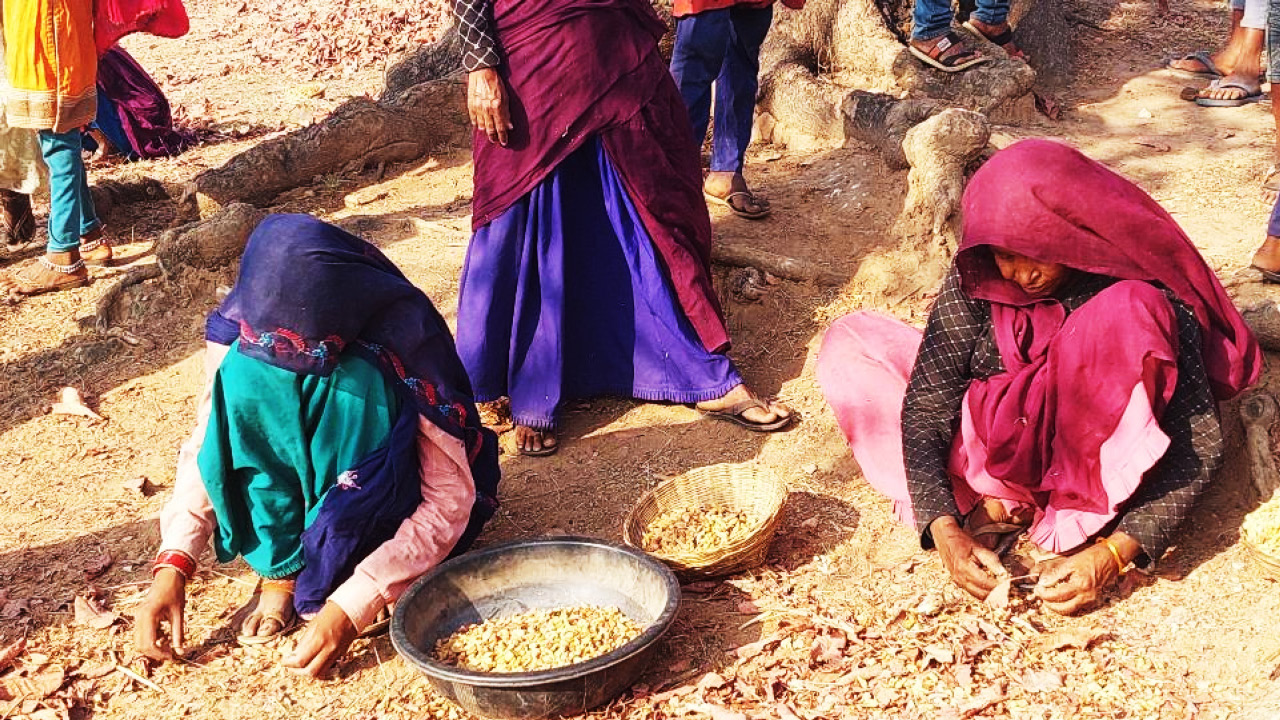
The project institutionalises a structured, transparent and community-owned mechanism for the collection, processing, value addition and marketing of Minor Forest Produce, particularly tendu leaves and other notified species. Initially focused on the nationalised tendu leaf trade, the Federation gradually expanded to procure 32 species under the Minimum Support Price (MSP) scheme.
A Government Order dated 11 March 2022 restructured profit distribution. Now, 75 percent of net profits are transferred directly to primary cooperative societies for collectors. Ten percent goes to forest regeneration and conservation, five percent to Community Forest Management Committees under Gram Sabhas and the remaining ten percent to infrastructure and welfare through the Federation.
This model ensures that forest-dependent communities are not merely wage earners but stakeholders in the value chain.
Problems that it Intends to Solve
Before the intervention, tribal collectors faced systemic exploitation due to weak bargaining power and dependence on middlemen. The over-dependence on tendu leaves limited income diversification and exposes collectors to market fluctuations. Unsustainable harvesting practices led to overexploitation and resource depletion, threatening long-term ecological balance. Additionally, limited scientific data on regeneration rates and stock availability hindered effective resource management. The absence of local processing infrastructure further reduced income potential, as most produce was sold in raw form with minimal value addition.
Need and Rationale
The collection of NTFPs plays a central role in the rural economy of Madhya Pradesh, with approximately 4 million individuals directly involved in tendu leaf collection alone. Given this scale, any inefficiency or exploitation in the value chain has far-reaching socio-economic consequences. There was a clear need to conserve forest resources, ensure livelihood security for forest-dependent communities and institutionalise transparent profit-sharing mechanisms. The project emerged as a response to these structural challenges, aiming to align conservation goals with income enhancement.
Implementation Process
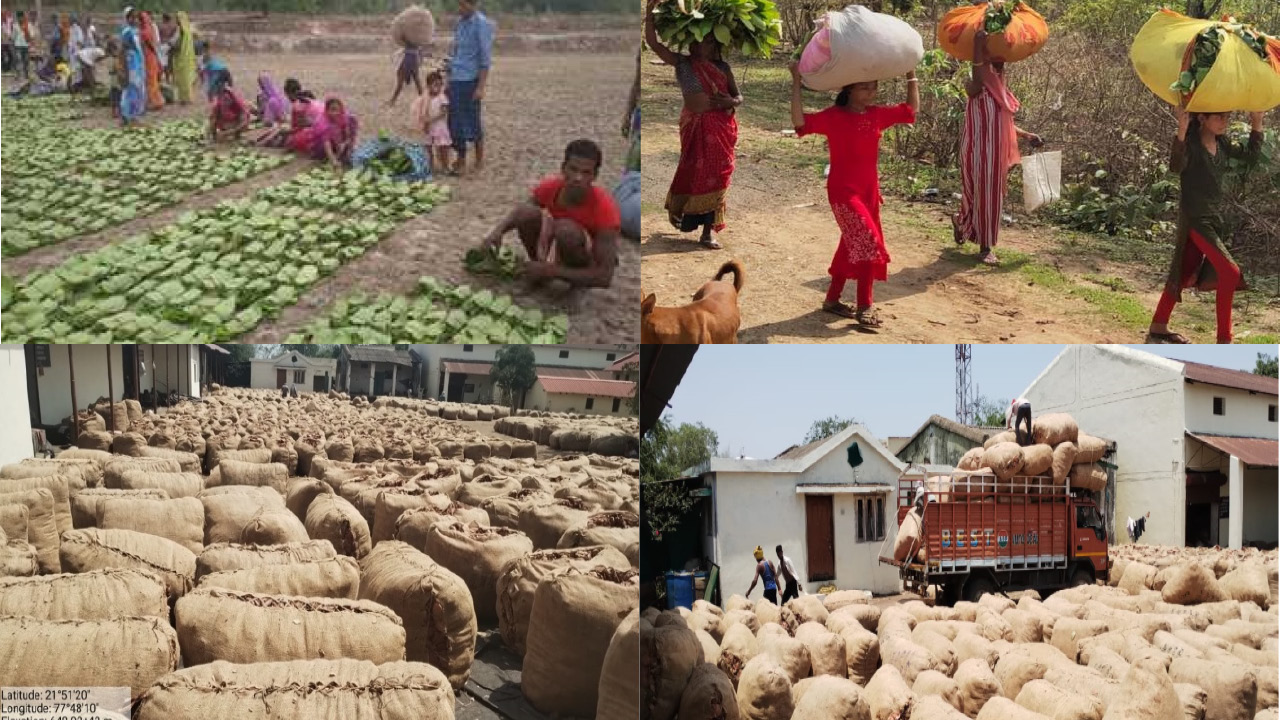
The implementation is anchored in a three-tier cooperative framework consisting of Primary Societies at the village level, District Unions at the district level and the State Federation at the apex. Tendu leaf collection is organised through structured systems such as advance sale and departmental collection, ensuring timely wage payments, typically within 2 months of collection.
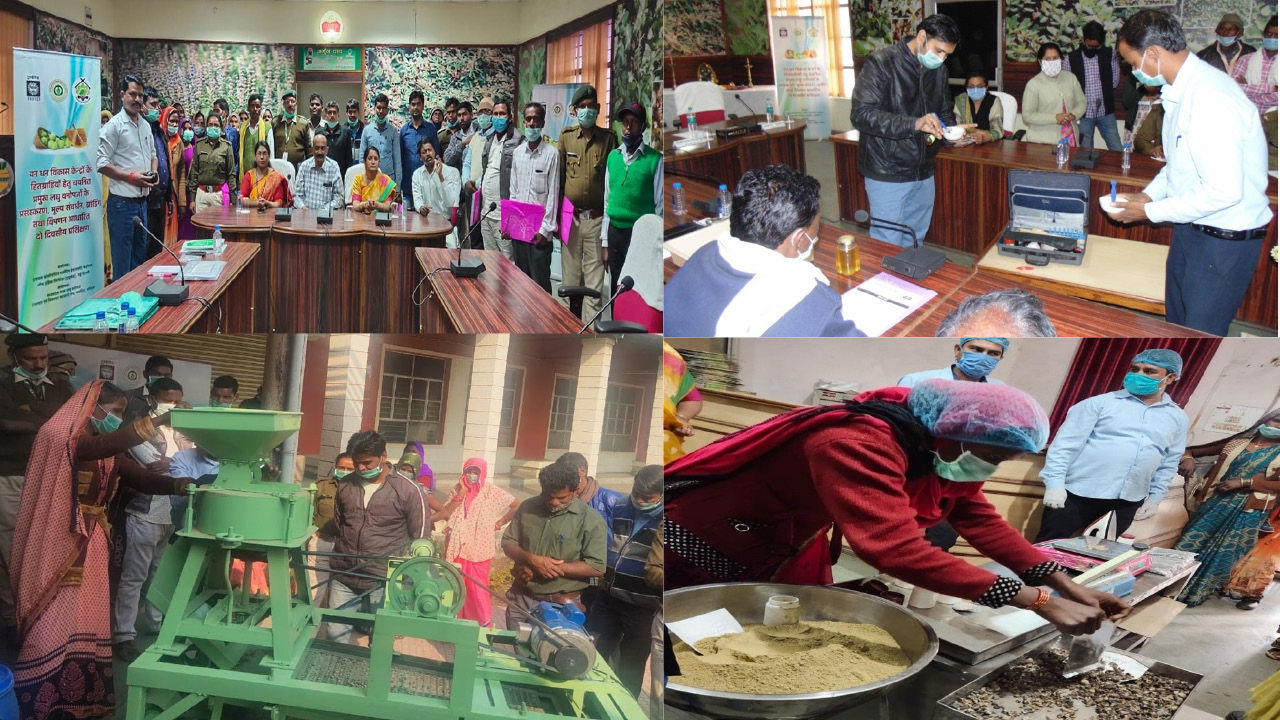
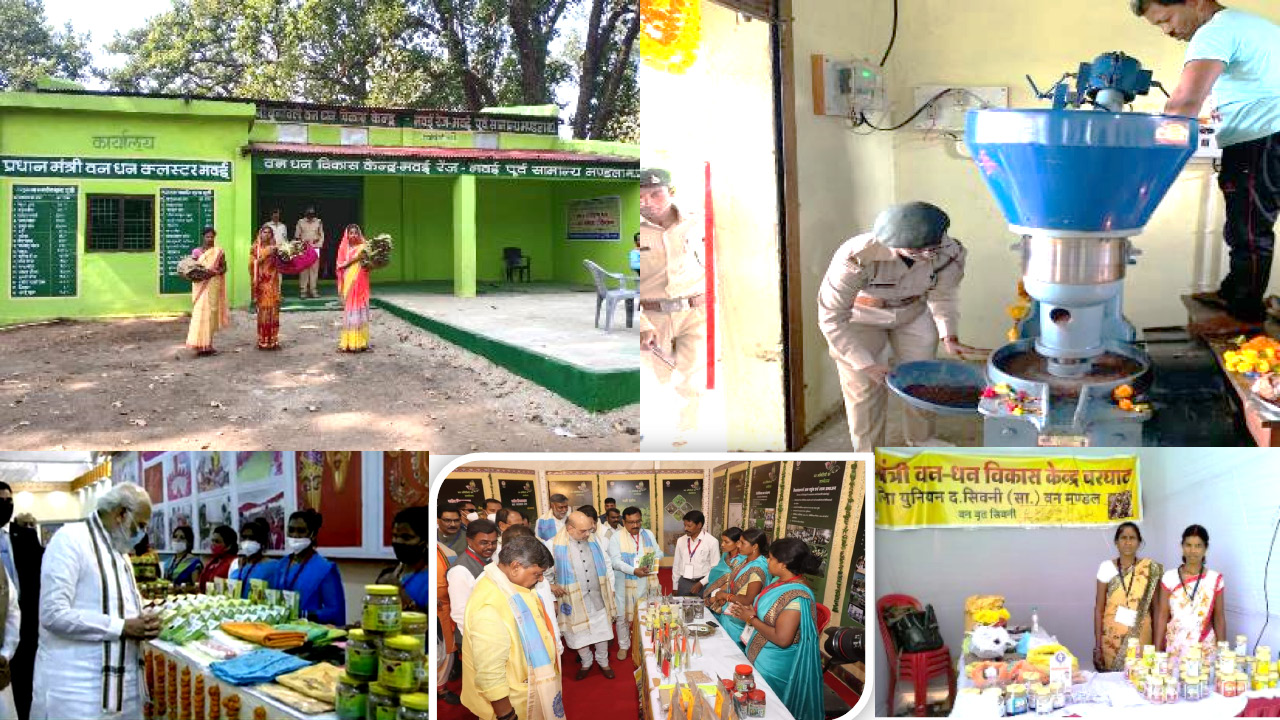
The Federation acts as the nodal agency for procurement under the MSP scheme for 32 species. Payments to collectors are transferred directly to their bank accounts, eliminating intermediaries and enhancing transparency. In parallel, value addition is promoted through Van Dhan Vikas Kendras (VDVKs), with 126 sanctioned and 118 operational clusters across the state. Buyer-Seller Meets, Van Melas and institutional partnerships strengthen market linkages and branding efforts.
Solutions Implemented
The cornerstone of the intervention is the 75 percent profit-sharing model, which directly transfers the majority of net profits to collectors as incentive remuneration. This reform significantly enhanced income security and aligned community interests with sustainable resource management. In 2024, remuneration for tendu leaf collection was increased from ₹3,000 to ₹4,000 per standard bag, demonstrating the Federation’s commitment to improving collectors’ earnings.
A dedicated 10 percent of profits is reinvested in forest regeneration, in-situ conservation and enrichment planting. This ensures that commercial extraction is balanced by ecological restoration. The allocation to Community Forest Management Committees strengthens Gram Sabha participation and decentralised governance.
The Federation has also expanded beyond raw procurement to value addition through Van Dhan Vikas Kendras. These centers facilitate primary processing, packaging and branding of MFPs. Operational VDVKs have collectively developed 35 value-added products and generated business worth ₹37,294 lakh. Machinery installations, such as oil expeller units and dona-pattal production centers, have generated localised economic activity and created additional employment opportunities.
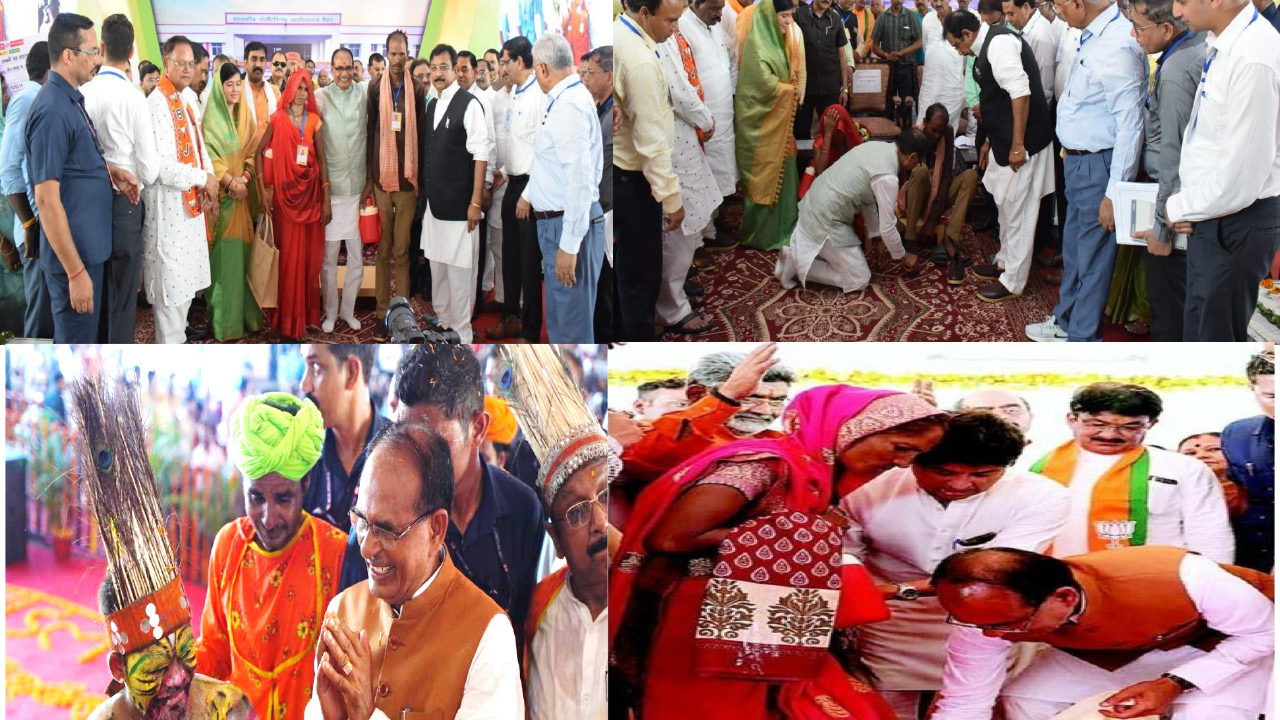
Welfare initiatives such as the Mukhyamantri Charan Paduka Yojana further reinforce social protection, with articles worth ₹261 crore distributed to beneficiaries. Together, these measures form an integrated solution that addresses income security, value enhancement, governance reform and ecological sustainability.
Details of the Coverage
The Federation operates across 94,000 square kilometres of forest area. It directly impacts approximately 40 lakh external beneficiaries, supported by 60 District Cooperative Unions and 1,069 Primary Societies.
Nearly 18 lakh women collectors participate in the value chain, underscoring the project’s inclusive nature. Under the MSP scheme, 32 species are procured, diversifying income sources beyond tendu leaves.
Innovation and Unique Features
One of the distinctive features of the project is its evolving profit-sharing framework. The incentive share increased from 50 percent in 1998 to 70 percent in 2013 and to 75 percent from 2022 onwards, reflecting policy responsiveness to community needs. This institutionalised redistribution model transforms collectors from marginal participants into principal beneficiaries of forest trade.
The project’s approach can serve as a model for other states and organisations committed to improving forest-dependent livelihoods, inclusive development and conservation. Stakeholders, policymakers and development agencies are encouraged to adopt and support such transparent, community-driven initiatives to amplify positive outcomes across India’s forested regions.
The scale and structure of the three-tier cooperative system ensure decentralised decision-making while maintaining centralised coordination. The adoption of Direct Benefit Transfer mechanisms strengthens transparency and reduces leakage. Additionally, integrating PM Van Dhan Vikas Yojana clusters into the Federation’s framework creates a seamless pipeline from collection to value-added marketing.
The model also demonstrates strong gender inclusion, with nearly half of collectors being women. The combination of cooperative governance, value addition, conservation-linked finance and digital payments makes the initiative a comprehensive and innovative ecosystem rather than a standalone procurement programme.
Challenges Faced
The project encountered challenges, including unsustainable harvesting pressures and resource depletion. Limited scientific monitoring of regeneration and extraction levels posed planning difficulties. Many MFPs continue to be sold in raw form, limiting profit margins. Market information gaps and inadequate transport infrastructure further constrained value realisation.
The implementation of the Minor Forest Produce initiative encountered several structural and operational challenges. One of the primary concerns was overharvesting and resource depletion caused by high market demand and inadequate scientific monitoring of regeneration cycles. Limited availability of reliable data on NTFP stocks, yield patterns and ecological impact made sustainable planning difficult.
Tribal collectors, particularly in remote forest areas, often lacked access to timely market information, storage facilities, processing technology and efficient transport networks, which reduced their profit margins. Additionally, before the strengthening of cooperative mechanisms, many collectors depended on middlemen and were compelled to sell produce at lower prices due to weak bargaining power. Expanding value addition beyond raw produce also required continuous capacity building and infrastructure investment. Addressing these challenges demanded coordinated policy reform, institutional strengthening and sustained community engagement.
Outcomes
The initiative has delivered significant socio-economic and ecological outcomes across Madhya Pradesh. Nearly 40 lakh forest-dependent collectors have benefited from a transparent and structured income distribution system.
The revision of the profit-sharing formula, allocating 75 percent of net profits directly to collectors, substantially enhanced income security and community ownership. In 2024, remuneration for tendu leaf collection increased from ₹3,000 to ₹4,000 per standard bag, directly raising household earnings.
The expansion of Van Dhan Vikas Kendras led to the development of 35 value-added products and business turnover of ₹37,294 lakh, strengthening local entrepreneurship. The reduction of middlemen improved price realisation and transparency in trade. Simultaneously, the earmarking of 10 percent of profits for forest regeneration reinforced conservation efforts, ensuring that livelihood enhancement and ecological sustainability progressed together. Simultaneously, dedicated conservation funding has strengthened biodiversity preservation efforts.
With 60 district unions and 1,069 primary societies already operational, the model demonstrates stability and scalability. The built-in allocation for regeneration ensures long-term ecological sustainability. Digital financial systems ensure accountability, while value chain expansion enhances economic viability.