

Manufacturing of Ayurvedic Medicines
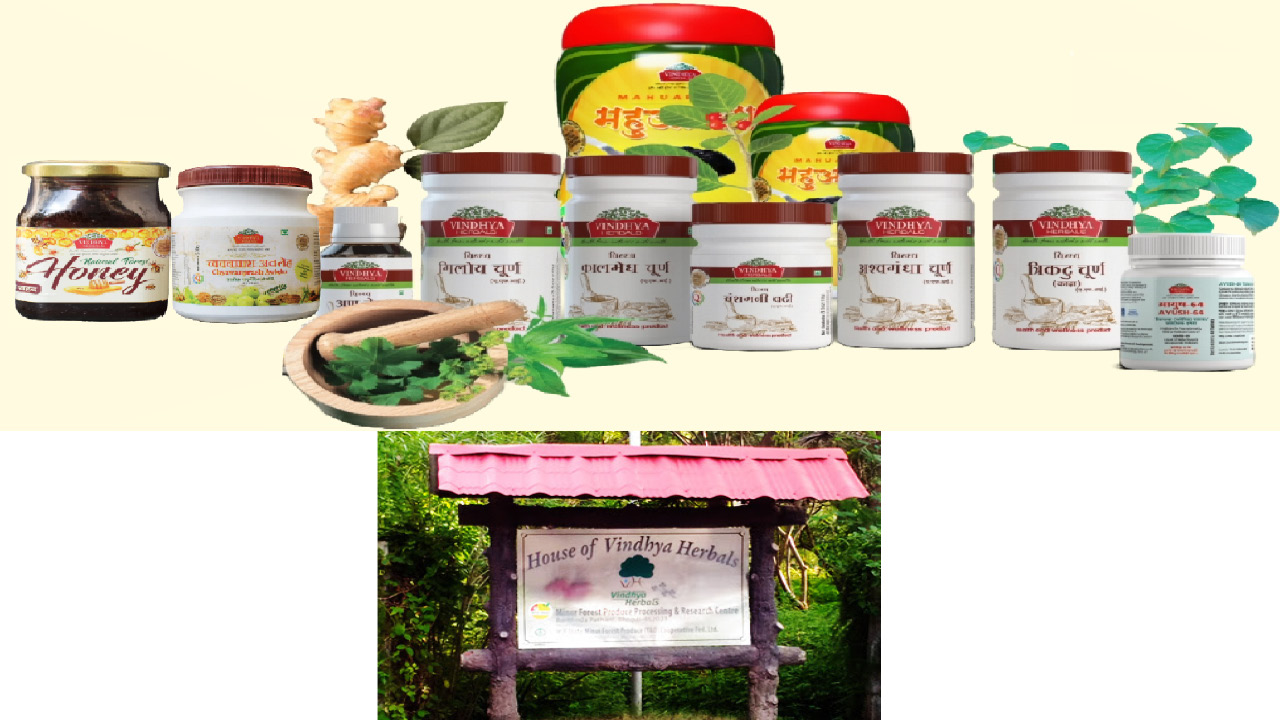
Manufacturing of Ayurvedic Medicines
Problem
- Limited branding and market penetration restricted their commercial reach
- Raw material inventory management systems needed alignment with ISO and AYUSH Premium Mark standards
- Inadequate distribution networks and lack of marketing partnerships
- Branding inconsistency hindered consumer trust and product visibility
- The need to integrate technology for transparent supply chain and quality assurance mechanisms
Solution
- Rebranding and marketing campaign to enhance market outreach
- Implemented ERP-enabled raw material inventory and supply chain management system • Partnered with marketing agencies and distributors to improve sales channels
- Product promotion and buyer engagement.
- Training for cooperative members to ensure quality sourcing
Outcomes
- Enhancement in retail and institutional sales
- Digital inventory management enhanced efficiency in raw material procurement and storage
- Compliance with AYUSH Premium Mark and ISO quality standards
- Expanded market presence across multiple states and secured new government supply orders
- Strengthened livelihoods for over 500,000 forest-dependent communities
Project Details
Category: Forest Produce
Project Title: Manufacturing of Ayurvedic Medicines
Department or District: Minor Forest Produce Processing and Research Centre (MFP-PARC), MP State Minor Forest Produce Federation
State: Andhra Pradesh
Start Date of the Project: 2005
Website: http://www.mfpfederation.org/
Tribe(s) that the Project Covers: The project primarily benefits tribal and forest-dependent communities of Madhya Pradesh who rely on Minor Forest Produce (MFP) for their livelihood. These communities are organised under village-level Primary Minor Forest Produce Cooperative Societies and are largely composed of tribal households, with significant participation of women collectors. The tribes include, Gond, Baiga, Bhil, Korku, Oraon, Pardhan and Sahariya.
Keywords: Minor Forest Produce (MFP), Non-Timber Forest Produce (NTFP), Tribal Livelihoods, Ayurveda, ERP-enabled Supply Chain, AYUSH Premium Mark, ISO Certification, Sustainable Harvesting, Forest-based Industry, Cooperative Models, Sickle Cell Anaemia, One Health, Branding and Market Expansion
The Manufacturing of Ayurvedic Medicines initiative is led by the Minor Forest Produce Processing and Research Centre (MFP-PARC), Bhopal, under the Madhya Pradesh Forest Department. It is a pioneering model of sustainable, forest-based industrial development. Since 2005, MFP-PARC has served as the manufacturing arm of Vindhya Herbals, a brand based on purity, sustainability and community empowerment. The Centre is one of eight State Pharmacies recognised by the Government of India for supplying Ayurvedic drugs to the AYUSH Department nationally. It blends traditional Ayurvedic wisdom with modern pharmaceutical standards.
The initiative recognises forests as economic lifelines for tribal populations rather than just ecological assets. It establishes a structured system for procurement, processing, certification and marketing of Ayurvedic medicines, thereby bridging the gap between raw material collection and finished pharmaceutical production.
The Project
Madhya Pradesh has one of India’s largest forest cover areas, with nearly 20 percent of the population depending on forests for their livelihoods. To add value to Minor Forest Produce, the State established MFP-PARC, a Centre that processes medicinal and aromatic plants into certified Ayurvedic formulations. Operating under the Vindhya Herbals brand, it manufactures Ayurvedic drugs, wellness products, veterinary medicines and processed honey.
The unit holds GMP certification and meets ISO 9001:2015 and ISO 14001:2015 standards, ensuring quality and environmental sustainability. With over 850 licensed Essential Drug List formulations and about 350 products produced regularly, MFP-PARC supplies medicines to more than 15 states. The enterprise achieves an average annual turnover of ₹30-35 crore, reflecting institutional trust and market demand.
Problems that it Intends to Solve
Despite its strong production base and government backing, Vindhya Herbals struggled with branding and market reach. The lack of a structured marketing system and professional brand identity limited retail growth and reduced visibility in a crowded Ayurvedic market. Outdated raw material inventory management weakened compliance with ISO and AYUSH Premium Mark standards, generating operational inefficiencies and supply delays.
The distribution network failed to coordinate, leading to stagnant retail sales and limited outreach beyond institutional orders. Increasing regulatory requirements forced the team to integrate digital solutions to ensure traceability, quality assurance and compliance.
Need and Rationale
It addressed these challenges to strengthen economic and social outcomes. It expanded branding and marketing to increase revenue and build consumer trust. It complied with ISO and AYUSH Premium Mark standards, maintaining pharmaceutical credibility and expanding access to government procurement.
Over five lakhs forest-dependent individuals are connected to the supply chain, so improving operational efficiency and market access directly improves livelihood security. As demand for authentic, traceable and certified Ayurvedic products rises, modernisation is essential to sustain competitiveness and reinforce public confidence.
Implementation Process
MFP-PARC implemented the modernisation and expansion strategy that strengthened institutions, integrated technology, repositioned the market and improved operational efficiency. The team phased and consulted on the process, ensuring alignment with ISO and AYUSH compliance requirements.
The first step was a comprehensive institutional assessment of existing systems, focusing on raw material procurement, inventory tracking, production scheduling, branding consistency and distribution networks. This assessment highlighted a strong production base and established government recognition, but also exposed gaps in digital tracking, uniform packaging and professional market outreach. Based on these findings, a modernisation roadmap was prepared under the CEO’s leadership.
A major intervention in the roadmap was the introduction of an Enterprise Resource Planning (ERP) system. This aimed to streamline raw material inventory and supply chain management. The ERP system integrates procurement data from forest cooperative societies, warehouse stock positions, batch-wise production records and dispatch tracking into a single digital platform. The transition required detailed mapping of existing manual processes, digitisation of historical records and training staff in digital compliance.
The ERP system enabled batch-level traceability, reduced material wastage, improved forecasting and aligned with ISO and AYUSH Premium Mark standards. Alongside technological modernisation, a structured branding overhaul began. A branding agency redesigned the Vindhya Herbals logo, standardised packaging, improved label clarity and added sustainability messaging. The updated design enhanced the visual identity, strengthened consumer trust and ensured compliance with pharmaceutical labelling requirements. Packaging shifted to eco-friendly and biodegradable materials where feasible, reinforcing the Centre’s commitment to environmental responsibility.
The marketing and distribution ecosystem was strengthened simultaneously. Institutional orders alone would not ensure scalability. MFP-PARC appointed marketing agents and regional distributors to deepen retail penetration. Distributor selection required due diligence on logistics, financial reliability and coverage. Agreements ensured a steady supply, promotional support and brand standards. Retail expansion strengthened Sanjeevani’s outlets and expanded into online channels, diversifying sales beyond government procurement.
Participation in national and international herbal fairs was another key pillar of implementation. These platforms were utilised to showcase the product portfolio, build buyer networks and enhance brand recognition among institutional purchasers and distributors. Engagement in such forums allowed MFP-PARC to communicate its unique cooperative model, GMP-certified manufacturing processes and government-backed transparency to a broader audience.
At the same time, internal production systems were reinforced to support scaling. The in-house quality control laboratory tested raw materials, intermediate batches and finished goods to ensure compliance with standards. Standard Operating Procedures (SOPs) were reviewed and aligned with ERP documentation requirements. Staff training sessions updated employees on digital compliance, documentation protocols and quality benchmarks.
A key operational milestone during implementation was the execution of large-scale government supply orders, including medicines for Sickle Cell Anaemia under the AYUSH Department. Managing these required coordinated work by procurement, production, packaging, quality control and dispatch teams. The ERP platform supported order tracking and inventory planning. This ensured timely fulfillment. Capacity building played a core role in implementing the process. The Centre organised training programmes for both factory staff and members of the forest cooperative society. Trainers covered sustainable harvesting, scientific grading, post-harvest handling and quality requirements for pharmaceutical processing.
By strengthening upstream capacity, the Centre matched improvements in manufacturing standards with better raw material quality at the source. Compliance with the Drugs and Cosmetics Act, Factory Act and environmental standards was carefully maintained throughout implementation. Documentation, audit preparedness and regulatory reporting were integrated into the ERP-supported workflow. This reduced compliance risks. Government procurement procedures, financial approvals and bonding requirements were strictly followed, reinforcing transparency and accountability.
The implementation strategy thus combined technological modernisation, institutional strengthening, brand repositioning, supply chain restructuring, regulatory compliance and capacity building into a unified transformation effort. Rather than treating branding, ERP adoption and distribution expansion as isolated interventions, MFP-PARC executed them as interconnected reforms within a coherent modernisation framework. This holistic approach ensured that improvements in visibility were supported by improvements in production efficiency and that market expansion was matched by enhanced quality assurance and traceability systems.
Through this structured, phased implementation process, MFP-PARC successfully transitioned from a primarily production-driven government unit to a professionally positioned, digitally enabled and market-responsive Ayurvedic manufacturing enterprise while retaining its core mandate of tribal livelihood enhancement and sustainable forest management.
Solutions Implemented
The project implemented a comprehensive rebranding and marketing strategy to reposition Vindhya Herbals in the Ayurvedic market. ERP integration strengthened inventory management and enhanced supply chain transparency. An in-house quality control laboratory ensured testing at raw material, intermediate and finished product stages, maintaining pharmacopoeial standards.
The procurement system continued to operate under the Minimum Support Price mechanism, ensuring fair pricing for tribal collectors and eliminating exploitative middlemen. Training and outreach programmes strengthened sustainable harvesting practices and quality grading.
Details of the Coverage
Its supply network spans over 15 states. During the COVID-19 pandemic, the Centre supplied herbal immunity formulations to all 55 districts of Madhya Pradesh, demonstrating public health responsiveness.
A notable innovation has been the development of supportive medicines for Sickle Cell Anaemia. After a pilot study in three districts, the initiative expanded to 33 districts under the AYUSH Department. Additionally, the Centre manufactures veterinary medicines that support livestock health, thereby extending its impact to animal welfare.
Innovation and Unique Features
The initiative represents a first-of-its-kind model in India, where a Forest Department operates a full-scale Ayurvedic manufacturing enterprise. The integration of cooperative procurement, government-backed transparency, pharmaceutical-grade manufacturing and ERP-enabled traceability creates a unique ecosystem. Alignment with the WHO’s One Health framework underscores its holistic approach to human, animal and environmental health.
The project’s ability to modernise without compromising cooperative principles highlights institutional innovation. By combining traditional knowledge with reverse pharmacology and scientific validation, Ayurveda is positioned as both culturally rooted and globally competitive.
Challenges Faced
The transition to ERP-based inventory systems required organisational adaptation and capacity building. Branding transformation demanded overcoming entrenched perceptions and establishing market differentiation. Expanding distributor networks involved regulatory coordination and logistics planning. Maintaining compliance while scaling operations in accordance with government procedures also posed administrative challenges.
Outcomes
The modernisation efforts led to increased retail sales and enhanced consumer trust. Inventory management systems improved significantly with ERP adoption. Compliance with ISO and AYUSH Premium Mark standards strengthened institutional credibility. In 2025-26, the Centre secured a major order worth approximately ₹60 crore from the Ministry of AYUSH , reflecting confidence in its production capacity and quality standards.
Most importantly, livelihood security for forest-dependent communities has been strengthened through stable procurement and value-addition mechanisms.
The Manufacturing of Ayurvedic Medicines project by MFP-PARC stands as a transformative example of sustainable industrialisation rooted in forest resources. Through modernisation, branding reform, ERP integration and institutional partnerships, it has evolved into a nationally recognised cooperative enterprise.
The initiative demonstrates that when governance, scientific rigor and community participation converge, forest-based livelihoods can be elevated into high-value, globally competitive industries. MFP-PARC not only strengthens Ayurveda’s institutional framework but also ensures that the prosperity of tribal communities remains at the heart of economic development.