Nurturing Talent: Eklavya Model Residential School, Bhawanipur, Sundargarh, Odisha
Nurturing Talent: Eklavya Model Residential School, Bhawanipur, Sundargarh, Odisha
Problem
- Shortage of schools
- Poor educational infrastructure for tribal students
- No additional facilities in existing schools
- Fee for private schools was a deterrent
- High dropout rate in other government schools
- Poor aspirations
- Zero learning outcomes
- Migration of students during Covid
Solution
- EMRS was set up
- Fully residential school with modern facilities
- All expenses borne by the school – free of charge for students
- English medium curriculum, aspirational for parents and students
- Exposure to ICT, modern pedagogy
- Encouragement to participate and excel in sports
- Talent hunting
Outcomes
- Wide academic, extra-curricular and sports exposure
- Tribal students have become aspirational
- Some have joined administrative services
- Some went for higher studies in the field of engineering and medicine
- Some are already teaching in other schools
- Migration reversed and retention improved
- Curriculum at par with anywhere in the country
Project Details
Category: Education – EMRS
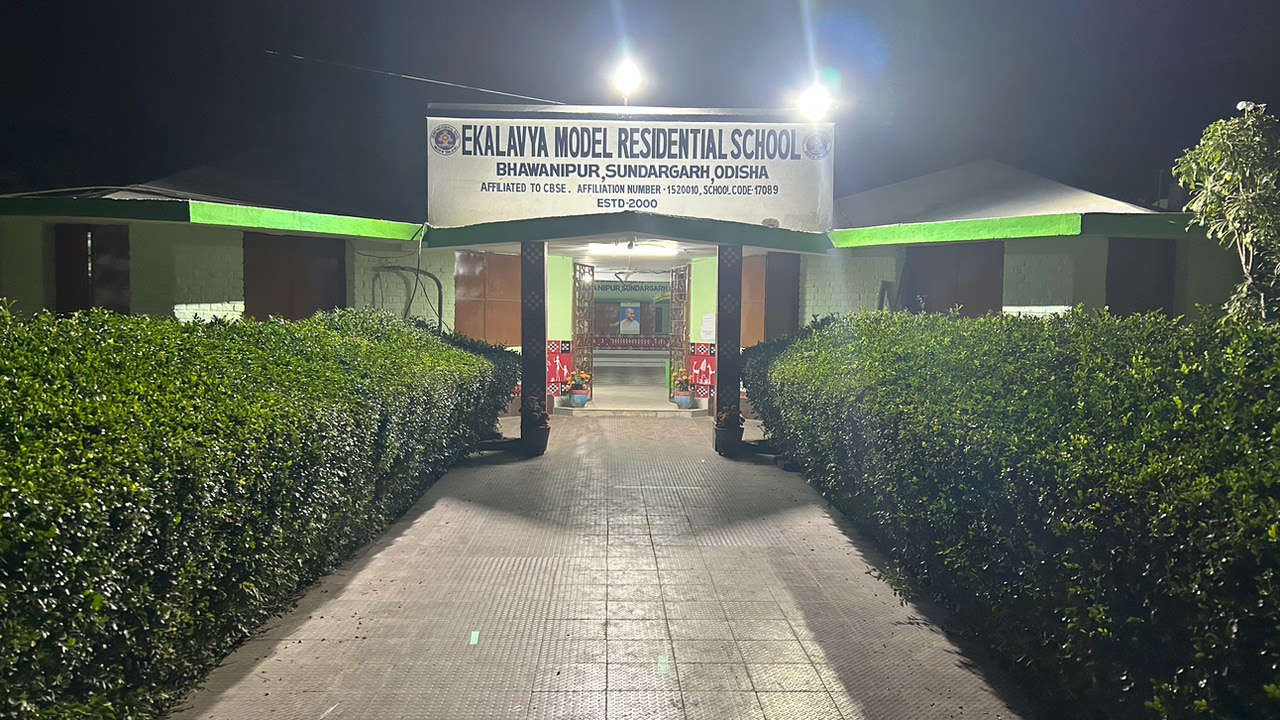
Project Title: Eklavya Model Residential School, Bhawanipur, Sundargarh
Department or District: Ministry of Tribal Affairs & ST & SC Development Department, Government of Odisha
State: Odisha
Start Date of the Project: The school was established in 2000 and began operations in 2004.
Website: https://stscarticle.odisha.gov.in/
Tribe(s) that the Project Covers: This project serves Scheduled Tribe students in Sundargarh district, especially students from the Kishan, Xalxo, and Bhuyan communities residing in and around Bhawanipur.
Keywords: Tribal Education, Residential Education, Kishan Xalxo Bhuyan Tribes, Free Boarding School, Tinkering Lab, Sports Excellence, Academic Achievement, Tribal Talent, Educational Inclusion
This illuminates how the Eklavya Model Residential School (EMRS) at Bhawanipur, Sundargarh, Odisha has transformed the educational aspirations of tribal youth. Designed as a fully residential, English-medium institution managed by the ST & SC Development Department of Odisha under central funding, the school addresses educational deficits in tribal districts while fostering ambition, self-confidence, and exposure to modern learning.
The Project
EMRS Bhawanipur was established with central support to create a high-quality learning ecosystem for tribal children. Spanning approximately 22 acres, it houses infrastructure such as science and computer labs, a tinkering lab, e‑library, English language lab, sports fields, and hostel facilities. From Class VI to XII, students receive free education, books, uniforms, meals, hostel stay, and sports kits, all fully subsidized with per-student expenditure of roughly ₹1,09,000 annually.
Problems that it Intends to Solve
In this remote tribal region, conventional schools lacked adequate infrastructure, modern pedagogy, and motivation-leading to high dropouts, low learning outcomes, and diminished aspirations. Many tribal families could not afford private schooling, and government schools often failed to inspire ambition. EMRS sought to close this gap by providing cost-free, high-quality education tailored to tribal students’ needs, improving retention, and reversing migration for education.
What was the Need
The EMRS model emerged from the urgent need to cultivate equitable educational opportunities in tribal blocks. Families desired pathways for their children to pursue higher studies and professional careers aspirations often stymied by poor facilities and systemic neglect. EMRS represented a holistic solution combining residential schooling, modern infrastructure, free services, and exposure to sports and technology.
What Hindered its Introduction
Challenges included land allocation delays, difficulties recruiting qualified staff to remote Sundargarh, and integrating tribal students into an English-medium syllabus. Institutional inertia, logistical constraints in constructing facilities across tribal terrain, and early skepticism from parents in part due to fear of cultural alienation also slowed momentum.
Process Followed for Implementation
- Government
- The Ministry of Tribal Affairs sanctioned EMRS Bhawanipur under its national mandate for tribal education, while the ST & SC Development Department, Government of Odisha, facilitated land provision, infrastructure, staffing, and operational oversight. The Odisha Model Tribal Education Society coordinated implementation in alignment with central policy, ensuring compliance with CBSE accreditation and infrastructure norms.
- Involvement of Community
- Students from tribal households in Kishan, Xalxo, and Bhuyan communities were selected through a competitive admission process. After COVID‑19 closures, the entire teaching and administrative team proactively engaged parents to ensure returning attendance, ultimately achieving near full strength of 409 students out of 420, evenly split between boys and girls.
Solutions Implemented
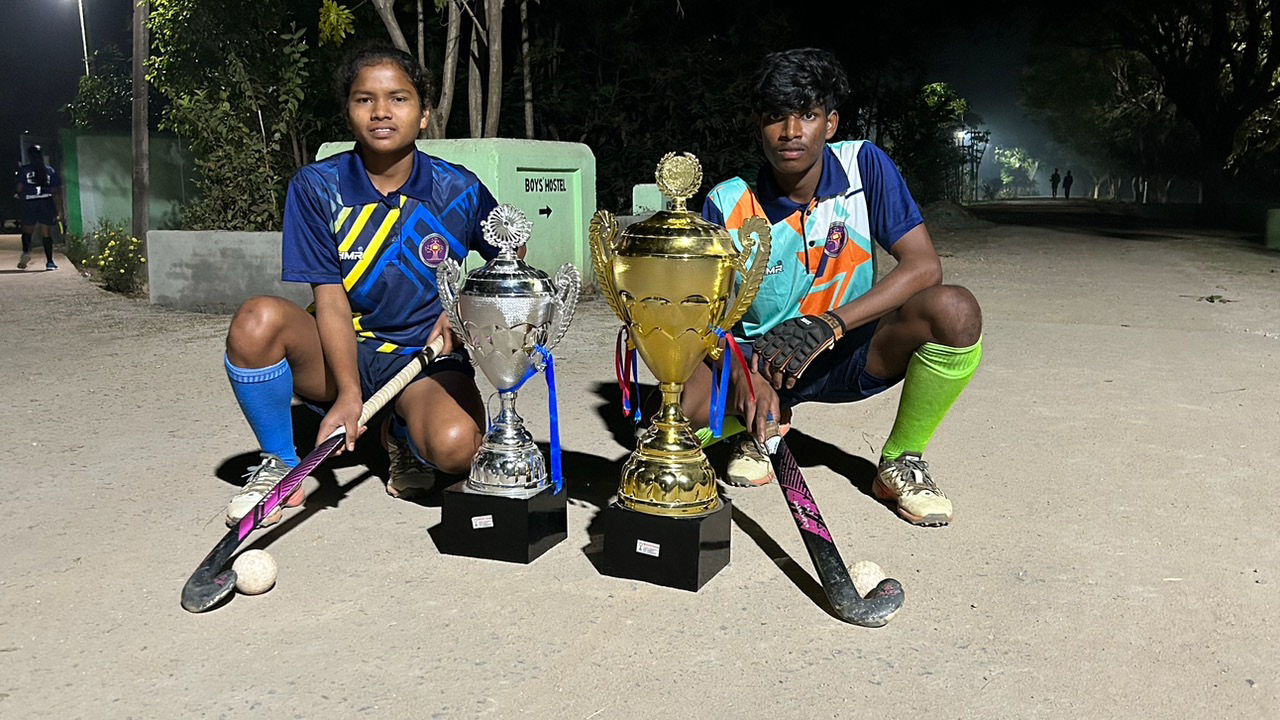
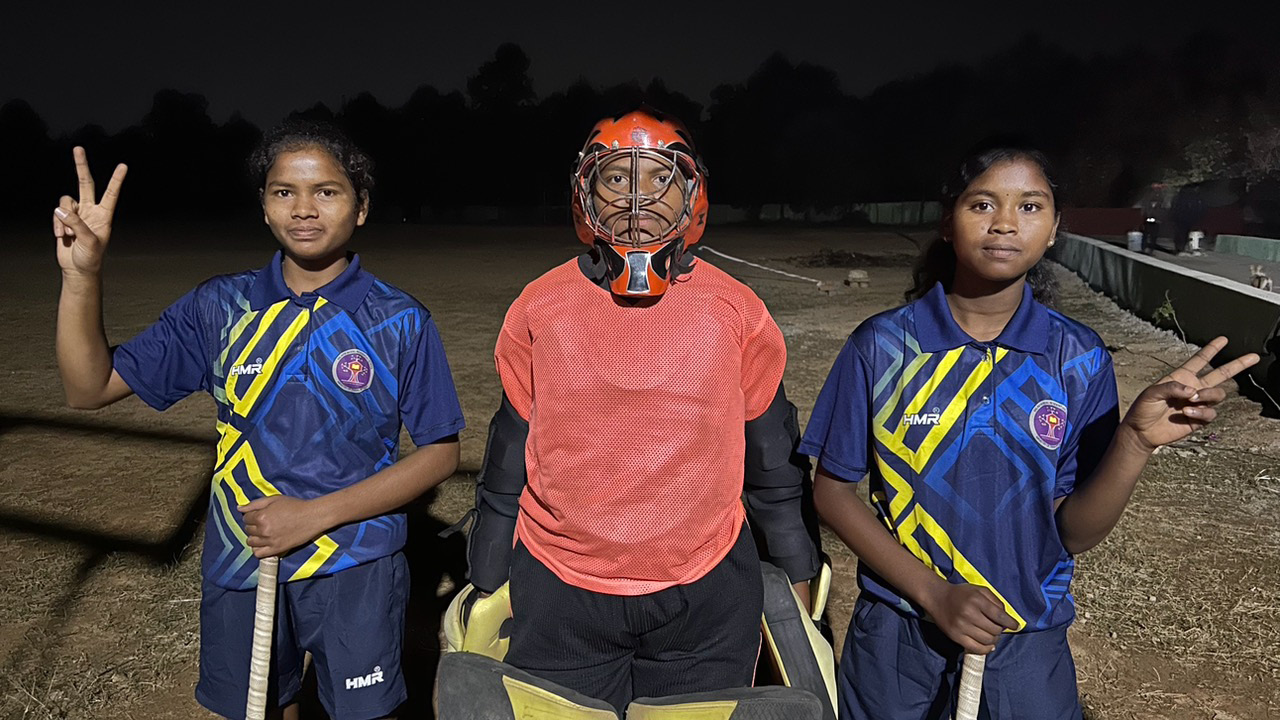
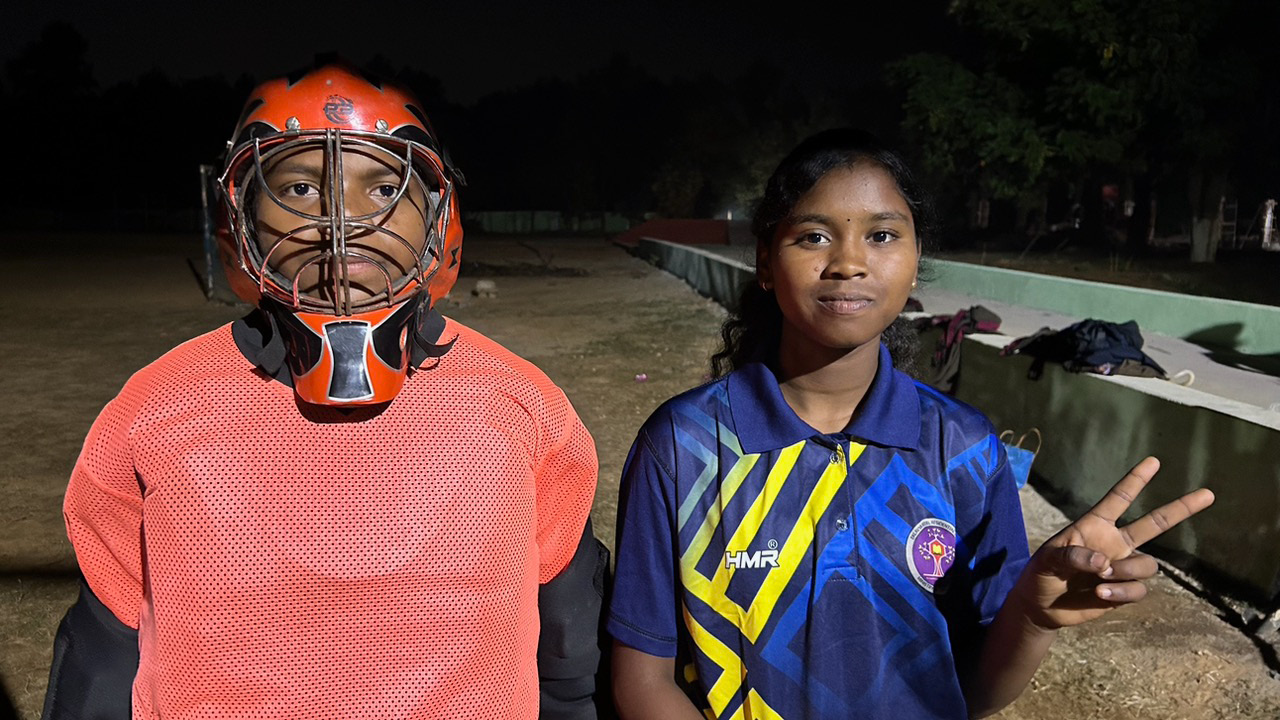
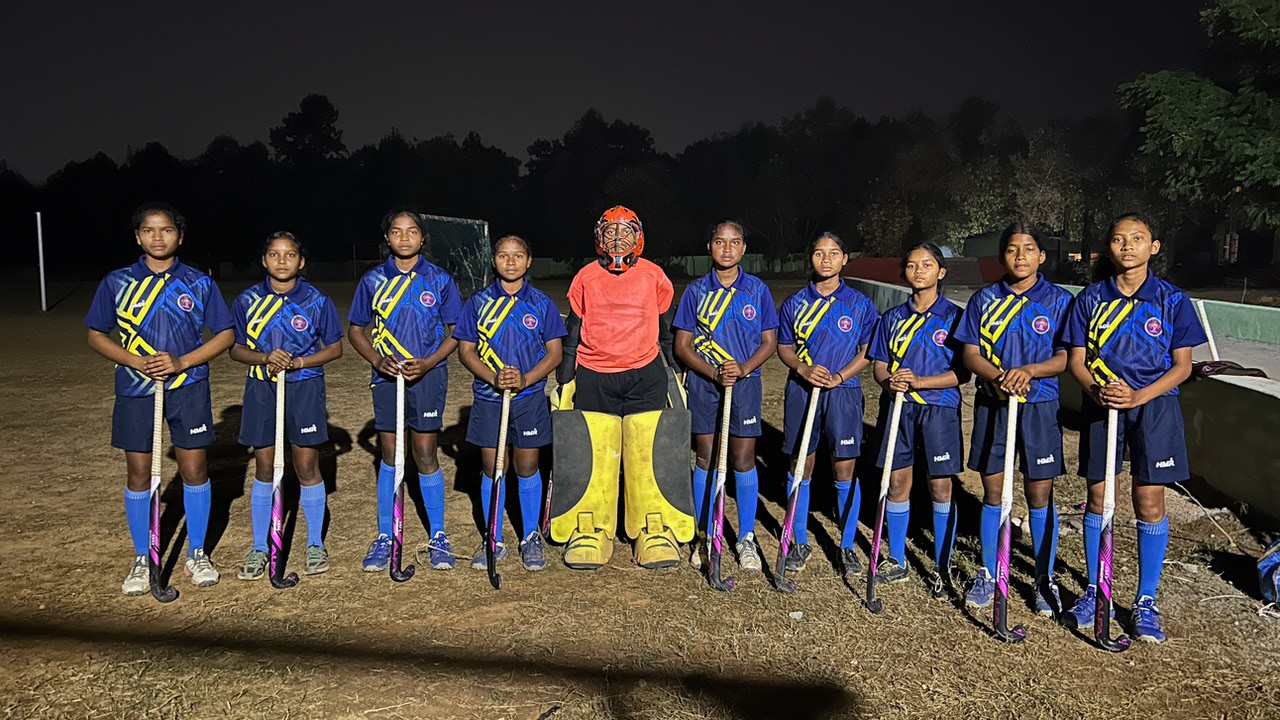
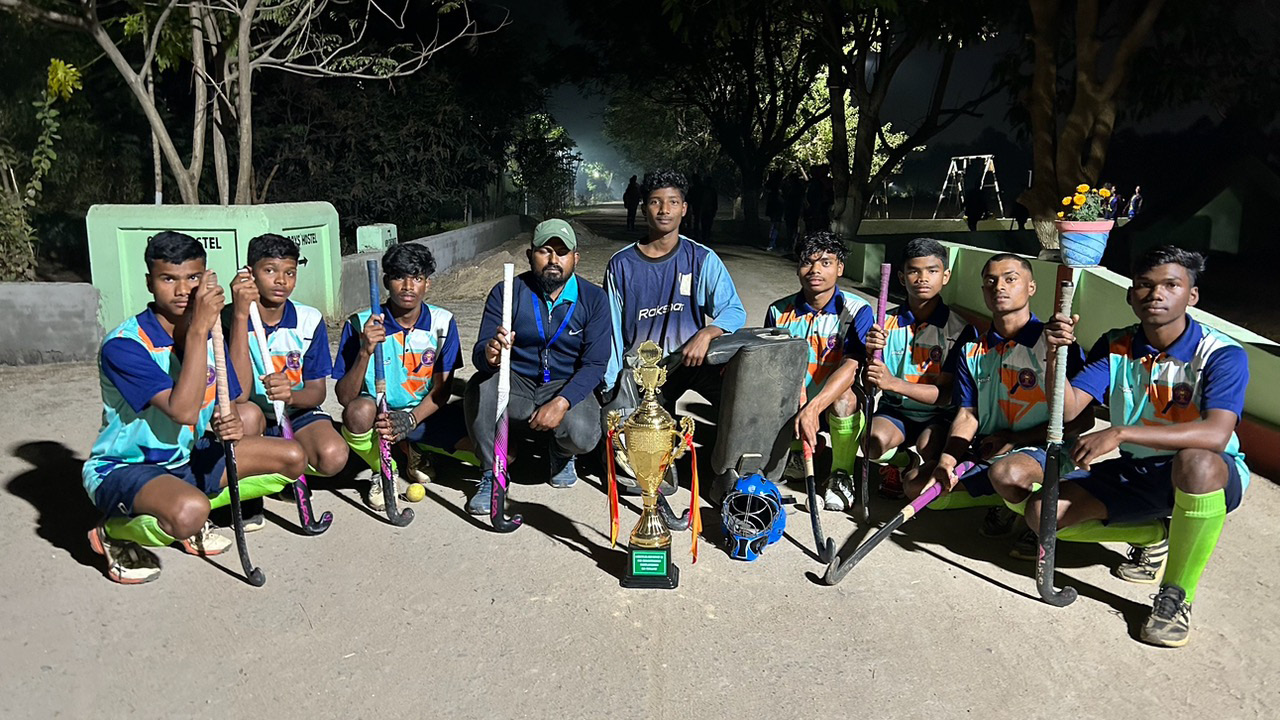
EMRS Bhawanipur provides a comprehensive residential program, including well-equipped classrooms, ICT-enabled smart teaching, science, robotics, and language labs. It integrates physical education, sports training, arts, cultural exposure, and competitive mentorship. Extracurricular and sports opportunities have accelerated development during the National EMRS Sports Meet 2023, the boys hockey team won gold, and the girls were runners‑up. Students also receive free branded kits and coaching equipment to compete as equals.
Details of the Coverage
Since inception, EMRS Bhawanipur has become highly sought-after in the region. It operated through lockdown disruptions, retaining nearly all students. The school has nurtured numerous talents some students have qualified for the Odisha Administrative Service, while others have gone on to study engineering (NIT Rourkela, IGIT Sarang), nursing, or joined teaching posts. Athletic and academic programs cater to hundreds of tribal students from the surrounding district, offering them opportunities once unavailable locally.
Innovation and Unique Features
EMRS Bhawanipur is exceptional for integrating academic rigor, modern facilities, and cultural affirmation in a remote tribal setting. It offers a Tinkering Lab which is rare in such locations and encourages student aspiration through achievements in national sports meets and administrative services. Providing all facilities free of charge, the school breaks socio-economic barriers while celebrating tribal identity through representation and success.
New Approaches
- The school’s emphasis on student ambition which is backed by mentorship, career guidance, and visibility in national platforms constitutes a transformative educational model for tribal students.
- While formal community design involvement isn’t documented, the sustained engagement of parents, responsiveness to student needs post-COVID, and inclusion of cultural arts and sports talents reflect deep alignment with tribal expectations and aspirations.
- After COVID‑19 closures, teachers and the principal personally visited homes to bring students back a personalized outreach measure that restored attendance levels. Facilities and pedagogical methods were strengthened with smart learning tools, exposure programs, and renewed focus on girls’ retention and performance.
Challenges Faced Before Implementation
- Mobilizing funds, securing land, and recruiting quality faculty to a remote tribal district posed administrative hurdles. Establishing modern labs and ICT infrastructure demanded coordination across departments.
- Communities were hesitant initially about sending children to boarding schools, fearing cultural disconnection. Logistics of constructing and maintaining infrastructure in tribal terrain and ensuring electricity and water utilities added to challenges.
- Clear communication with parents, visible success stories such as high-achieving alumni and sports victories, and the demonstration of free, quality education helped alleviate skepticism. Government oversight ensured infrastructure delivery and consistency in staffing.
Challenges Faced During Implementation
- Maintaining academic quality, infrastructure upkeep, and sustained faculty retention at remote location required continuous management. Upgrading pedagogy and preventing student attrition were ongoing concerns.
- Student adaptation to English-medium instruction, balancing sports training with academics, and ensuring psychosocial wellbeing in residential settings were areas that required sensitive intervention.
- Structured mentorship, career counselling, extracurricular flexibility, and robust boarding care mechanisms supported students’ holistic development. Celebrating student success through competitions and academic achievements fostered motivation and community pride.
Outcomes
As of post-COVID recovery, the school reports a nearly full roster of 409 students, robust enrolment trends, and sustained zero-dropout levels. Multiple students have emerged in administrative services, higher education, and teaching careers.
EMRS Bhawanipur has inspired tribal ambition, uplifted student self-esteem, and altered community perceptions. Sporting triumphs on a national stage and academic excellence have enhanced visibility for tribal youth. The school has reversed migration trends and instilled confidence in families that high-quality education is attainable locally.
Monitoring follows central EMRS protocols: periodic infrastructure audits, faculty training, performance tracking, and student progression assessments. National competitions, administrative selections, and retention rates serve as success indicators. The principal’s leadership, along with teacher-parent engagement, drives the evaluation framework.
Primary beneficiaries are the tribal children of Sundargarh district especially girls and boys from Kishan, Xalxo, and Bhuyan communities. Secondary beneficiaries include their families, local communities, and the broader tribal welfare ecosystem, which gains credibility through visible youth success.
Replicability / Scalability / Sustainability
EMRS Bhawanipur is part of India’s national strategy to ensure education equity in tribal blocks with significant ST populations. Its success aligns with central EMRS mandates and Odisha’s tribal development priorities.
Fully funded under Article 275(1) and the Ministry of Tribal Affairs, the school operates sustainably once infrastructure is in place, with recurring capital and operational funding.
This model is already embedded through the national EMRS network, with over 740 schools planned and around 401 functional by 2023–24. EMRS Bhawanipur serves as a robust example of how tribal residential schooling can foster talent and reverse educational inequities—making it replicable across similar districts at scale.
Gallery