Reconstruction of Banastarim Market: A New Era for Tribal Vendors in Goa

Reconstruction of Banastarim Market: A New Era for Tribal Vendors in Goa
Problem
- ST vendors lacked a proper, dignified market infrastructure in the region
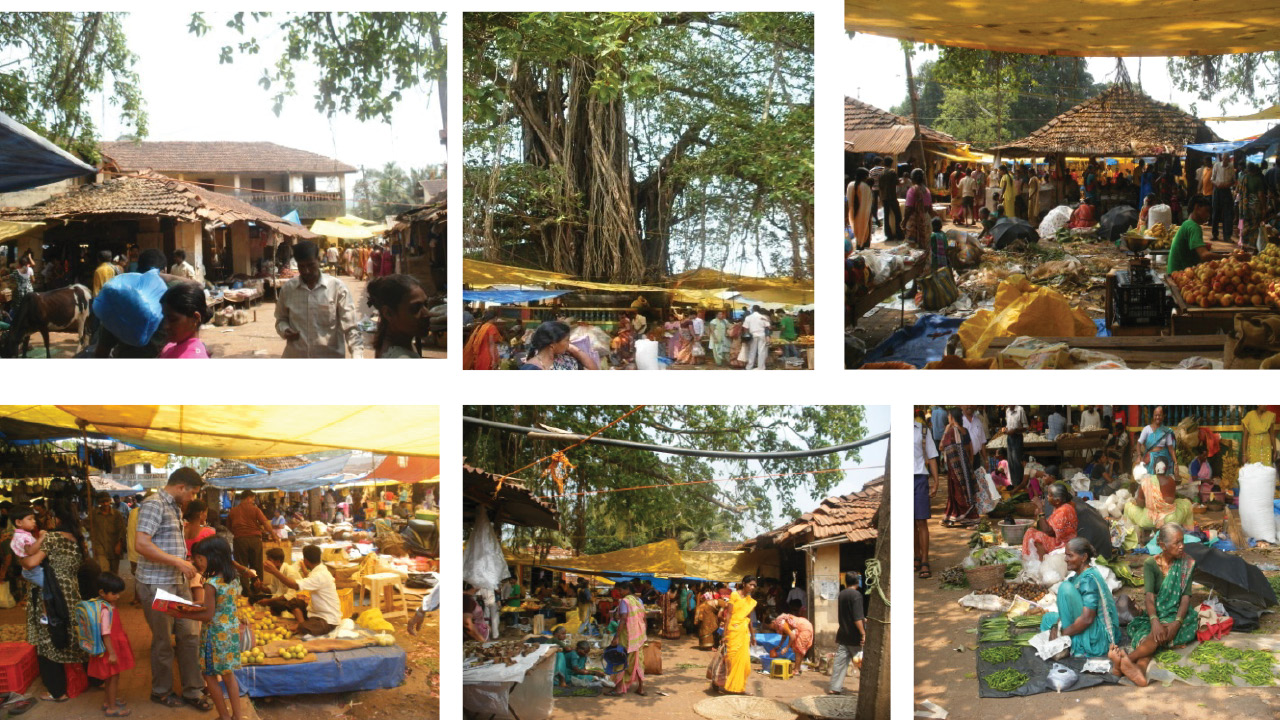
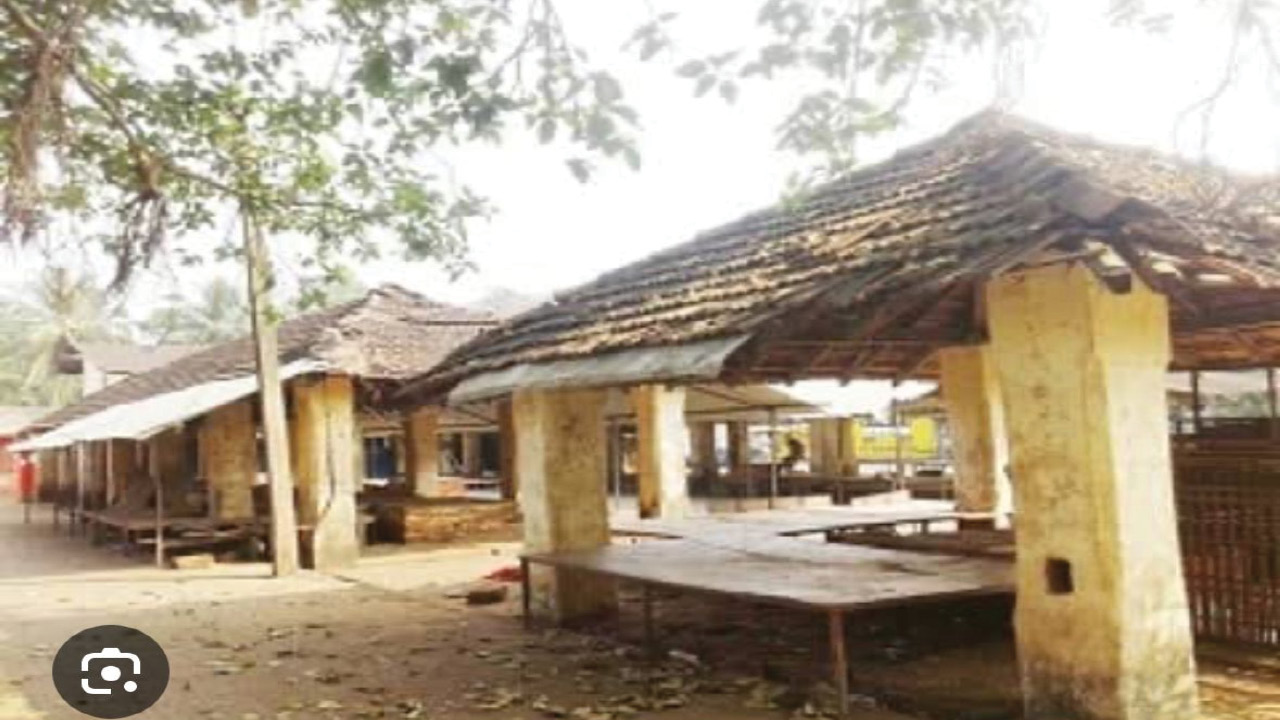
- Vendors were selling in unregulated, unhygienic, and unsafe open spaces
- There was no dedicated facility for waste management at the market
- The local community faced socio-economic limitations due to inadequate market facilities
Solution
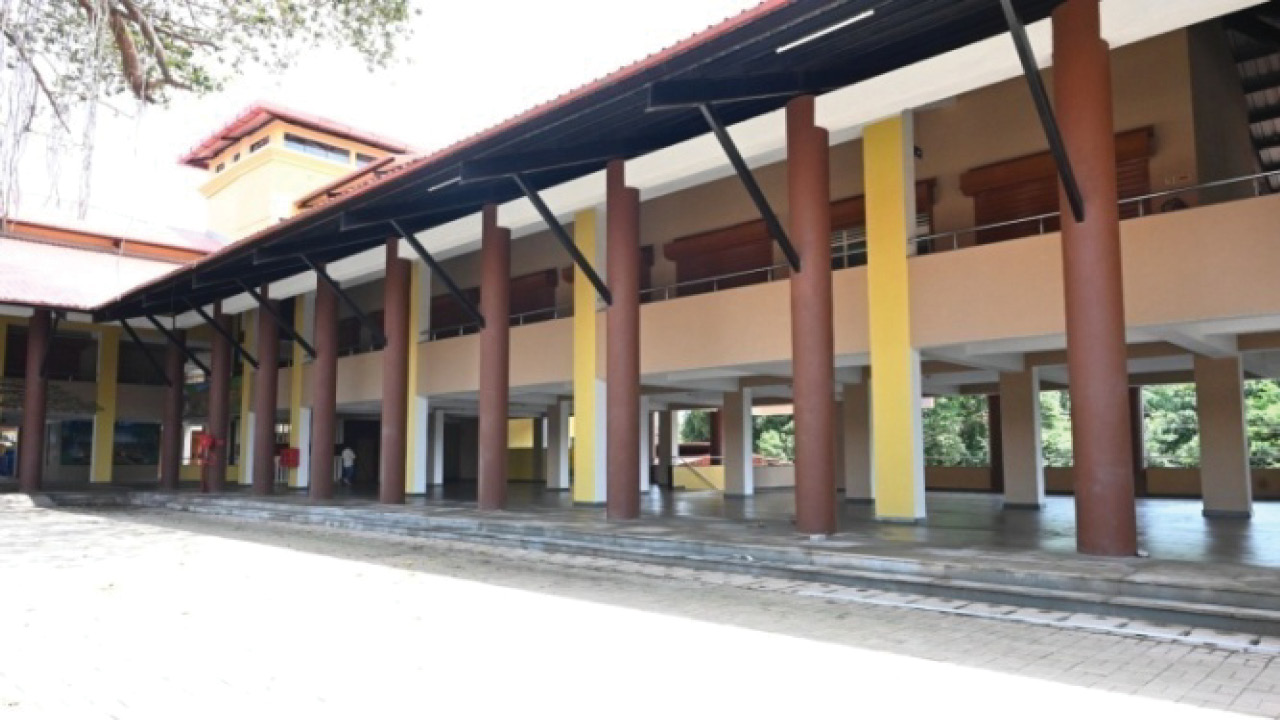
- A new 60-shop market complex was constructed with organized sections for vegetables, meat, and fish
- A modern sewage treatment plant was integrated to manage waste sustainably
- A community hall with 450-person capacity was included for local ST programs
- Consultations with local leaders and panchayat resolved social and implementation challenges
Outcomes
- Vendors now operate in a clean, structured, and respectful environment
- The project boosted local economic activity and improved vendor income
- Waste and sanitation are efficiently managed through the built-in STP system
- The community hall fosters social events, empowering the ST community further
Project Details
Category: Forest Produce
Project Title: Re-construction of Banastarim Market – Bhoma Adcona Panchayat
Department or District: Directorate of Tribal Welfare, Government of Goa
State: Goa
Start Date of the Project: 7th March 2019
Website: https://trifed.tribal.gov.in/Goa
Tribe(s) that the Project Covers: The primary beneficiaries of this project are Scheduled Tribe vendors, particularly those from Bhoma-Adcona Panchayat and neighboring villages in North Goa. These vendors have long sustained their livelihoods through traditional weekly markets but lacked proper facilities.
Keywords: ST Vendors, Infrastructure Development, Rural Market, Community Hall, MFP Scheme, Inclusive Development, GSIDC, Tribal Livelihoods, Weekly Market Revitalization
This is an infrastructure development initiative undertaken by the Directorate of Tribal Welfare, Goa, aimed at improving the economic and social conditions of Scheduled Tribe (ST) vendors. The traditional weekly market at Banastarim, known for its vibrant trade in local produce and handmade goods, had operated for years without structured support. Recognizing its cultural and economic significance, the government initiated the re-construction of the Banastarim Market under the centrally sponsored scheme for Marketing of Minor Forest Produce (MFP). The new complex offers a dignified and regulated space for ST vendors, contributing to both economic empowerment and cultural continuity.
The Project
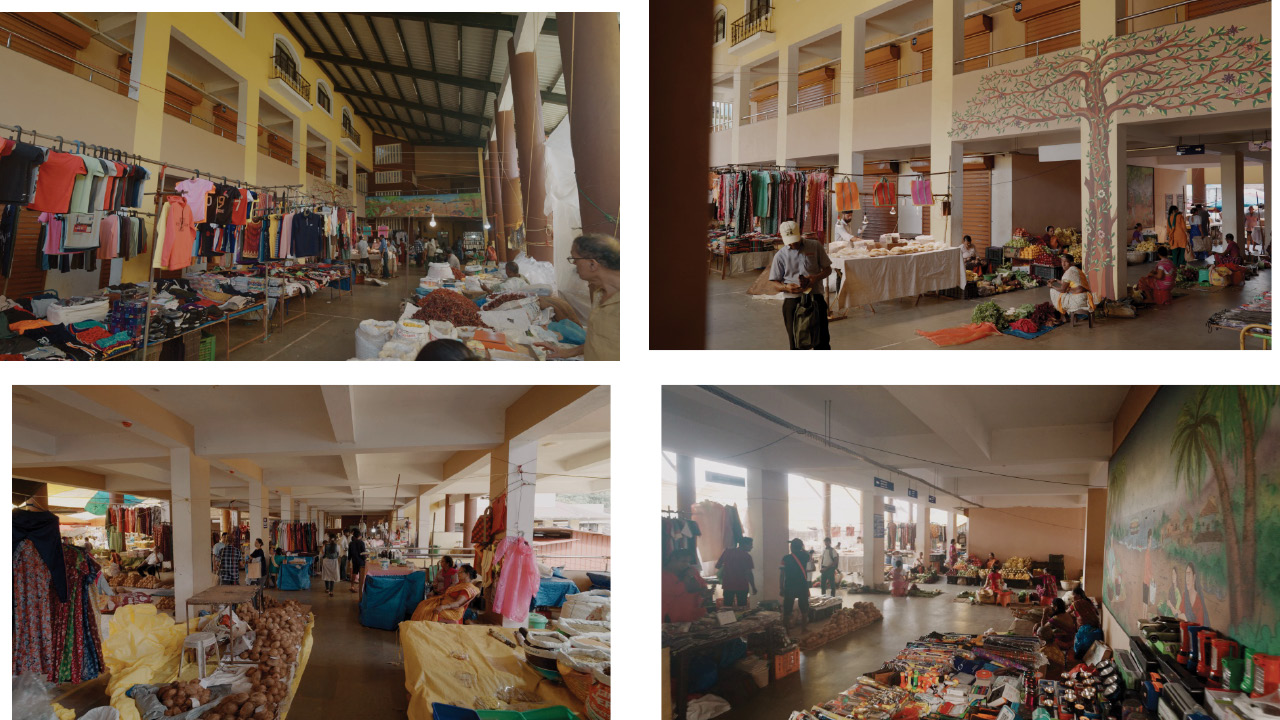
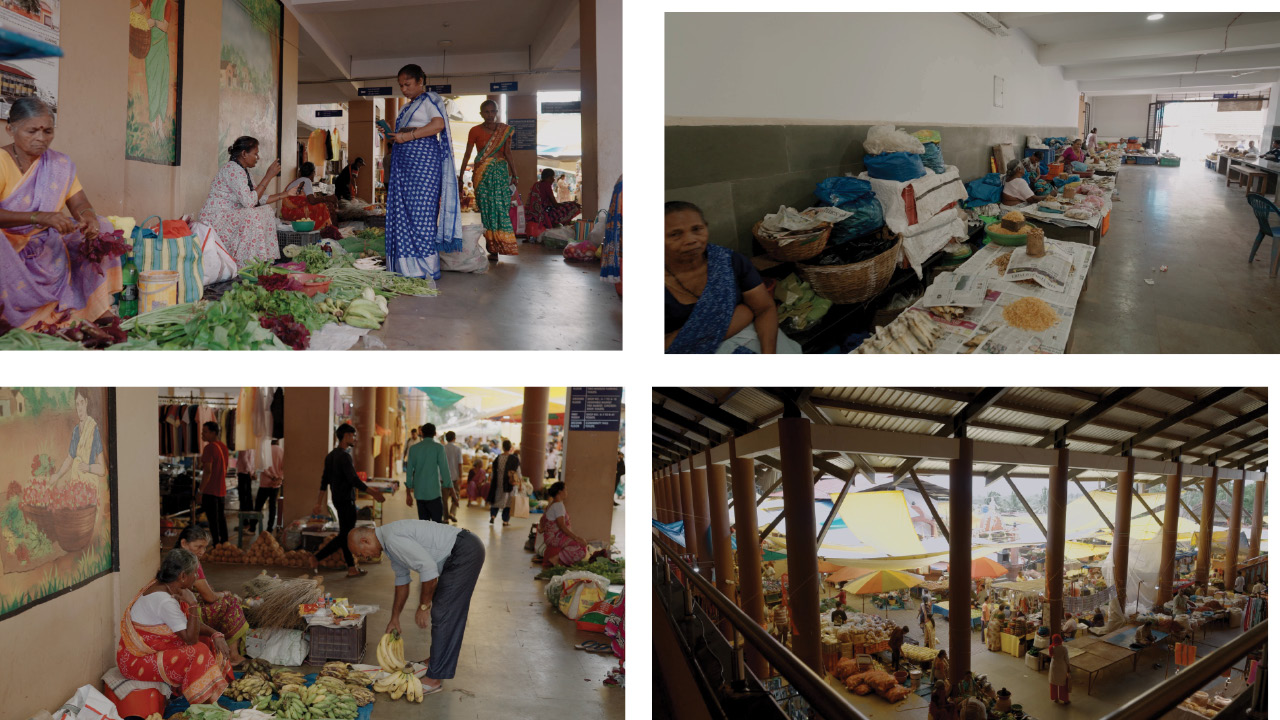
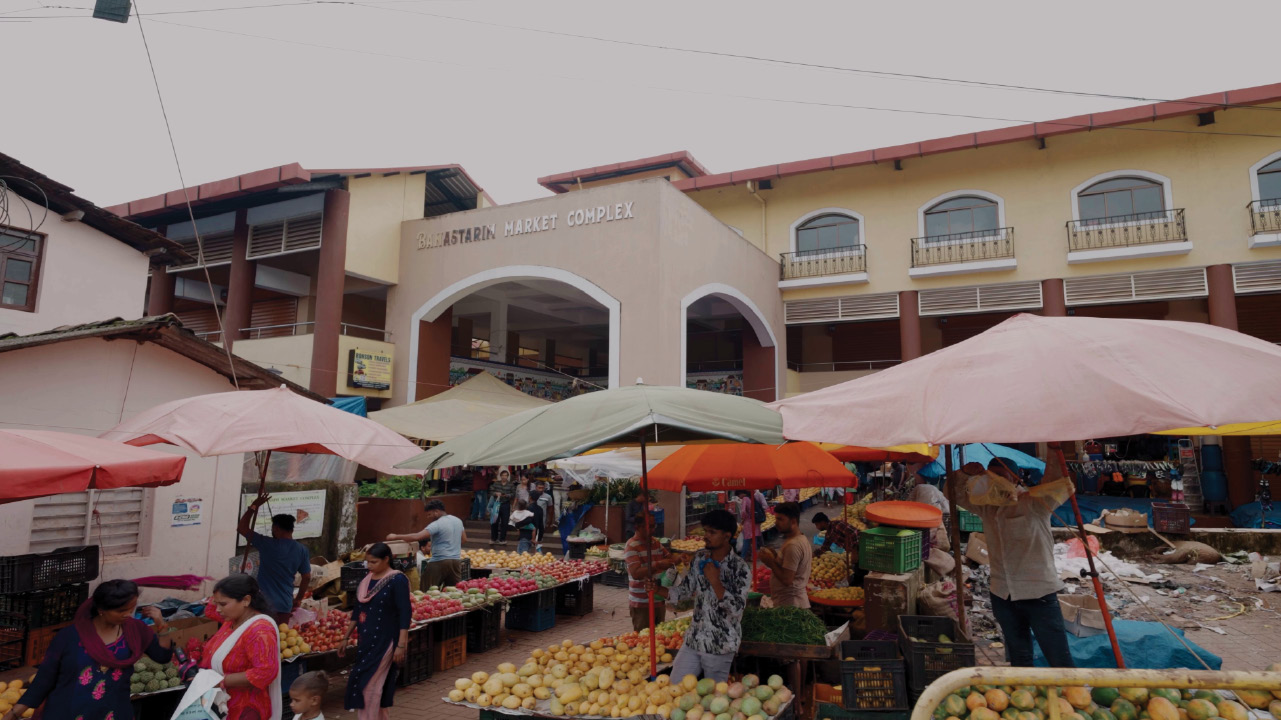
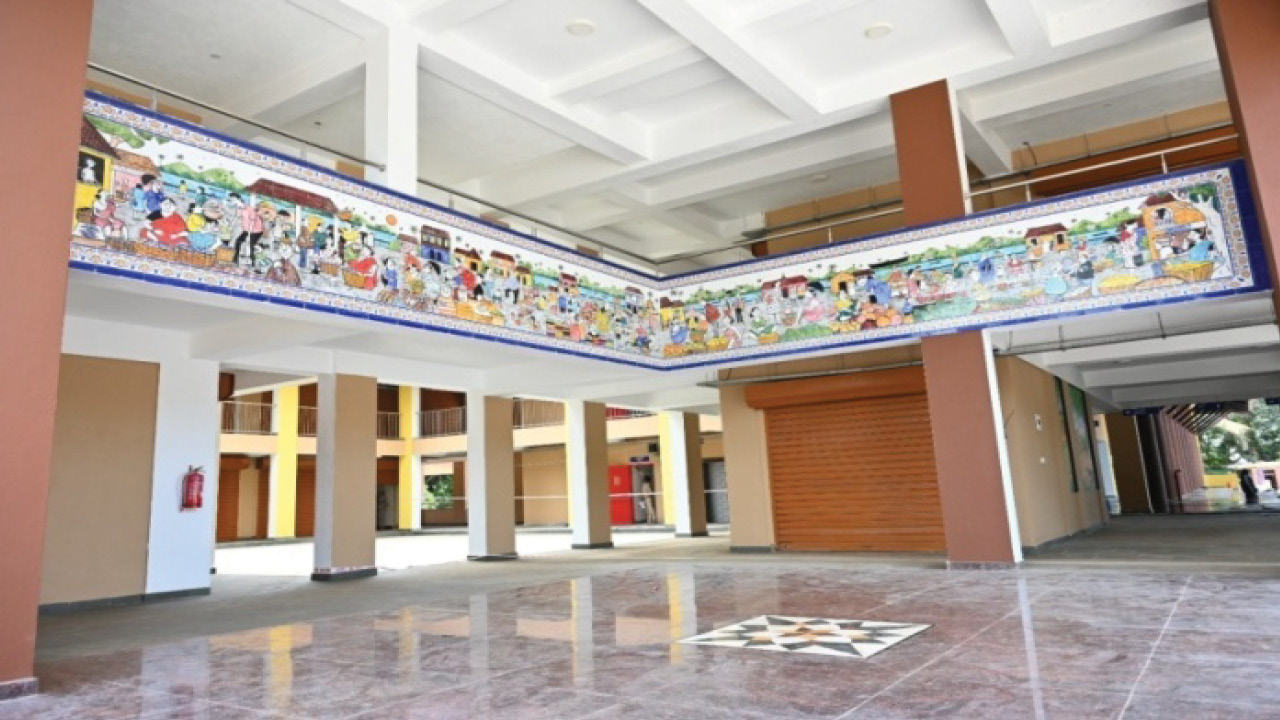
The Banastarim Market Complex has been reconstructed over an area of 5,000 square meters, with a built-up space of 2,833 square meters. It comprises 60 modern shops, designated areas for vegetable, fish, and meat vendors, and a 450-capacity community hall. The infrastructure includes a sewage treatment plant, adequate sanitation, and well-planned public utilities. This project was executed by the Goa State Infrastructure Development Corporation (GSIDC), a state PSU, and was inaugurated on 24th March 2023 by the Hon’ble Chief Minister of Goa. The initiative aims to ensure a dignified working environment for ST vendors, protect traditional market ecosystems, and provide a platform for community programs and gatherings.
Problems that it Intends to Solve
The core challenge addressed by the project was the lack of proper market infrastructure for ST vendors in Ponda taluka. For years, these vendors sold their goods in makeshift setups under inadequate conditions, exposed to weather fluctuations and lacking basic amenities. In addition to this, the absence of regulated space led to disputes over stalls, irregular footfall, and poor hygiene standards. Moreover, there was a significant need to formally recognize the economic role of tribal communities in regional trade and support them with the facilities they deserve.
Given Banastarim’s cultural reputation as a traditional weekly marketplace, the need to reconstruct the market went beyond just infrastructure. It was a matter of preserving livelihoods, strengthening tribal identity, and facilitating social equity. A modern complex would allow vendors to operate year-round, with the safety, sanitation, and space necessary to attract more customers and increase income levels. The project also fulfilled a long-pending demand from local ST communities and aligned with the government’s commitment to inclusive development.
Several hurdles emerged in the initial stages. A common misconception among the general public was that the construction would disrupt nearby religious sites, leading to early resistance. The outbreak of the COVID-19 pandemic further stalled the project, resulting in labor shortages and supply chain interruptions. Confusion over shop allotments and delays in securing additional funding after the project cost escalated beyond the sanctioned ₹12.32 crore added to the administrative challenges.
Process Followed for Implementation
- Government
- The Directorate of Tribal Welfare took the lead in project conceptualization, budgeting, and inter-departmental coordination. It submitted the proposal to the Ministry of Tribal Affairs, which approved the funding during the Project Appraisal Committee meeting on 10th January 2018. When the cost rose to ₹17.8 crore, the ministry directed the State Government to bear the additional expense. Execution was handed over to GSIDC, ensuring technical quality and adherence to timelines.
- Involvement of Community
- Community engagement was ensured through local consultations. Tribal vendors were engaged in discussions related to shop allocation and market design. The community hall built within the complex was a response to their need for a social and cultural gathering space. Efforts were made to incorporate community feedback during the implementation, helping to resolve misunderstandings and ensure local support.
Solutions Implemented
The project resulted in the creation of a fully functional market complex with dedicated spaces for different categories of vendors, ensuring order and accessibility. A sewage treatment plant was installed to manage waste and enhance environmental compliance. The addition of a community hall addressed the need for a social infrastructure for ST groups. The market layout was designed to facilitate foot traffic and visibility for all vendors, thus increasing their chances of higher sales. A transparent shop allotment system and coordination with Panchayat leaders helped smooth the final operationalization.
The project benefited over 1,167 internal stakeholders and more than 4,495 external users, including buyers and other service providers. With 60 shops and a 450-person hall, the market has capacity for both retail commerce and cultural programming. Vendors from multiple nearby villages now have structured access to a permanent market space, improving visibility and sales stability.
Innovation and Unique Features
Unlike typical infrastructure projects, this market was designed with both commercial and community needs in mind. It stands out for integrating a culturally significant market space with a multi-functional community hall, offering a space not only for business but also for festivals, tribal meetings, and social ceremonies. The use of state and central funds in convergence, along with features like a sewage treatment plant, demonstrate sustainable design.
The Banastarim Market model highlights the government’s shift toward holistic tribal welfare by addressing both economic and social needs. The design went beyond stalls to include hygiene, community spaces, and environmental considerations. Administrative processes were adapted to fast-track decision-making in response to on-ground challenges, including public apprehensions and pandemic-related delays.
Although NGOs weren’t involved, elected representatives, panchayat leaders, and community elders were consulted extensively. Their feedback guided decisions such as building a hall within the market premises and ensuring fair shop distribution. The solution was thus co-created with inputs from the very communities it was intended to serve.
When the cost exceeded the initial budget, the Directorate coordinated with the state government to secure additional funds. Misconceptions around religious disruptions were addressed through local dialogue and public reassurance. The shop allocation process was clarified through systematic documentation to minimize disputes and ensure transparency.
Challenges Faced Before Implementation
- The Directorate had to manage funding gaps and align various departments under a common implementation framework. Communication lapses and delays in administrative approvals created bottlenecks, particularly when the project had to be escalated due to cost revision.
- Early opposition from residents, pandemic-related labor shortages, and confusion over vendor allotment hampered smooth execution. These externalities led to delays in project completion.
- Coordination meetings were held with local panchayats and state PSUs. The use of GSIDC ensured efficient construction management, and the Directorate maintained direct communication with vendors throughout.
Challenges Faced During Implementation
- Apart from financial revisions, ensuring that the new infrastructure met expectations required rigorous monitoring and inter-agency cooperation.
- Pandemic conditions and lack of clarity around shop allotments persisted as key issues. These were addressed through community engagement and phased implementation.
- Deployment of government staff, clear documentation, and proactive communication through local leaders helped overcome resistance and confusion. The Directorate also streamlined fund usage from both central and state pools to avoid administrative delays.
Outcomes
- The completed market hosts 60 structured shops, serving over 1,100 vendors and nearly 4,500 regular customers and visitors. Dedicated vendor zones, waste treatment facilities, and a 450-seat community hall are now fully operational.
- Vendors now operate in a dignified, clean, and regulated environment. Their economic stability has improved, and their role in local culture and commerce has been reaffirmed. The market now serves as a hub for both economic exchange and community gathering, revitalizing local identity and pride.
- The project was monitored by the Directorate of Tribal Welfare in collaboration with GSIDC. Vendor feedback and public response were tracked informally through local leaders. The post-inauguration period has seen increasing utilization and community acceptance.
- The direct beneficiaries include tribal vendors from Bhoma-Adcona Panchayat and nearby villages. Indirect beneficiaries include buyers, service providers, local artisans, and the broader community, which now enjoys access to a clean, functional, and culturally rooted marketplace.
Replicability / Scalability / Sustainability
- The project aligns with the national initiative for Marketing of Minor Forest Produce (MFP) and supports Goa’s larger rural and tribal development strategies.
- While the initial cost required state support, ongoing operations are expected to be self-sustaining through shop rentals and event hosting in the community hall.