Role of GCC for the Development of Entrepreneurship Skills and Livelihood Activities

Role of GCC for the Development of Entrepreneurship Skills and Livelihood Activities
Problem
- Limited structured livelihood opportunities
- Weak market links restrict tribal income
- Skill gaps hinder entrepreneurship
- Low-value addition limits traditional product markets
- Insufficient institutional support affects sustainability
Solution
- Launched entrepreneurship and production training
- Created structured procurement and marketing channels
- Supported value addition and quality
- Provided fair product-selling platforms
- Built sustainable income institutional mechanisms
Outcomes
- 415 Van Dhan Vikas Kendras (VDVKs) sanctioned under PMJVM with ₹36.04 crore
- Benefiting 1,24,500 tribal beneficiaries
- 273 VDVKs operational, generating cumulative sales of ₹4.35 crore
- PMJANMAN (PVTG Mission), 73 VDVKs established, covering 6,162 beneficiaries
- Total sales of ₹29.76 lakh
Project Details
Category: Livelihoods
Project Title: Role of GCC for the Development of Entrepreneurship Skills and Livelihood Activities
Department or District: Girijan Co-operative Corporation
State: Andhra Pradesh
Start Date of the Project: 1-04-2018
Website: https://gcc.ap.gov.in/
Tribe(s) that the Project Covers: The project supports Scheduled Tribes in Andhra Pradesh, including PVTGs in ITDA areas such as Seethampeta, Paderu, Rampachodavaram, KR Puram, Chinturu, Srisailam and other tribal regions. Tribes include Savara, Jatapu, Konda Dora, Gadaba, Kammara, Bagata, Valmiki, Porja, Kotia and Lambada.
Keywords: Minor Forest Produce (MFP), MSP-based Procurement, Tribal Livelihoods, VDVK, VDPES, Women SHG, Value Addition, Entrepreneurship Development, Market Linkages, Tribal Rights, Eco-friendly Harvesting, Digital Governance
The Girijan Cooperative Corporation (GCC) of Andhra Pradesh implemented an integrated model to transform tribal economies. GCC advances transformation through fair procurement, value addition and organised market access. Tribal families rely on Minor Forest Produce – honey, tamarind, gums, soapnuts, hill brooms, herbs and spices as their main livelihood. For decades, middlemen exploited these communities, manipulated prices and forced distress sales.
Recognising the urgent need, GCC adopted a rights-based, market-driven, entrepreneurial approach aligned with the scheme “Marketing of Minor Forest Produce through Minimum Support Price (MSP) and Development of Value Chain for MFP.” Over time, this intervention built a comprehensive ecosystem combining procurement reform, enterprise development via VDVKs and VDPES, value-added manufacturing, retail branding and digital governance.
The Project
The project, “Role of GCC for Development of Entrepreneurship Skills and Livelihood Activities,” began on 1-04-2018 and has grown exponentially. It is a state-level Public Sector Undertaking under the Tribal Welfare Department. The core objective is to end exploitation in MFP markets and raise tribal incomes through MSP-aligned procurement. The project builds entrepreneurial capacity via cluster-based VDVKs and creates strong national market links for value-added products. It links grassroots procurement with centralised processing, retail marketing and institutional supply chains, creating a full value chain from forest to consumer.
Problems that it Intends to Solve
The primary problem is the long-standing exploitation of tribal gatherers by middlemen, who dictated prices, manipulated weights and delayed payments. Consequently, tribal families, especially women-headed households faced chronic income instability.
Another key issue was the lack of entrepreneurship opportunities in tribal regions. Communities were stuck selling raw produce without access to processing infrastructure, branding, packaging, or formal markets. Although women played a major role in forest livelihoods, their economic participation was still limited.
Tribal products suffered from poor visibility and non-standard packaging. They had limited access to national platforms. The lack of structured procurement systems weakened forest rights protection and harmed sustainable harvesting.
Need and Rationale
Intervention was vital because MFP forms the backbone of tribal livelihoods. Unfair prices hurt food security, education, healthcare access and household resilience. Without solid systems, poverty and seasonal migration persisted.
A transparent MSP-based procurement system was essential for fair incomes. But procurement alone was not enough for lasting change. The GCC model seeks to shift communities from subsistence to enterprise ownership. It achieves this while safeguarding traditional knowledge and ecological balance.
Implementation Process
The phased implementation combined procurement reform, institutional strengthening, enterprise creation and market integration. The first phase strengthened village-level procurement centres. Mobile procurement units reached remote tribal habitations. A Rate Fixation Committee sets procurement prices at the start of each year, aligning with market trends and ensuring transparency and MSP compliance. Wide publicity through newspapers, pamphlets and shandies informed gatherers of prices and payment systems. Payments were immediate, eliminating delays and building trust. Girijan Primary Marketing Societies monitored operations and stock was kept in divisional godowns before sale on MSTC e-tender platforms.
At the same time, GCC expanded procurement coverage to 25 notified MFP items, such as tamarind, honey, soapnuts, gums, hill brooms and medicinal herbs, to ensure diversified income streams.
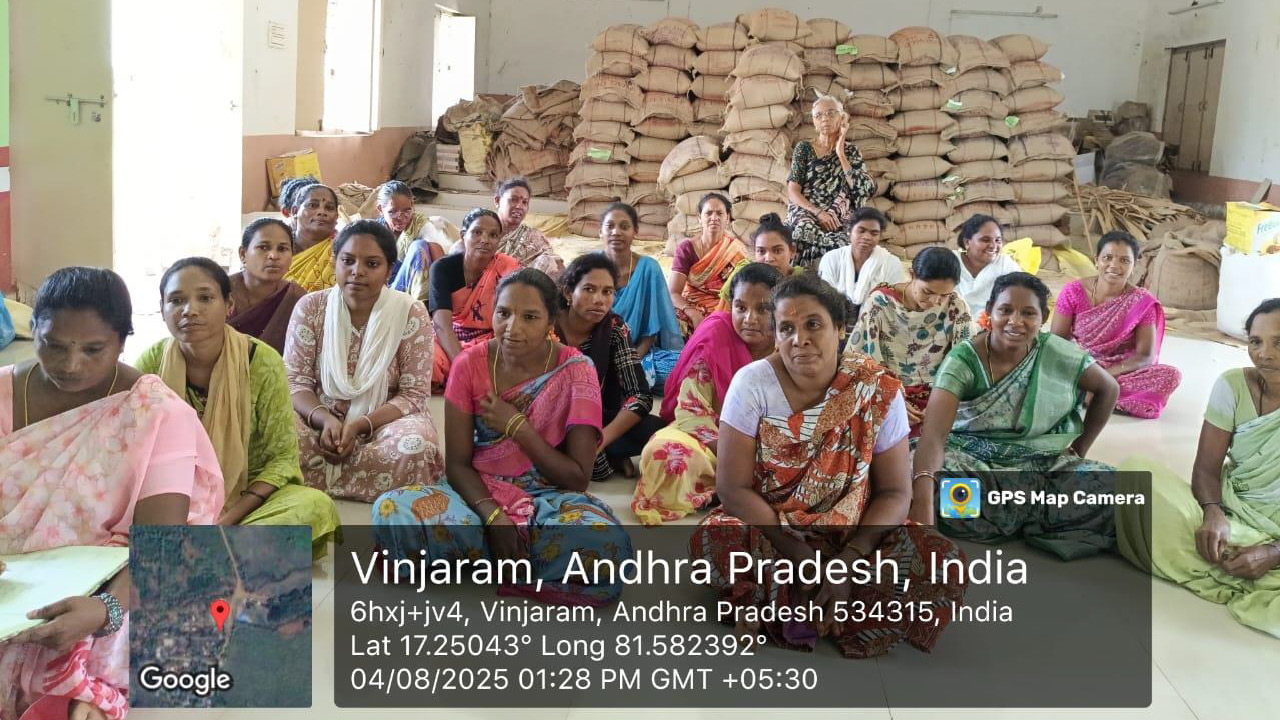
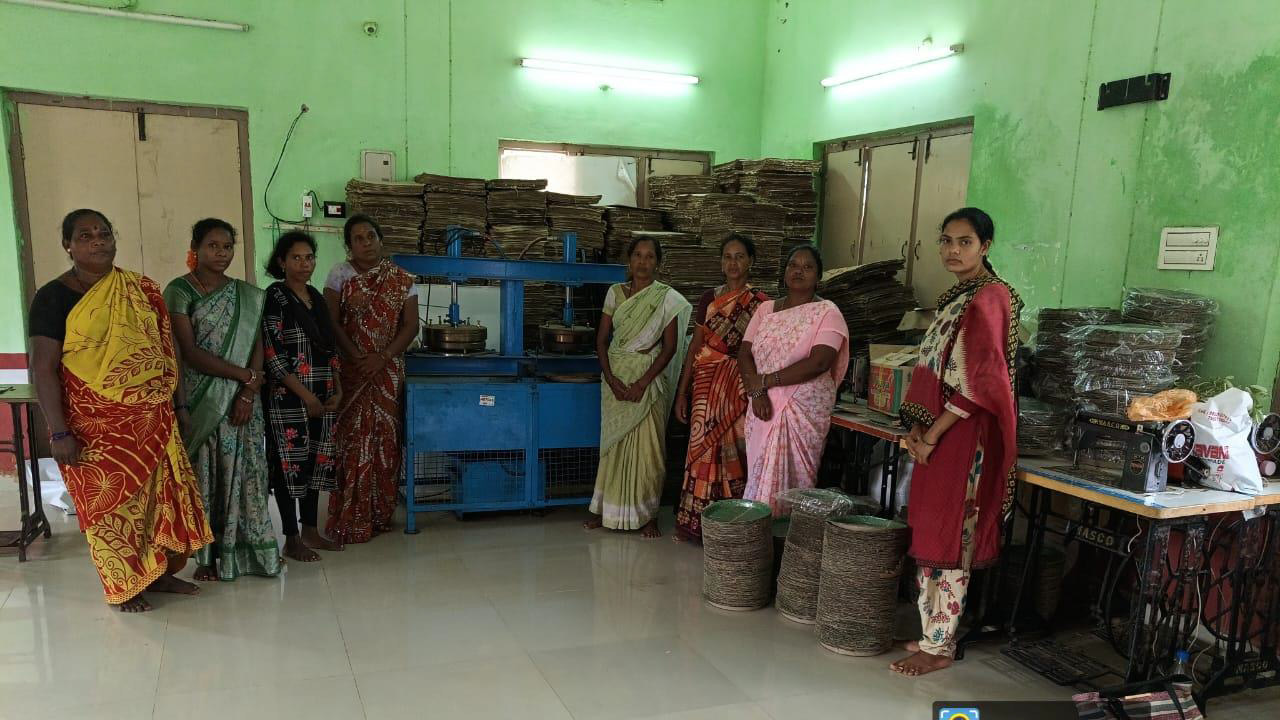
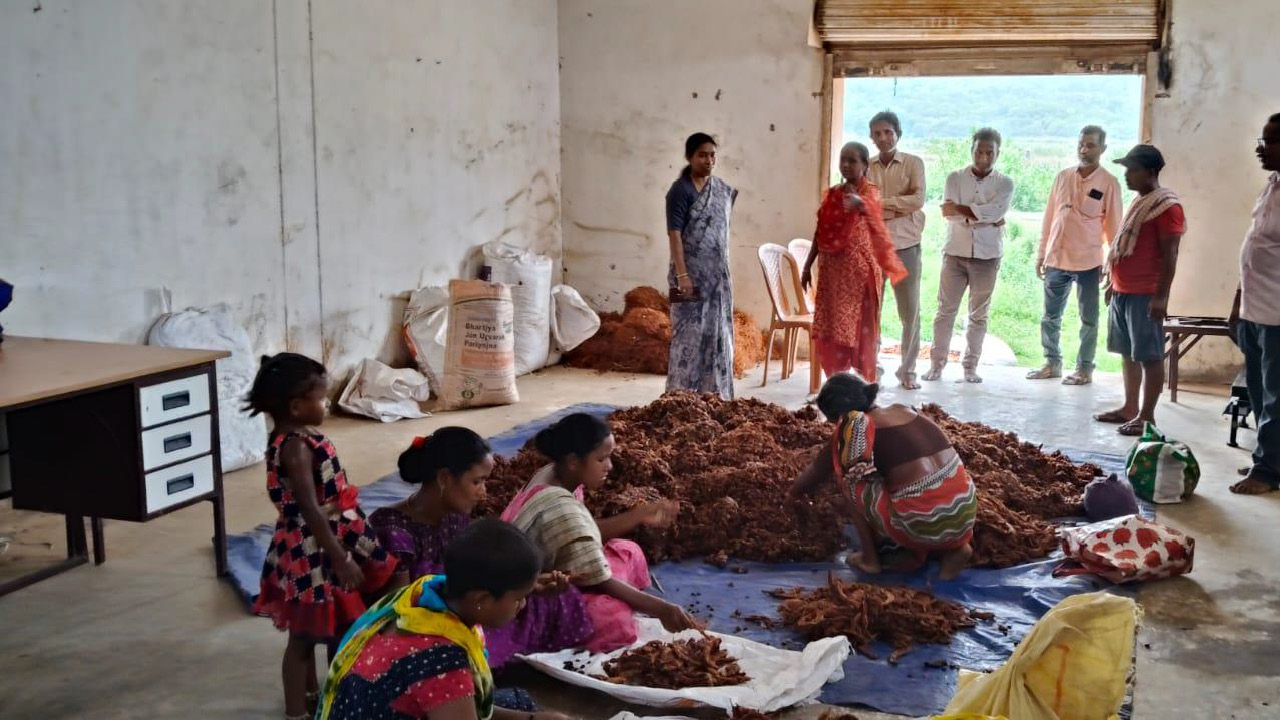
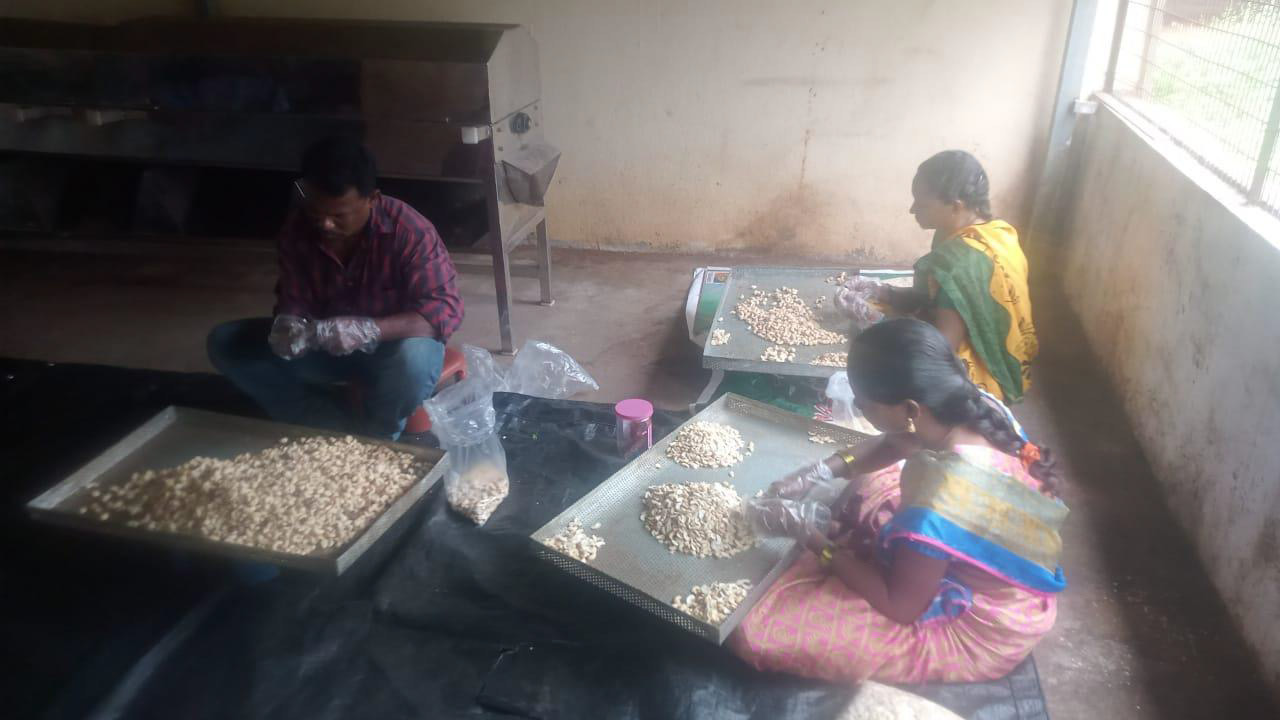
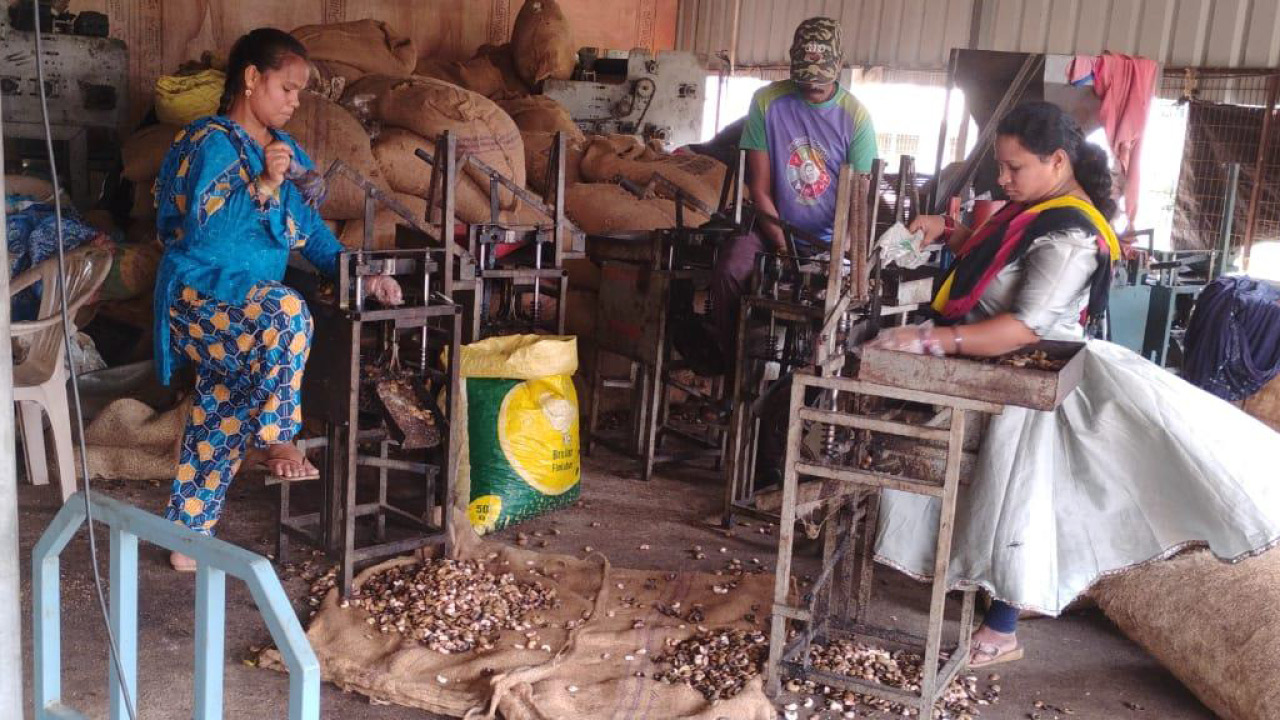
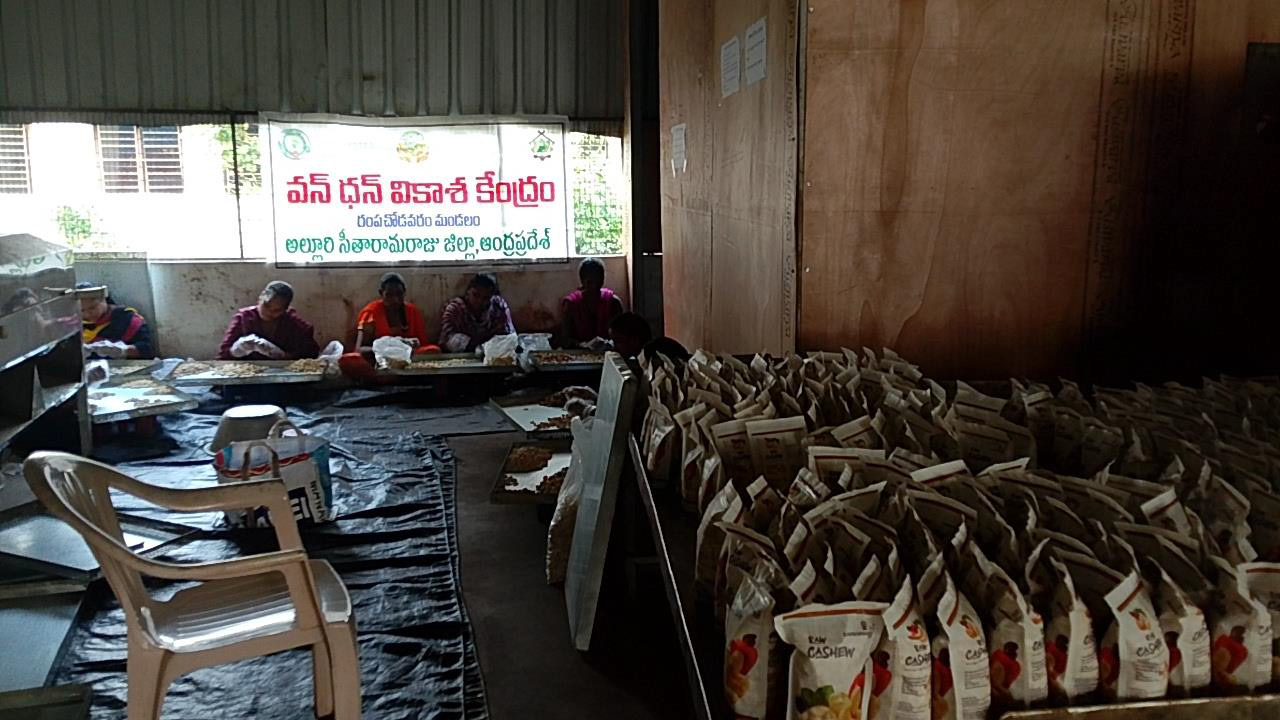
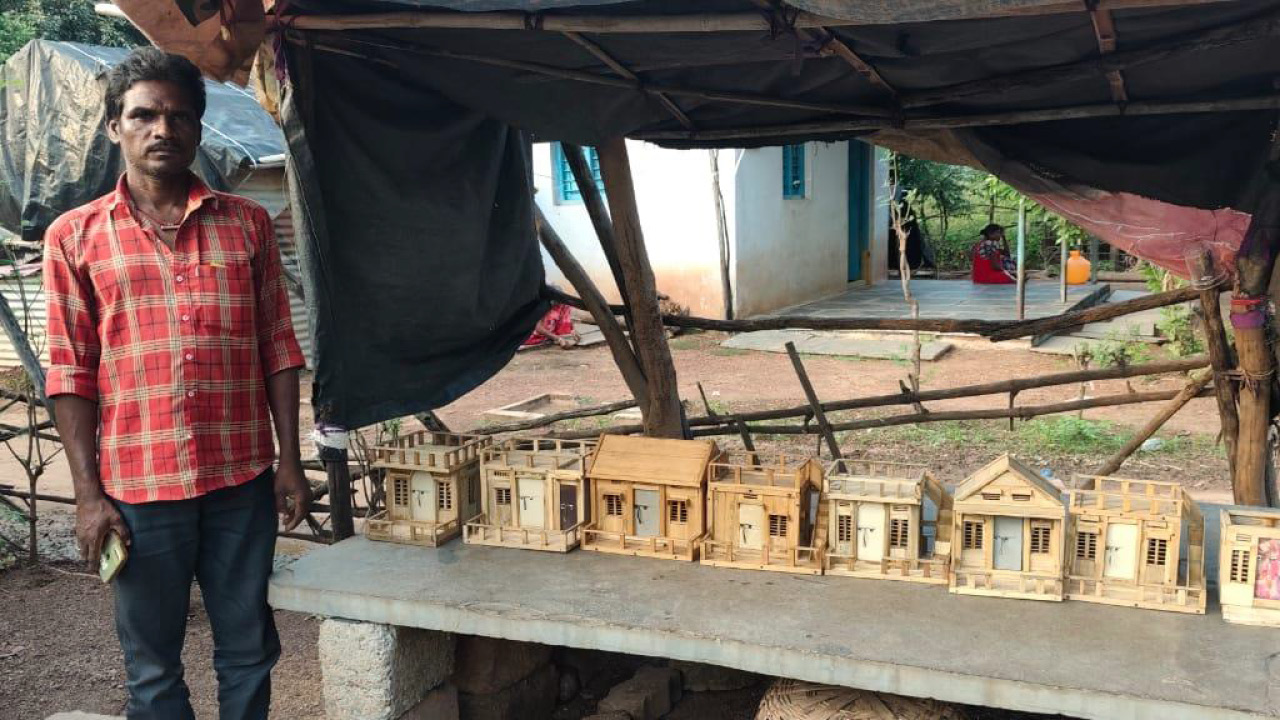
In the second phase, GCC set up 415 Van Dhan Vikas Kendras (VDVKs) under PMJVK. These covered 6,225 SHGs and helped 1,24,500 tribal members. Of these, 374 VDVKs began operations and generated sales of Rs. 452.03 lakhs. The centres served as processing hubs where tribal SHGs, mostly women, learned cleaning, grading, drying, packaging and enterprise management.
Another 73 VDVKs were sanctioned under PMJAY for PVTGs. This covered 6,162 beneficiaries, all of whom were fully trained and given toolkits. They generated cumulative sales of Rs. 29.76 lakhs. This ensured that the most vulnerable groups were included.
The third phase strengthened value-added infrastructure. GCC established honey processing at Chittoor and Rajahmundry and set up soap units at Araku and Visianagaram. GCC processed turmeric at V Madugula, operated soapnut and shikakai units at Rampachodavaram and handled chilli processing at Buttaigudem. Installed capacity reached lakhs of kilograms annually. In 2024-25, value generation crossed key benchmarks in honey, turmeric, rajma, soapnut pulp and sharbats.
Parallelly, GCC rebranded its Retail Marketing Department (RMD) products to international-level packaging standards and expanded distribution via 65 distributors, government institutions, supermarkets, railway stations, airports and Rythu Bazaars. Five RMD godowns ensured supply chain efficiency across Andhra Pradesh, Telangana and neighbouring states.
Digital governance improved operations. There were digital payments, e-auctions via MSTC, better quality control and improved documentation systems. These changes made the process transparent and accountable.
Solutions Implemented
The project features an MSP-aligned, middleman-free procurement system that ensures transparent transactions and prompt payments. Cluster-based enterprise development via VDVKs and VDPES enables tribal SHGs to add value. GCC upgraded packaging to FSSAI standards and positioned tribal products competitively in markets.
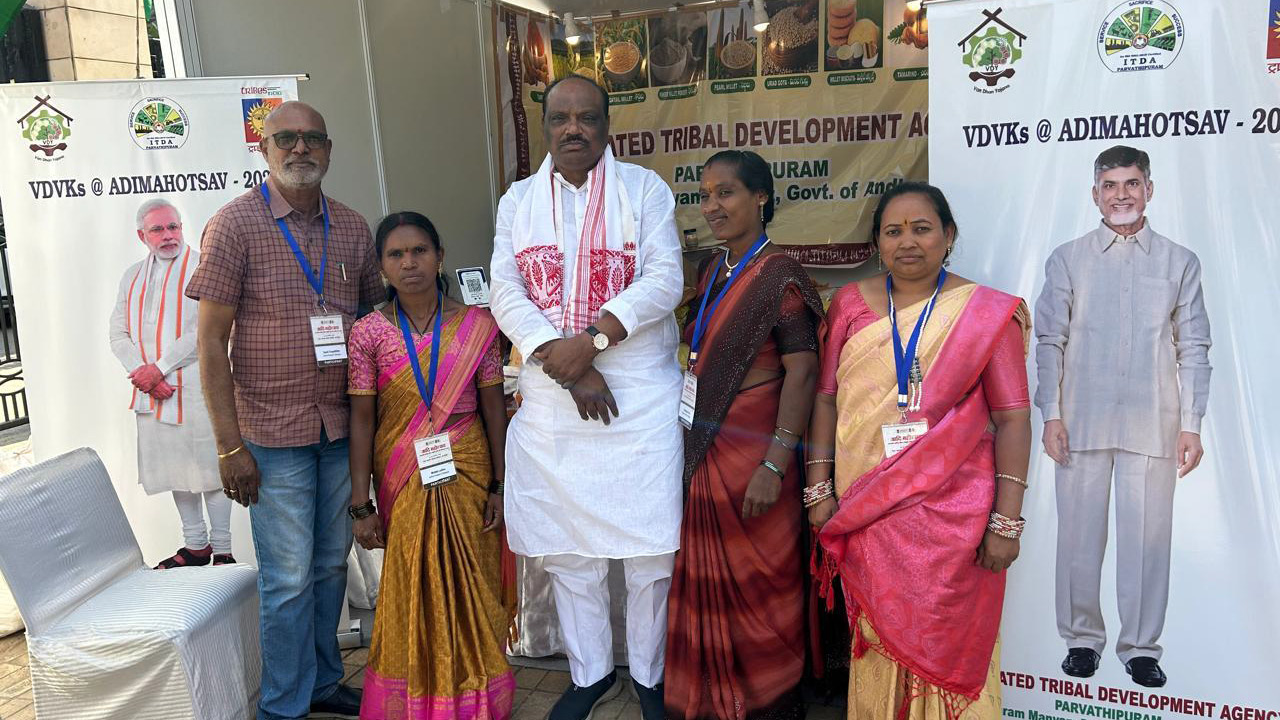
National exhibitions such as Aadi Mahotsav and IITF exposed tribal entrepreneurs to large consumer markets. Governance reforms, including digital payments and quality monitoring, increased systemic efficiency and reduced leakages.
Details of the Coverage
The intervention reaches thousands of tribal families in ITDA regions. Pradhan Mantri Janjatiya Vikas Mission (PMJVM) sanctioned 415 VDVKs. PMJANMAN targeted 73 VDVKs at PVTGs. Over 1,45,000 people were external beneficiaries. Procurement includes 25 MFP commodities and other surplus crops, such as turmeric, ragi, rajmah and chillies. Retail networks span several states through distributors, franchises and institutional tie-ups.
Innovation and Unique Features
The project stands out for its integrated value chain. It unites procurement, processing, branding, enterprise creation, marketing and rights protection. The federated VDVK-VDPES model ensures scale while maintaining local ownership.
GCC rebranded its products to international standards, transforming perception and improving price realisation. The rights-based model, in line with PESA and the Forest Rights Act, protects sustainability and culture. Women-led enterprises now make tribal women key economic decision-makers.
The Girijan Cooperative Corporation (GCC) initiative stands out for its integrated, end-to-end tribal livelihood architecture that combines procurement reform, value addition, entrepreneurship development, and market assurance within a single institutional framework. One of its most significant innovations lies in shifting from a mere procurement agency model to a tribal enterprise promotion model. Instead of limiting its role to Minimum Support Price (MSP)-based collection of Minor Forest Produce (MFP), GCC has actively introduced scientific processing, grading, primary value addition, and branding interventions that enable tribal gatherers to participate higher up in the value chain.
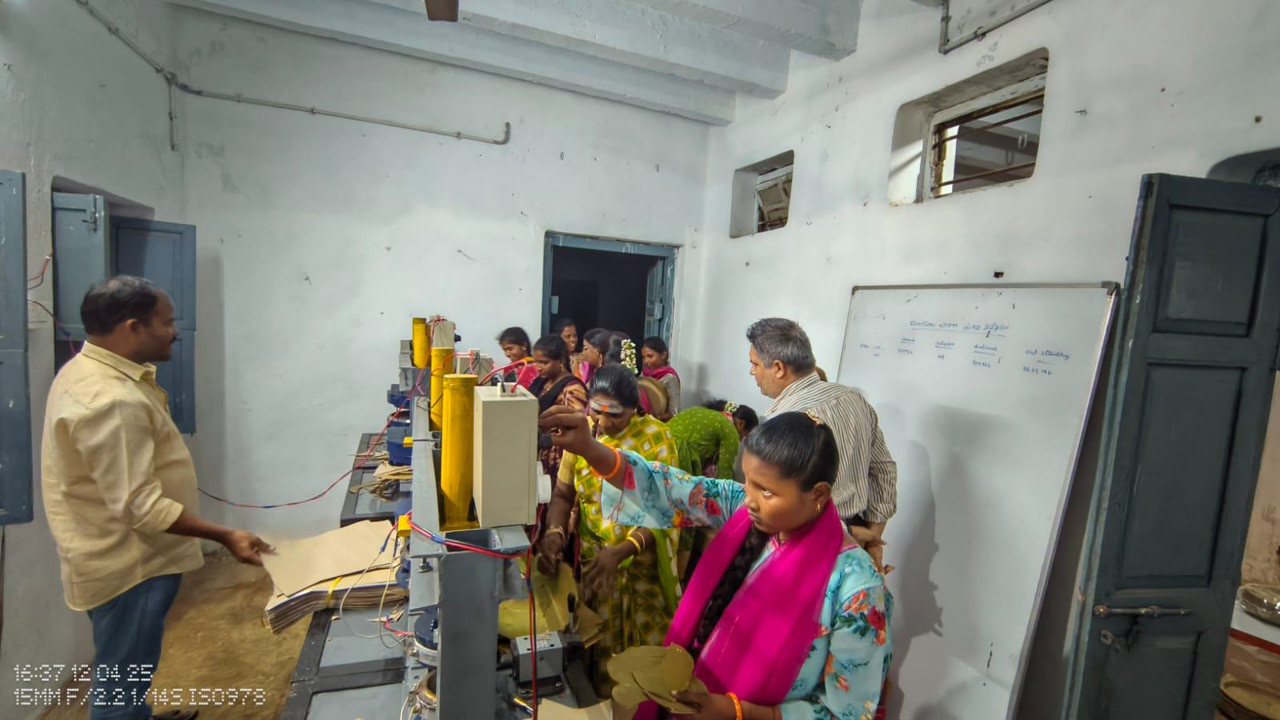
A distinctive feature is the blending of traditional forest knowledge with modern market systems. GCC has strengthened last-mile procurement through digital weighing, transparent payment mechanisms, and streamlined logistics, ensuring timely and fair remuneration to tribal collectors. Simultaneously, it has promoted entrepreneurship by training tribal youth and women in processing, packaging, and small-scale manufacturing linked to forest and agricultural produce.
Another unique dimension is the institutional use of cooperative structures to aggregate production while retaining community ownership. By integrating skill development, financial inclusion, and assured market linkages, GCC reduces exploitation by middlemen and stabilises incomes. The initiative thus represents a governance innovation where tribal welfare, forest-based livelihoods, and market integration are harmonised within a structured, accountable cooperative ecosystem.
Challenges Faced
Implementation faced geographical constraints due to remote terrain, which affected procurement logistics. Persistent middleman interference required awareness campaigns to shift tribal trust toward institutional procurement.
Capacity gaps among SHGs required sustained training. Technology adoption, especially digital payments and e-auctions, demanded behavioural change. Market visibility and consistent participation in exhibitions also posed logistical challenges.
Outcomes
The Girijan Cooperative Corporation has significantly expanded tribal livelihood opportunities through structured institutional interventions. A total of 415 Van Dhan Vikas Kendras were sanctioned with ₹36.04 crore released, benefiting 1,24,500 tribal members, of which 273 are operational, generating ₹4.35 crore in sales.
Under PMJANMAN, 73 VDVKs covering 6,162 PVTG beneficiaries recorded sales of ₹29.76 lakh. GCC’s honey processing units alone generated over ₹250 lakh in 2024–25. The retail network now includes 65 distributors, 54 franchises, 22 institutional outlets, and 5 RMD godowns, strengthening statewide market access.
The project ensured fair income realisation through MSP-aligned procurement, eliminating exploitation. Tribal SHGs emerged as first-generation entrepreneurs managing processing and packaging units. National visibility improved price realisation and brand recognition.
Women’s economic participation strengthened gender equity and household resilience. Income enhancement reduced distress migration and improved expenditure on nutrition, health and education. Sustainable harvesting practices and digital governance strengthened long-term institutional credibility.