

Securing Maternal Health Under Matrutva Yojana
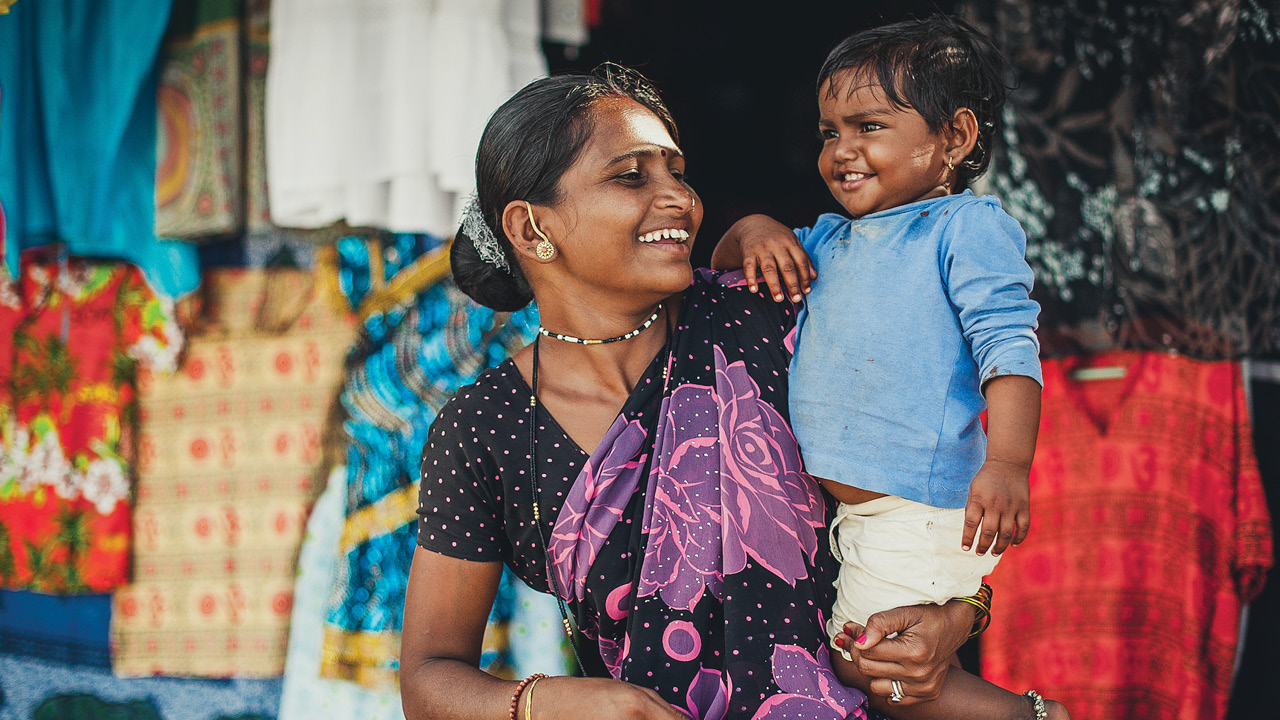
Securing Maternal Health Under Matrutva Yojana
Problem
- Infertility causing emotional, social and psychological distress
- Advanced fertility treatments such as IUI and IVF are prohibitively expensive
- Tribal communities often face limited access to quality reproductive healthcare services
- Economic and geographic barriers preventing Scheduled Tribe couples from availing state-of-the-art infertility treatment
- Social stigma associated with infertility
Solution
- Targeted scheme providing financial assistance for infertility treatment among STs
- Empanelment of private, state-of-the-art hospitals across Goa to deliver IVF and IUI treatments
- Provision of financial assistance up to Rs 5 Lakhs covering diagnostic investigations, medicines, procedures and delivery
- Creation of a structured scrutiny and approval process involving medical and monitoring committees
- Monitoring mechanism to ensure equitable distribution of resources
Outcomes
- A total of 319 applications sanctioned under the scheme
- 59 beneficiaries successfully delivered 72 babies, including one set of triplets and 11 sets of twins
- Remaining beneficiaries continue treatment until the sanctioned amount is exhausted
- Improved access to regulated infertility treatment following the ART Regulation Act, 2021
- Reduction in social stigma and psychological stress among beneficiary couples
Project Details
Category: Maternal Health
Project Title: Securing Maternal Health Under Matrutva Yojana
Department or District: Directorate of Tribal Welfare, Government of Goa
State: Goa
Start Date of the Project: 2018
Website: https://cmscholarship.goa.gov.in
Tribe(s) that the Project Covers: By focusing exclusively on ST communities, the initiative addresses reproductive healthcare inequities experienced by historically marginalised tribal families who often face economic, social and geographic disadvantages. It covers the following tribes: Dhodia (indigenous tribal community in Goa with distinct cultural and linguistic identity); Dubla (traditional tribal group with settlement in various talukas); Naikda (forest-dwelling group); Siddi (tribal community with African-Indian ancestry); Varli (indigenous tribal group with distinct socio-cultural heritage); Kunbi (recently included in the ST list); Gawda (recognised tribal community); and, Velip (another community added to the ST list, broadening the eligible base).
Keywords: Matrutva Yojana, Tribal Welfare, Infertility Treatment, IVF, IUI, Assisted Reproductive Technology (ART), Maternal and Child Health, Financial Assistance, Social Inclusion, Public Health, Healthcare Equity
Matrutva Yojana is a pioneering maternal and reproductive health intervention implemented by the Directorate of Tribal Welfare, Government of Goa. Matrutva Yojana is specifically designed for Scheduled Tribe (ST) communities that applies to married couples where either spouse belongs to the Scheduled Tribe category and is facing primary infertility. Operational since 8 February 2018 , the scheme was conceptualised to address infertility among Scheduled Tribe couples who are unable to conceive even after three years of marriage due to primary infertility.
Infertility is not merely a medical condition; it is often accompanied by intense emotional stress, social stigma and psychological pressure. In closely knit tribal communities, where parenthood is strongly associated with social identity, family continuity and community acceptance, childlessness can result in marginalisation and deep personal distress. At the same time, advanced fertility treatments such as In Vitro Fertilisation (IVF) and Intrauterine Insemination (IUI) are expensive and not available in government hospitals in Goa. The high cost of treatment places such services beyond the reach of economically vulnerable tribal families.
Recognising this gap, the Government of Goa launched Matrutva Yojana to ensure equitable access to state-of-the-art infertility treatment for Scheduled Tribe couples, thereby combining social justice with medical advancement.
The Project
Matrutva Yojana provides financial assistance of up to Rs 5 lakhs to eligible Scheduled Tribe couples to undergo infertility treatment through IVF or IUI at empanelled private hospitals in Goa. The financial assistance covers the entire treatment cycle, including diagnostic investigations, medicines, hospital admission, professional fees of specialists in obstetrics and gynaecology, procedures such as laparoscopy and delivery of the baby.
Eligibility criteria ensure that the scheme benefits genuine cases. The couple must have been married for a minimum of three years, must be diagnosed with primary infertility and must have no living issue. The benefit is restricted to the first-born child to promote equitable distribution of public resources.
Seven private hospitals equipped with modern Assisted Reproductive Technology facilities have been empanelled under the scheme. Beneficiaries are free to choose any of the empanelled hospitals, ensuring dignity, autonomy and informed choice.
Problems that it Intends to Solve
The scheme addresses three core problems: financial exclusion, limited service availability and social stigma.
First, infertility treatments such as IVF and IUI are prohibitively expensive for a large segment of society. Without financial assistance, tribal families cannot afford these procedures, which may require multiple treatment cycles.
Second, government hospitals in Goa do not provide IVF/IUI services. As a result, couples must depend on private facilities, which increases costs and creates accessibility barriers.
Third, infertility leads to social pressure and emotional trauma. In tribal communities, childlessness may lead to stigma, strained marital relationships and social exclusion. The absence of institutional support further intensifies psychological distress.
Matrutva Yojana addresses these intertwined medical and social challenges through a structured welfare intervention.
Need and Rationale
Scheduled Tribe communities have historically faced structural disadvantages in accessing quality healthcare. Although various welfare schemes exist for maternal and child health, infertility treatment has rarely been included within the ambit of public welfare policy.
The need for the scheme arose from the recognition that reproductive rights and access to assisted reproductive technology are integral to health equity. Without state intervention, tribal couples would remain excluded from advanced fertility treatments due to financial constraints and lack of institutional access.
By introducing financial assistance without imposing any income ceiling , the Government of Goa ensured that the scheme remained inclusive within the ST community. The initiative reinforces the principles of social justice, gender equity and dignity in healthcare delivery.
Implementation Process
The implementation of Matrutva Yojana is guided by a robust, multi-layered governance structure to ensure transparency, accountability and medical integrity.
Applications are first scrutinised by an Internal Scrutiny Committee within the Directorate of Tribal Welfare. Applicants are then referred to the Department of Obstetrics and Gynecology for medical examination and confirmation of genuine infertility.
A Monitoring Committee comprising senior doctors from district and tertiary care government hospitals reviews each application in detail. Only after thorough evaluation is the application forwarded to the Sanctioning Committee, chaired by the Hon’ble Minister for Tribal Welfare, Government of Goa.
This three-tier committee system ensures that public funds are utilised responsibly while maintaining medical authenticity. Additionally, empanelled hospitals are required to comply with the ART Regulation Act, 2021 , ensuring ethical and regulatory adherence.
Solutions Implemented
The principal solution is comprehensive financial support of up to Rs 5 lakhs for infertility treatment. Unlike partial subsidies, the scheme covers the full range of medical costs including diagnostic testing, hormonal therapies, specialist consultations, surgical procedures like laparoscopy, assisted reproduction cycles, hospital admission and delivery expenses.
By empanelling seven private state-of-the-art hospitals , the government ensured quality standards in service delivery. The free choice of hospital empowers beneficiaries and upholds patient autonomy.
The structured scrutiny and sanction process ensures transparency and prevents misuse. The restriction to first-born children balances compassion with fiscal sustainability. Overall, the solution integrates medical science, welfare policy and ethical governance into a single operational framework.
Details of the Coverage
Since inception, 319 applications have been sanctioned under the scheme. The scheme covers eligible Scheduled Tribe couples across Goa without any income restriction. Seven empanelled private hospitals provide treatment services statewide.
The scheme has thus achieved statewide reach within the targeted tribal population, ensuring both geographic and financial accessibility.
Innovation and Unique Features
Matrutva Yojana is innovative in its conceptual framing of infertility treatment as a tribal welfare and maternal health issue. Assisted Reproductive Technology is typically viewed as a private medical service accessible to affluent families. By integrating IVF/IUI treatment into a government-funded welfare scheme, Goa has expanded the scope of public health intervention.
The structured three-tier committee system introduces rigorous governance in an area prone to ethical and financial complexities. Compliance with the ART Regulation Act, 2021 ensures medical and legal safeguards.
The absence of an income ceiling promotes inclusivity within the tribal community. Allowing beneficiaries to select hospitals enhances dignity and agency. The comprehensive cost coverage from diagnosis to delivery ensures continuity of care rather than fragmented assistance.
This integration of advanced reproductive technology with targeted tribal welfare policy represents a significant administrative and social innovation.
Challenges Faced
Infertility treatment outcomes are inherently uncertain. IVF/IUI procedures may require multiple cycles and success cannot be guaranteed. This creates emotional and administrative challenges in managing beneficiary expectations.
The scheme’s multi-tier scrutiny process, while essential for transparency, requires coordination between administrative officers, medical specialists and sanctioning authorities. Continuous monitoring of empanelled hospitals is required to ensure compliance with regulatory standards.
Despite these challenges, the governance structure ensures credibility, fairness and sustainability.
Outcomes
The scheme has produced tangible and measurable outcomes. Out of 319 sanctioned applications, 94 beneficiaries have conceived. So far, 59 beneficiaries have delivered 72 babies, including one set of triplets and 11 sets of twin.
Beyond statistics, the initiative has helped beneficiaries overcome social stigma and emotional distress associated with infertility. Couples who once faced societal pressure have achieved parenthood with dignity and institutional support.
The scheme has strengthened maternal and child welfare among tribal communities while reinforcing confidence in public governance.
Matrutva Yojana provides a replicable governance model for other states seeking to integrate advanced reproductive healthcare into tribal welfare policy. Its structured approval system, hospital empanelment mechanism and comprehensive financial coverage can be adapted to regional contexts.