Strengthening Tribal Futures through Quality Residential Schooling: The EMRS Model of Madhya Pradesh

Strengthening Tribal Futures through Quality Residential Schooling: The EMRS Model of Madhya Pradesh
Problem
- Teachers from different states posted in remote tribal regions faced social, linguistic, and administrative challenges
- Principals and teaching staff encountered communication barriers due to diverse local dialects
- Integration of tribal pedagogy and culture within the classroom was limited
- Students lacked exposure to future-ready and technology-driven learning as recommended under NEP 2020
- Remote schools struggled to attract and retain qualified teachers, especially for science, mathematics, and English
Solution
- Introduced centralized online admission for equitable access to all eligible tribal students across Madhya Pradesh
- Initiated annual recruitment of guest teachers through transparent digital processes to address staffing gaps
- Appointed trained counsellors and nurses in every school to ensure holistic student development and well-being
- Implemented periodic teacher training and monitoring mechanisms to enhance instructional quality
- Established dedicated academic calendars including remedial classes, co-curricular activities, and competitive exam preparation
Outcomes
- Achieved 95% student enrollment against total intake capacity across 63 EMRS schools statewide
- Improved learning outcomes, with Class X average result at 94.33% and Class XII at 84.78%
- Increased teacher availability across subjects, strengthening academic delivery in remote tribal regions
- Enhanced students’ psychological and physical well-being through regular counselling and health checkups
- Expanded plans for 30 new EMRS institutions to reach more tribal-dominated blocks in the state
Project Details
Category: Education
Project Title: Providing Quality Education in Eklavya Model Residential Schools Across the State
Department or District: Tribal Affairs Department, Government of Madhya Pradesh
State: Madhya Pradesh
Start Date of the Project: 9th July 1998
Website: https://www.tribal.mp.gov.in/
Tribe(s) that the Project Covers: Scheduled Tribes (STs), Particularly Vulnerable Tribal Groups (PVTGs), and students from tribal-dominated blocks
Keywords: EMRS, Tribal Education, Holistic Development, Digital Learning, Skill Development, NEP 2020, MPSARAS
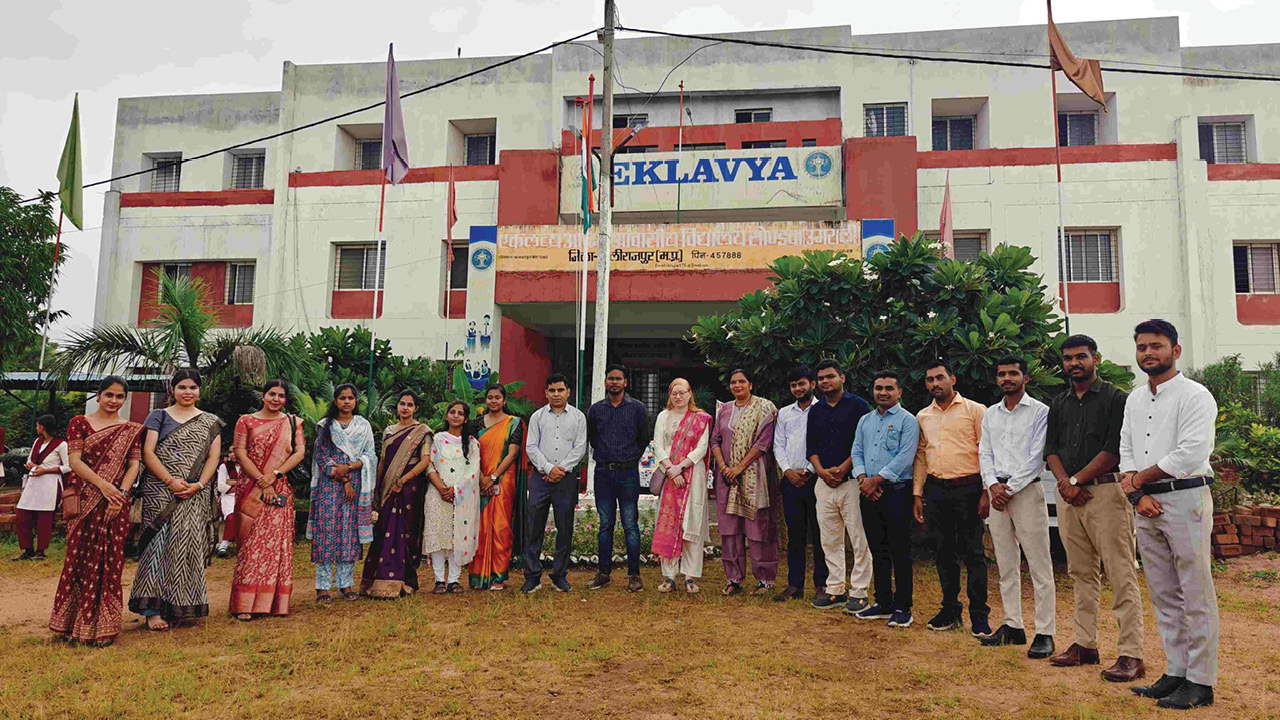
Madhya Pradesh is home to one of India’s largest tribal populations, spread across remote forested geographies with low access to quality schooling. To bridge this critical educational gap, the State established Eklavya Model Residential Schools (EMRS) under MPSARAS. These fully residential, CBSE-aligned schools aim to provide quality upper primary, secondary and senior secondary education, ensuring holistic development of tribal children.
The project spans 63 EMRS campuses, supported by a robust administrative framework that manages academics, admissions, teacher deployment, infrastructure, and student welfare. It highlights that the initiative integrates academics with vocational skills, environmental awareness, sports, national integration and co-curricular learning — shaping confident, future-ready tribal youth.
The Project
EMRS schools are fully residential, modern academic institutions established in tribal-dominated regions of Madhya Pradesh. They provide:
- Quality CBSE-based education
- Trained teachers and guest faculty
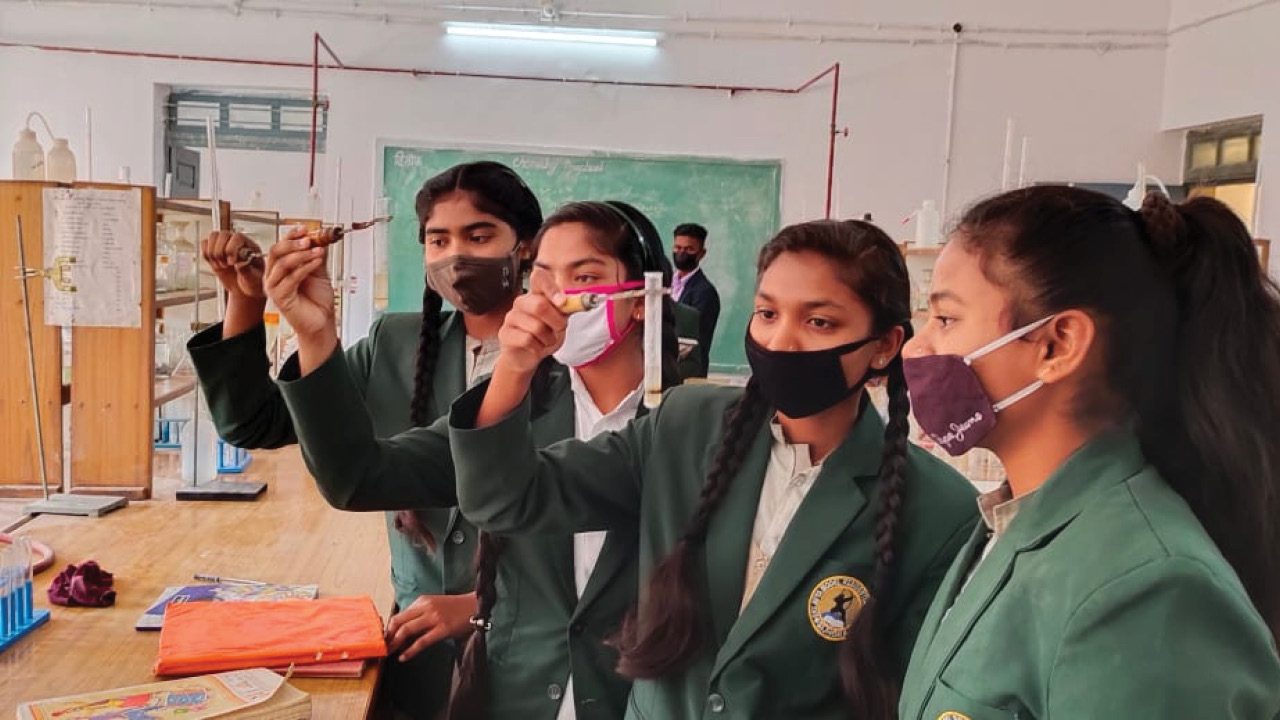
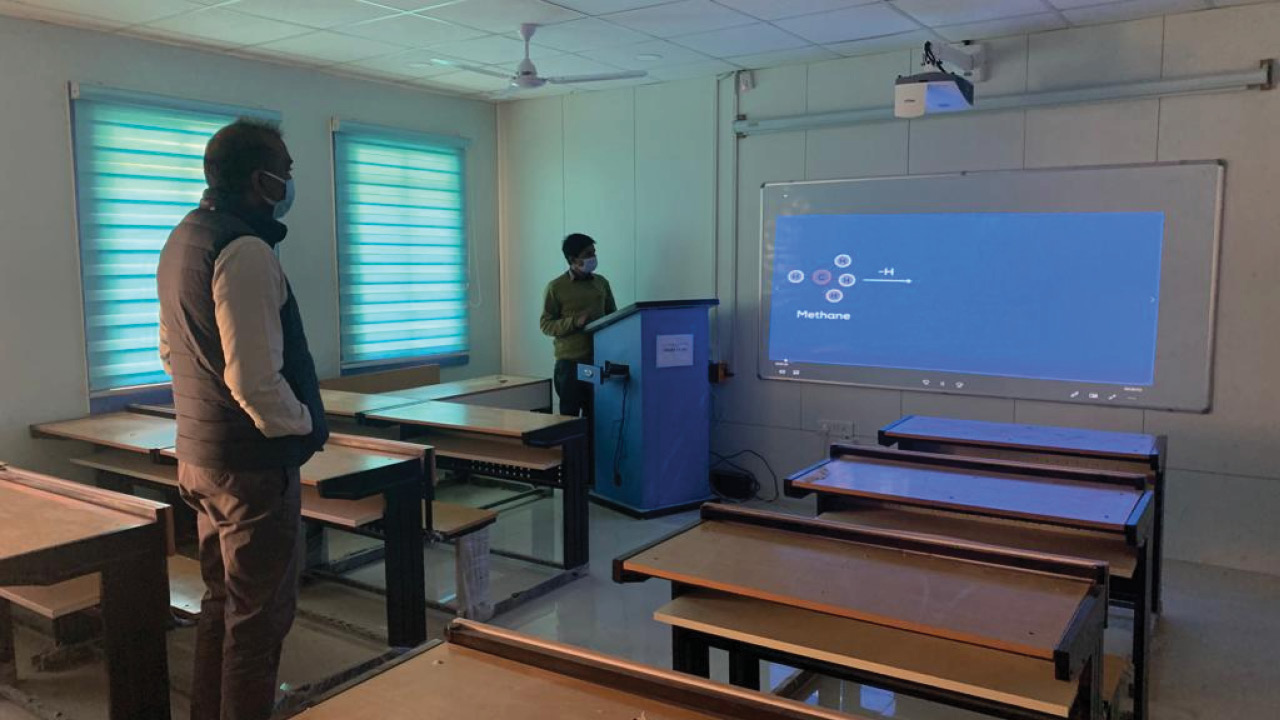
- Digital learning, joyful learning, and experiential pedagogy
- Vocational training
- Holistic development including sports, arts, gardening, environmental protection
- Medical support through school nurses
- Psychological and career counselling for students
The project ensures education that is future-ready, inclusive, culturally sensitive, and aligned to NEP-2020 recommendations.
Problems that it Intends to Solve
- Teachers posted from different states face linguistic, social, and administrative challenges.
- Principals and educators face barriers in local language communication.
- Difficulty in integrating tribal pedagogy with modern curriculum.
- Students need digital and tech-based learning for future competitiveness.
- Slow adoption of NEP-2020 reforms in remote tribal settings.
What was the Need
The department emphasises that holistic development of tribal students is a top priority and foundational for their survival and success in future competitive environments. Addressing language barriers, teacher shortages, and technological gaps was essential to prevent learning losses, improve retention, and align tribal youth with mainstream opportunities.
Overview & Timeline
Key events are guided by the annual academic calendar:
- Centralised online admissions
- Term exams, final exams, competitive coaching
- Remedial classes for weak students
- Summer camps
- Regular VC meetings with Principals
- Random monitoring by State & GoI officers
- Board of Directors’ decisions implemented by Executive Committee
Objectives of the Project
- Establish quality residential institutions promoting education in tribal areas.
- Enable all-round development across remote tribal habitations.
- Provide upper-primary to senior-secondary education to ST & PVTG students.
- Increase exposure through extracurricular, cultural, vocational, and tech-based learning.
Process Followed & Solutions Implemented
- Centralised Online Admission Process — transparent state-wide intake.
- Teacher Availability Solutions: Online recruitment of guest teachers every year.
- Psychological Counselling: Trained counsellors posted in every EMRS.
- Medical Support: Nurses appointed for regular health checkups.
- Holistic Development:
- Skill training
- Gardening & environmental activities
- Sports & cultural programmes
- National integration activities
Challenges Faced
- Technical challenges in online admission systems.
- Administrative issues in large-scale admission coordination.
- Difficulty in recruiting trained Science, Maths, and English teachers in remote tribal regions.
- Shortage of trained counsellors and nurses.
- Low willingness of staff to work in remote tribal blocks.
Why This Solution Was Selected
- Digital admissions ensured transparency for selecting 25,000+ students across 63 EMRS.
- Guest teachers filled urgent gaps in qualified academic staff.
- Counsellors and nurses strengthened emotional and physical wellbeing support.
- EMRS model allowed standardised, quality-driven learning environments across the state.
Outcomes
- Quantitative
- 95% student enrolment achieved against total intake capacity.
- Guest teacher recruitment ensured full classroom coverage.
- Counsellors improved the institutional environment and student wellbeing.
- Class 10 average result: 94.33%
- Class 12 average result: 84.78%
- 25,638 tribal residential students and 51,276 families, nearby communities etc.
- Qualitative
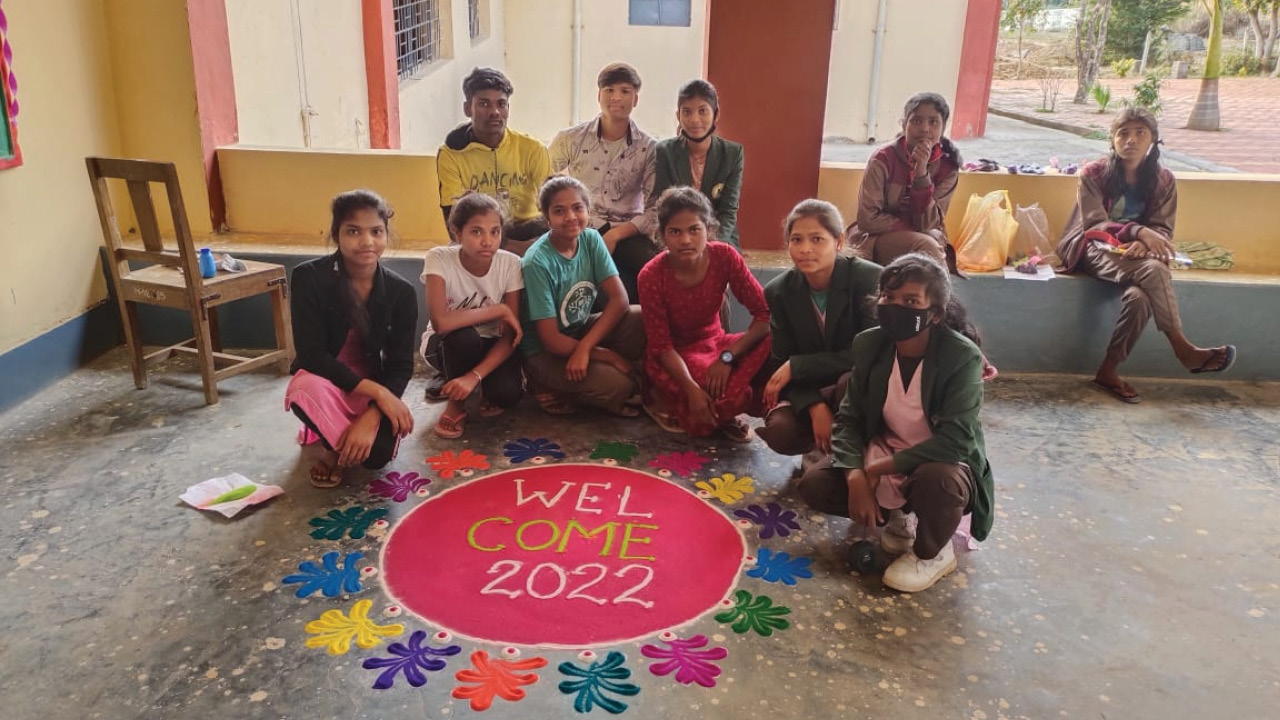
- Students exhibit improved confidence, discipline, and academic competitiveness.
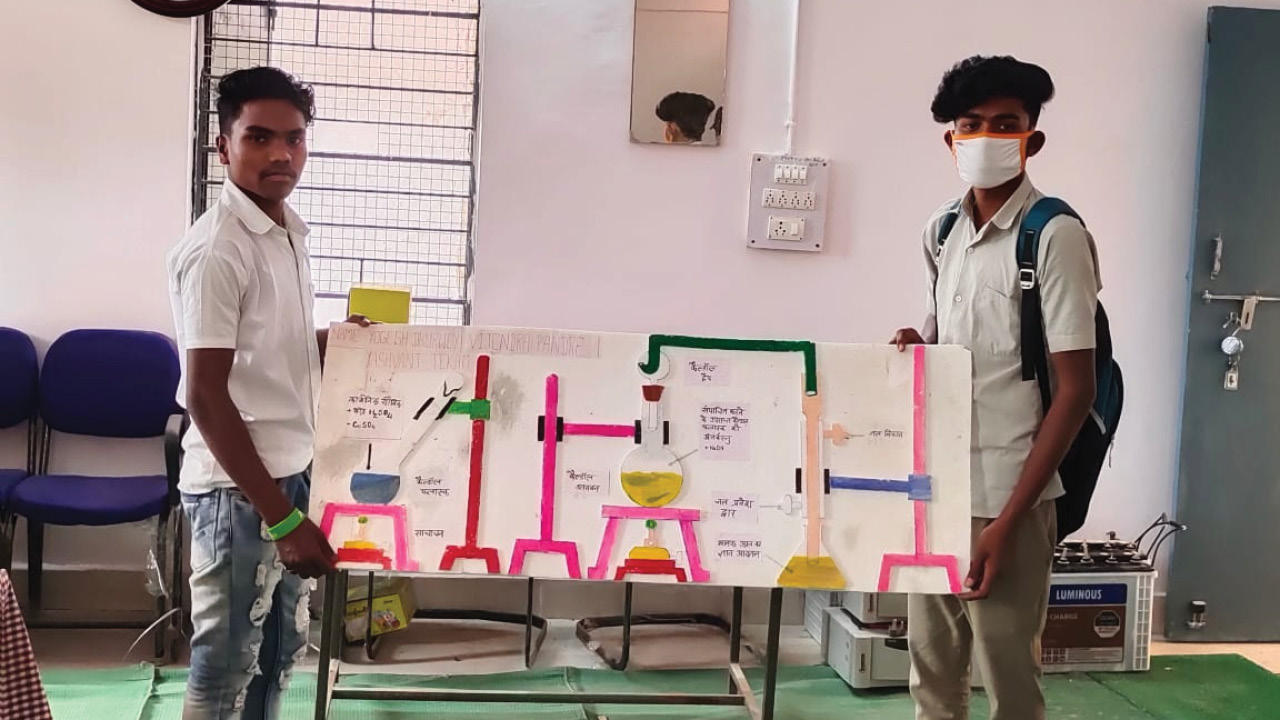
- Better learning outcomes due to joyful learning, innovative teaching methods, and digital aids.
- Increased parental trust in residential schooling.
- Strengthened identity and cultural pride through tribal pedagogy integration.
- Scalability & Future Plans
- The State has proposed 30 new EMRS schools in tribal blocks.
- Model can be replicated across other states needing standardised tribal education systems.
- Further integration of NEP-2020 reforms, digital classrooms, AI-based learning tools, and skill hubs.
Presentation
Video
Gallery