Tribal Youth Micro Entrepreneur under Mukhyamantri Jan Jatiya Jeevika Mission (MMJJM)

Tribal Youth Micro Entrepreneur under Mukhyamantri Jan Jatiya Jeevika Mission (MMJJM)
Nomination
- Inadequate infrastructure in remote tribal areas, such as poor connectivity and transportation challenges
- Weak Linkage to Livelihood Opportunities
- Limited access to sustainable livelihood options leads to economic insecurity among tribal households
- Grassroots-level institutions often face challenges in planning and utilizing available resources effectively
Achievements
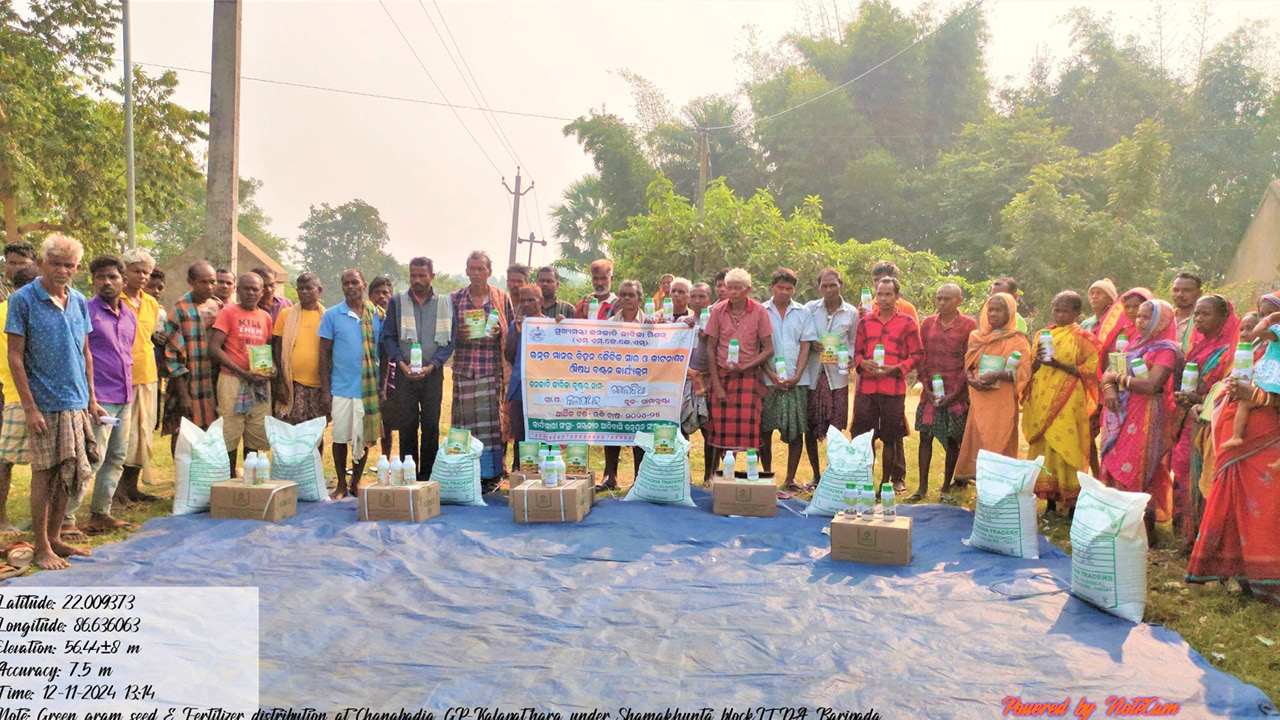
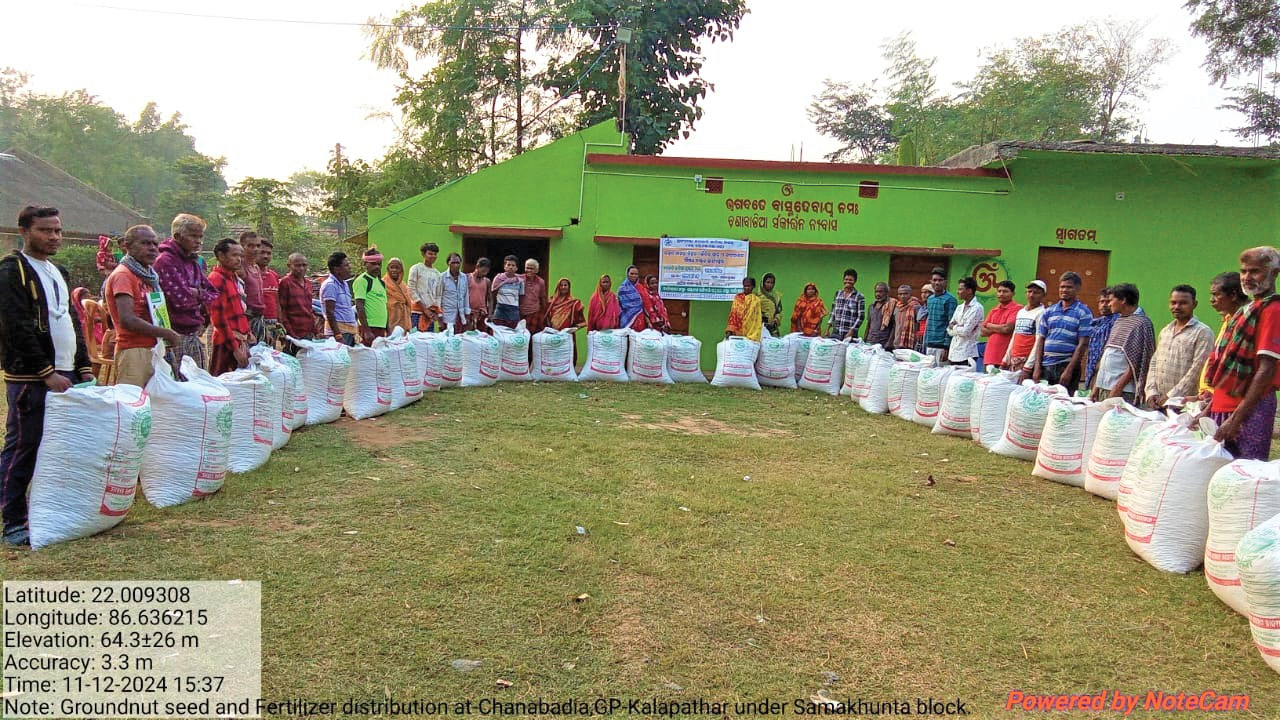
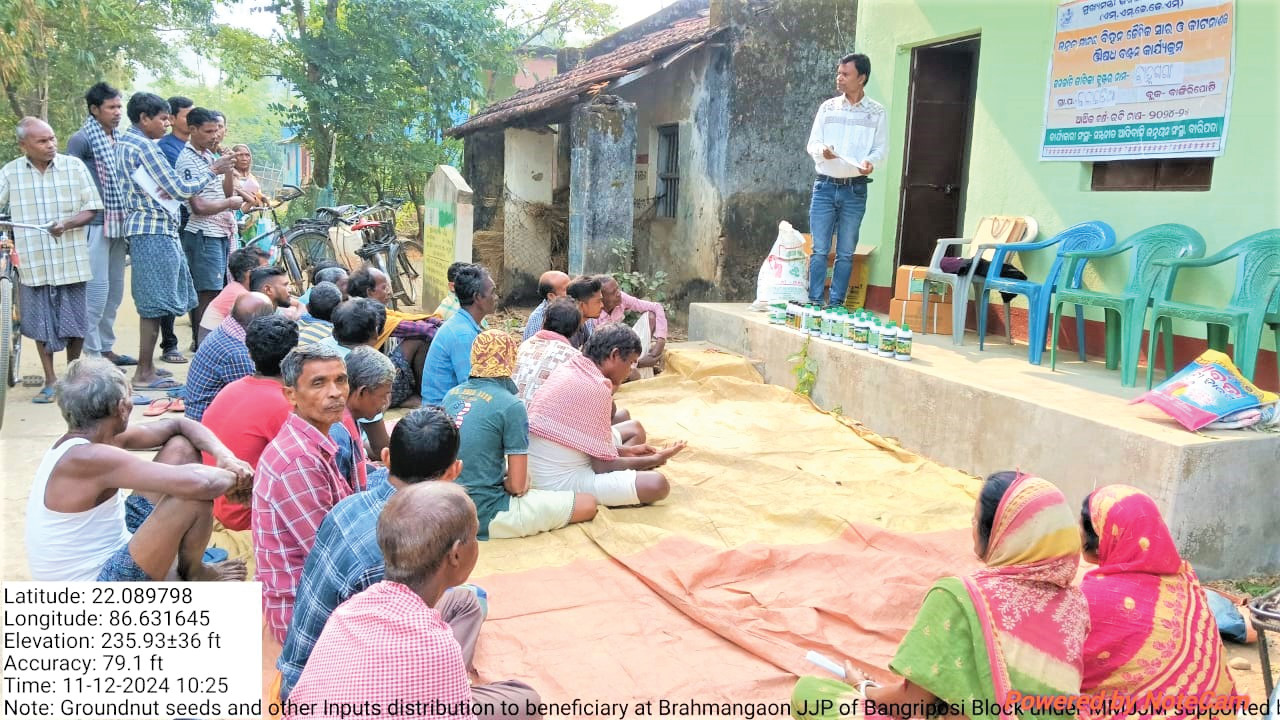
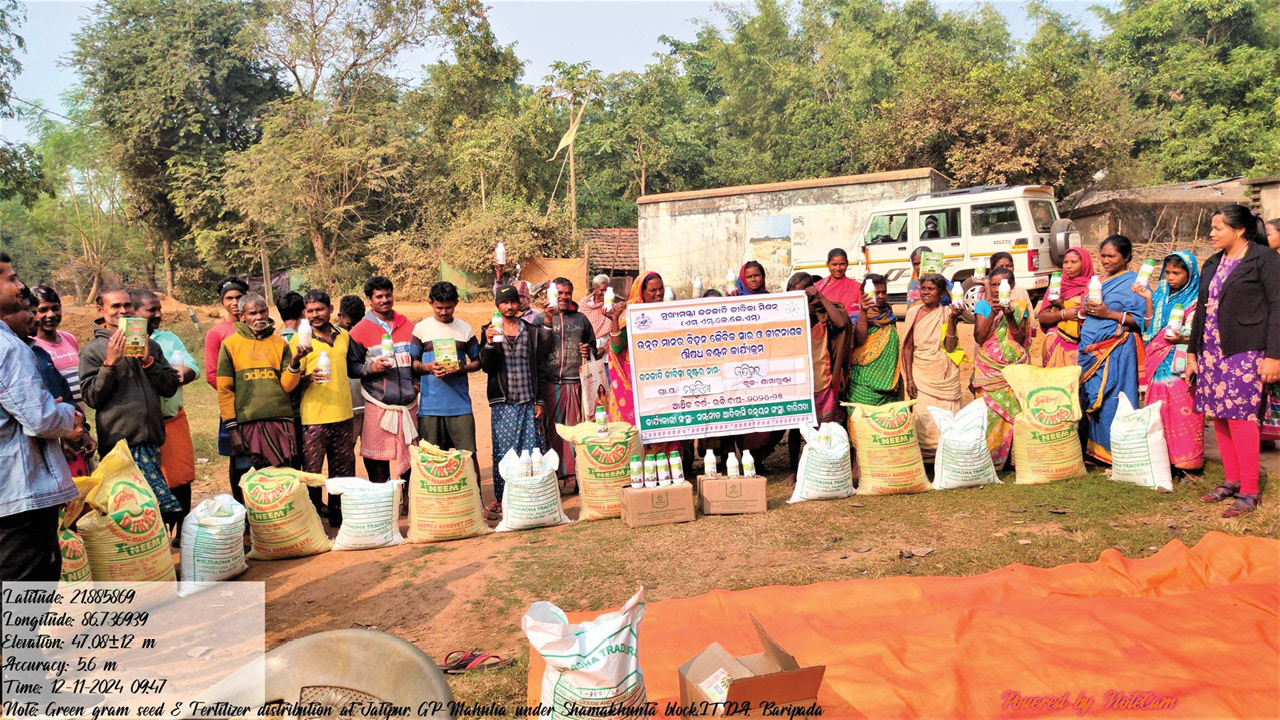
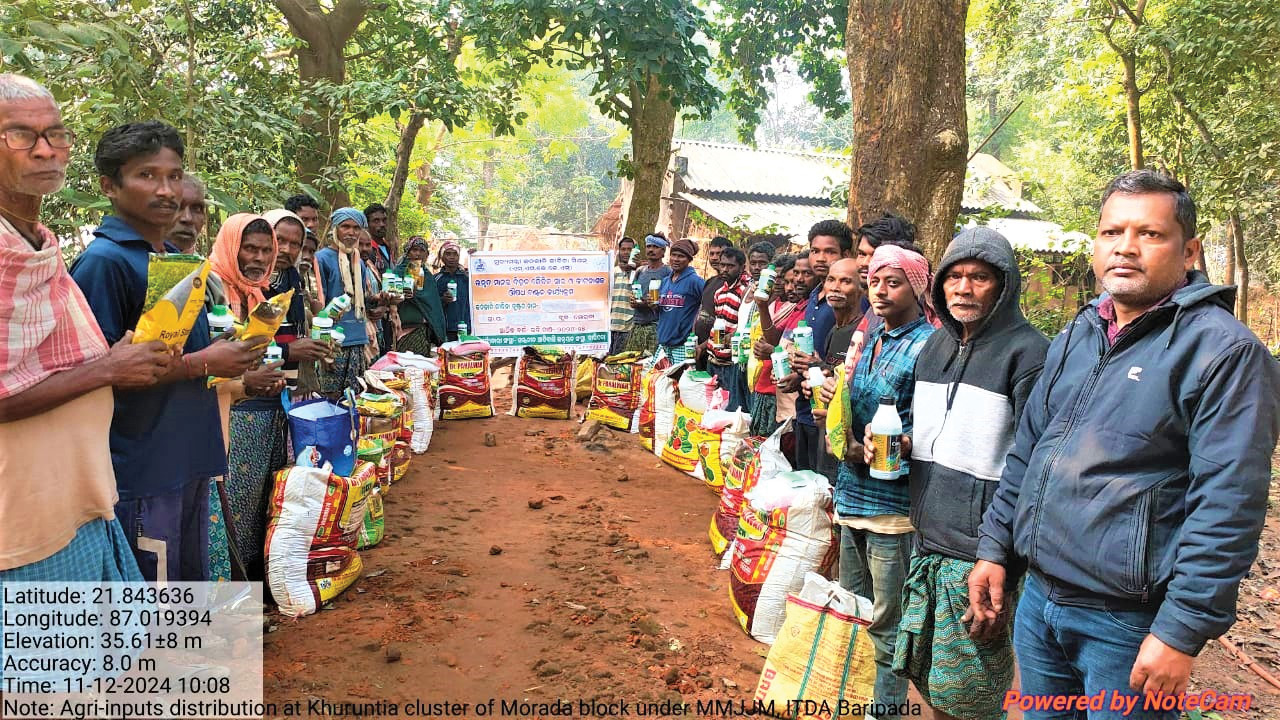
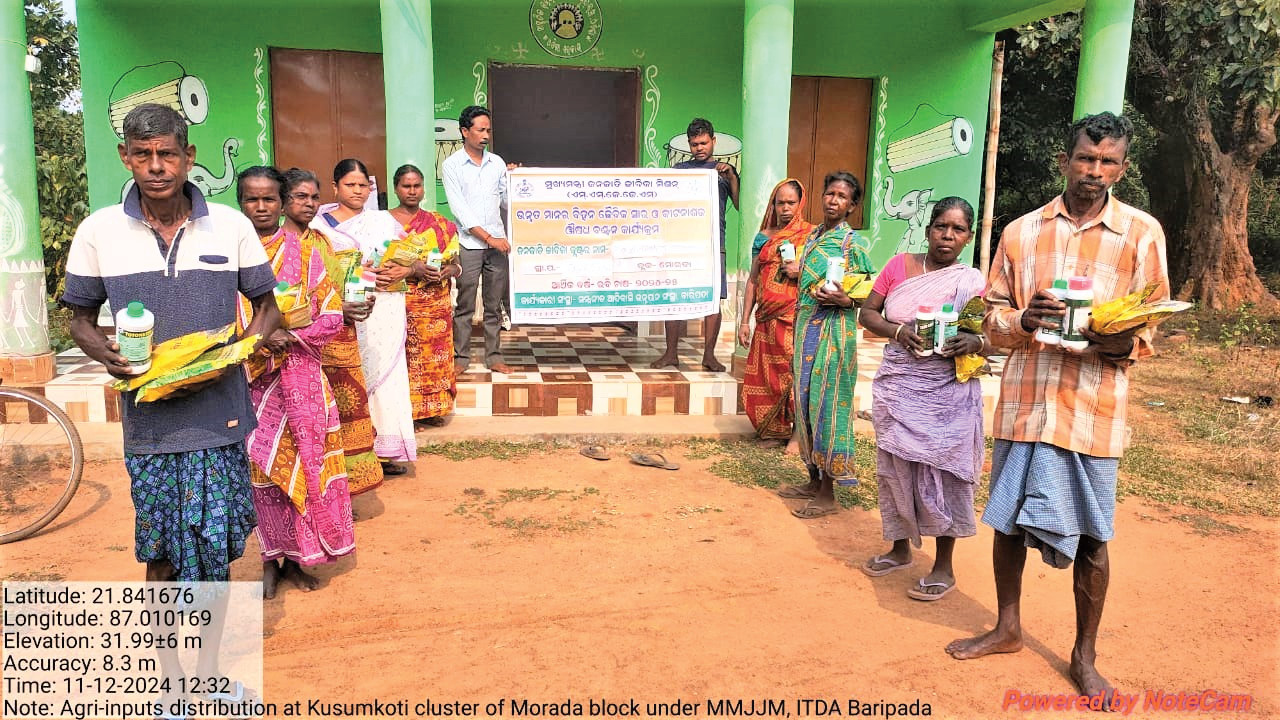
- In last two financial years more than 10000 tribal households supported with high quality input materials for agriculture
- Activities through JJPs and generated average income of Rs. 20 thousand to 30 thousand
- Apart from that on recommendation of the above JJPs 245 tribal youths supported under TYME program of MMJJM
- They are provided with financial assistance of Rs. 1.00 (One Lakh) for starting of business activity
Project Details
Category: Skill Development
Project Title: Mukhyamantri Jan Jatiya Jeevika Mission – Empowering Tribal Youth as Micro-Entrepreneurs
Department or District: Odisha Rural Development and Marketing Society (ORMAS), ST & SC Development, Minorities and Backward Classes Welfare Department
State: Odisha
Start Date of the Project: 15th August 2021
Website: https://stsc.odisha.gov.in/
Tribe(s) that the Project Covers: This initiative targets tribal youth from Particularly Vulnerable Tribal Groups (PVTGs) and Scheduled Tribes (STs) across 14 tribal-dominated districts in Odisha including Mayurbhanj, Malkangiri, Kandhamal, Nabarangpur, Rayagada, Gajapati, and Kalahandi. These regions are home to tribes such as Bonda, Saura, Juang, Dongria Kondh, and Kutia Kondh.
Keywords: Tribal Entrepreneurship, Tribal Livelihoods, MMJJM, ORMAS, PVTG, Skill Development, ST Empowerment, Credit Linkage, Inclusive Development, Tribal Women, Self-Reliance, Youth Livelihood Schemes
The Mukhyamantri Jan Jatiya Jeevika Mission (MMJJM) was launched by the Government of Odisha to address the pressing issue of livelihood insecurity among tribal youth, particularly from PVTG communities. The mission aspires to transform tribal youth into successful micro-entrepreneurs through a combination of skill development, financial assistance, and market linkages.
The Project
The MMJJM programme identifies tribal youth aged between 18 and 35 years and supports them with enterprise development opportunities. The model is designed to provide end-to-end facilitation—mobilization, training, seed capital, credit linkage, handholding support, branding, and market exposure. By targeting aspirational blocks and high-poverty regions, the mission aims to provide dignified livelihoods and reduce distress migration. ORMAS plays a pivotal role in the implementation, acting as the nodal agency across districts.
Problems that it Intends to Solve
The mission addresses systemic issues of unemployment, economic marginalization, and lack of access to credit and skilling opportunities among tribal youth. For generations, these communities have relied on seasonal wage labor and forest-based livelihoods, which have proven inadequate and vulnerable to market shocks. The project seeks to replace this dependence with structured, sustainable micro-enterprises.
What was the Need
The state’s tribal population, especially PVTGs, had long faced barriers to economic mobility due to geographic isolation, cultural disconnects with formal markets, and systemic exclusion. MMJJM was envisioned as a transformative solution to bridge this gap by offering customized, locally relevant enterprise solutions for tribal youth.
What Hindered its Introduction
Challenges included lack of exposure to entrepreneurial environments among tribal youth, low education levels, absence of banking familiarity, and resistance to shift from traditional livelihoods. Administrative hurdles such as credit access, lack of documentation, and skill gaps also slowed early progress.
Process Followed for Implementation
The implementation process involved a five-step strategy. First, tribal youth were identified and mobilized through village-level campaigns. Second, a structured training program in entrepreneurship development was delivered through Rural Self Employment Training Institutes (RSETIs). Third, business plans were drafted in alignment with the candidates’ skills and market demand. Fourth, capital support was provided through a combination of government grant and credit from partner banks. Fifth, mentoring and handholding continued post-establishment to ensure business sustainability. Tribal entrepreneurs were showcased through fairs and exhibitions and connected to digital platforms for visibility.
The Government of Odisha, through the ST & SC Development Department and ORMAS, provided financial support, policy frameworks, institutional infrastructure, and strategic guidance. District Collectors played a key role in coordinating convergence across departments such as MSME, Skill Development, and Livelihood Missions.
Training partners and civil society organizations helped mobilize youth and provided domain-specific mentoring in sectors like retail, food processing, agriculture-based businesses, and services. These partners supported confidence-building among tribal youth who had limited exposure to formal business structures.
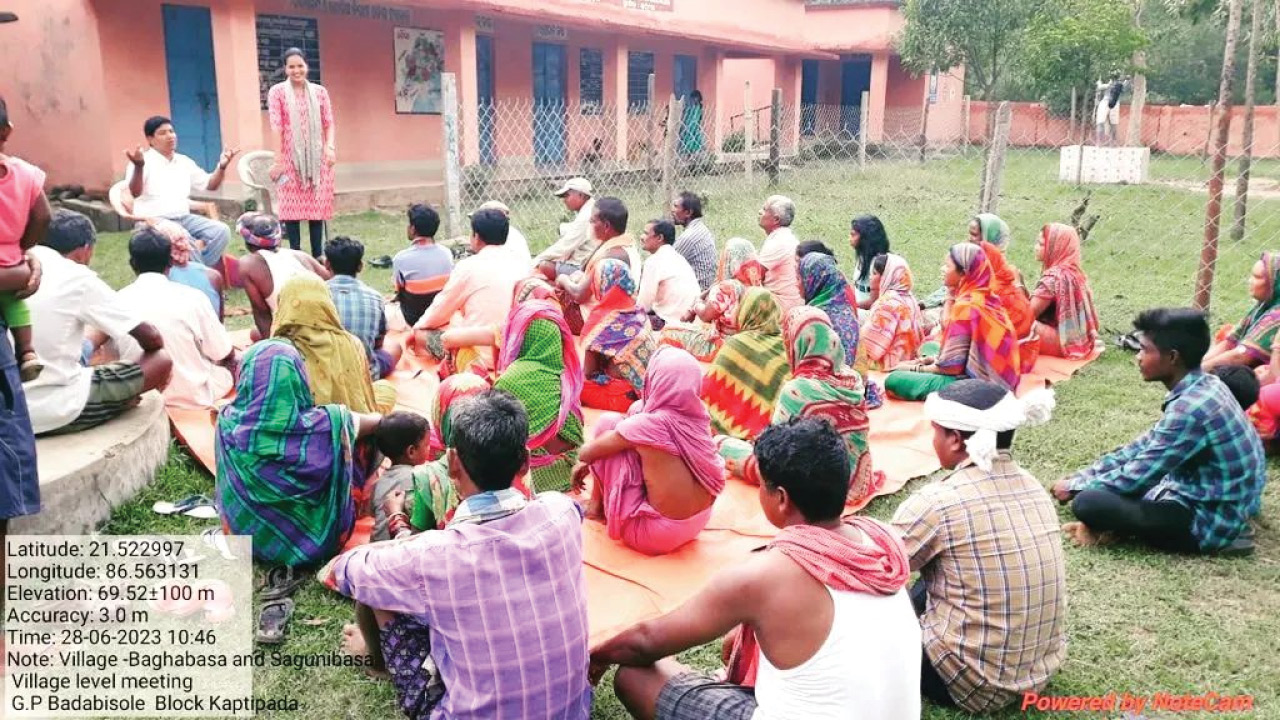
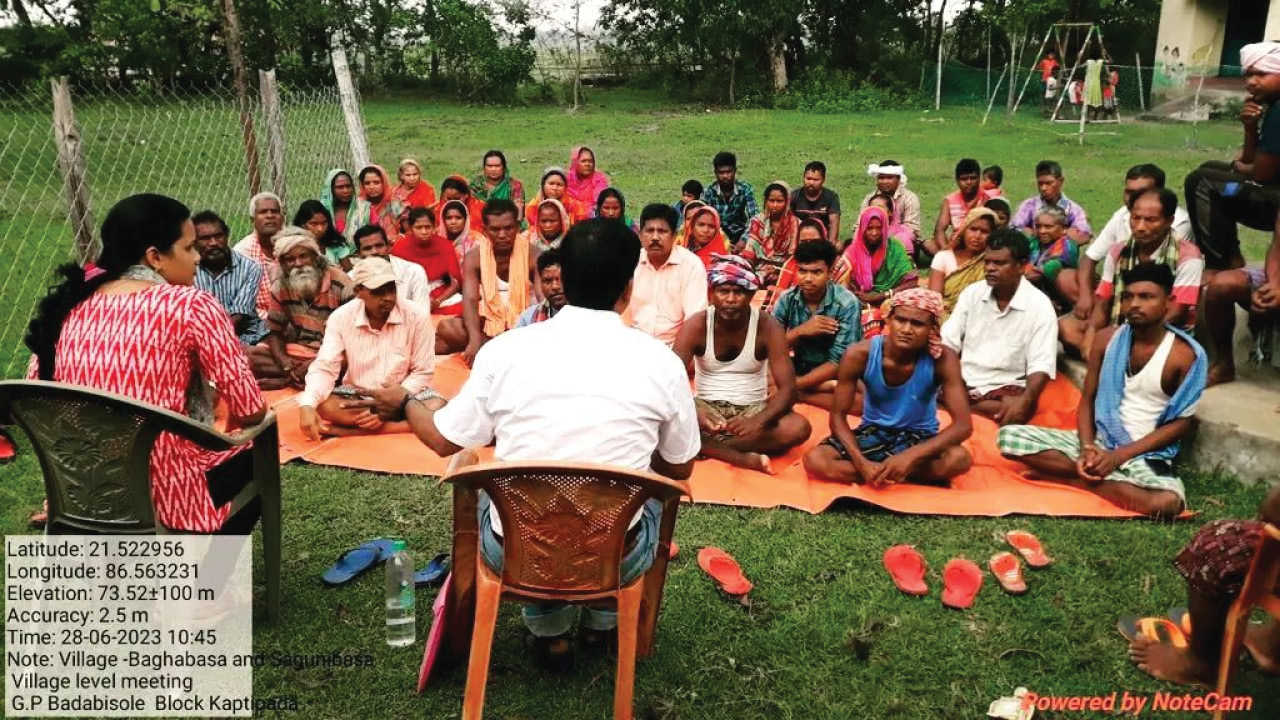
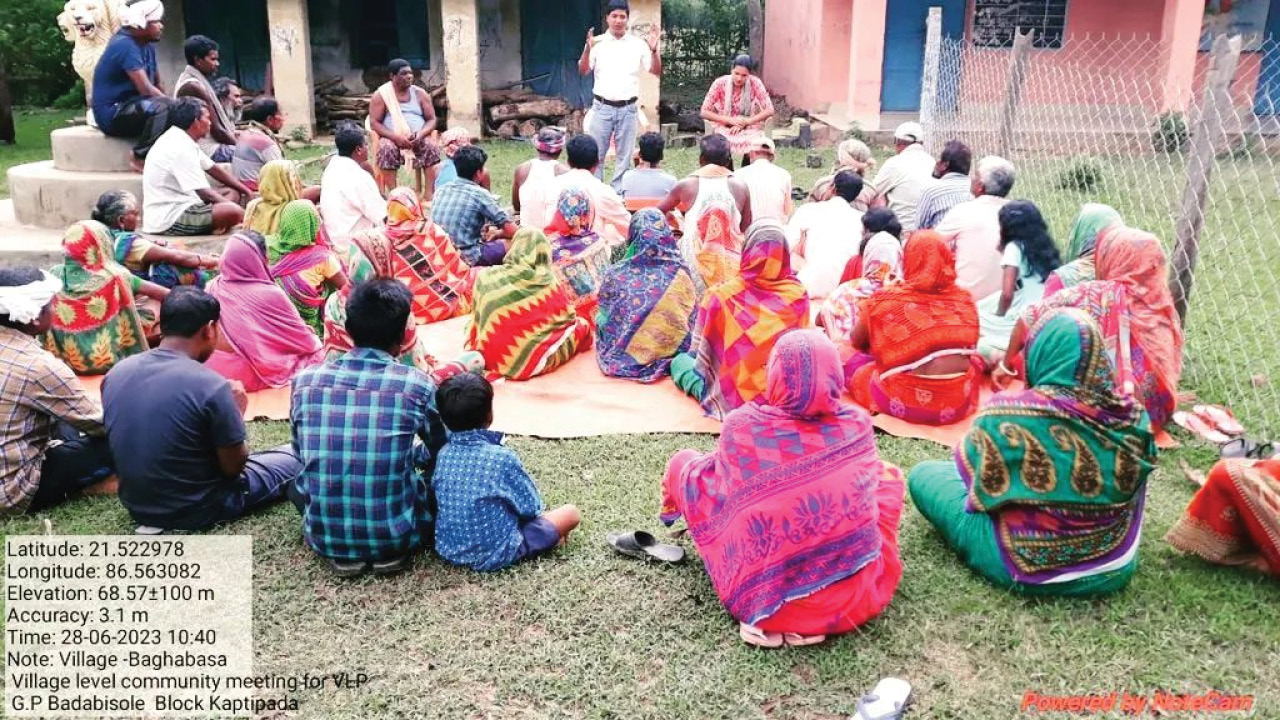
The selection process was deeply participatory, with community-based institutions such as Gaon Sabhas and SHGs recommending candidates. Many youth came from SHG-affiliated households, ensuring community accountability and social support. Families and community elders were engaged to enable women entrepreneurs in particular.
Solutions Implemented
Youth received 10 to 15 days of entrepreneurship training, followed by access to start-up grants up to ₹1 lakh and collateral-free credit from banks. Enterprises were started in areas such as food stalls, dairy, goatery, turmeric processing, tailoring, eco-tourism, and digital services. ORMAS facilitated the branding of products and connected youth to district fairs and e-commerce channels.
Details of the Coverage of the Implementation
As of March 2023, over 3,200 tribal youth across 14 districts have been supported to establish enterprises. More than 70 percent of the beneficiaries belong to PVTG groups. Districts like Rayagada, Mayurbhanj, and Malkangiri have become examples of successful rollouts, with each district supporting over 250 entrepreneurs under MMJJM.
Innovation and Unique Features
- The unique aspect of MMJJM lies in its focus on tribal youth and the complete ecosystem approach—covering mobilization, skilling, funding, and post-establishment support. Customized training in tribal dialects, local product-based enterprises, and institutional branding set it apart from generic livelihood schemes.
- Digital storytelling, WhatsApp mentoring groups, and e-market linkages have been introduced. Youth were trained using culturally relevant, visually enriched materials, often in their mother tongues. Training content was localized and delivered in tribal-friendly formats to ensure comprehension.
- Tribal youth selected enterprises based on traditional skills and community demand. For example, in Bonda communities, bamboo product businesses and millet-based food stalls were started. Leadership was fostered through local champions who mentored others in their villages.
- Based on initial learnings, the training duration was revised and more exposure visits were added. Financial linkages were simplified, and a district-level task force was set up to support documentation and credit facilitation.
Challenges Faced Before Implementation
Low self-confidence among tribal youth, poor exposure to banking, and cultural hesitations about entrepreneurship were significant hurdles. Institutional delays in fund disbursement and training logistics also posed early barriers.
ORMAS developed tribal-centric IEC materials and deployed local youth as mobilizers. Field-level facilitators assisted with paperwork. Bankers’ sensitization workshops were held to fast-track credit approvals.
Outcomes
- Quantitatively, over 3,200 enterprises have been established within 18 months of launch, with average monthly incomes increasing by ₹6,000–₹9,000. Over 40 percent of beneficiaries are women, and repayment rates for credit-linked loans are over 90 percent. Qualitatively, the project has enhanced dignity, reduced migration, and built youth leadership in tribal villages.
- Each entrepreneur is tracked through a centralized MIS. Monthly field reviews are conducted by ORMAS officers, and third-party evaluations are underway. Case stories and video documentation provide qualitative insights into the progress.
- Direct beneficiaries include tribal youth aged 18–35 years from 14 districts. Indirect beneficiaries include family members, SHG collectives, and the broader rural economy, which has witnessed increased consumption and local employment generation.
Replicability / Scalability / Sustainability
The MMJJM model is being expanded to cover an additional 3,000 youth by the end of 2025. Plans are underway to integrate it with PM Vishwakarma Yojana and Digital India platforms. Its success is rooted in strong community ownership and local entrepreneurship, making it highly replicable across tribal belts nationwide.
Presentation
Video
Gallery