

Education
-
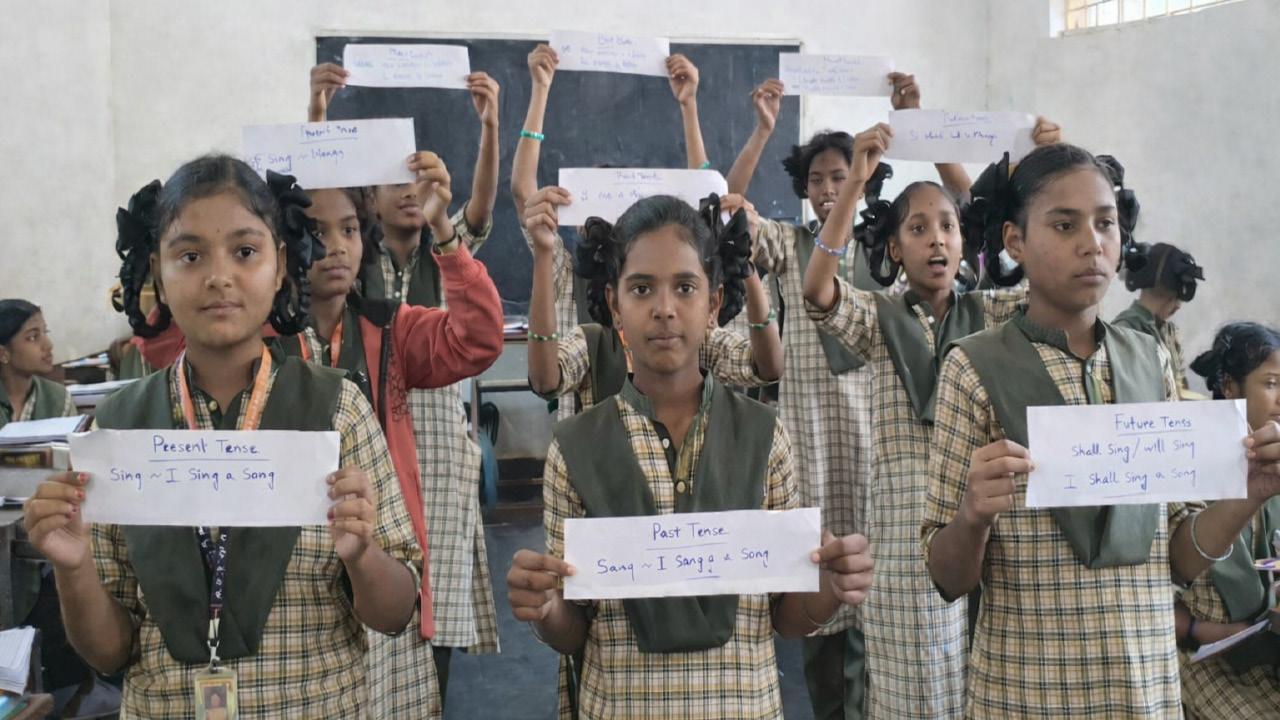
State Academic Monitoring Unit
SAMU, set up on 23 September 2024 by APTWREIS, aims to improve academic governance and learning outcomes in Andhra Pradesh's tribal residential institutions. These schools serve Scheduled Tribe students from remote areas with linguistic, cultural and economic challenges.
-

From Grassroots to the Parade Ground: Empowering Tribal Youth through Telangana’s Sainik School Model
Established under the aegis of the Telangana Tribal Welfare Residential Educational Institutions Society (TTWREIS), the school was created to train tribal students from the state to become officers in the Indian Armed Forces.
-
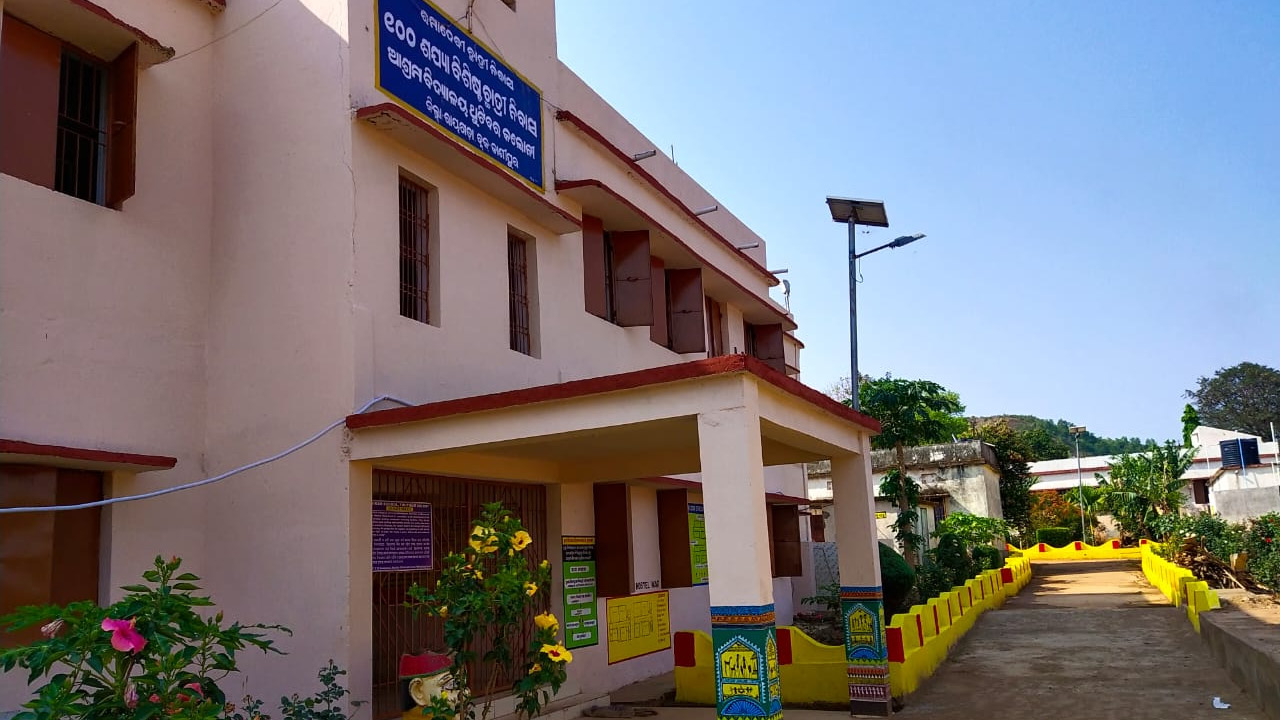
Standardisation and ISO Certification of Tribal Hostels through Mission Suvidya
These hostels serve a crucial role in ensuring the continuity of education among disadvantaged communities. However, disparities in infrastructure, management standards, and basic services necessitated systemic reforms. Mission Suvidya emerged as an innovative intervention to address these issues.
-

Mentorship Programme for PVTGs in Odisha
COVID-19 led to disruption of classroom-based learning. The Alternate Learning and Mentorship Programme (ALMP) was conceptualised and launched by the Government of Odisha’s ST & SC Development Department as a timely and inclusive intervention to ensure educational continuity for tribal and backward-class students during the pandemic.
-
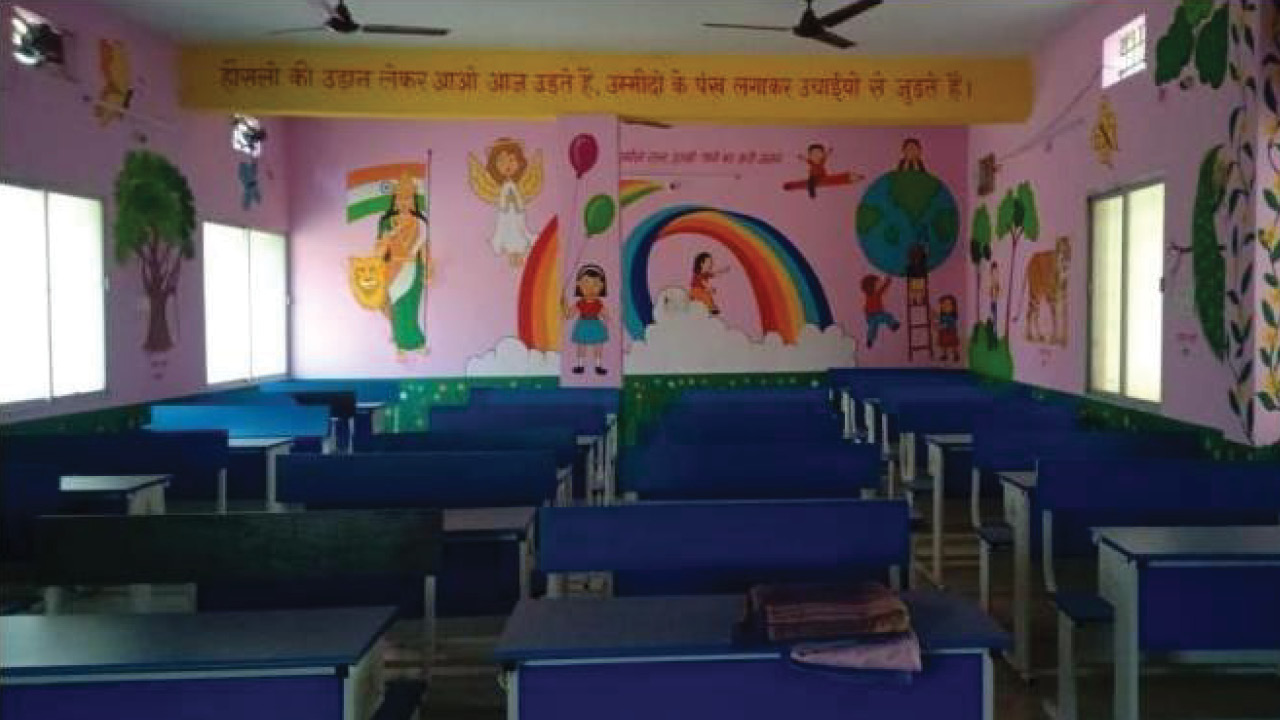
Development of Departmental Hostels/Ashram as Model Institutions
With 3,278 hostels supporting over 1.9 lakh students, the initiative aimed at mainstreaming students into higher education and employment through a holistic residential schooling experience. The project addresses infrastructural inadequacies and promotes quality education among tribal and marginalized communities and to develop departmental hostels and ashrams into Model Institutions.
-
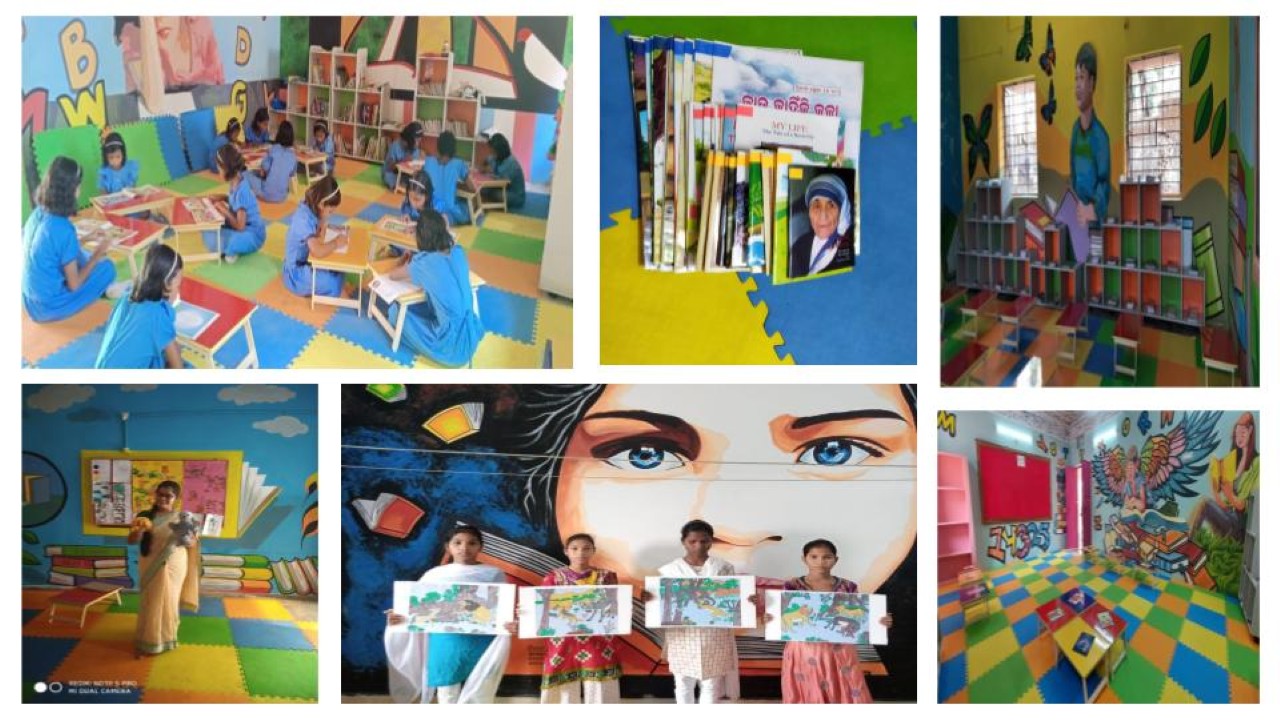
Transforming Learning Through Libraries: Gajapati’s Innovation in Tribal Education
Gajapati district, with its tribal-dominated and geographically isolated population, experienced COVID-19 challenges. To address this, the district administration launched an innovative and inclusive project—Library Promotion Activities in Primary and Upper Primary Schools. This initiative aimed to strengthen the reading, writing, and speaking skills of ST & SC students.
-

Empowering Tribal Students and Building Community Resilience through Holistic Education at Madarihat Girls’ High School
The initiative is driven by the urgent need to address several social, health and environmental challenges faced by the local tribal and backward communities. The school recognized the importance of empowering girl students and integrating them into broader societal progress through education and health awareness.
-
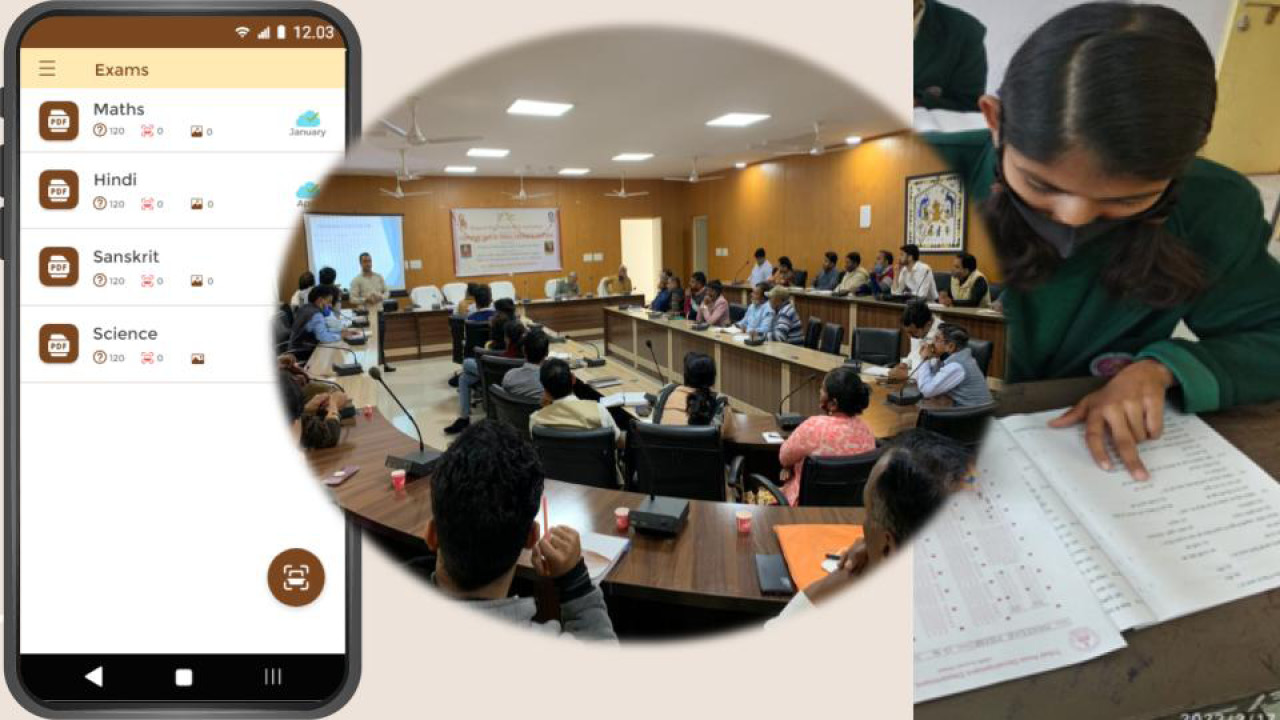
Leveraging Digital Tools for Tribal Education Reform: The Edu-Tribe Assessment Model in Rajasthan
The initiative was designed to enhance academic outcomes through regular, technology-enabled assessments. The Edu-Tribe mobile application, a central feature of the program, facilitates real-time evaluation through OMR-based testing. This enables teachers to quickly identify learning gaps and provide targeted remedial support to students.
-
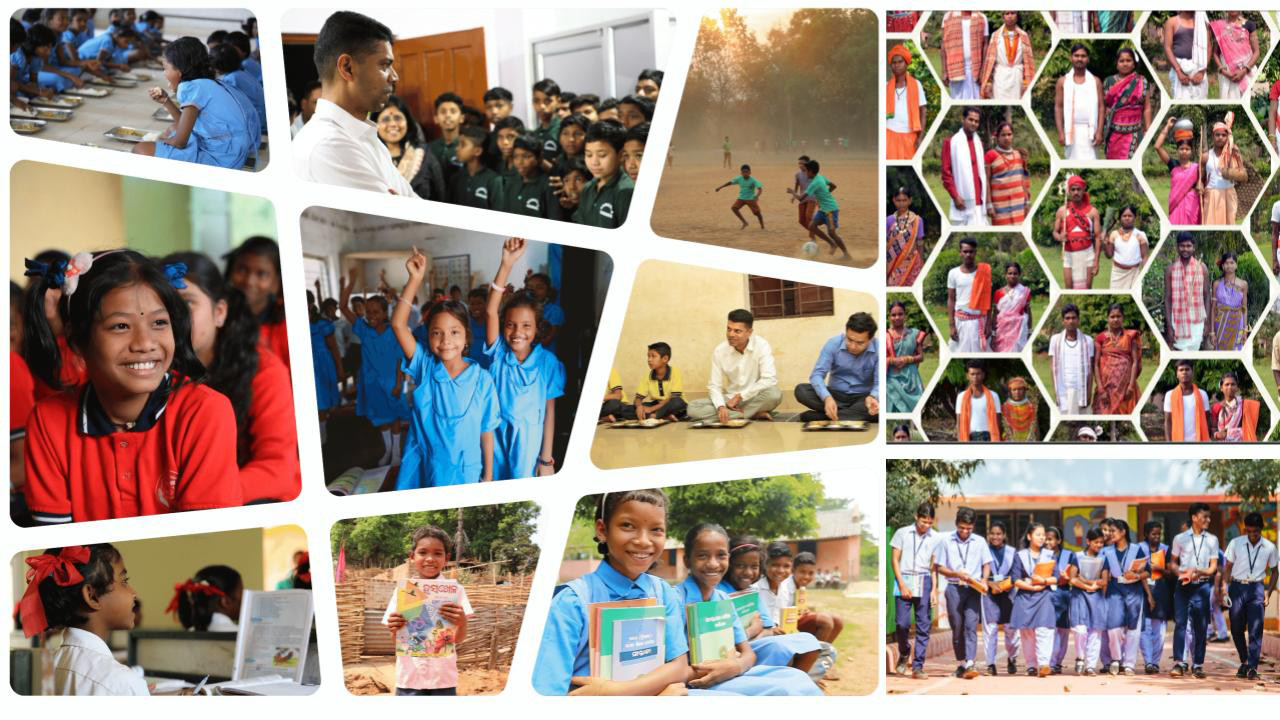
Building Inclusive Futures: Education Reform for Odisha’s Vulnerable Communities
Odisha's ST & SC Development Department embarked on a mission to overhaul its education system for vulnerable populations. Despite socio-economic barriers and geographical isolation, it envisioned an education framework that not only ensured access but also equity, quality, and innovation in learning outcomes. The initiative reflects the state’s commitment to transforming tribal education from a basic service into a powerful vehicle for empowerment.
-
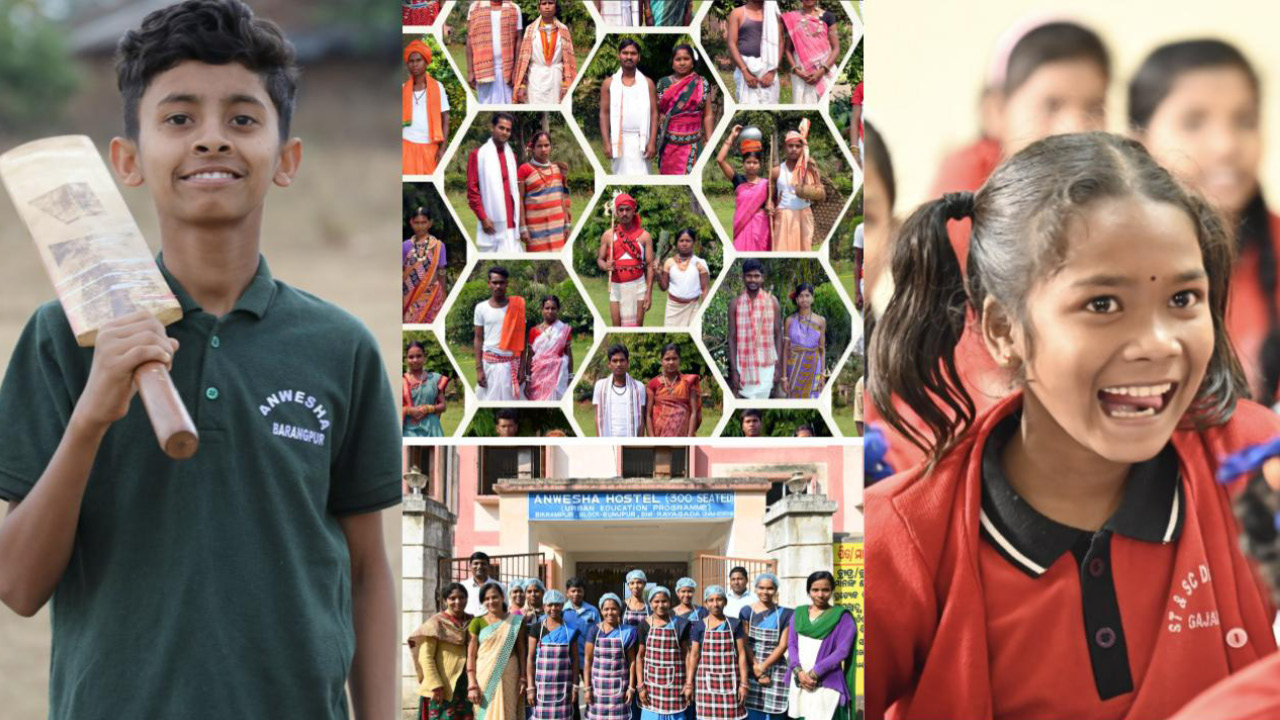
Breaking Educational Barriers: The ANWESHA Model in Odisha
The project enables their enrolment in reputed English-medium schools while offering comprehensive residential, academic, and social support. Over the past eight years, ANWESHA has become synonymous with educational empowerment, enabling over 21,000 students across 17 districts to access aspirational learning environments previously out of reach. The programme operates in Tribal Sub Plan areas where the tribal population exceeds 50%.