

Community Participation
-

Pradhan Mantri Aadi Adarsh Gram Yojana (PMAAGY): Inclusive Development of Tribal Villages in Nagaland
The Pradhan Mantri Aadi Adarsh Gram Yojana (PMAAGY) is aimed at transforming tribal-majority villages into model villages, termed Adarsh Grams. The project in Nagaland was spearheaded by the Department of Tribal Affairs and focused on uplifting the socio-economic and infrastructural conditions of tribal communities.
-

Empowering Tribal Students and Building Community Resilience through Holistic Education at Madarihat Girls’ High School
The initiative is driven by the urgent need to address several social, health and environmental challenges faced by the local tribal and backward communities. The school recognized the importance of empowering girl students and integrating them into broader societal progress through education and health awareness.
-
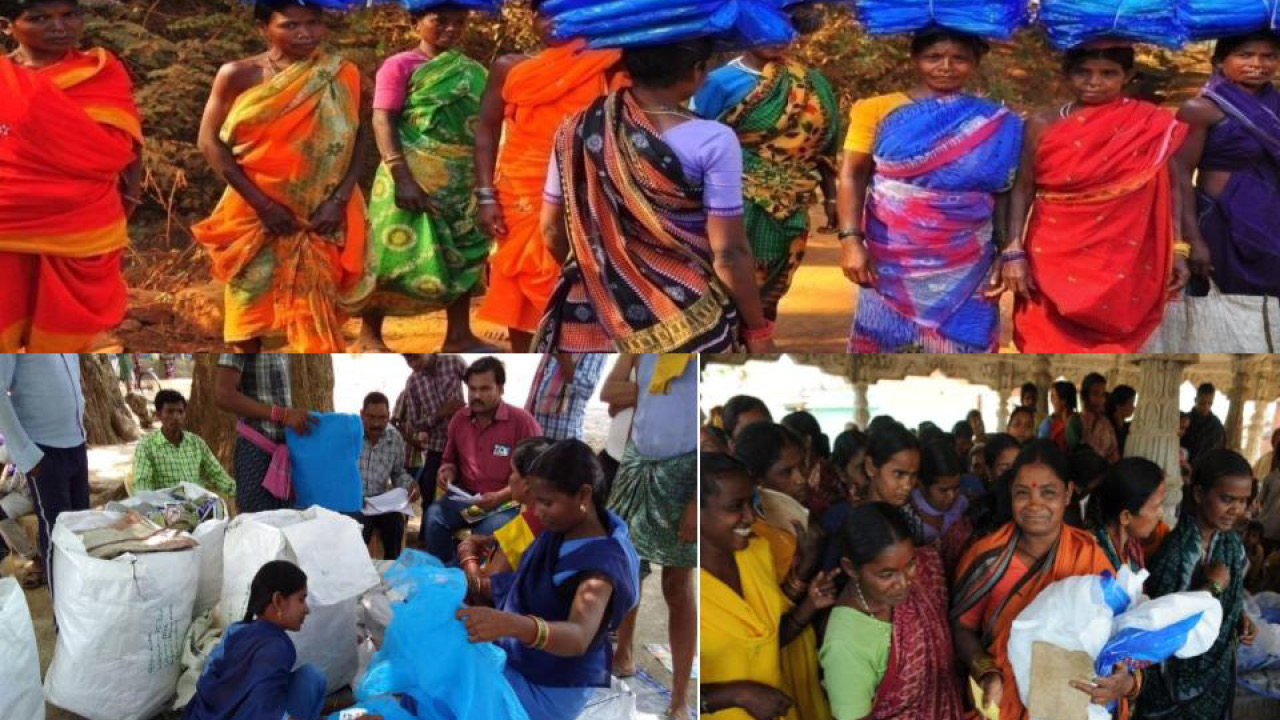
Protecting the Vulnerable: Odisha’s Multi-sectoral LLIN Distribution Initiative in Tribal Regions
The introduction of Long Lasting Insecticidal Nets (LLIN) provided an effective vector control tool. With large-scale LLIN distribution beginning in 2017 and continuing in 2021, the project focused on achieving universal coverage in high-risk areas while embedding the distribution within a multisectoral and community-led governance framework.
-
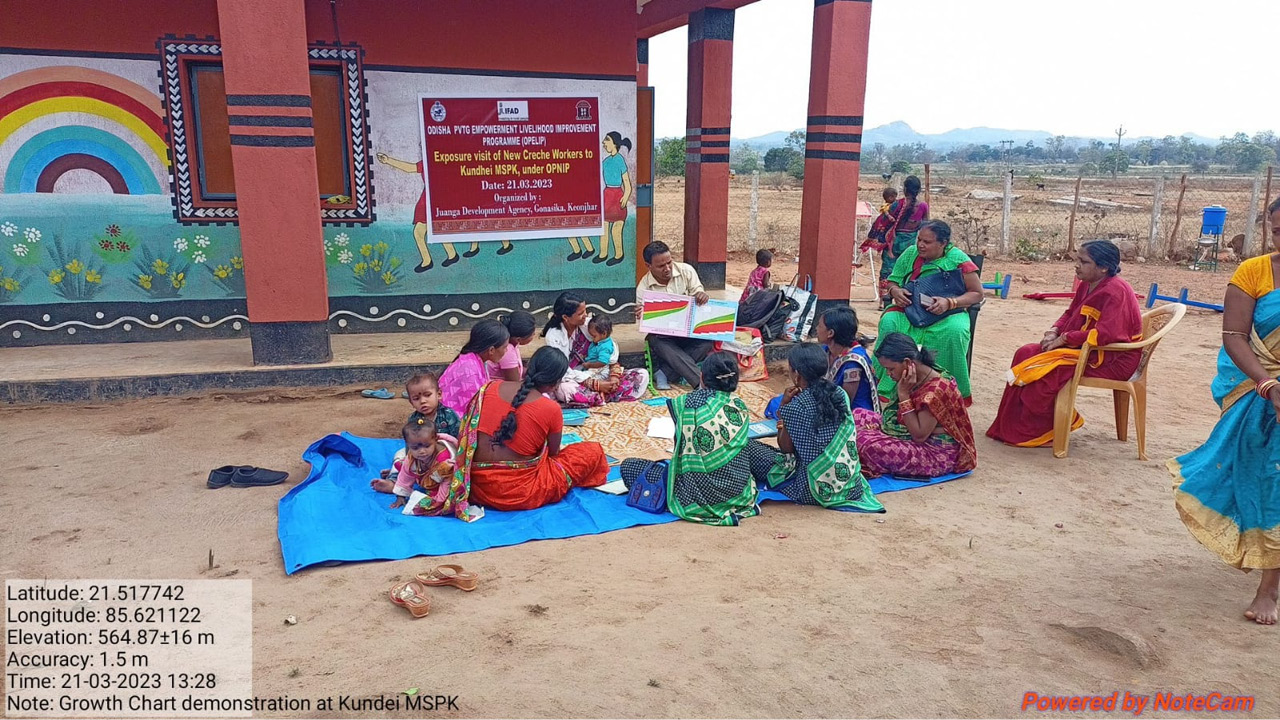
Odisha’s Community-Driven Model to Combat Malnutrition in Particularly Vulnerable Tribal Groups (PVTGs)
In the tribal heartlands of Odisha, where health and nutrition indicators are among the poorest in the country, the Odisha PVTG Nutrition Improvement Programme (OPNIP) was launched as a transformative intervention. The programme focuses on the critical window of the first 1,000 days of a child's life.
-
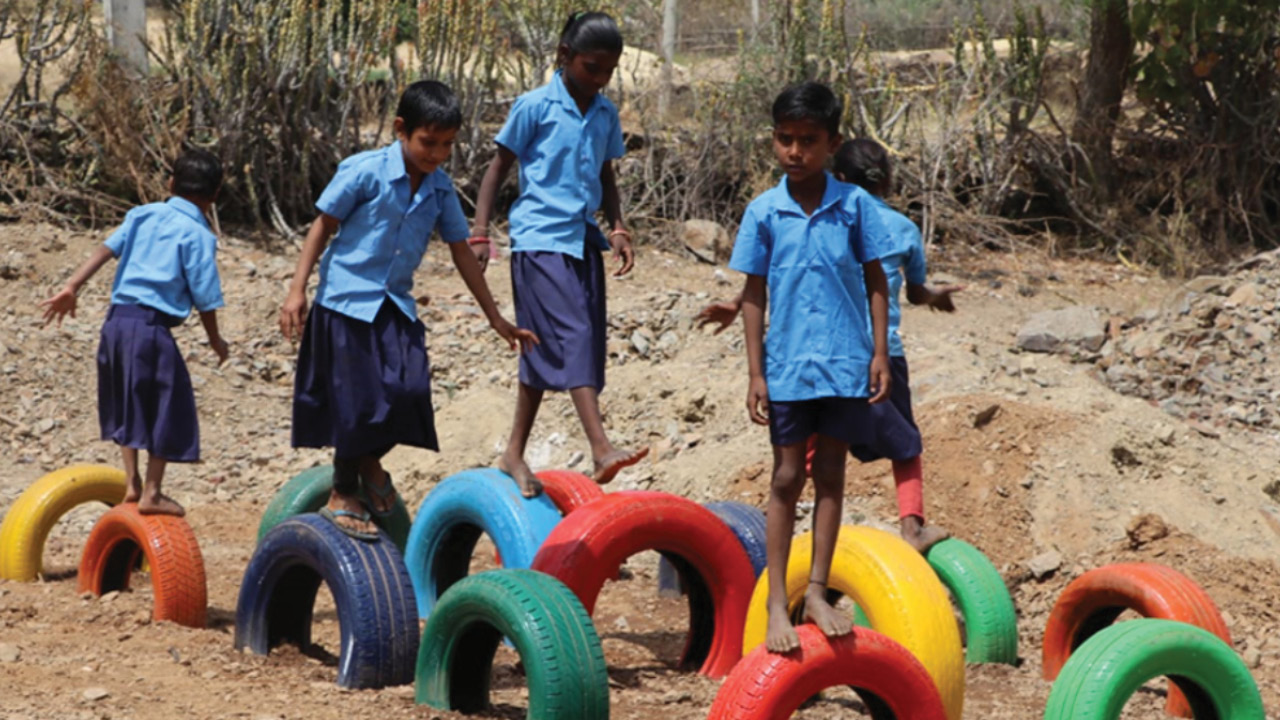
Bridging Educational and Nutritional Gaps through Maa Badi Centres in Tribal Rajasthan
Maa Badi Centres, a pioneering initiative by the Tribal Area Development Department of Rajasthan in collaboration with SWACH (Sanitation, Water and Community Health Project), aim to provide a holistic response to the twin challenges of poor educational access and undernutrition among tribal children.
-
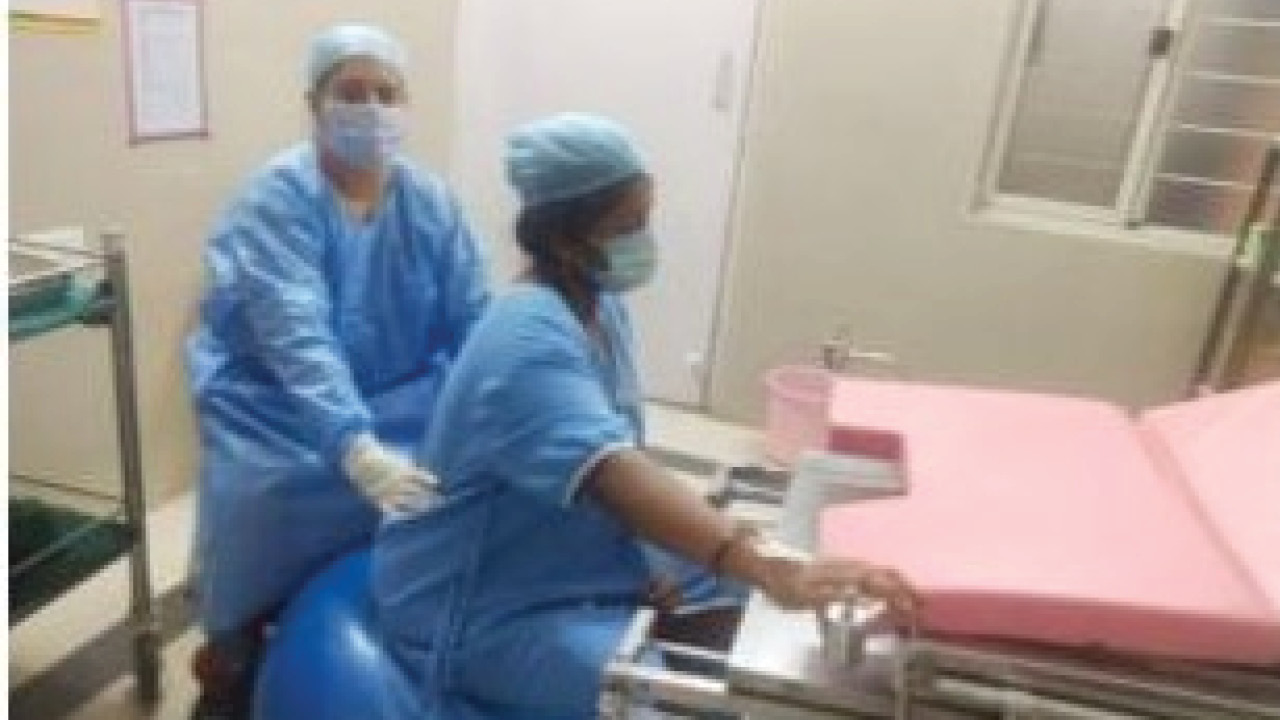
Better Health Care for Tribal Families in Bhadradri District
The district is predominantly tribal, with most of the population living below the poverty line and exhibiting high illiteracy rates. The health infrastructure includes 29 Primary Health Centres (PHCs), five Urban PHCs (UPHCs), four Community Health Centres (CHCs), one Area Hospital, and one District Hospital.