

Inclusive Education
-

Enhancing Sports Opportunities for Tribal Students in Telangana
This highlights a pioneering initiative by the Tribal Welfare Department of Telangana to empower tribal youth through structured sports education. Implemented through the state’s network of EMRS and tribal welfare residential institutions, the project recognizes sports as a transformative tool for holistic development.
-
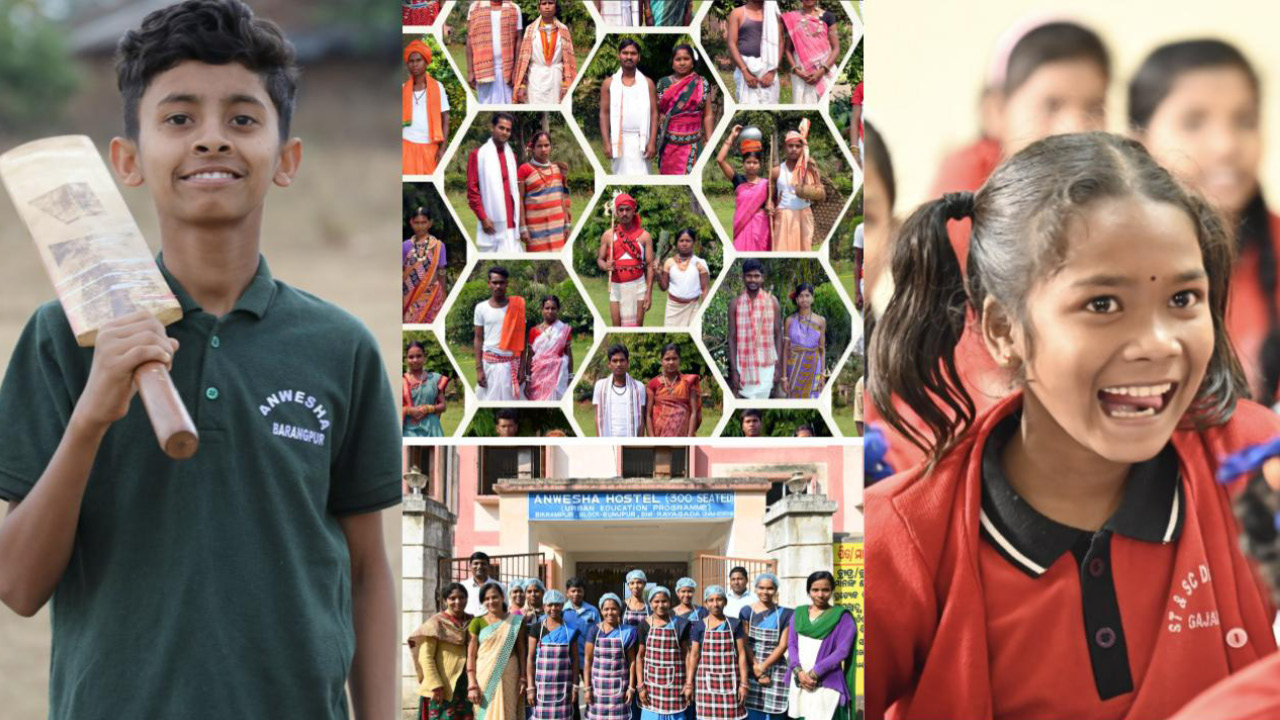
Breaking Educational Barriers: The ANWESHA Model in Odisha
The project enables their enrolment in reputed English-medium schools while offering comprehensive residential, academic, and social support. Over the past eight years, ANWESHA has become synonymous with educational empowerment, enabling over 21,000 students across 17 districts to access aspirational learning environments previously out of reach. The programme operates in Tribal Sub Plan areas where the tribal population exceeds 50%.
-
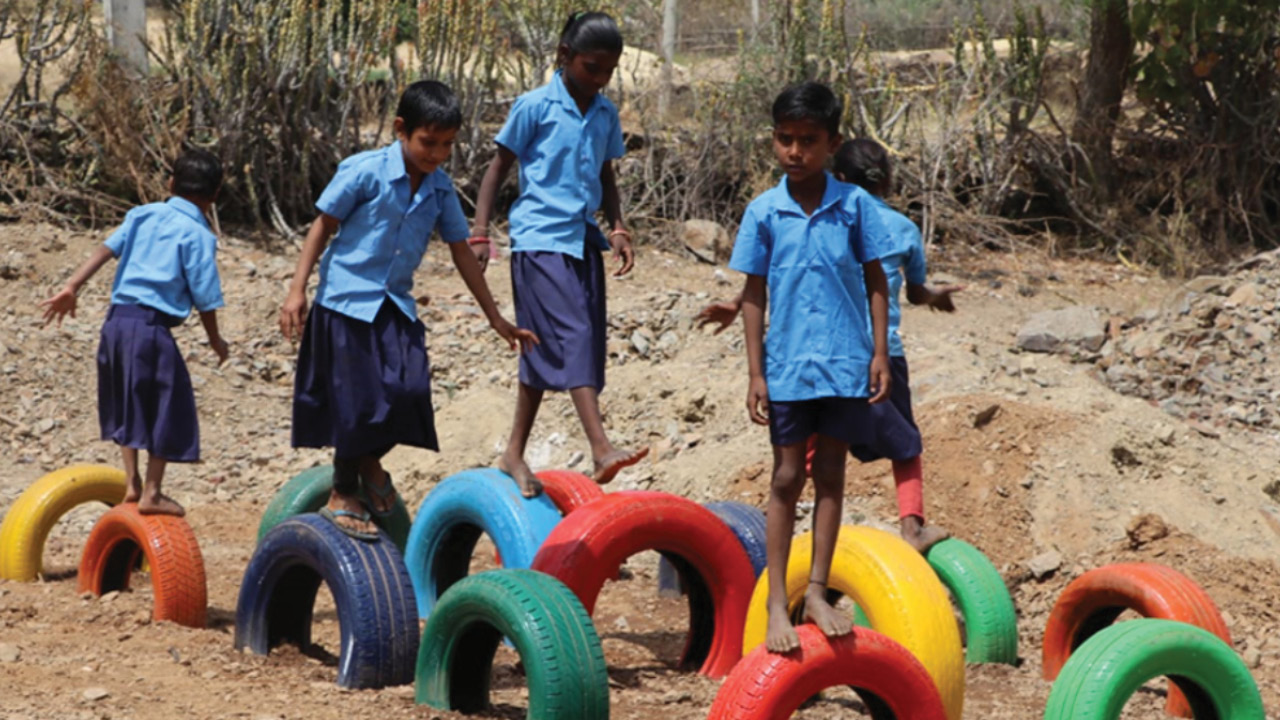
Bridging Educational and Nutritional Gaps through Maa Badi Centres in Tribal Rajasthan
Maa Badi Centres, a pioneering initiative by the Tribal Area Development Department of Rajasthan in collaboration with SWACH (Sanitation, Water and Community Health Project), aim to provide a holistic response to the twin challenges of poor educational access and undernutrition among tribal children.
-
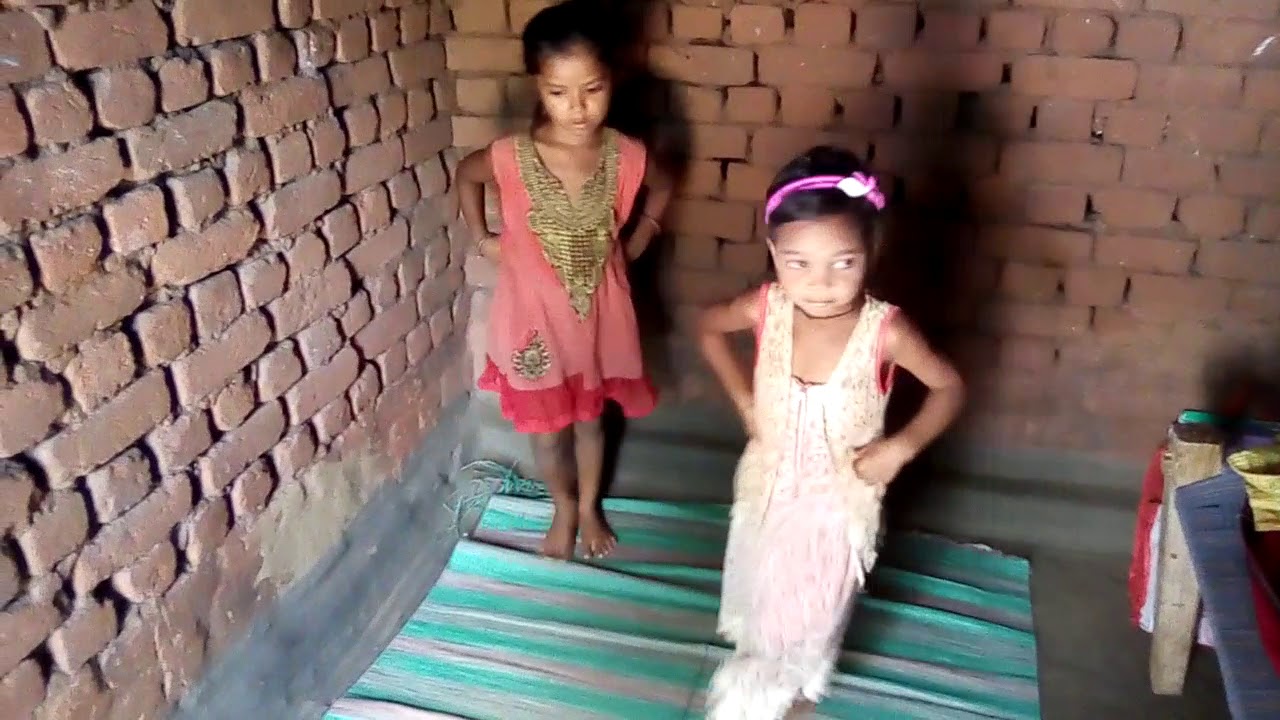
Mother Tongue ECCE Curriculum “Nua Arunima”
Language has been one of the most significant barriers to early education for these children, as many enter Anganwadi Centres where the language of instruction is unfamiliar. Recognising the need for equity and inclusion, the Government of Odisha introduced a mother tongue-based Early Childhood Care and Education (ECCE) curriculum titled “Nua Arunima” to bridge the linguistic gap.