

Maternal and Child Health
-
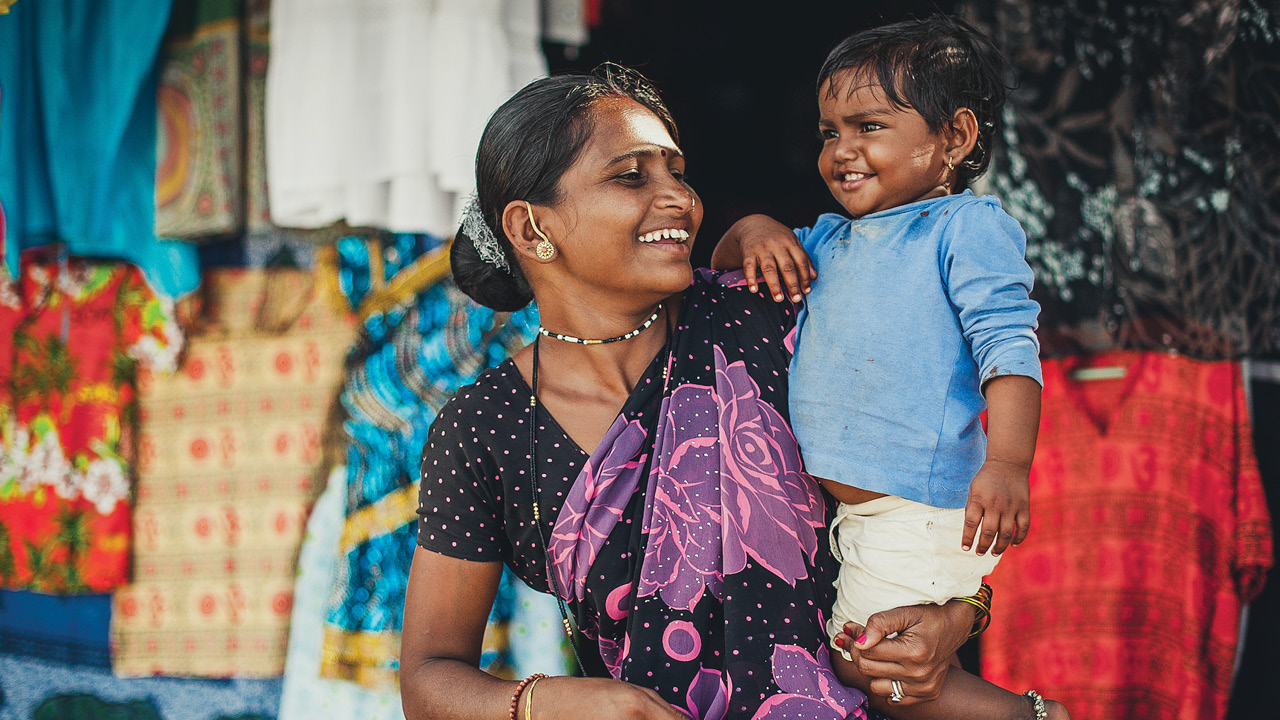
Securing Maternal Health Under Matrutva Yojana
Matrutva Yojana is a pioneering maternal and reproductive health intervention implemented by the Directorate of Tribal Welfare, Government of Goa. Matrutva Yojana is specifically designed for Scheduled Tribe (ST) communities that applies to married couples.
-
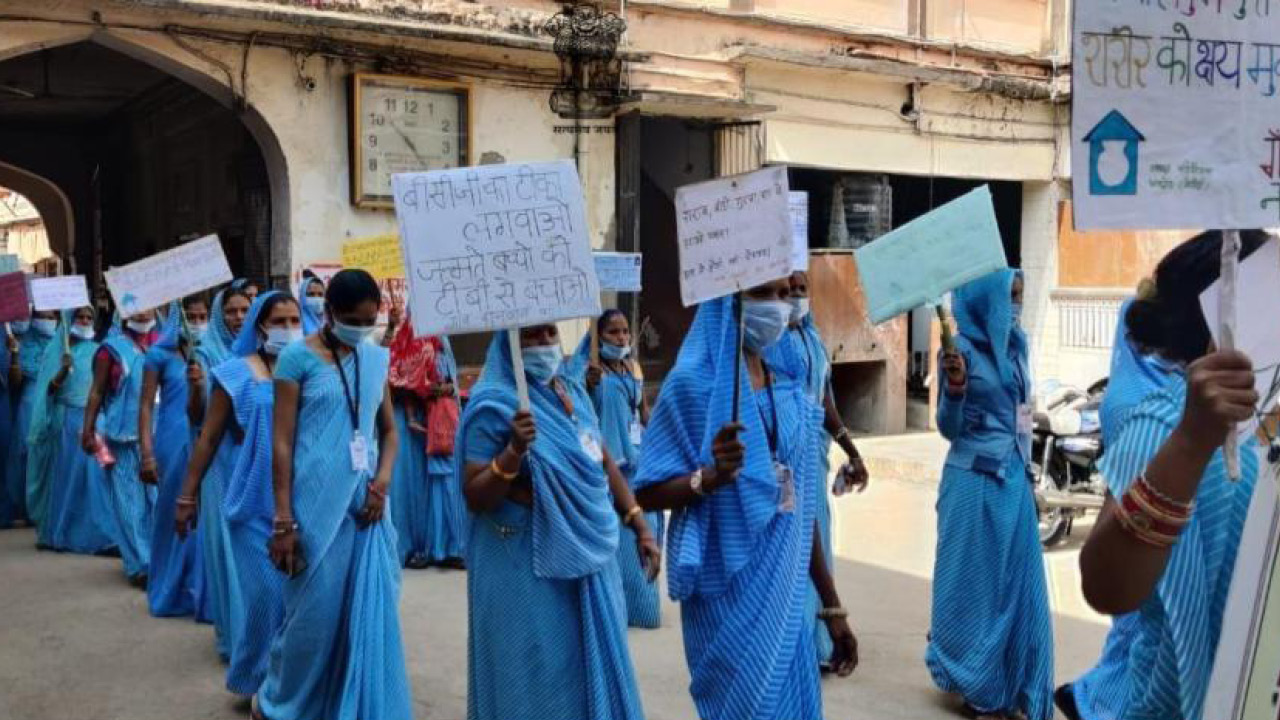
Empowering Communities for TB Control: The Swasthya Karmi Yojana in Rajasthan
By training local tribal women to serve as health workers (Swasthya Karmis), the project seeks to bridge the healthcare gap in areas where formal systems struggle to reach. These Swasthya Karmis have since become key agents in delivering essential healthcare, raising awareness, and fostering trust within tribal communities. This is a women-led health intervention model.
-
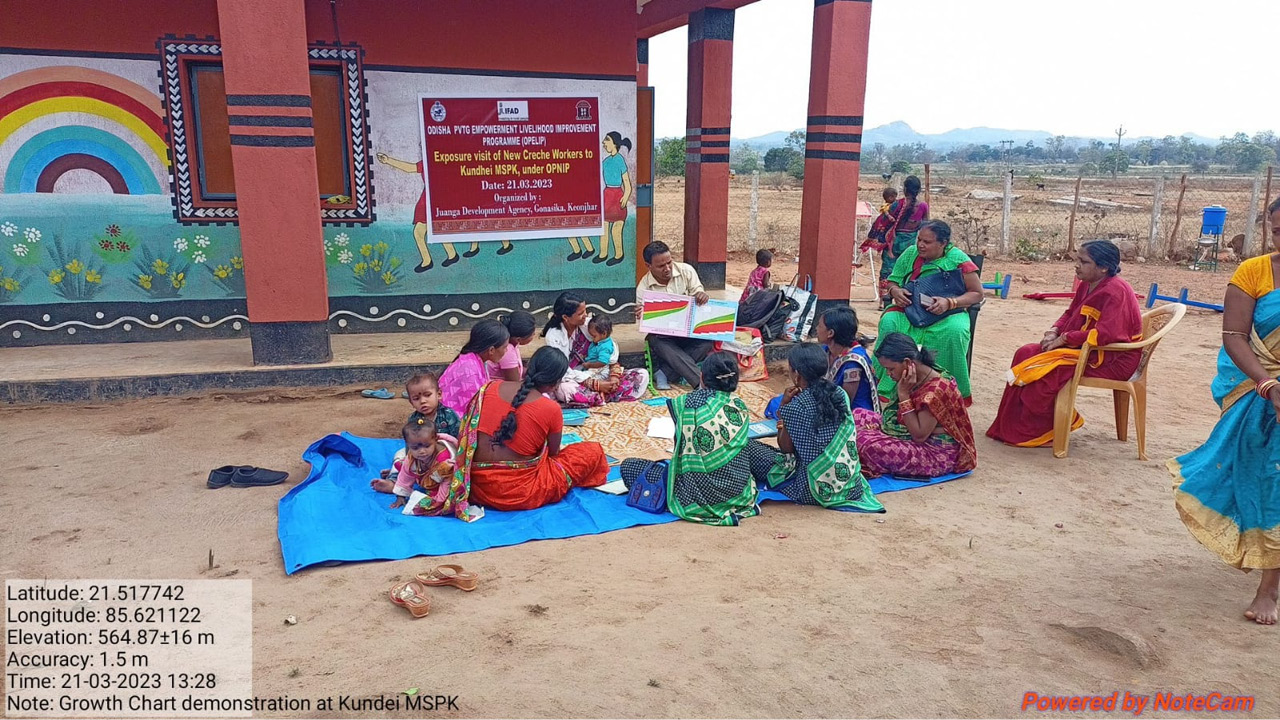
Odisha’s Community-Driven Model to Combat Malnutrition in Particularly Vulnerable Tribal Groups (PVTGs)
In the tribal heartlands of Odisha, where health and nutrition indicators are among the poorest in the country, the Odisha PVTG Nutrition Improvement Programme (OPNIP) was launched as a transformative intervention. The programme focuses on the critical window of the first 1,000 days of a child's life.
-
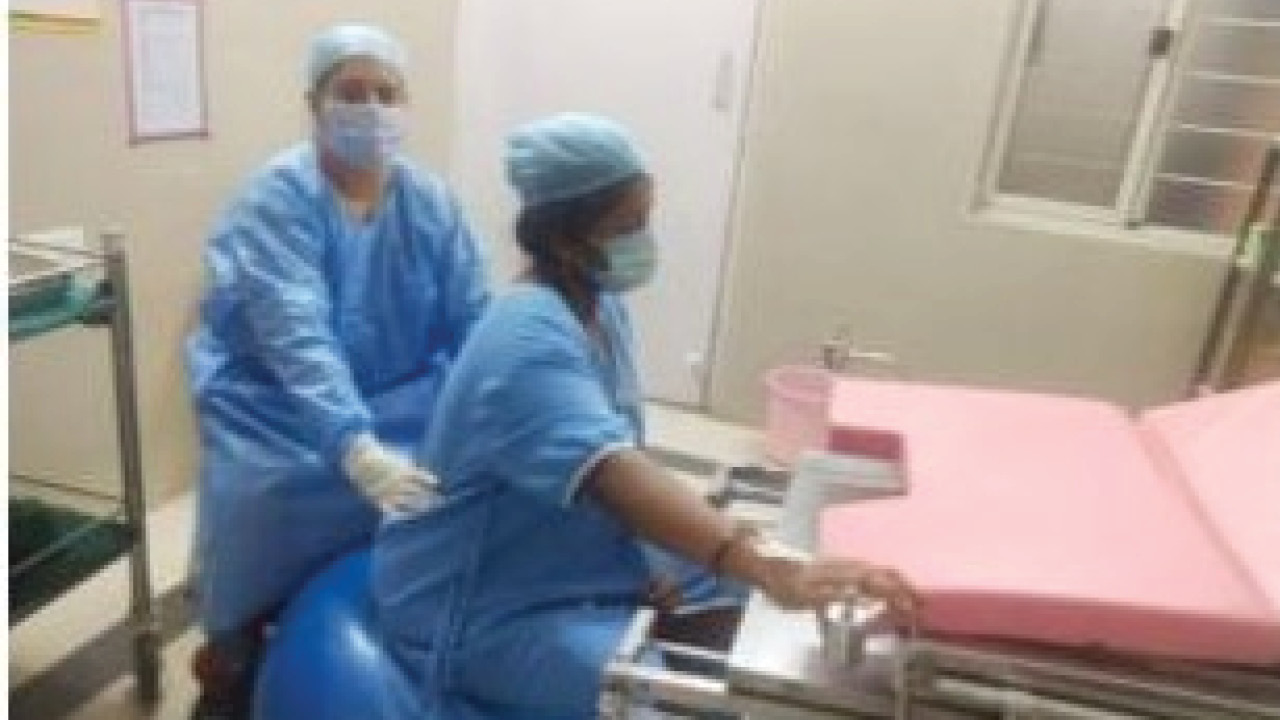
Better Health Care for Tribal Families in Bhadradri District
The district is predominantly tribal, with most of the population living below the poverty line and exhibiting high illiteracy rates. The health infrastructure includes 29 Primary Health Centres (PHCs), five Urban PHCs (UPHCs), four Community Health Centres (CHCs), one Area Hospital, and one District Hospital.
-
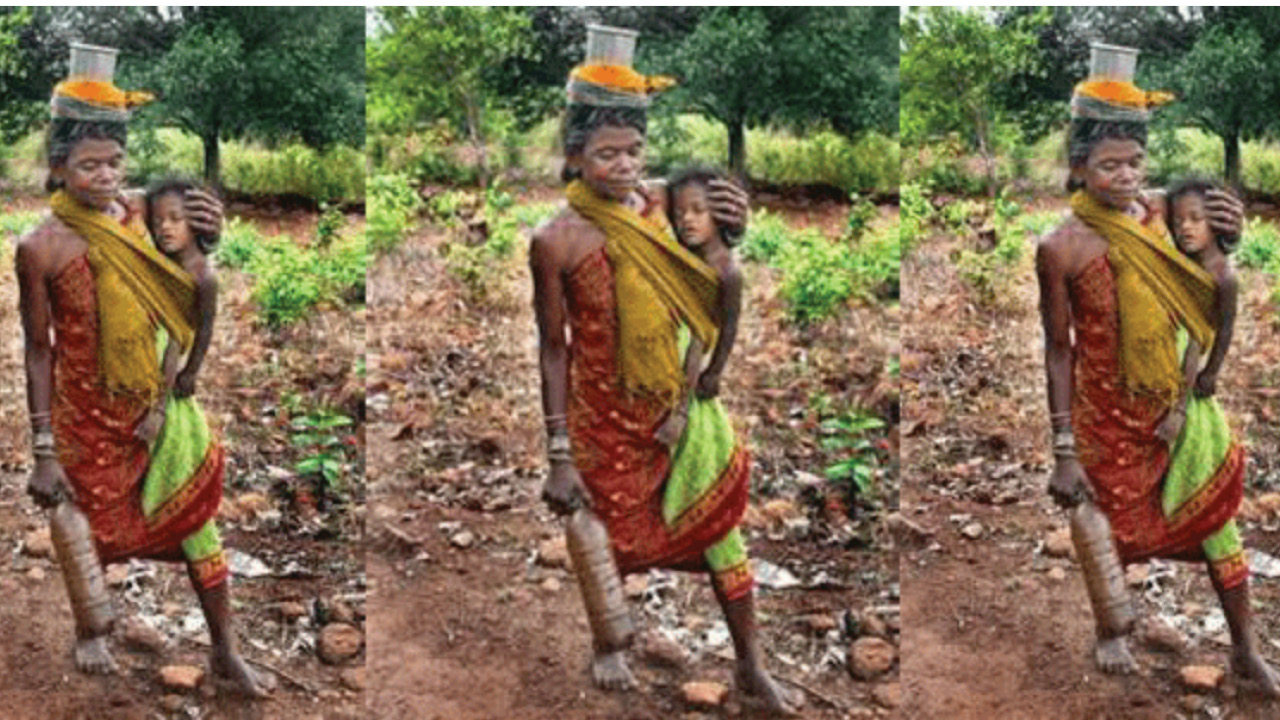
Innovation for Safe Delivery Among the Pregnant Women in Tribal Villages
This explores an innovative healthcare intervention aimed at ensuring safe delivery for pregnant women in remote tribal villages of Vizianagaram. The initiative addresses the dire need for maternal and neonatal care in hard-to-reach regions by providing institutional support, medical supervision, and nutritional guidance.
-
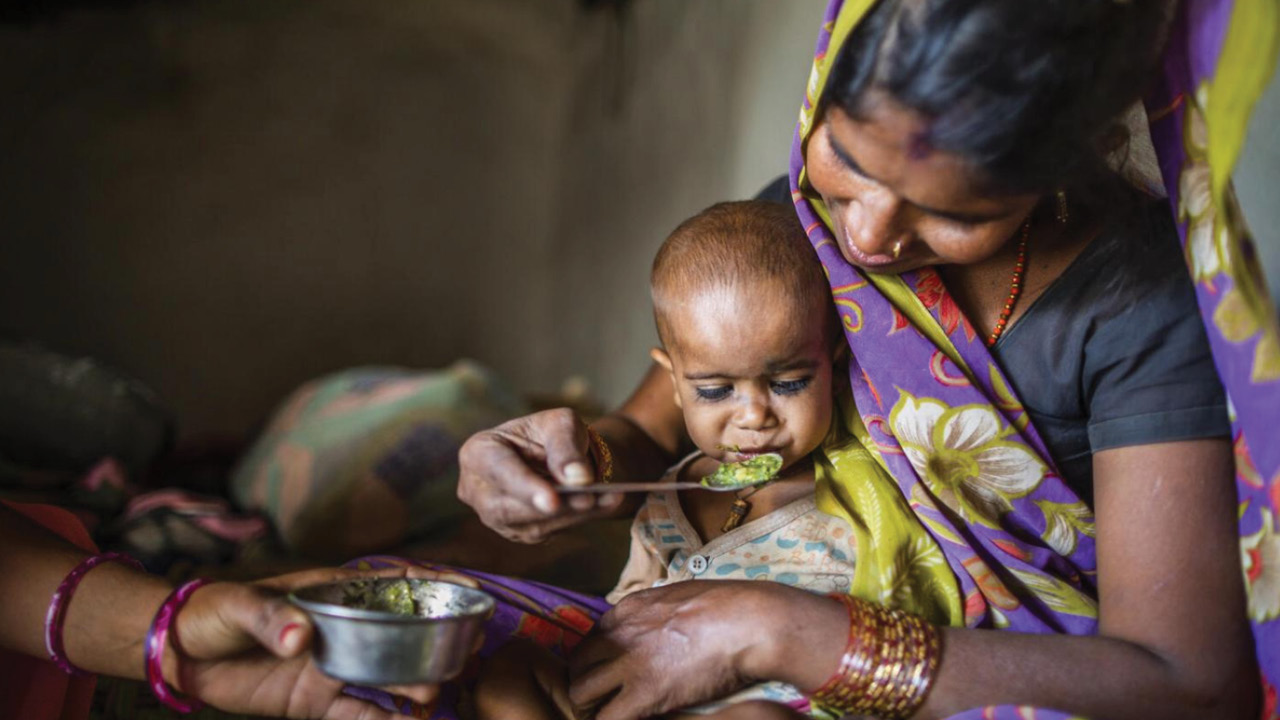
Swasthyakarmi Yojana: Maternal, Infant and Child Nutrition
Conceived as a collaborative initiative between the Tribal Area Development Department and SWACH with technical support from UNICEF, the project leverages local tribal women as health workers or "Swasthyakarmis" to address the challenges of accessibility, awareness, and acceptability in tribal health systems.