

Nutrition
-

Agro-technological Empowerment for Tribal Livelihood Security: A Model from Bihar
This initiative was undertaken in the backward and tribal-dominated districts of Banka, Kishanganj, and Katihar with the objective of transforming vulnerable tribal livelihoods into resilient, diversified and nutritionally secure systems. The strategy combined traditional farming practices with innovations.
-
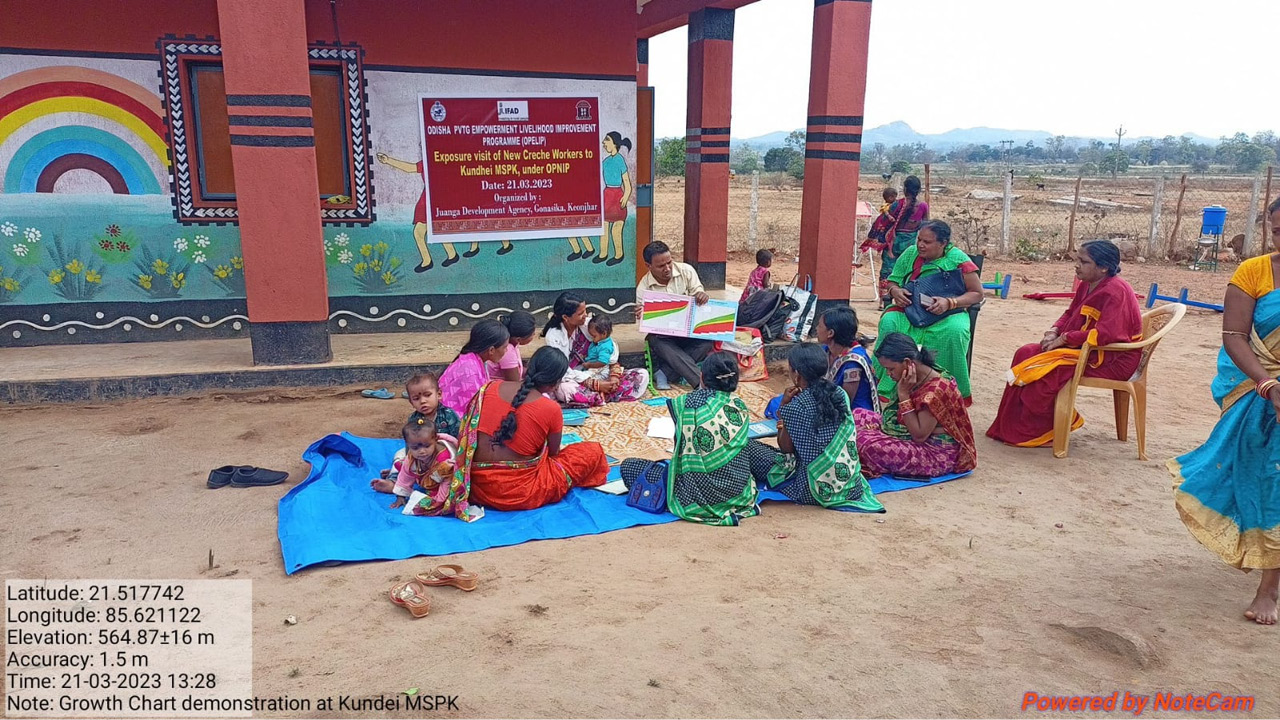
Odisha’s Community-Driven Model to Combat Malnutrition in Particularly Vulnerable Tribal Groups (PVTGs)
In the tribal heartlands of Odisha, where health and nutrition indicators are among the poorest in the country, the Odisha PVTG Nutrition Improvement Programme (OPNIP) was launched as a transformative intervention. The programme focuses on the critical window of the first 1,000 days of a child's life.
-
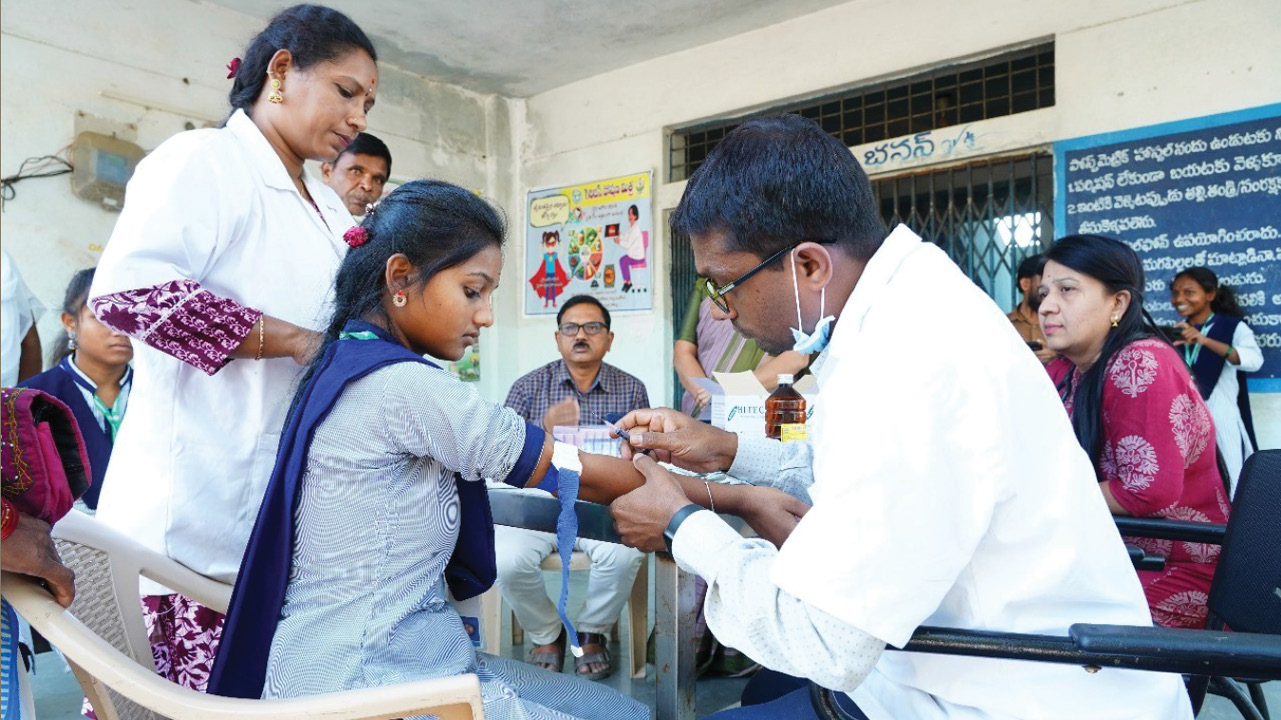
Girijan Poshan Mitra: Breaking Free from Anaemia through Community-Based School Nutrition
Anaemia is a widespread but often overlooked health challenge, particularly among tribal adolescent girls. The Girijan Poshan Mitra initiative was launched by ITDA Utnoor as a transformative, community-based intervention to combat anaemia in 15,724 tribal girls studying in 60 Ashram High Schools. The goal is to ensure each girl is tested, treated and educated.
-

Girijan Canteen: Transforming Nutrition for Tribal Communities
The Girijan Canteen project was conceptualized as a response to the persistent problem of malnutrition and inadequate access to nutritious food among tribal communities in remote regions of Telangana. Aiming to deliver nutritious, affordable, and accessible meals, the project embodies an innovative community-oriented model to improve public health outcomes.
-
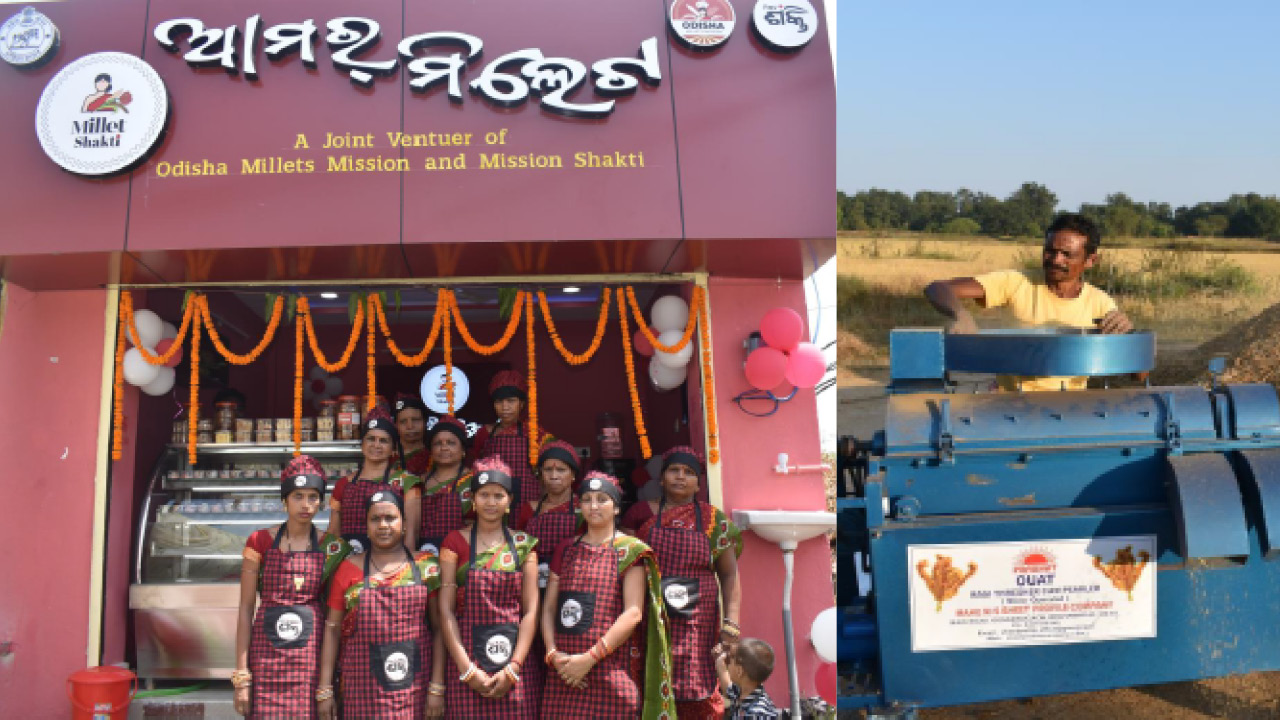
Reviving Indigenous Tribal Agricultural Traditions and Resilience in Balangir District
The project focuses on enhancing production, encouraging consumption, conserving traditional landraces, and improving market access. It has involved community institutions, NGOs, and technical organizations. It aims to re-establish millets as a staple crop, improve nutritional and livelihood security, increase household millet consumption, and reduce distress migration.
-
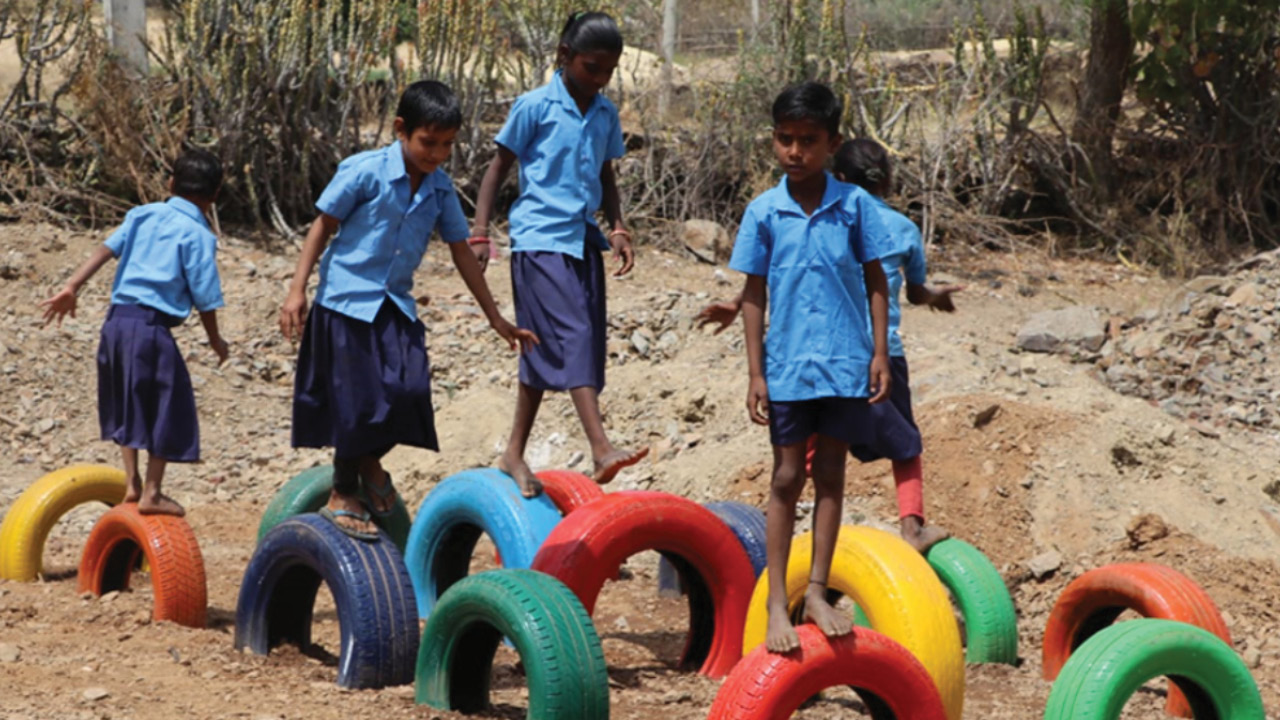
Bridging Educational and Nutritional Gaps through Maa Badi Centres in Tribal Rajasthan
Maa Badi Centres, a pioneering initiative by the Tribal Area Development Department of Rajasthan in collaboration with SWACH (Sanitation, Water and Community Health Project), aim to provide a holistic response to the twin challenges of poor educational access and undernutrition among tribal children.
-
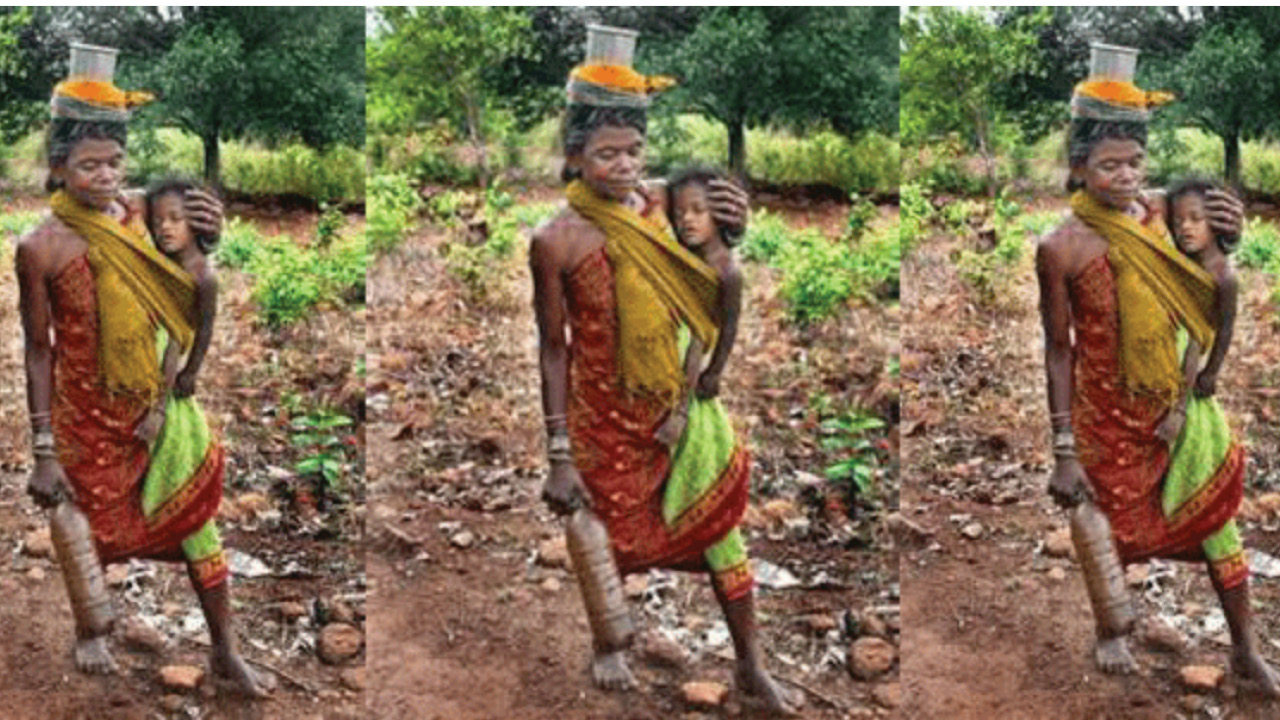
Innovation for Safe Delivery Among the Pregnant Women in Tribal Villages
This explores an innovative healthcare intervention aimed at ensuring safe delivery for pregnant women in remote tribal villages of Vizianagaram. The initiative addresses the dire need for maternal and neonatal care in hard-to-reach regions by providing institutional support, medical supervision, and nutritional guidance.