

SHGs
-
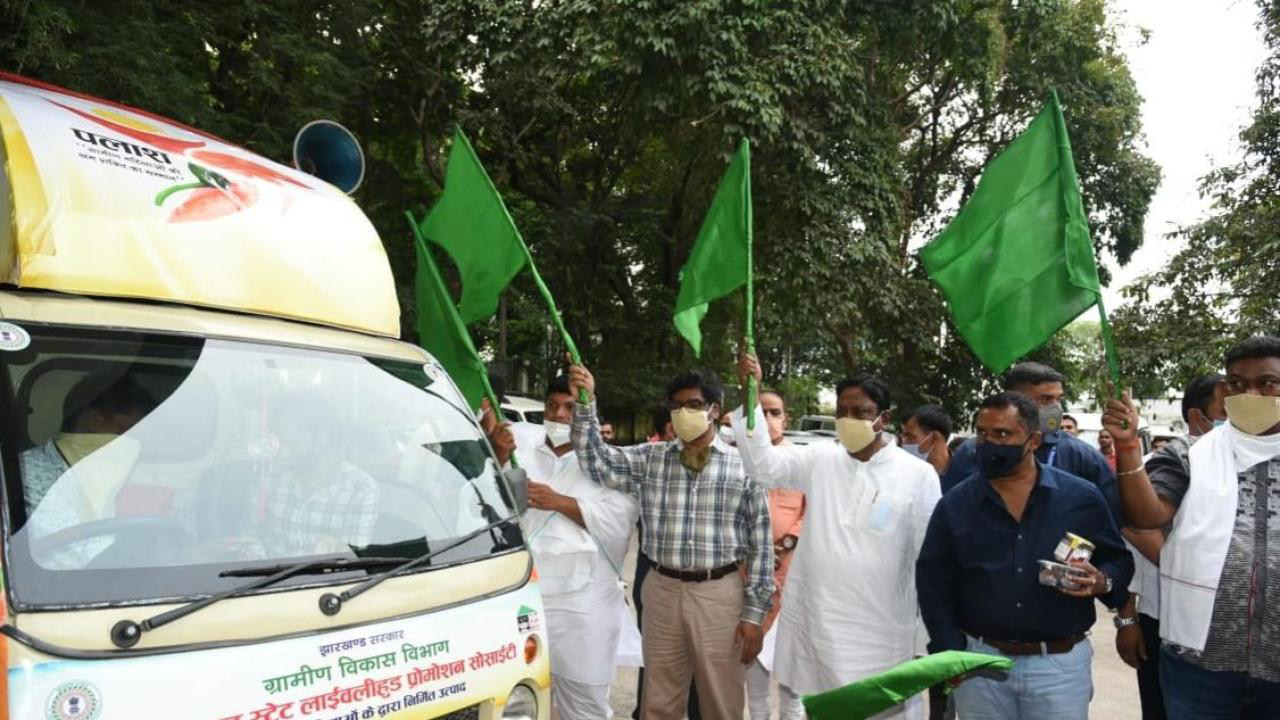
PALASH – Branding and Marketing for Rural & Tribal Women Entrepreneurs and Artisans Products of Jharkhand
PALASH is an initiative by the Department of Rural Development, Government of Jharkhand, through the Jharkhand State Livelihood Promotion Society, to transform the economic landscape for tribal and rural women. It aims to build a sustainable ecosystem around local enterprise by creating a branded market for indigenous and naturally produced goods.
-

Pradhan Mantri Aadi Adarsh Gram Yojana (PMAAGY): Inclusive Development of Tribal Villages in Nagaland
The Pradhan Mantri Aadi Adarsh Gram Yojana (PMAAGY) is aimed at transforming tribal-majority villages into model villages, termed Adarsh Grams. The project in Nagaland was spearheaded by the Department of Tribal Affairs and focused on uplifting the socio-economic and infrastructural conditions of tribal communities.
-
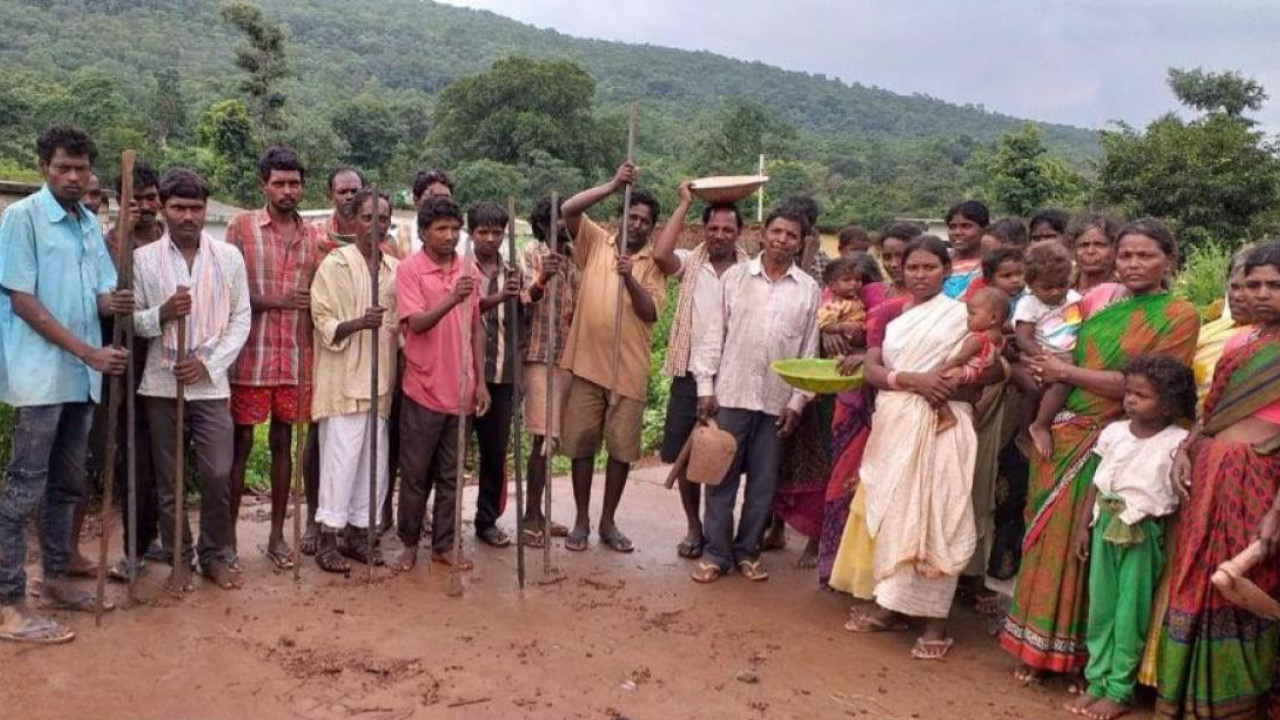
Transforming Lives of the Primitive Tribe Chenchu through MGNREGS
The Government of Andhra Pradesh launched a targeted initiative in May 2009 under the MGNREGS. The Chenchu Special Project aimed to bring sustainable livelihood, nutritional security, and socio-economic inclusion to this vulnerable population. This case study explores the implementation, outcomes, and innovations of the project that have contributed to transforming the lives of over 11,000 Chenchu individuals.
-
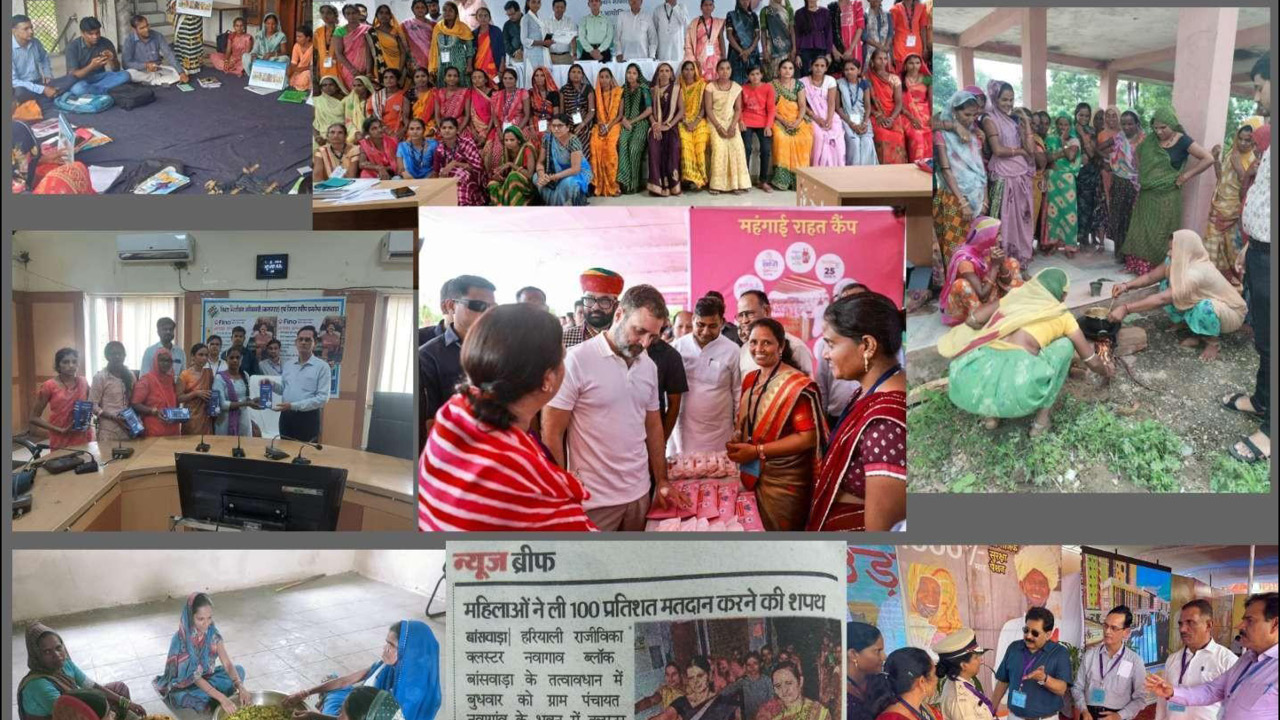
From Margins to Markets: Empowering Tribal Women through Rajeevika in Banswara
Banswara, located in southern Rajasthan, is among the 250 most underdeveloped districts in India. Characterised by its high tribal population and limited livelihood opportunities, women in this region traditionally had minimal economic or public engagement. Recognising this entrenched inequality, RGAVP initiated a transformational programme under the National Rural Livelihoods Mission (NRLM) to empower women socially and economically.
-
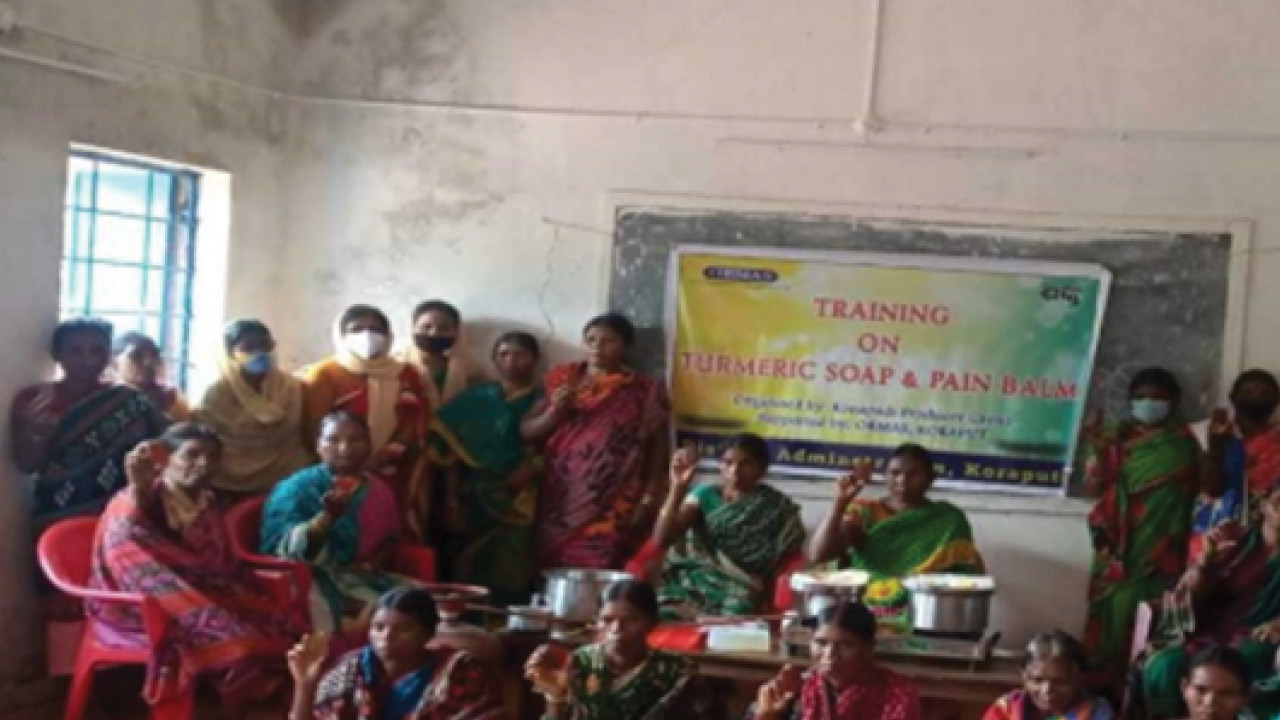
Empowering Tribal Women through Turmeric-Based Livelihoods in Koraput, Odisha
In the scenic but isolated terrain of Laxmipur block in Koraput district, tribal communities have long depended on turmeric cultivation as a major source of livelihood. However, lack of market access, processing capacity, and financial literacy rendered them vulnerable to systemic exploitation. The Turmeric Based Livelihoods Development initiative emerged as a response to this socio-economic marginalization.
-
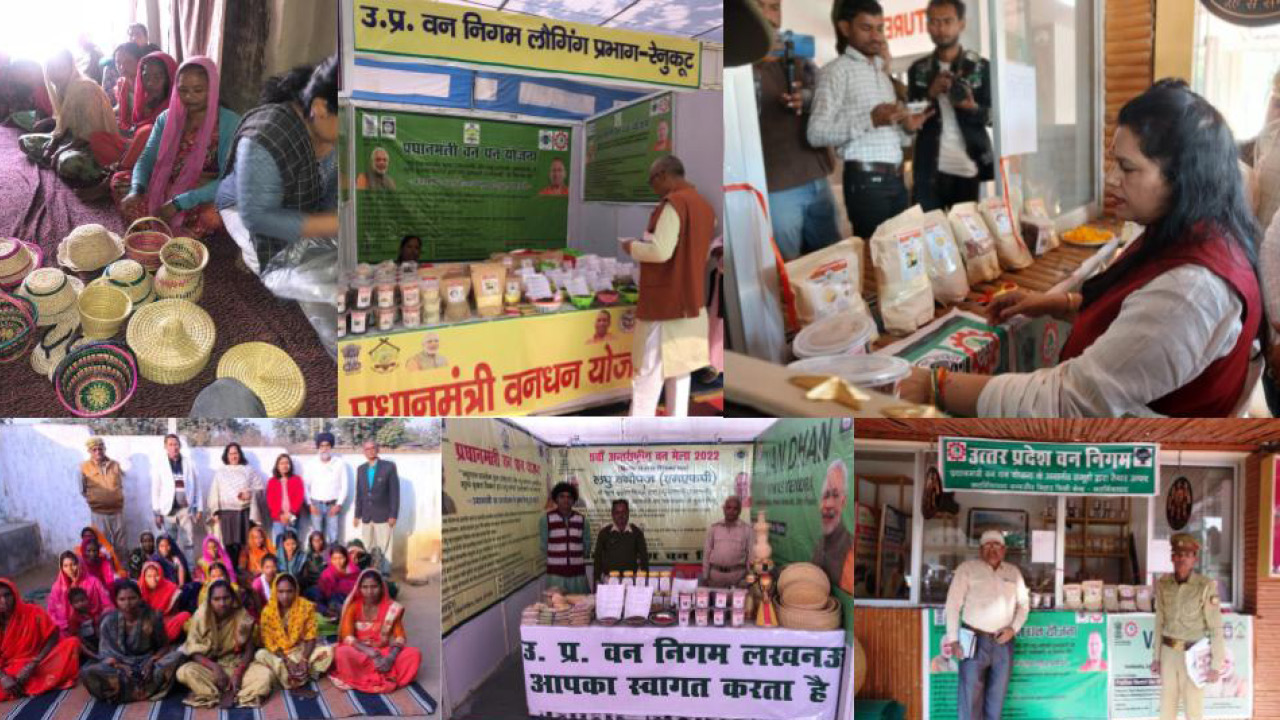
Forest-Based Livelihood Empowerment: Van Dhan Yojana in Uttar Pradesh
UPFC’s Van Dhan Yojana initiative focuses on mobilizing tribal communities into Self-Help Groups (SHGs), enhancing their traditional skills, training them in value addition and packaging of Minor Forest Produce (MFP), and linking their products with retail markets. The scheme is backed by a dedicated budget and institutional support for long-term scalability and community ownership.
-
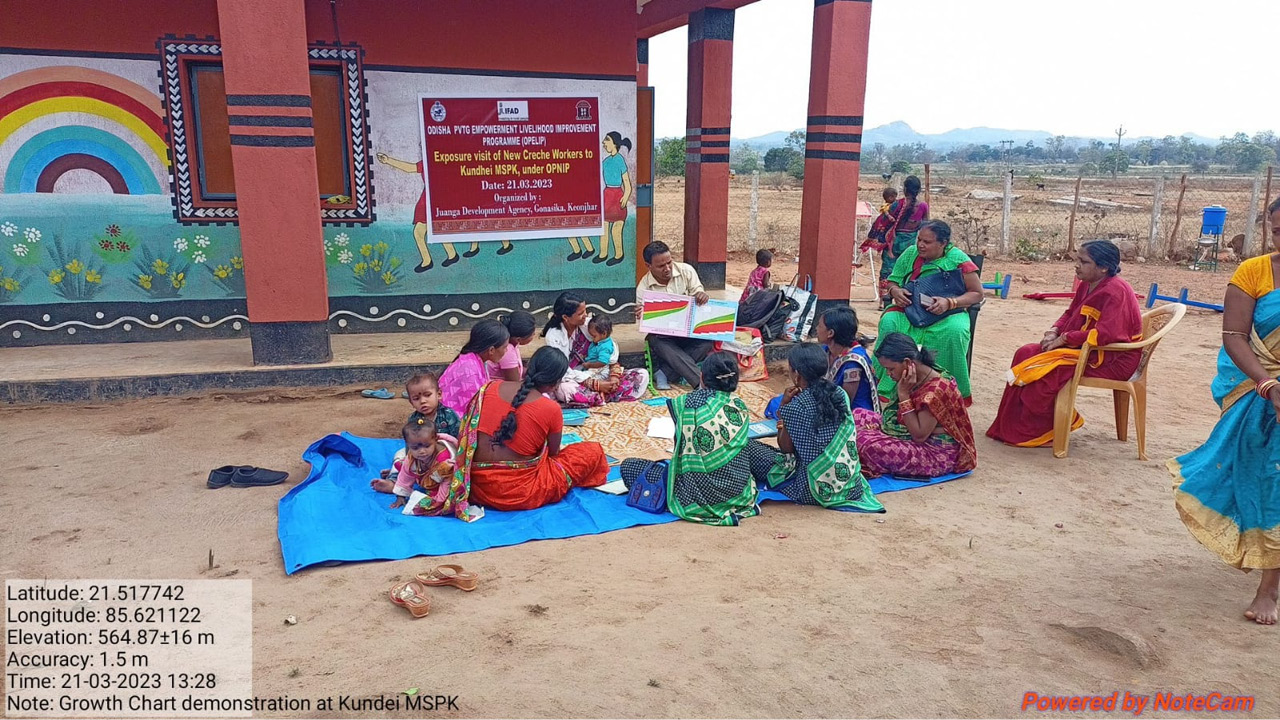
Odisha’s Community-Driven Model to Combat Malnutrition in Particularly Vulnerable Tribal Groups (PVTGs)
In the tribal heartlands of Odisha, where health and nutrition indicators are among the poorest in the country, the Odisha PVTG Nutrition Improvement Programme (OPNIP) was launched as a transformative intervention. The programme focuses on the critical window of the first 1,000 days of a child's life.
-
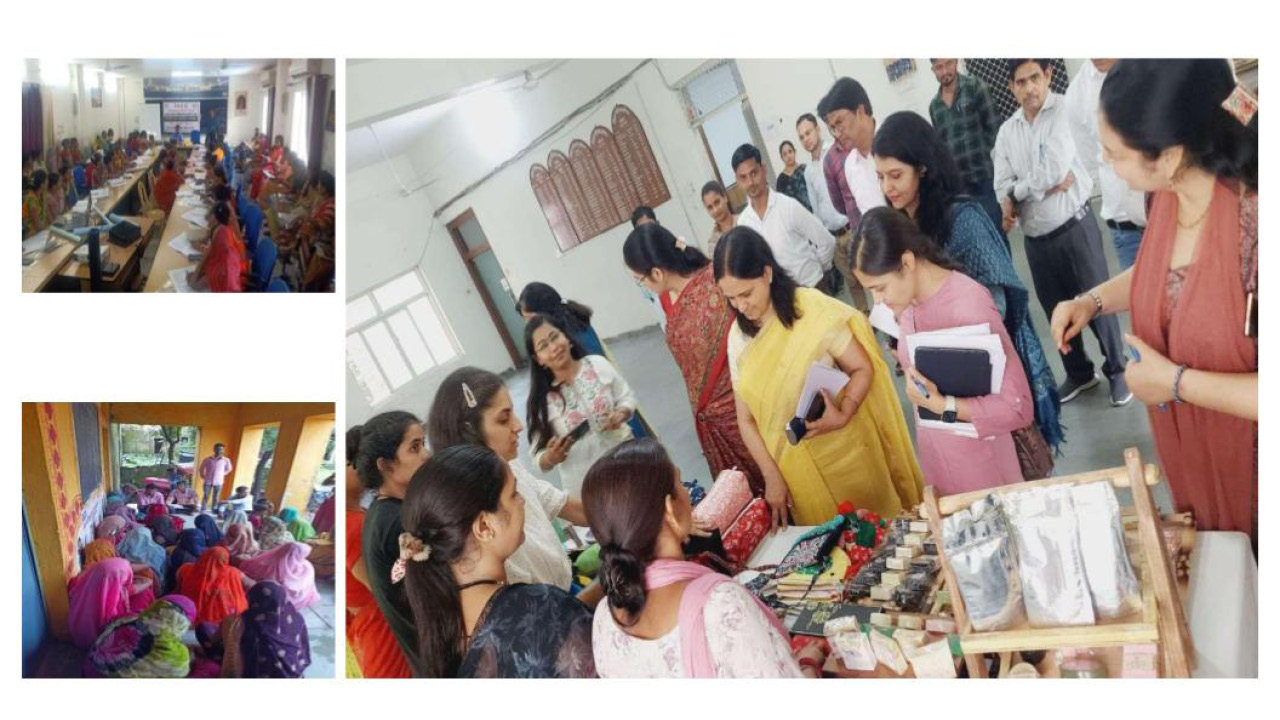
Empowering Tribal Women through Van Dhan Vikas Kendras in Rajasthan
Van Dhan Vikas Yojana (VDVY) was launched as a transformative tribal livelihood programme to channel the potential of minor forest produce (MFP) into sustainable income for tribal women. It builds upon the SHG platform of Rajeevika, aiming to convert tribal gatherers into empowered entrepreneurs.
-

Girijan Canteen: Transforming Nutrition for Tribal Communities
The Girijan Canteen project was conceptualized as a response to the persistent problem of malnutrition and inadequate access to nutritious food among tribal communities in remote regions of Telangana. Aiming to deliver nutritious, affordable, and accessible meals, the project embodies an innovative community-oriented model to improve public health outcomes.
-
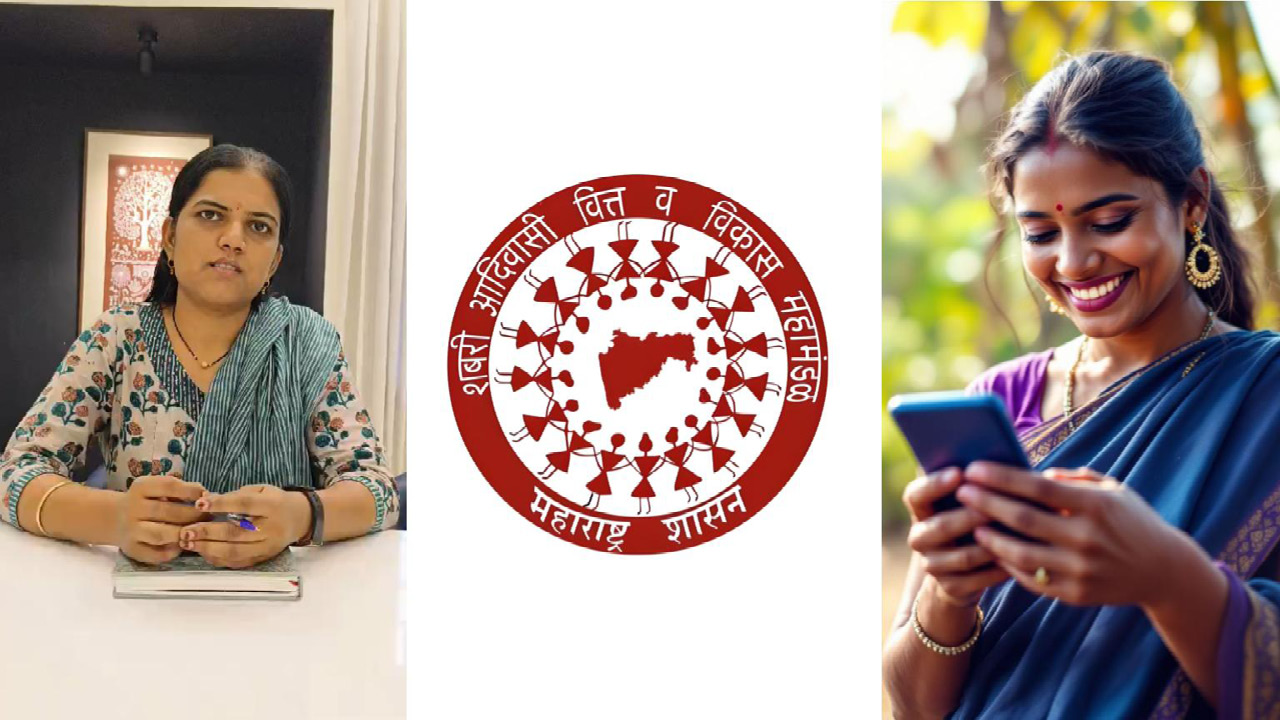
Empowering Tribes through Digitized Concessional Loans
Tribal communities in Maharashtra have historically struggled with access to formal credit due to a combination of systemic, infrastructural, and socio-economic barriers. The NSTFDC Based Loan Scheme and State Sponsored Loan Schemes were introduced to address these limitations through a digitized, inclusive financing model.