

Tribal Development
-

Pradhan Mantri Aadi Adarsh Gram Yojana (PMAAGY): Inclusive Development of Tribal Villages in Nagaland
The Pradhan Mantri Aadi Adarsh Gram Yojana (PMAAGY) is aimed at transforming tribal-majority villages into model villages, termed Adarsh Grams. The project in Nagaland was spearheaded by the Department of Tribal Affairs and focused on uplifting the socio-economic and infrastructural conditions of tribal communities.
-
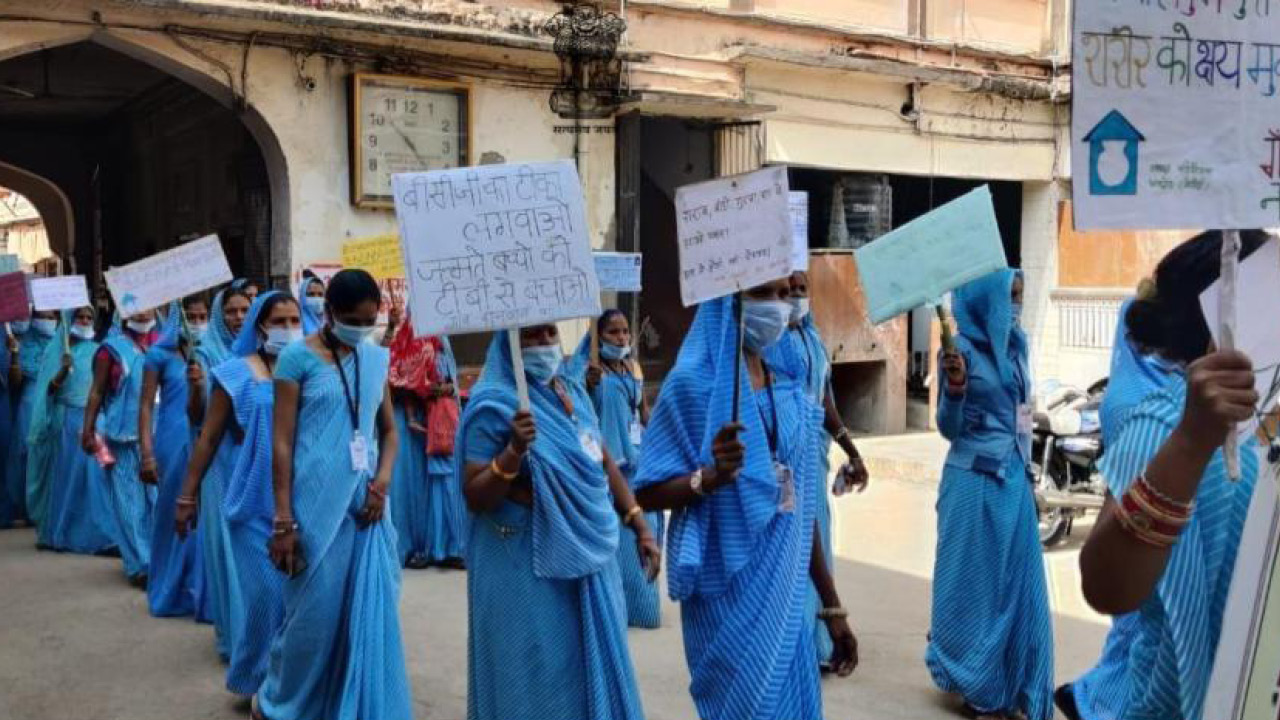
Empowering Communities for TB Control: The Swasthya Karmi Yojana in Rajasthan
By training local tribal women to serve as health workers (Swasthya Karmis), the project seeks to bridge the healthcare gap in areas where formal systems struggle to reach. These Swasthya Karmis have since become key agents in delivering essential healthcare, raising awareness, and fostering trust within tribal communities. This is a women-led health intervention model.
-
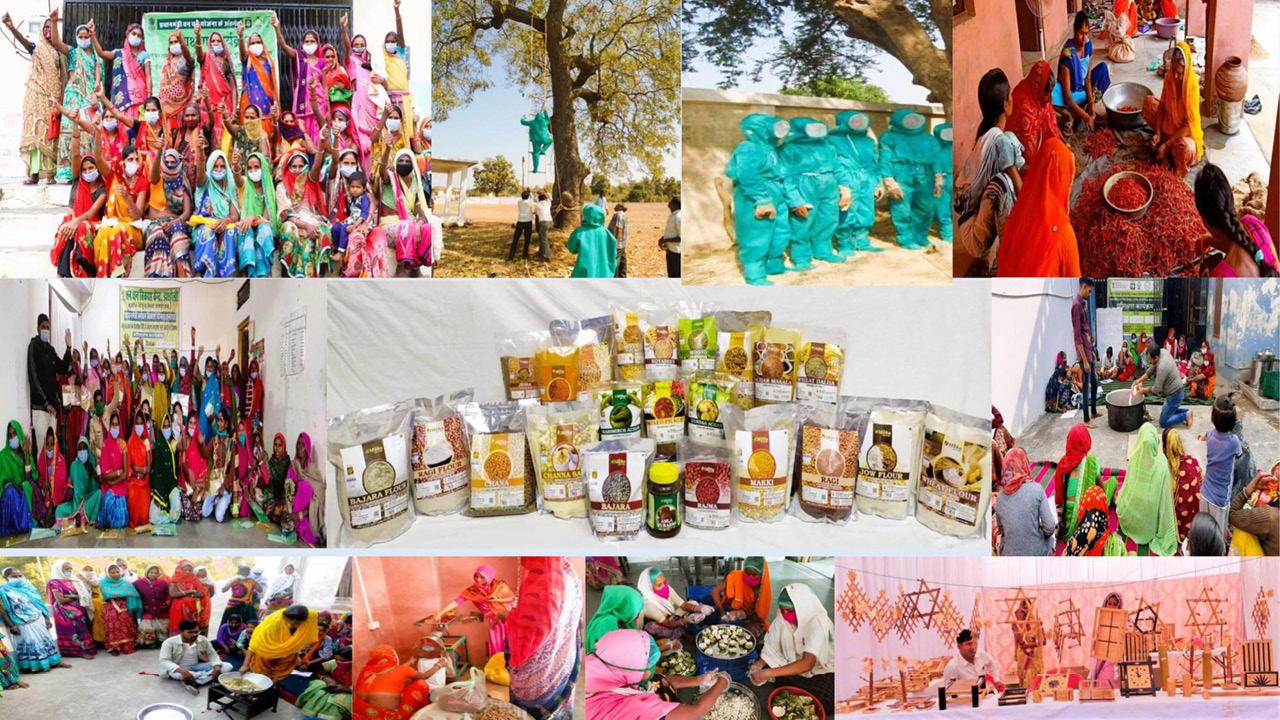
Skill Upgradation and Livelihood Generation for Tribals through Van Dhan Vikas Kendras in Rajasthan
The project was conceived to address long-standing economic marginalization among tribal populations in Rajasthan. This integrated initiative combines the Van Dhan Yojana with supporting schemes such as SFURTI, Mini-TRIFOOD, and ESDP, aiming to foster entrepreneurship, income generation, and empowerment among tribal women.
-
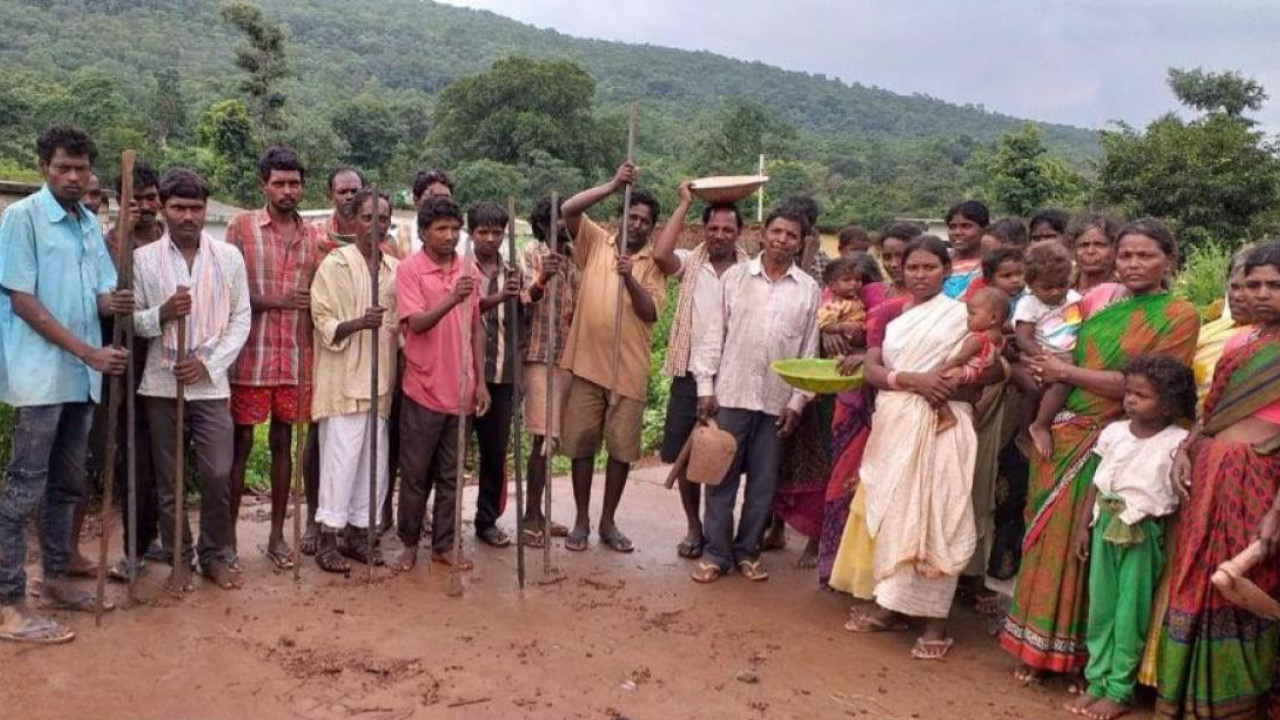
Transforming Lives of the Primitive Tribe Chenchu through MGNREGS
The Government of Andhra Pradesh launched a targeted initiative in May 2009 under the MGNREGS. The Chenchu Special Project aimed to bring sustainable livelihood, nutritional security, and socio-economic inclusion to this vulnerable population. This case study explores the implementation, outcomes, and innovations of the project that have contributed to transforming the lives of over 11,000 Chenchu individuals.
-
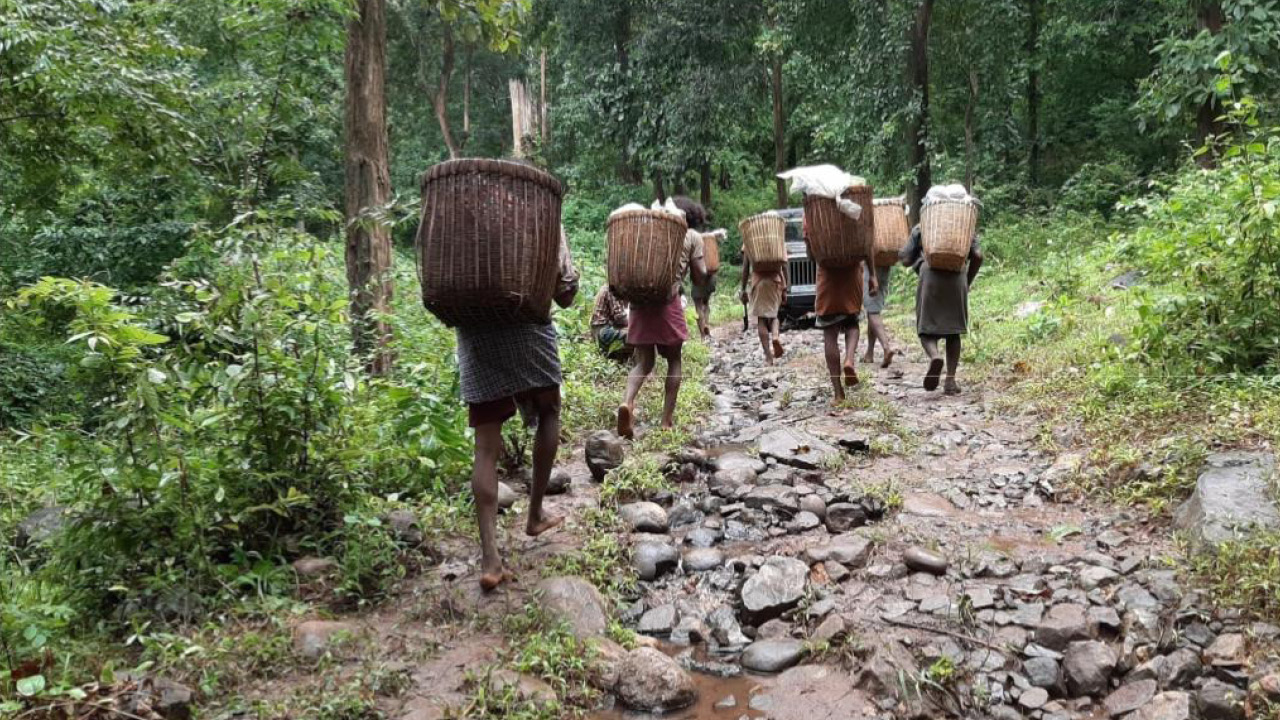
SHELTER: Transforming Adivasi Lives through Comprehensive Community Development in Nilambur, Kerala
This program integrates livelihood, education, health, cultural preservation, financial inclusion, and institutional empowerment under one framework. With a strong emphasis on community participation and inter-departmental convergence, the project seeks to empower tribal women, youth, and children.
-
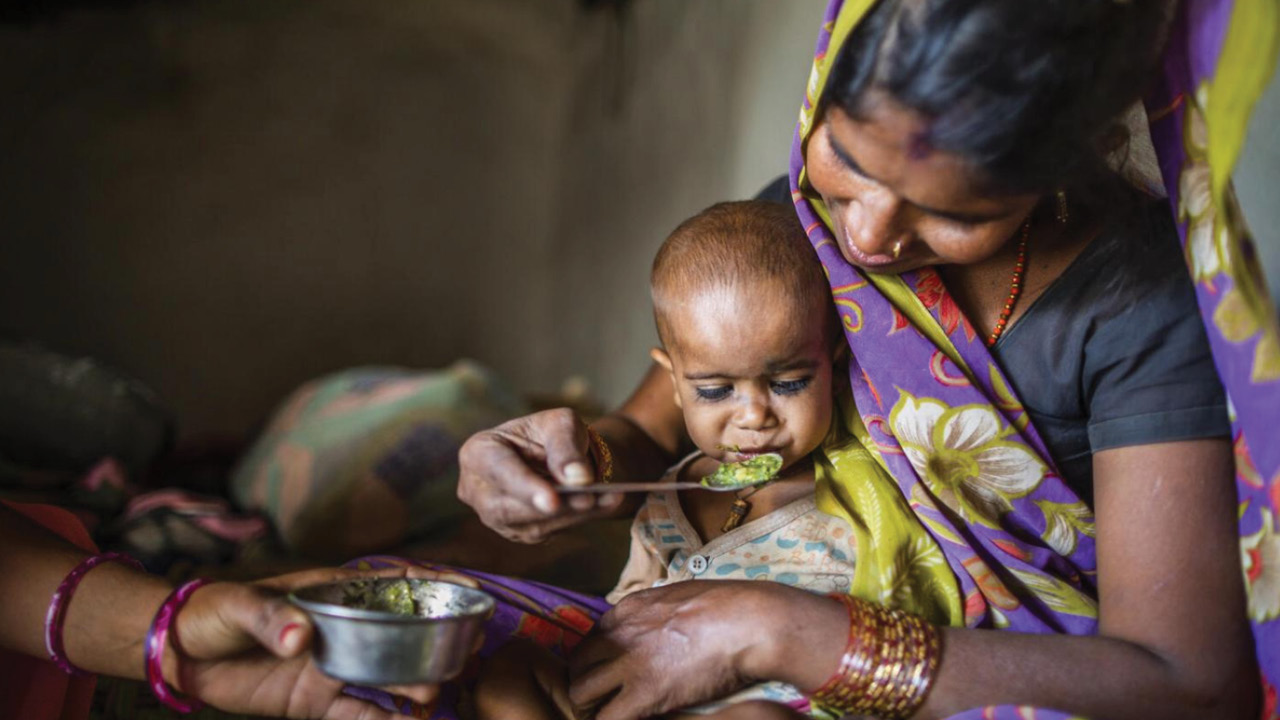
Swasthyakarmi Yojana: Maternal, Infant and Child Nutrition
Conceived as a collaborative initiative between the Tribal Area Development Department and SWACH with technical support from UNICEF, the project leverages local tribal women as health workers or "Swasthyakarmis" to address the challenges of accessibility, awareness, and acceptability in tribal health systems.