

Tribal Education
-

From Grassroots to the Parade Ground: Empowering Tribal Youth through Telangana’s Sainik School Model
Established under the aegis of the Telangana Tribal Welfare Residential Educational Institutions Society (TTWREIS), the school was created to train tribal students from the state to become officers in the Indian Armed Forces.
-
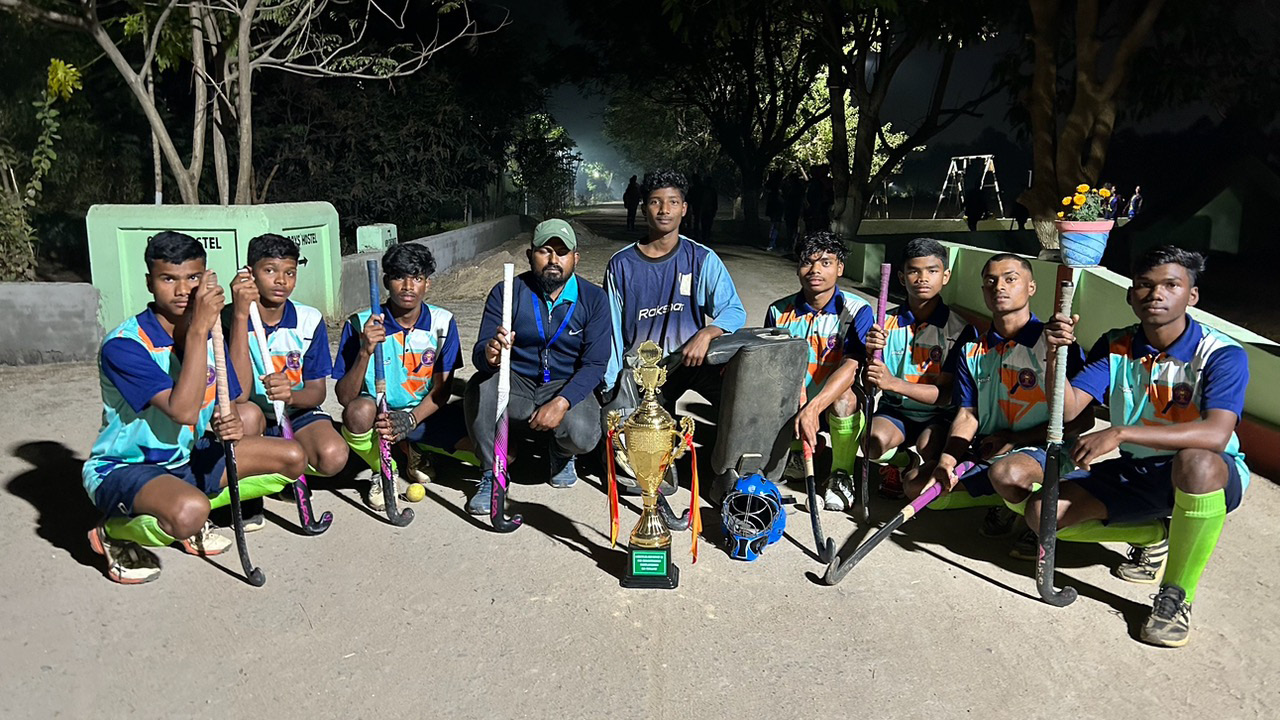
Nurturing Talent: Eklavya Model Residential School, Bhawanipur, Sundargarh, Odisha
Designed as a fully residential, English-medium institution managed by the ST & SC Development Department of Odisha under central funding, the school addresses educational deficits in tribal districts while fostering ambition, self-confidence, and exposure to modern learning.
-
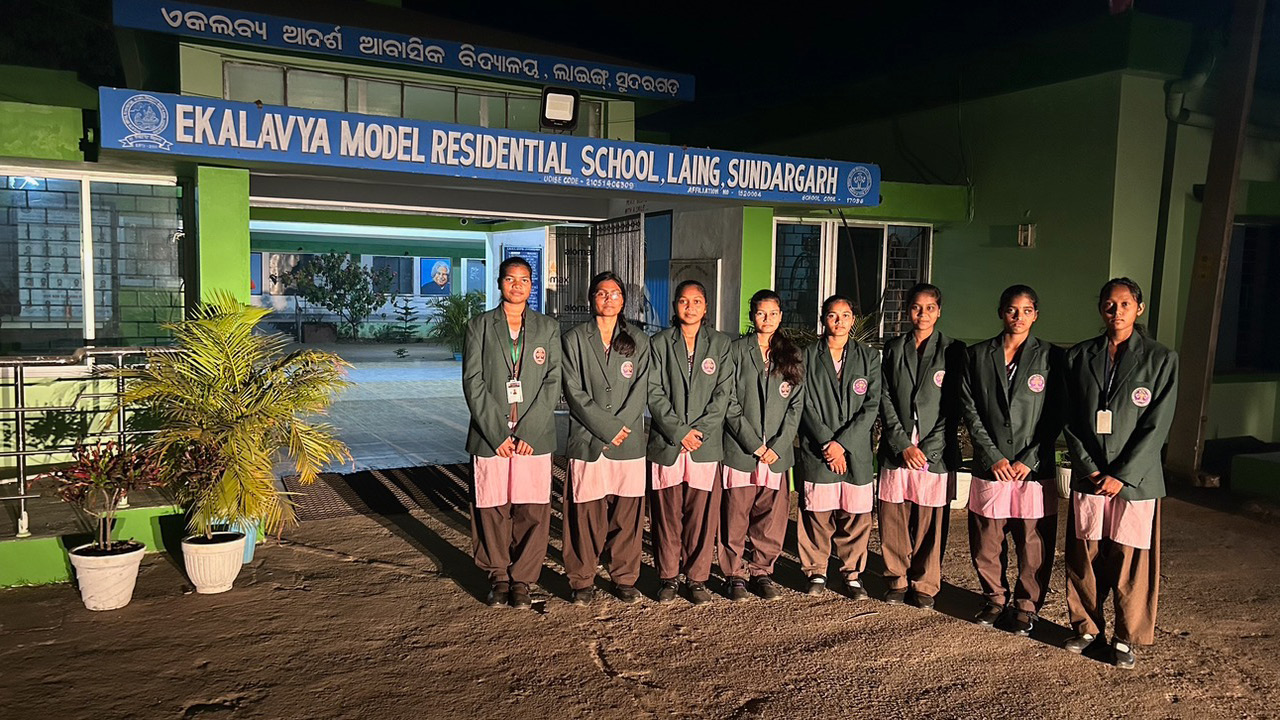
Inflaming Ambitions, Eklavya Model Residential School, Liang, Sundergarh, Odisha
EMRS are designed to bring tribal students into mainstream, high-quality academic environment while preserving their cultural identity. It stands as a testament to this vision, offering tribal students’ holistic education and exposure that help fuel their ambitions.
-

Mentorship Programme for PVTGs in Odisha
COVID-19 led to disruption of classroom-based learning. The Alternate Learning and Mentorship Programme (ALMP) was conceptualised and launched by the Government of Odisha’s ST & SC Development Department as a timely and inclusive intervention to ensure educational continuity for tribal and backward-class students during the pandemic.
-
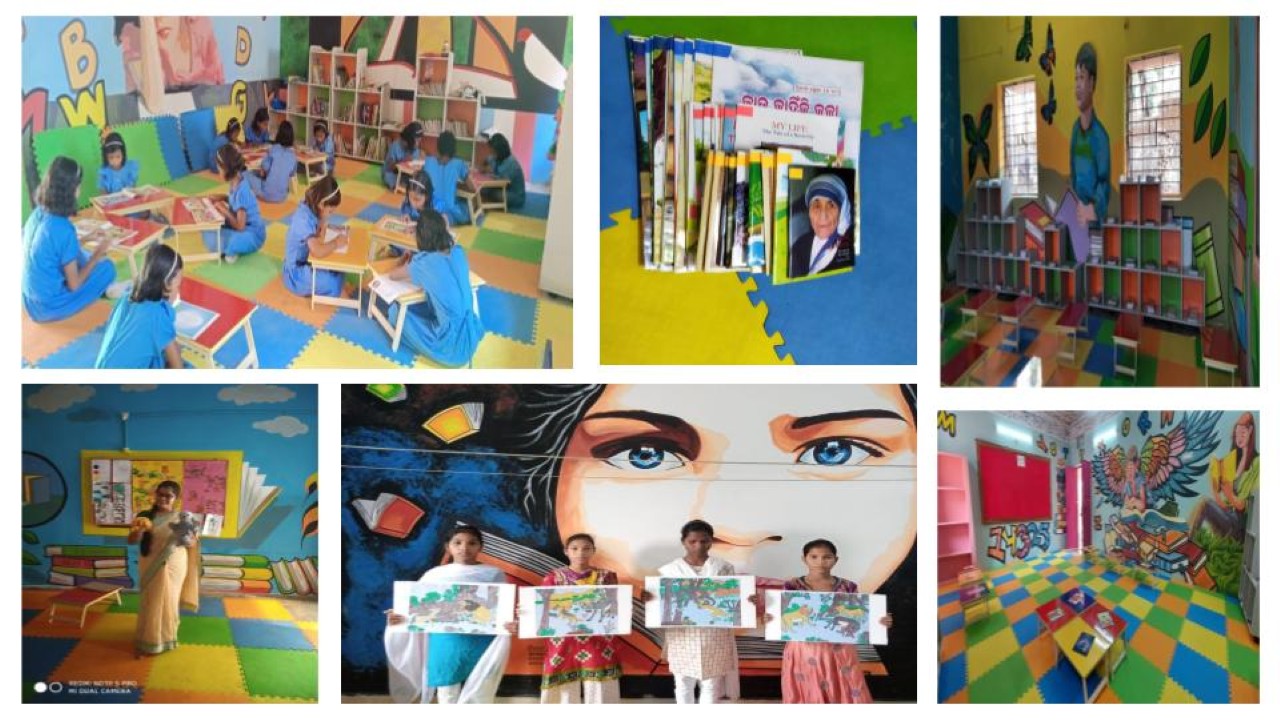
Transforming Learning Through Libraries: Gajapati’s Innovation in Tribal Education
Gajapati district, with its tribal-dominated and geographically isolated population, experienced COVID-19 challenges. To address this, the district administration launched an innovative and inclusive project—Library Promotion Activities in Primary and Upper Primary Schools. This initiative aimed to strengthen the reading, writing, and speaking skills of ST & SC students.
-

Empowering Tribal Students and Building Community Resilience through Holistic Education at Madarihat Girls’ High School
The initiative is driven by the urgent need to address several social, health and environmental challenges faced by the local tribal and backward communities. The school recognized the importance of empowering girl students and integrating them into broader societal progress through education and health awareness.
-
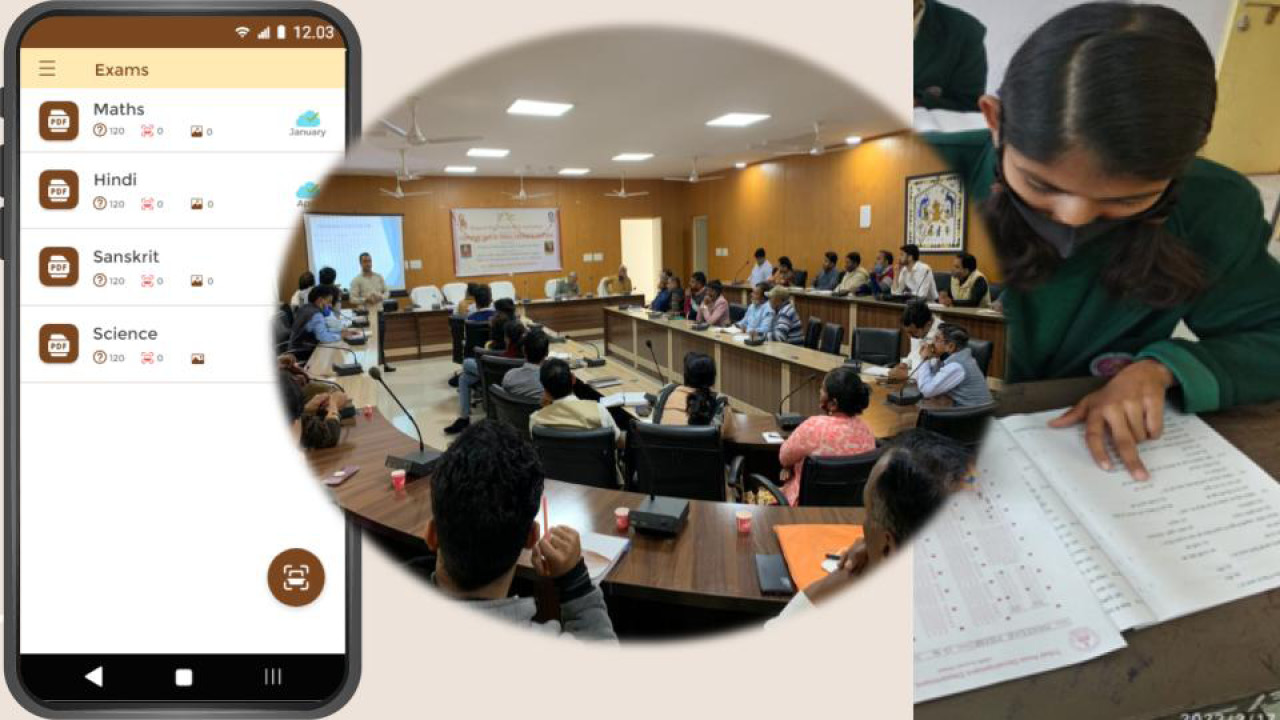
Leveraging Digital Tools for Tribal Education Reform: The Edu-Tribe Assessment Model in Rajasthan
The initiative was designed to enhance academic outcomes through regular, technology-enabled assessments. The Edu-Tribe mobile application, a central feature of the program, facilitates real-time evaluation through OMR-based testing. This enables teachers to quickly identify learning gaps and provide targeted remedial support to students.
-

Financial Assistance to Students Belonging to Tea Tribes Community of Assam
The Tea Tribes Welfare Department, Government of Assam, launched the project “Financial Assistance to Students Belonging to Tea Tribes Community of Assam” with the objective of promoting education among students from the Tea Tribes, a socio-economically backward group. The project emphasizes creating opportunities for higher education and skill development.
-
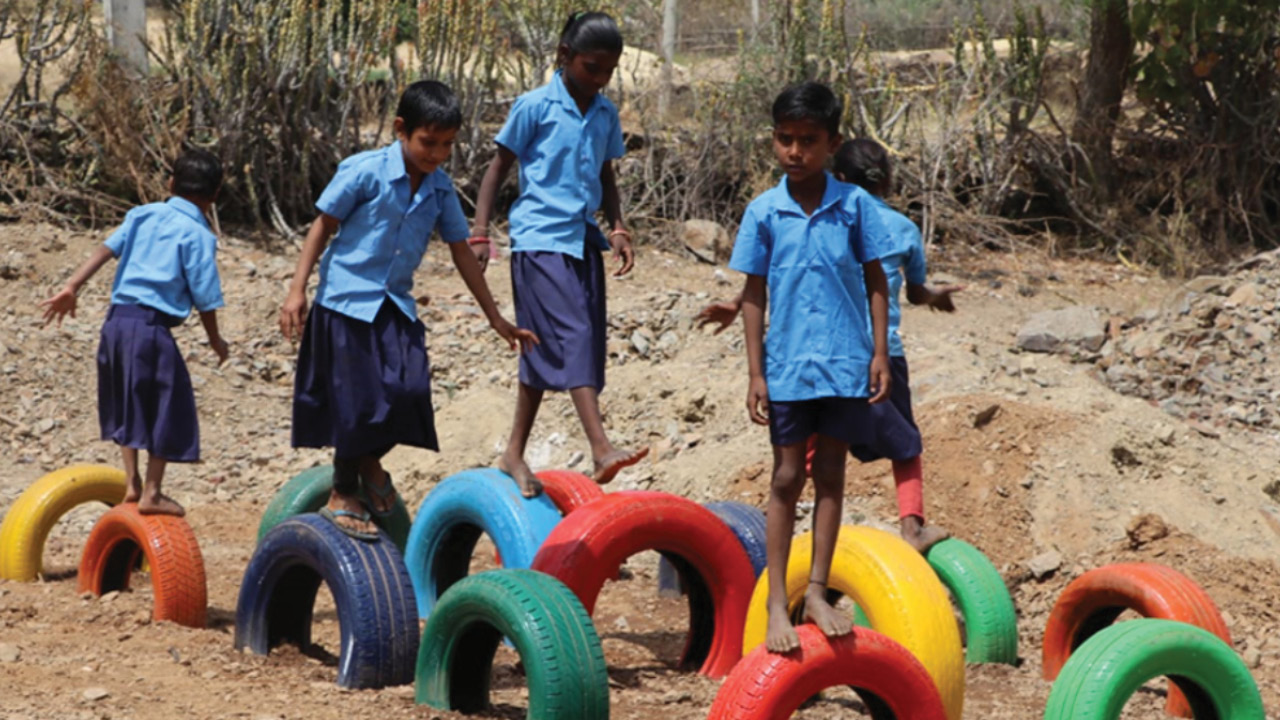
Bridging Educational and Nutritional Gaps through Maa Badi Centres in Tribal Rajasthan
Maa Badi Centres, a pioneering initiative by the Tribal Area Development Department of Rajasthan in collaboration with SWACH (Sanitation, Water and Community Health Project), aim to provide a holistic response to the twin challenges of poor educational access and undernutrition among tribal children.
-

Strengthening Tribal Futures through Quality Residential Schooling: The EMRS Model of Madhya Pradesh
Madhya Pradesh is home to one of India’s largest tribal populations, spread across remote forested geographies with low access to quality schooling. To bridge this gap, the State established EMRS under MPSARAS, fully residential, CBSE schools to provide quality upper primary, secondary and senior secondary education.