

Tribal Livelihoods
-
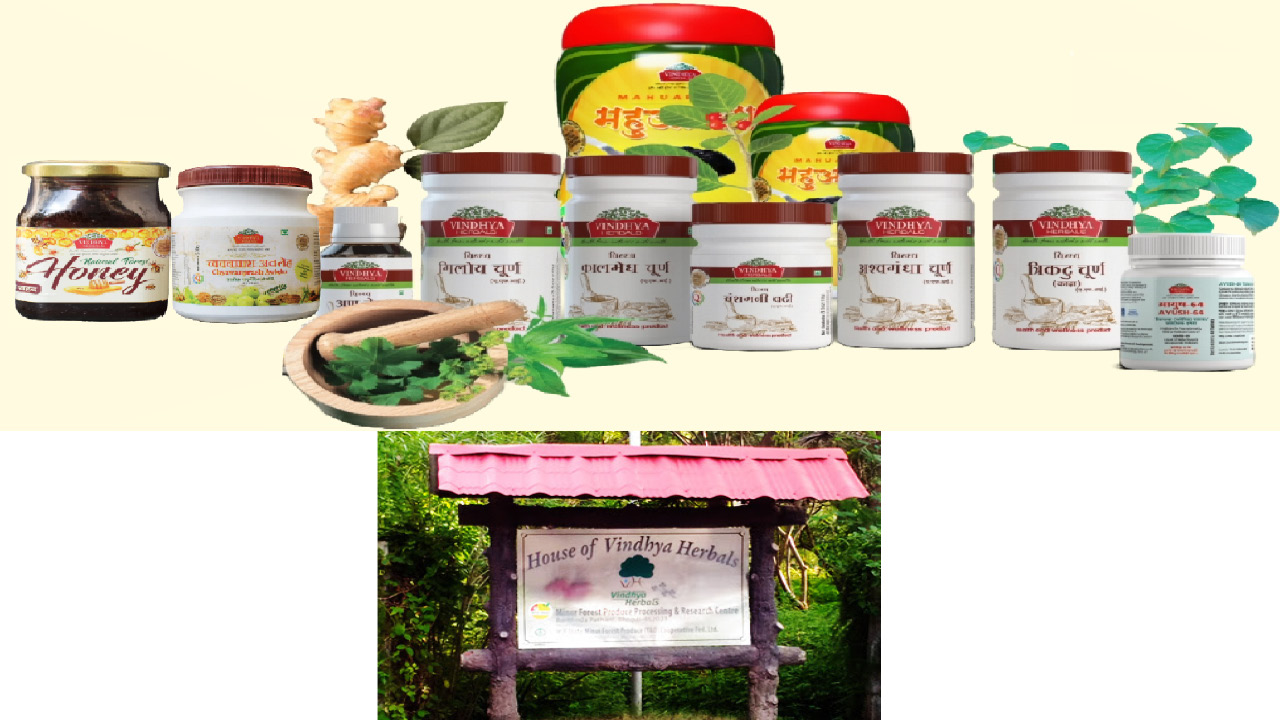
Manufacturing of Ayurvedic Medicines
The Manufacturing of Ayurvedic Medicines initiative is led by the Minor Forest Produce Processing and Research Centre (MFP-PARC), Bhopal, under the Madhya Pradesh Forest Department. It is a pioneering model of sustainable, forest-based industrial development.
-
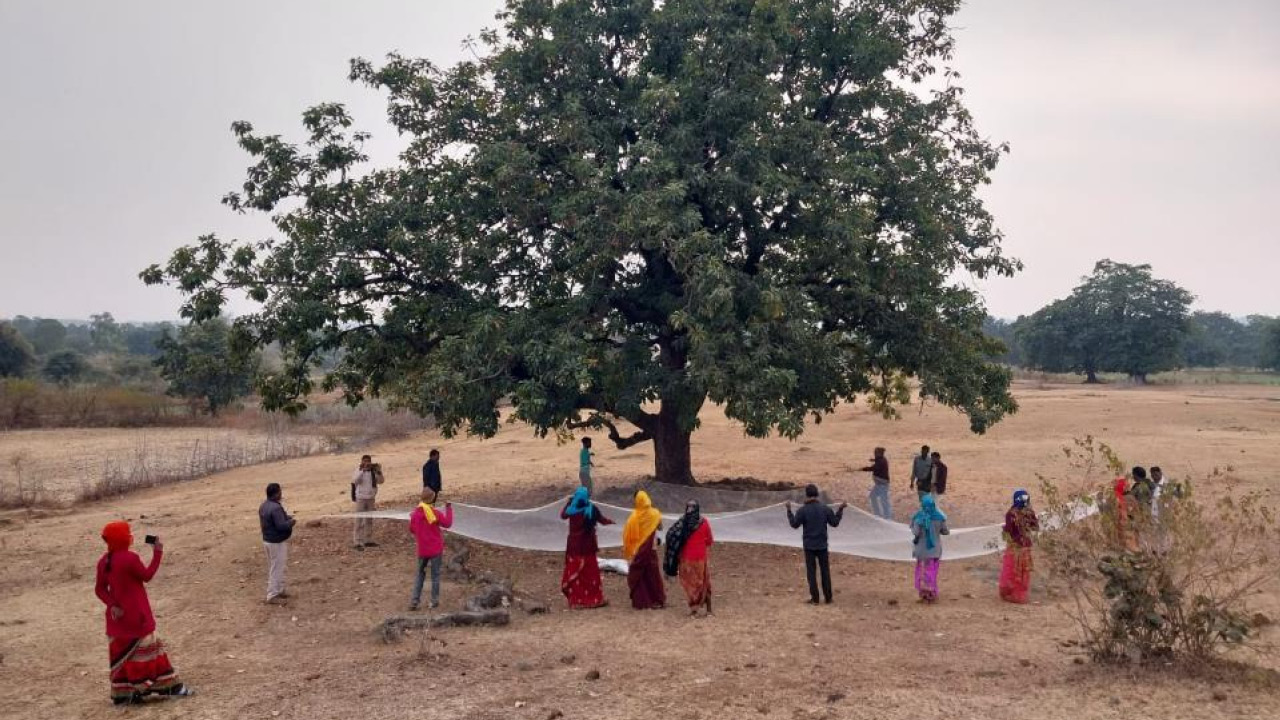
Madhya Pradesh State Minor Forest Produce (Trading & Development)
The Madhya Pradesh State Minor Forest Produce (Trading & Development) Co-operative Federation Limited (MPMFP Federation), established in 1984 under the Madhya Pradesh Cooperative Act, 1960, serves as the apex institution for the trade and development of Non-Timber Forest Produce in the state.
-

Role of GCC for the Development of Entrepreneurship Skills and Livelihood Activities
The project on Entrepreneurship Skills and Livelihood Activities began on 1-04-2018 and has grown exponentially. It is a state-level Public Sector Undertaking under the Tribal Welfare Department. The core objective is to end exploitation in MFP markets and raise tribal incomes through MSP-aligned procurement.
-
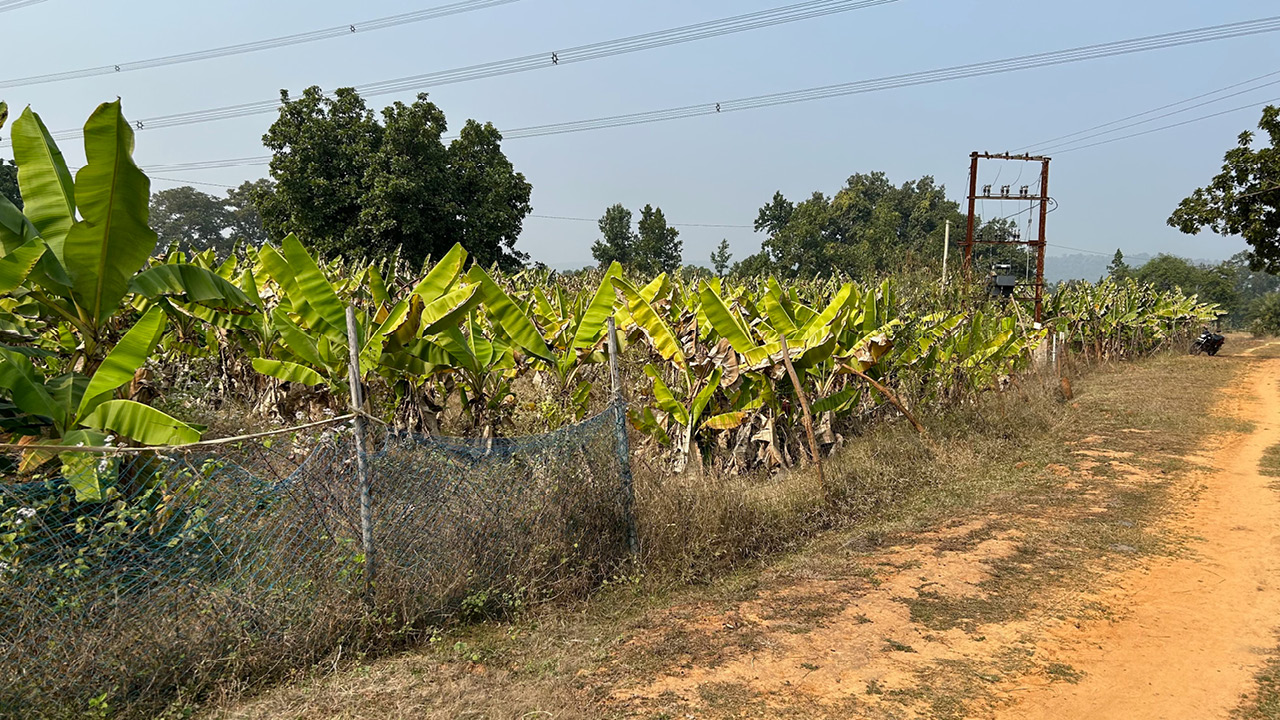
Banana Plantation Flourishes: A Livelihood Revolution in Sundargarh, Odisha
The OMBADC initiative turned this narrative around by introducing banana cultivation as a sustainable and income-generating activity. Through targeted training, capacity building, and market linkage support, the project has empowered local farmers and reduced their dependency on mining.
-

Agro-technological Empowerment for Tribal Livelihood Security: A Model from Bihar
This initiative was undertaken in the backward and tribal-dominated districts of Banka, Kishanganj, and Katihar with the objective of transforming vulnerable tribal livelihoods into resilient, diversified and nutritionally secure systems. The strategy combined traditional farming practices with innovations.
-

Fostering Resilience through Cluster-based Tribal Livelihoods: The Mission Jeevika Model
The mission was developed and implemented by the ST & SC Development, Minorities & Backward Classes Welfare Department through the Odisha Tribal Development Society (OTDS). It leverages state and central government schemes to enhance production, create infrastructure and ensure access to markets.
-
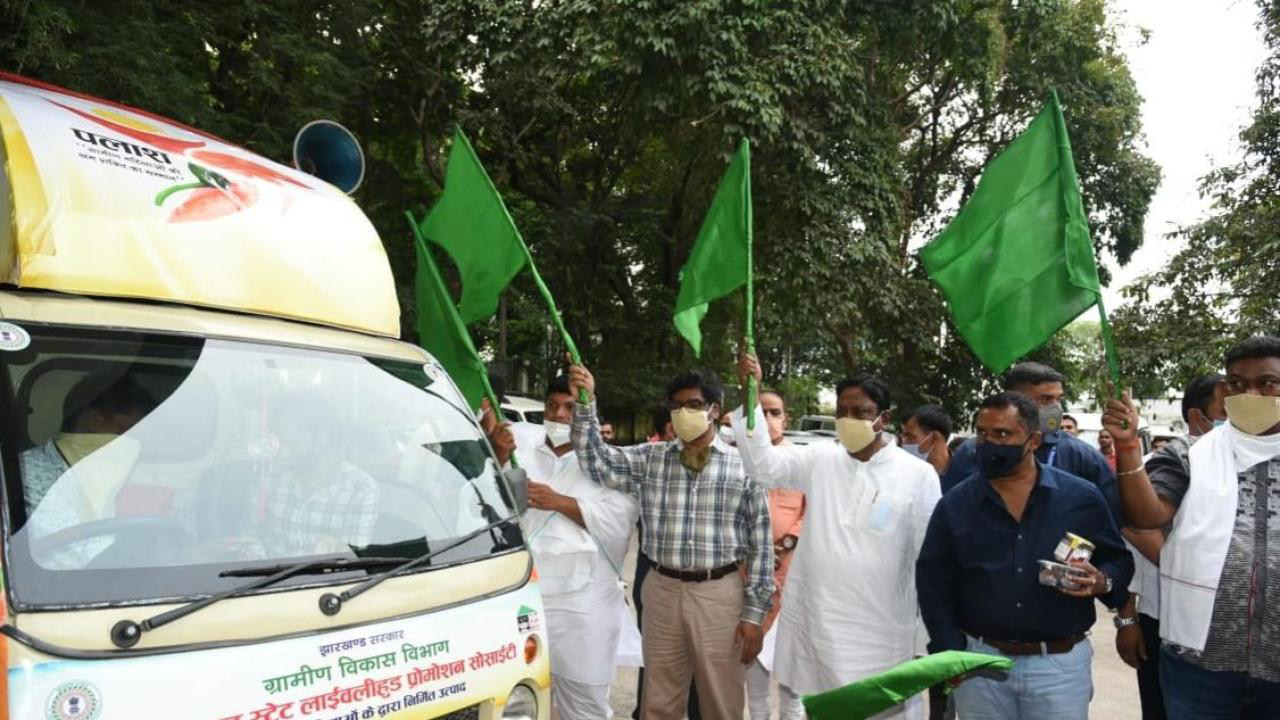
PALASH – Branding and Marketing for Rural & Tribal Women Entrepreneurs and Artisans Products of Jharkhand
PALASH is an initiative by the Department of Rural Development, Government of Jharkhand, through the Jharkhand State Livelihood Promotion Society, to transform the economic landscape for tribal and rural women. It aims to build a sustainable ecosystem around local enterprise by creating a branded market for indigenous and naturally produced goods.
-
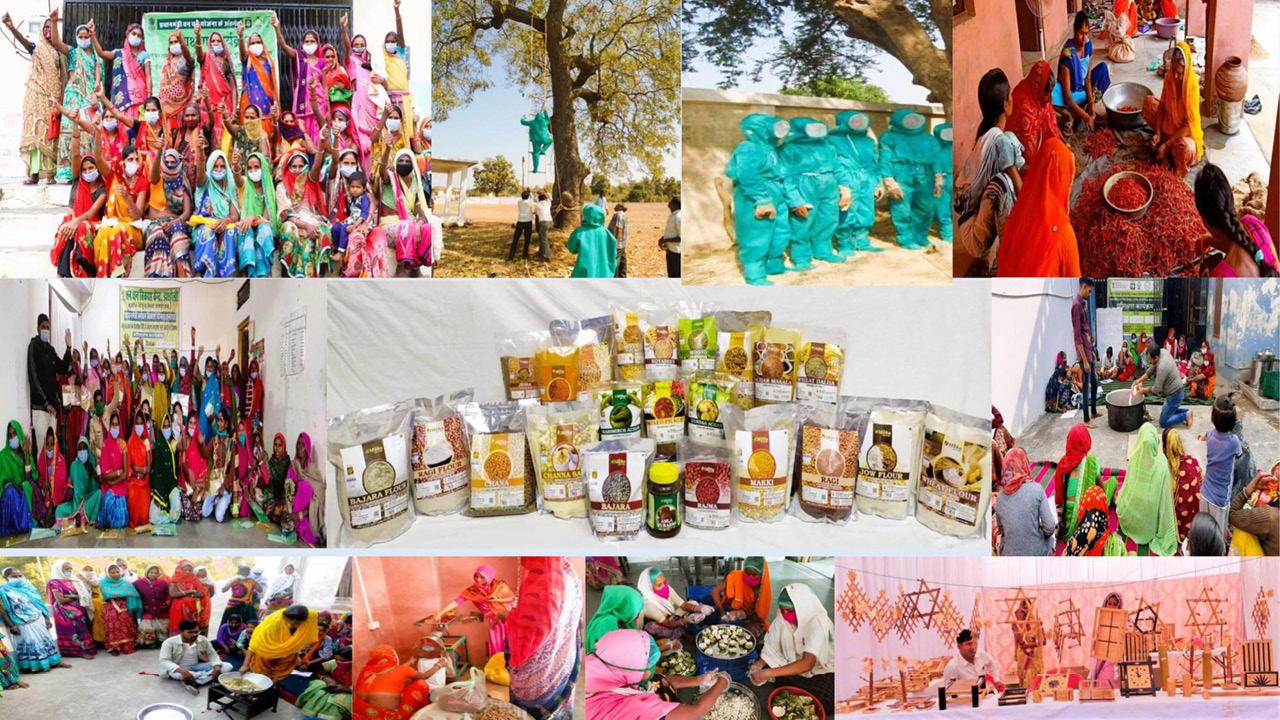
Skill Upgradation and Livelihood Generation for Tribals through Van Dhan Vikas Kendras in Rajasthan
The project was conceived to address long-standing economic marginalization among tribal populations in Rajasthan. This integrated initiative combines the Van Dhan Yojana with supporting schemes such as SFURTI, Mini-TRIFOOD, and ESDP, aiming to foster entrepreneurship, income generation, and empowerment among tribal women.
-
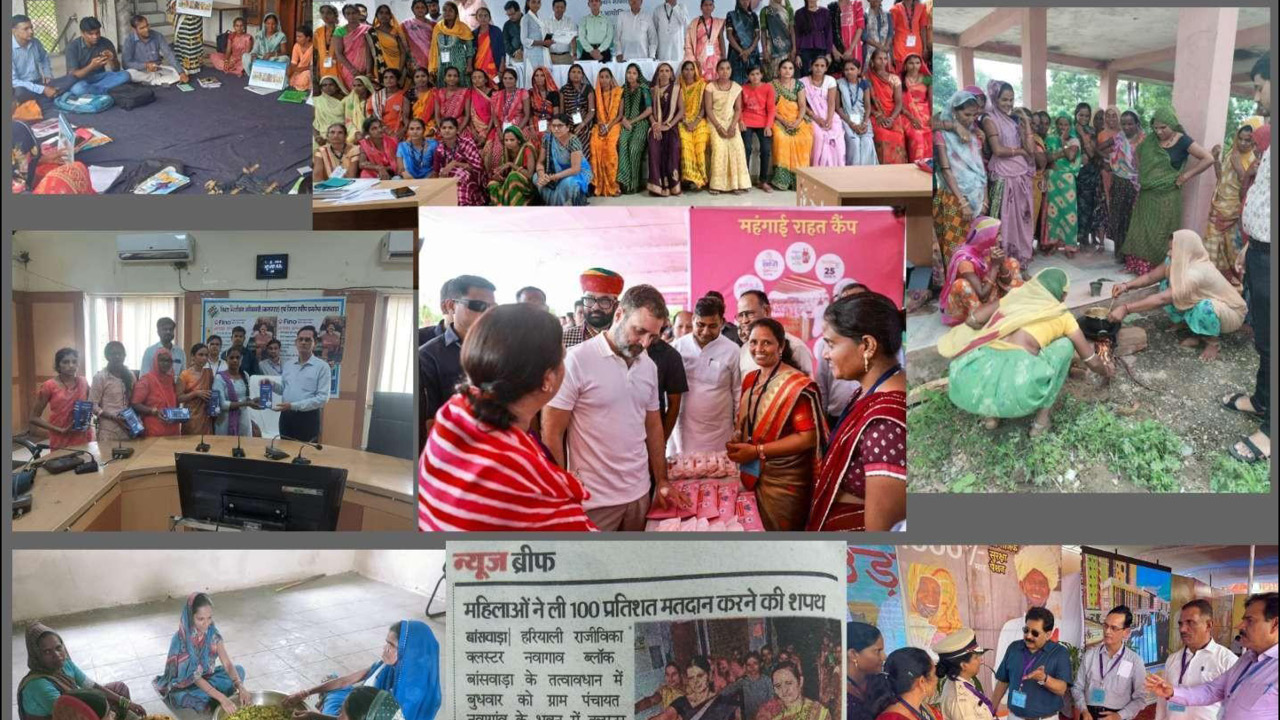
From Margins to Markets: Empowering Tribal Women through Rajeevika in Banswara
Banswara, located in southern Rajasthan, is among the 250 most underdeveloped districts in India. Characterised by its high tribal population and limited livelihood opportunities, women in this region traditionally had minimal economic or public engagement. Recognising this entrenched inequality, RGAVP initiated a transformational programme under the National Rural Livelihoods Mission (NRLM) to empower women socially and economically.
-
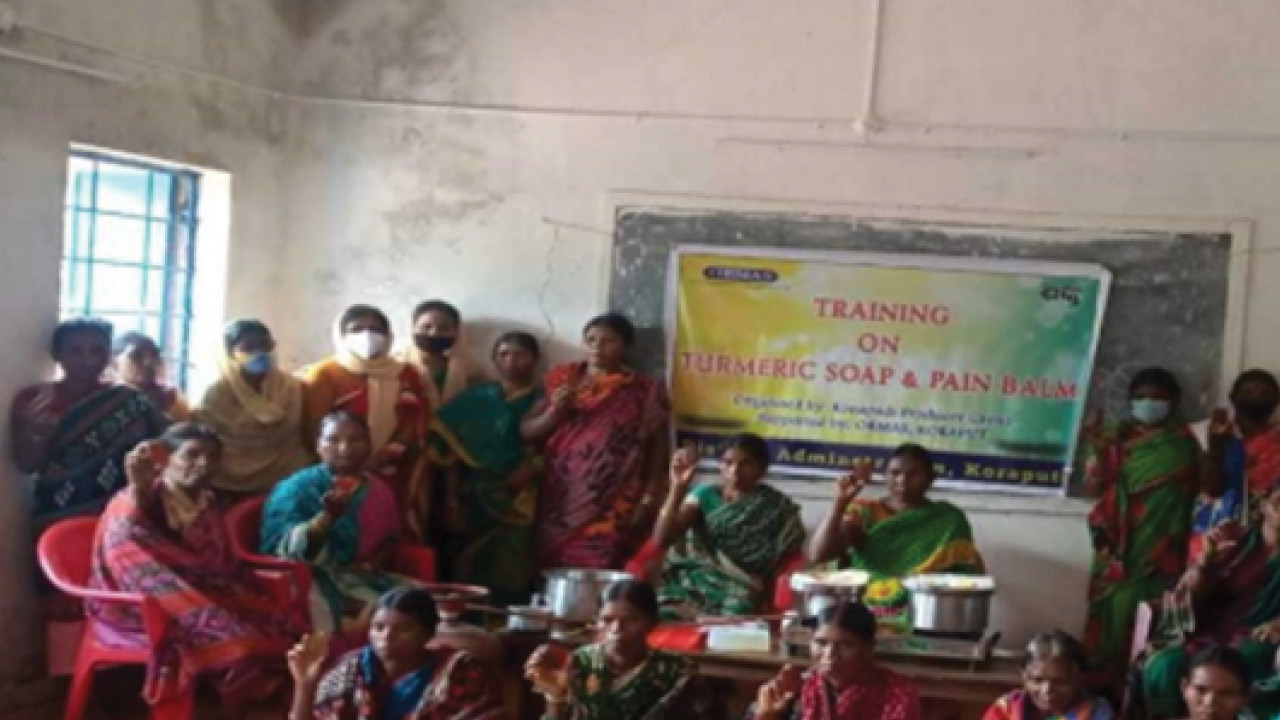
Empowering Tribal Women through Turmeric-Based Livelihoods in Koraput, Odisha
In the scenic but isolated terrain of Laxmipur block in Koraput district, tribal communities have long depended on turmeric cultivation as a major source of livelihood. However, lack of market access, processing capacity, and financial literacy rendered them vulnerable to systemic exploitation. The Turmeric Based Livelihoods Development initiative emerged as a response to this socio-economic marginalization.