

Tribal Welfare
-
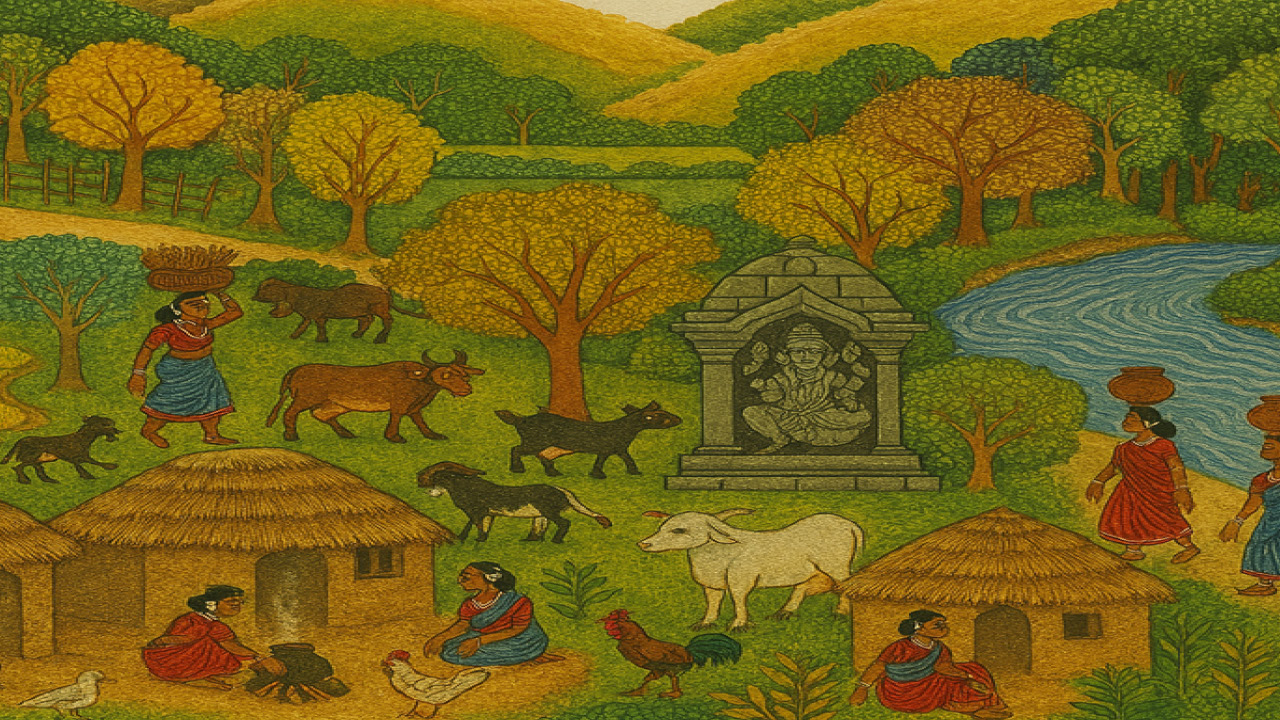
Recognition of Rights of the ST Forest-Dwelling Communities on the Dependent Forest Lands
The project titled “Recognition of rights of the ST forest-dwelling communities on the dependent forest lands” is a transformative governance intervention undertaken by the Tribal Welfare Department, Government of Andhra Pradesh.
-
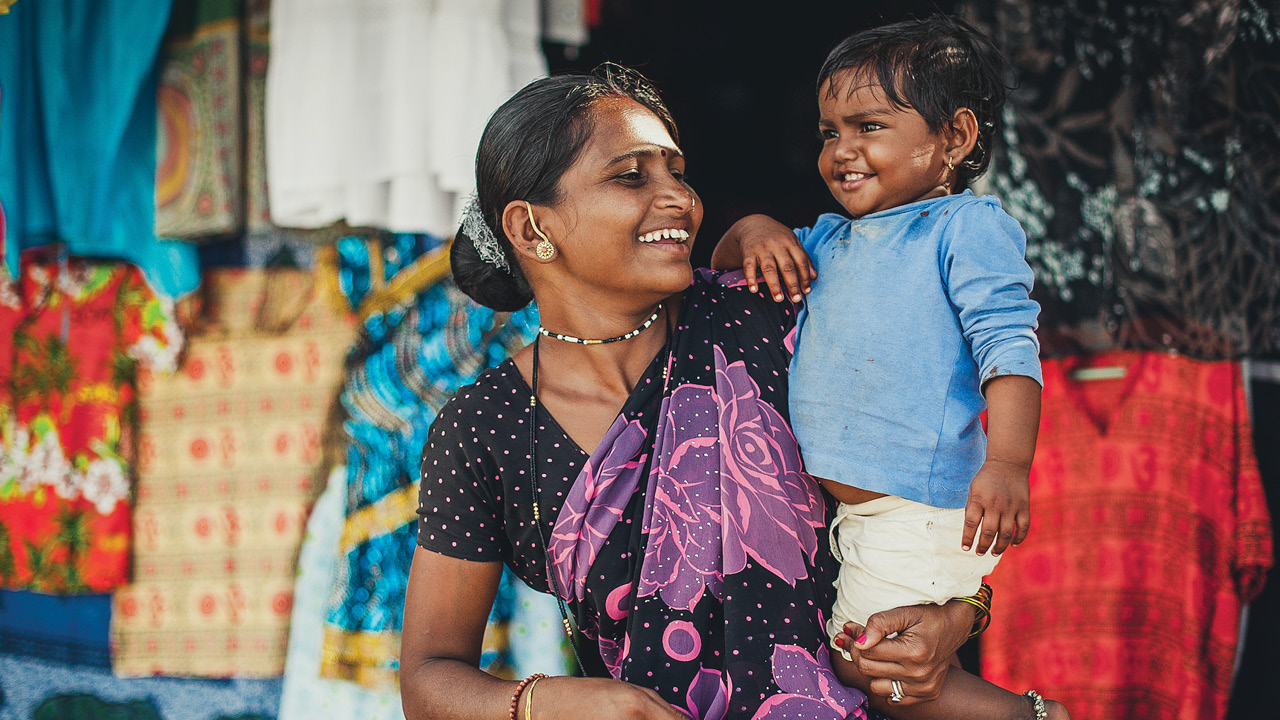
Securing Maternal Health Under Matrutva Yojana
Matrutva Yojana is a pioneering maternal and reproductive health intervention implemented by the Directorate of Tribal Welfare, Government of Goa. Matrutva Yojana is specifically designed for Scheduled Tribe (ST) communities that applies to married couples.
-
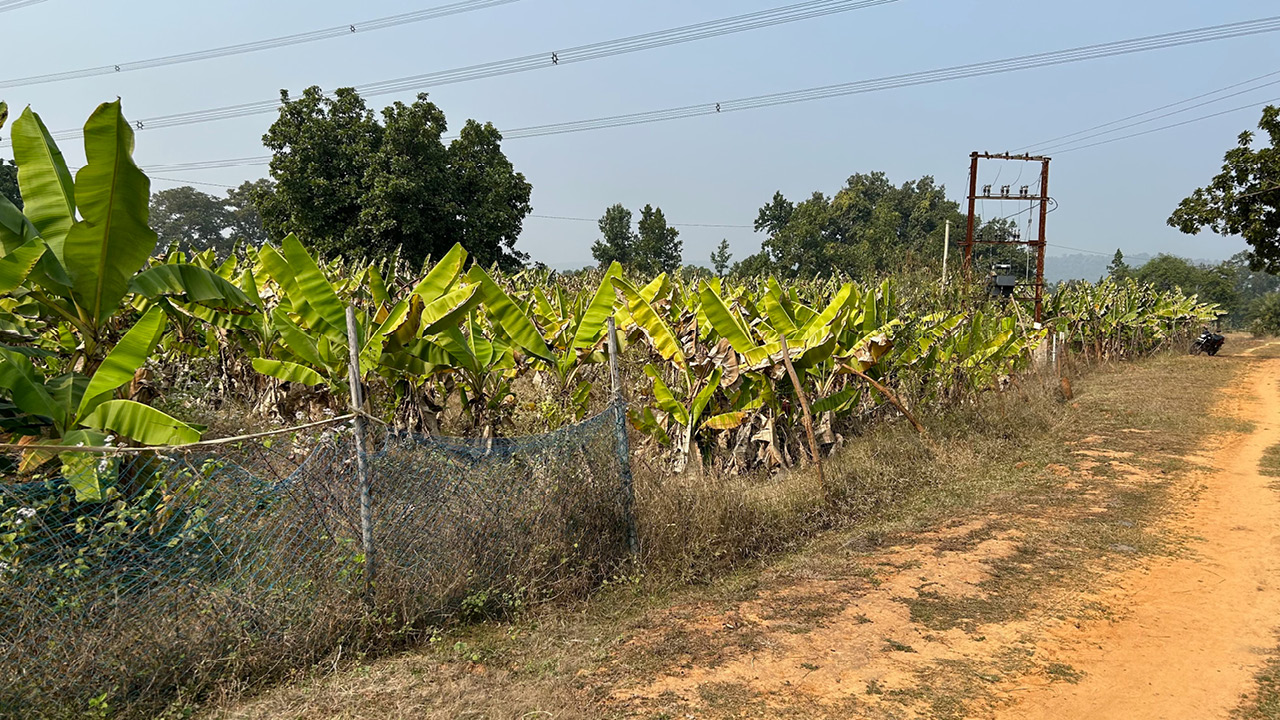
Banana Plantation Flourishes: A Livelihood Revolution in Sundargarh, Odisha
The OMBADC initiative turned this narrative around by introducing banana cultivation as a sustainable and income-generating activity. Through targeted training, capacity building, and market linkage support, the project has empowered local farmers and reduced their dependency on mining.
-

Enhancing Sports Opportunities for Tribal Students in Telangana
This highlights a pioneering initiative by the Tribal Welfare Department of Telangana to empower tribal youth through structured sports education. Implemented through the state’s network of EMRS and tribal welfare residential institutions, the project recognizes sports as a transformative tool for holistic development.
-
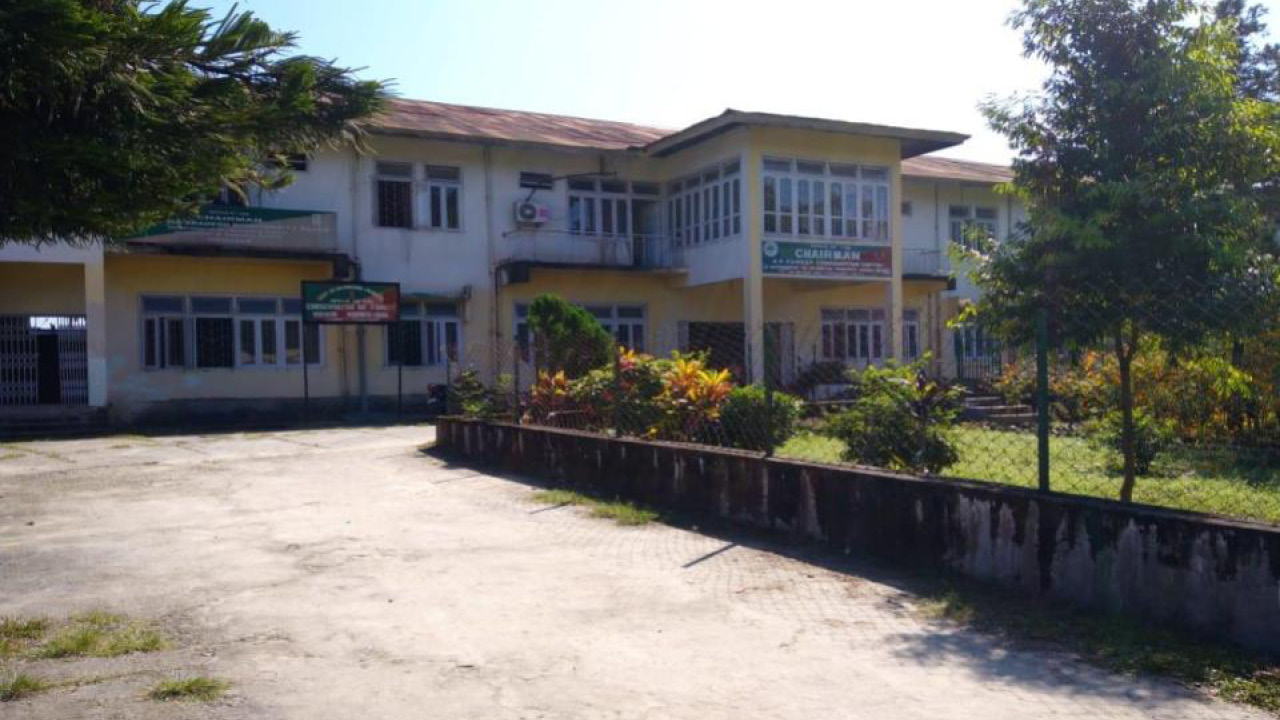
Participatory Plantation for Prosperity: APFCL’s Socio-Economic Model for Tribal Empowerment
The Arunachal Pradesh Forest Corporation Limited (APFCL) was established by the state government in 1977 to promote the socio-economic development of tribal populations while ensuring sustainable forest use. As a government-owned Public Sector Undertaking (PSU), its dual mission includes both commercial and welfare objectives.
-
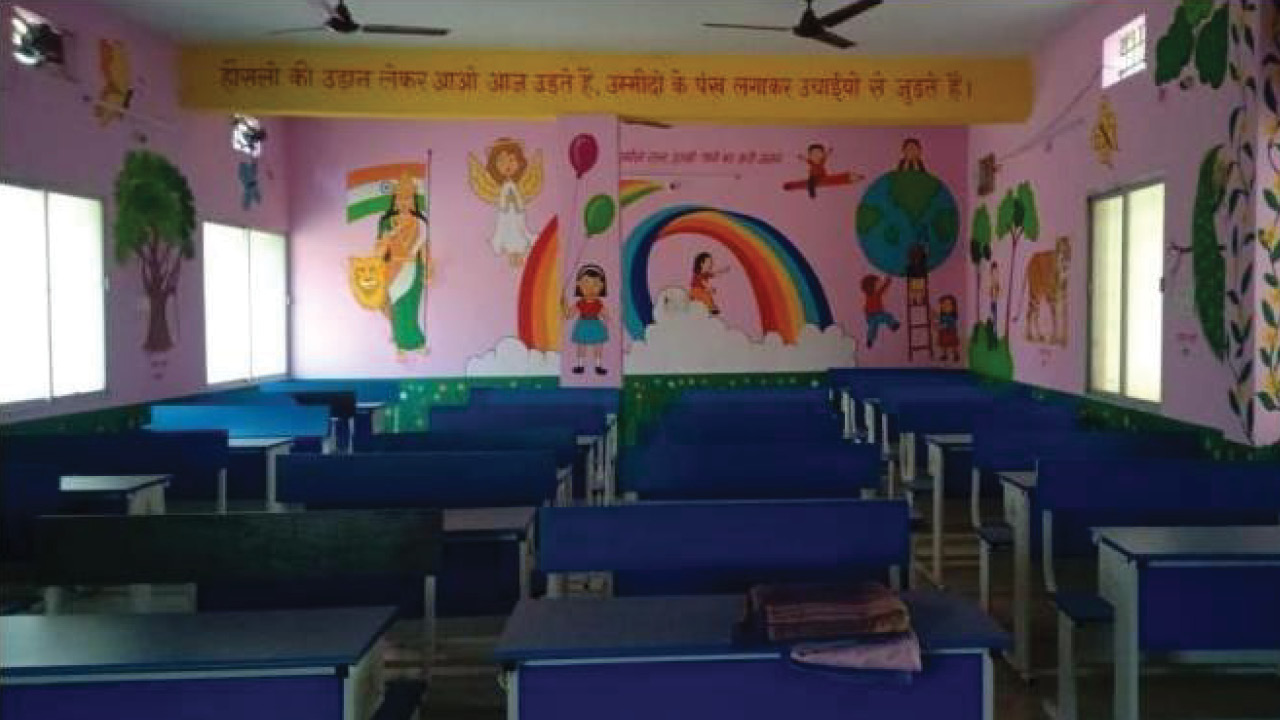
Development of Departmental Hostels/Ashram as Model Institutions
With 3,278 hostels supporting over 1.9 lakh students, the initiative aimed at mainstreaming students into higher education and employment through a holistic residential schooling experience. The project addresses infrastructural inadequacies and promotes quality education among tribal and marginalized communities and to develop departmental hostels and ashrams into Model Institutions.
-

Reconstruction of Banastarim Market: A New Era for Tribal Vendors in Goa
The government initiated the re-construction of the Banastarim Market under the centrally sponsored scheme for Marketing of Minor Forest Produce (MFP). The new complex offers a dignified and regulated space for ST vendors, contributing to both economic empowerment and cultural continuity.
-

ST Household Baseline Survey: Bridging the Last Mile in Tribal Welfare
The STs of Andhra Pradesh, despite various welfare initiatives, often remain on the fringes of public service delivery due to lack of documentation and geographical isolation. The ST Household Baseline Survey was launched to directly address this gap by collecting accurate household-level data to plan and deliver targeted interventions more effectively.
-

Financial Assistance to Students Belonging to Tea Tribes Community of Assam
The Tea Tribes Welfare Department, Government of Assam, launched the project “Financial Assistance to Students Belonging to Tea Tribes Community of Assam” with the objective of promoting education among students from the Tea Tribes, a socio-economically backward group. The project emphasizes creating opportunities for higher education and skill development.
-
Empowering Tribes through Digitized Concessional Loans
Tribal communities in Maharashtra have historically struggled with access to formal credit due to a combination of systemic, infrastructural, and socio-economic barriers. The NSTFDC Based Loan Scheme and State Sponsored Loan Schemes were introduced to address these limitations through a digitized, inclusive financing model.