

Women Empowerment
-
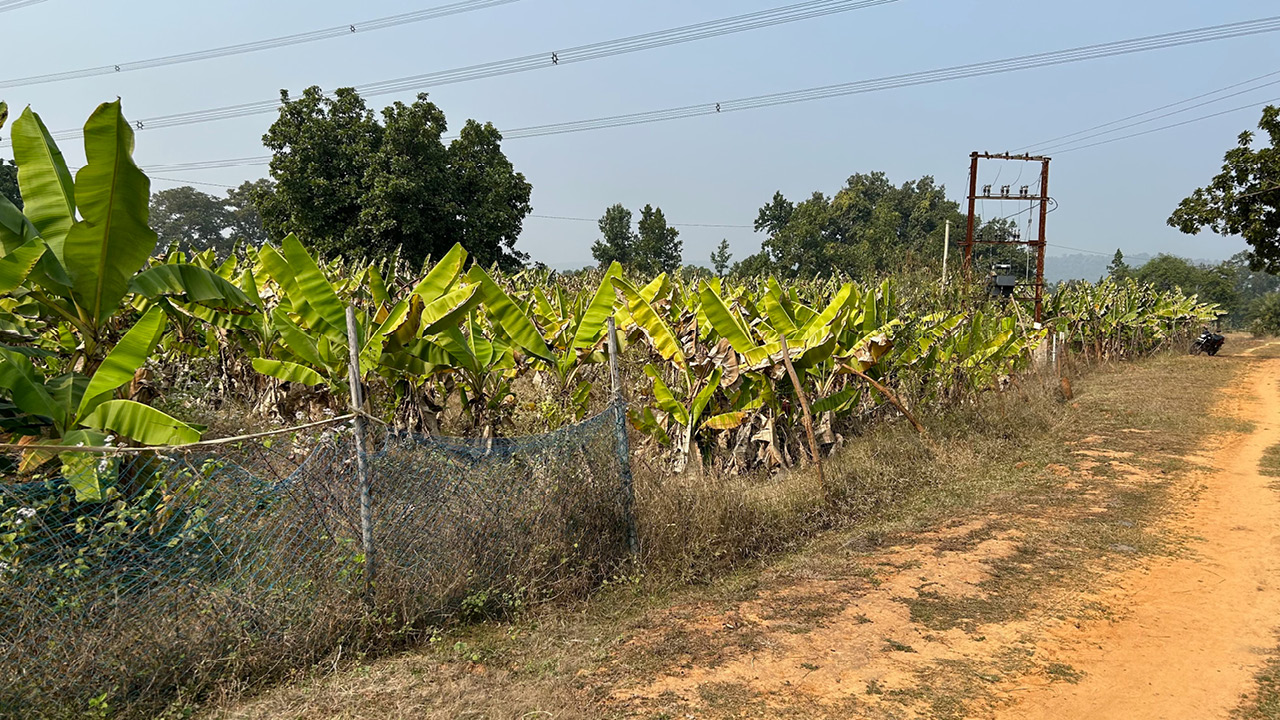
Banana Plantation Flourishes: A Livelihood Revolution in Sundargarh, Odisha
The OMBADC initiative turned this narrative around by introducing banana cultivation as a sustainable and income-generating activity. Through targeted training, capacity building, and market linkage support, the project has empowered local farmers and reduced their dependency on mining.
-
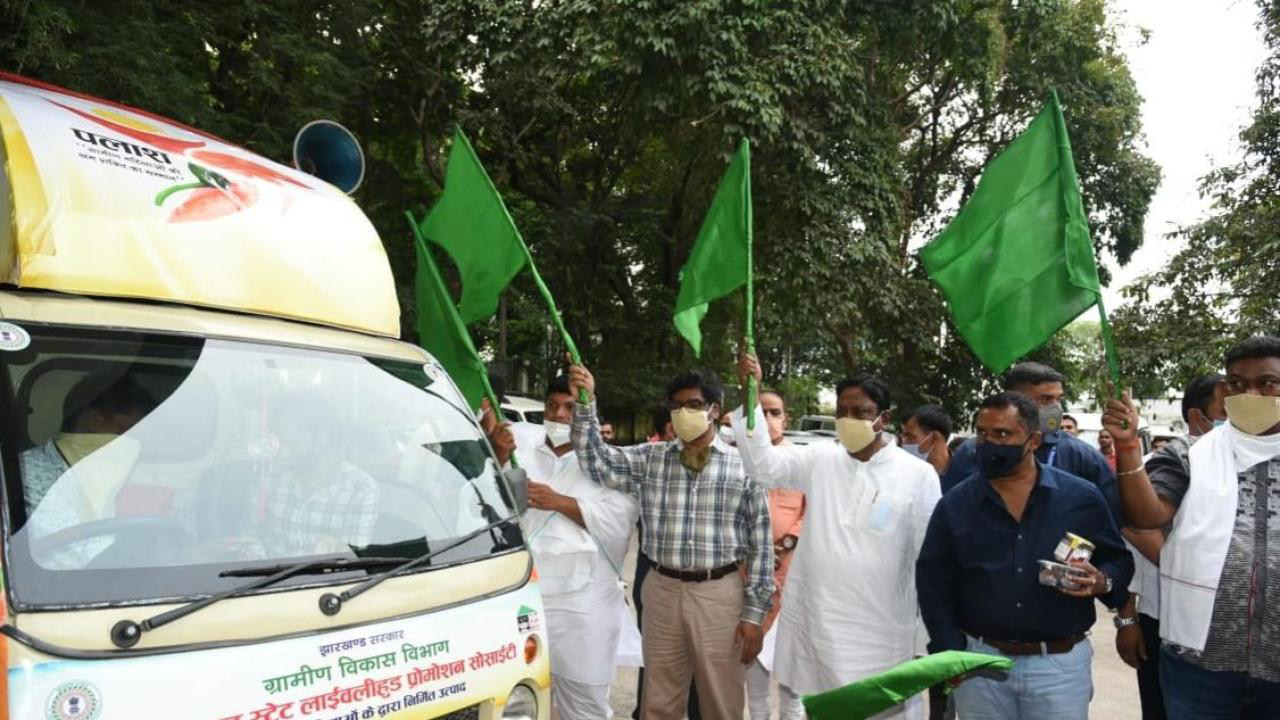
PALASH – Branding and Marketing for Rural & Tribal Women Entrepreneurs and Artisans Products of Jharkhand
PALASH is an initiative by the Department of Rural Development, Government of Jharkhand, through the Jharkhand State Livelihood Promotion Society, to transform the economic landscape for tribal and rural women. It aims to build a sustainable ecosystem around local enterprise by creating a branded market for indigenous and naturally produced goods.
-
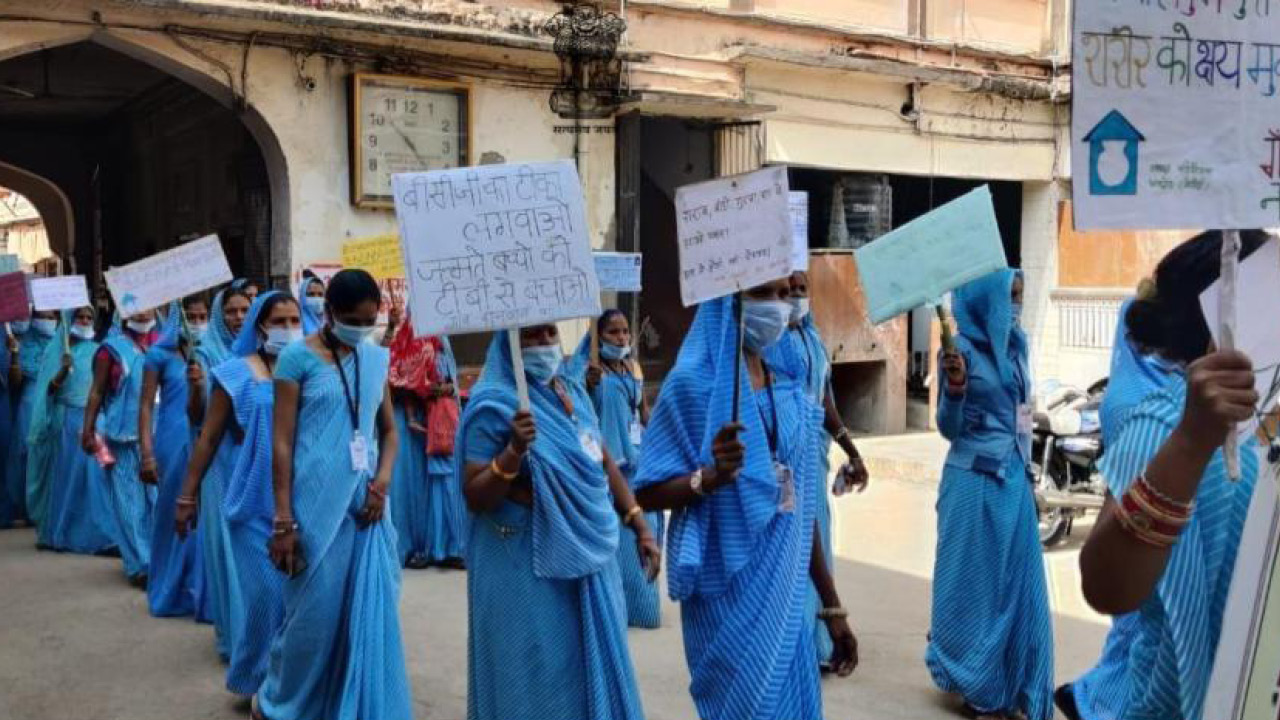
Empowering Communities for TB Control: The Swasthya Karmi Yojana in Rajasthan
By training local tribal women to serve as health workers (Swasthya Karmis), the project seeks to bridge the healthcare gap in areas where formal systems struggle to reach. These Swasthya Karmis have since become key agents in delivering essential healthcare, raising awareness, and fostering trust within tribal communities. This is a women-led health intervention model.
-
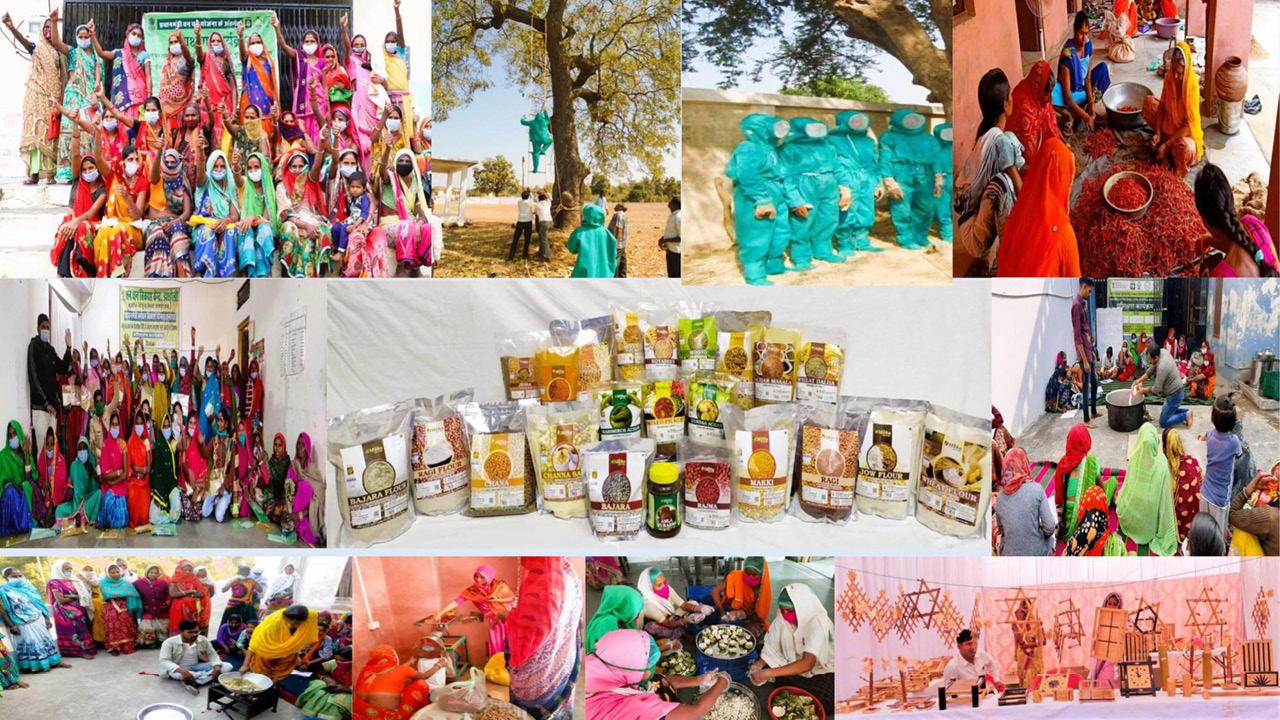
Skill Upgradation and Livelihood Generation for Tribals through Van Dhan Vikas Kendras in Rajasthan
The project was conceived to address long-standing economic marginalization among tribal populations in Rajasthan. This integrated initiative combines the Van Dhan Yojana with supporting schemes such as SFURTI, Mini-TRIFOOD, and ESDP, aiming to foster entrepreneurship, income generation, and empowerment among tribal women.
-
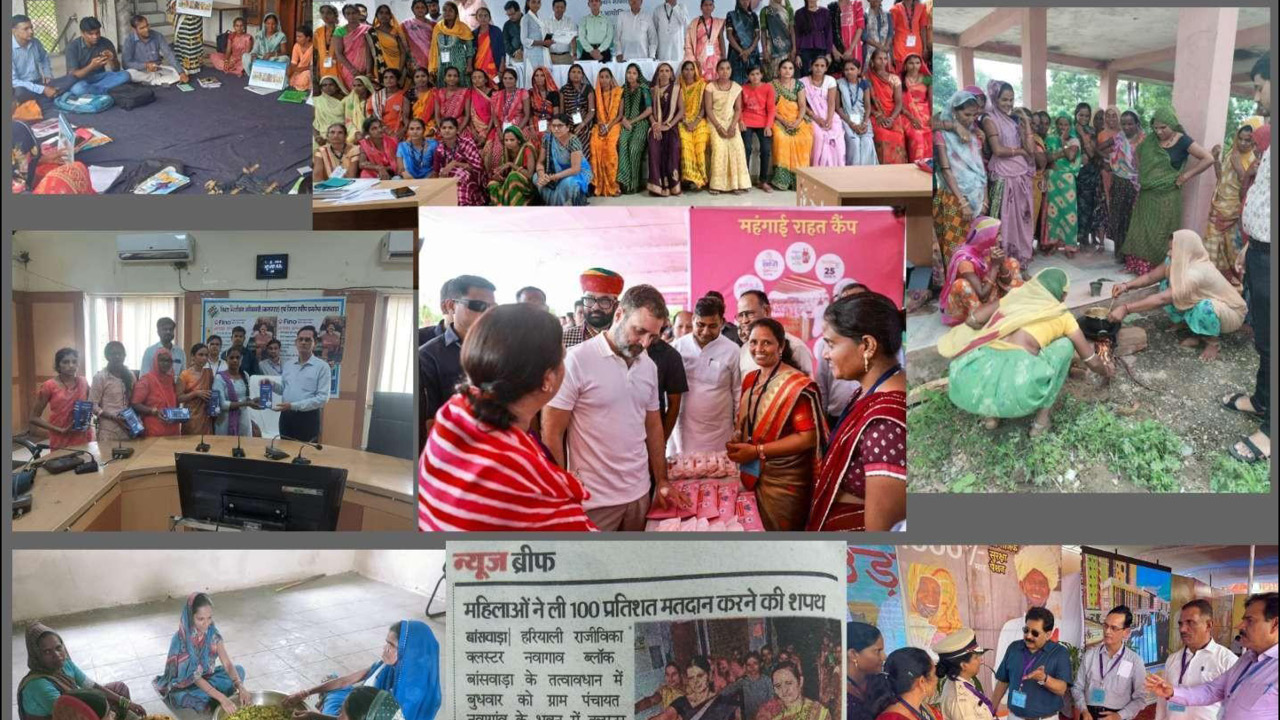
From Margins to Markets: Empowering Tribal Women through Rajeevika in Banswara
Banswara, located in southern Rajasthan, is among the 250 most underdeveloped districts in India. Characterised by its high tribal population and limited livelihood opportunities, women in this region traditionally had minimal economic or public engagement. Recognising this entrenched inequality, RGAVP initiated a transformational programme under the National Rural Livelihoods Mission (NRLM) to empower women socially and economically.
-
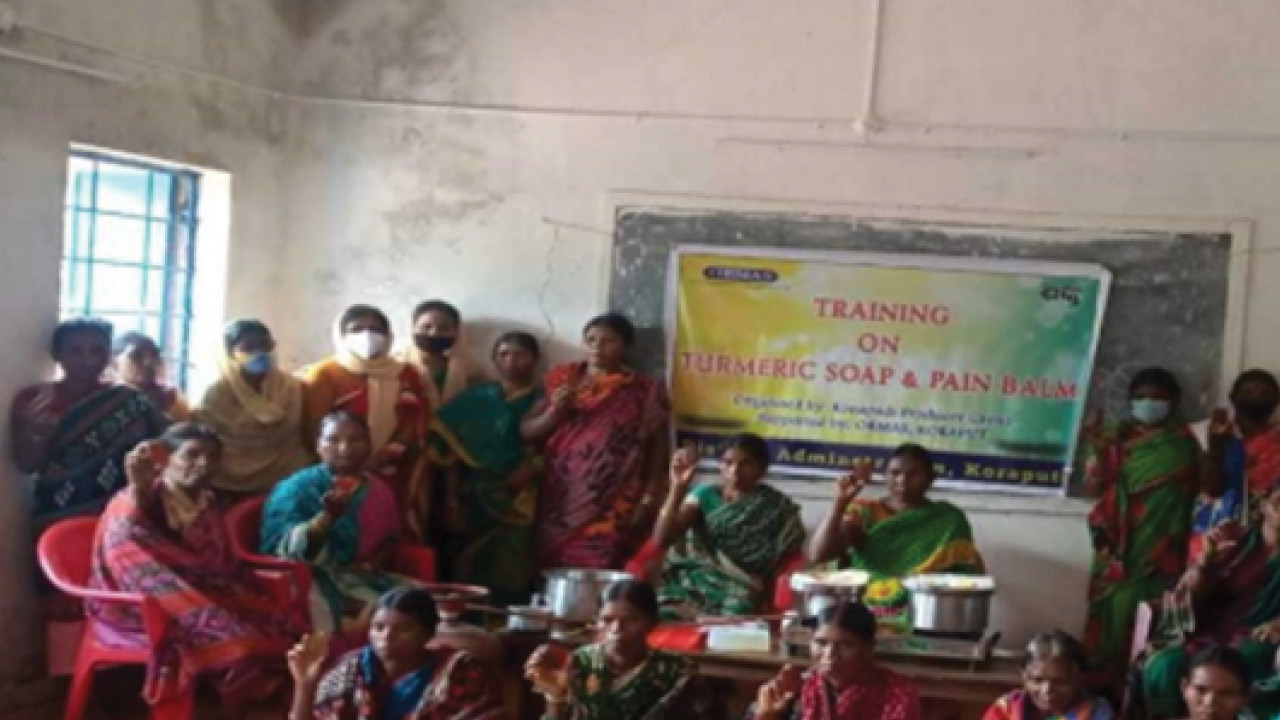
Empowering Tribal Women through Turmeric-Based Livelihoods in Koraput, Odisha
In the scenic but isolated terrain of Laxmipur block in Koraput district, tribal communities have long depended on turmeric cultivation as a major source of livelihood. However, lack of market access, processing capacity, and financial literacy rendered them vulnerable to systemic exploitation. The Turmeric Based Livelihoods Development initiative emerged as a response to this socio-economic marginalization.
-

Tribal Udaan: Multi-Purpose Sports Hub & Recreational Park, Kanubari
Located in one of Arunachal Pradesh’s most remote, insurgency-affected and socio-economically challenged districts, Kanubari long struggled with a lack of structured recreational infrastructure. Children, youth, women, and elderly citizens had no dignified public spaces, leaving young people particularly vulnerable to negative influences.
-
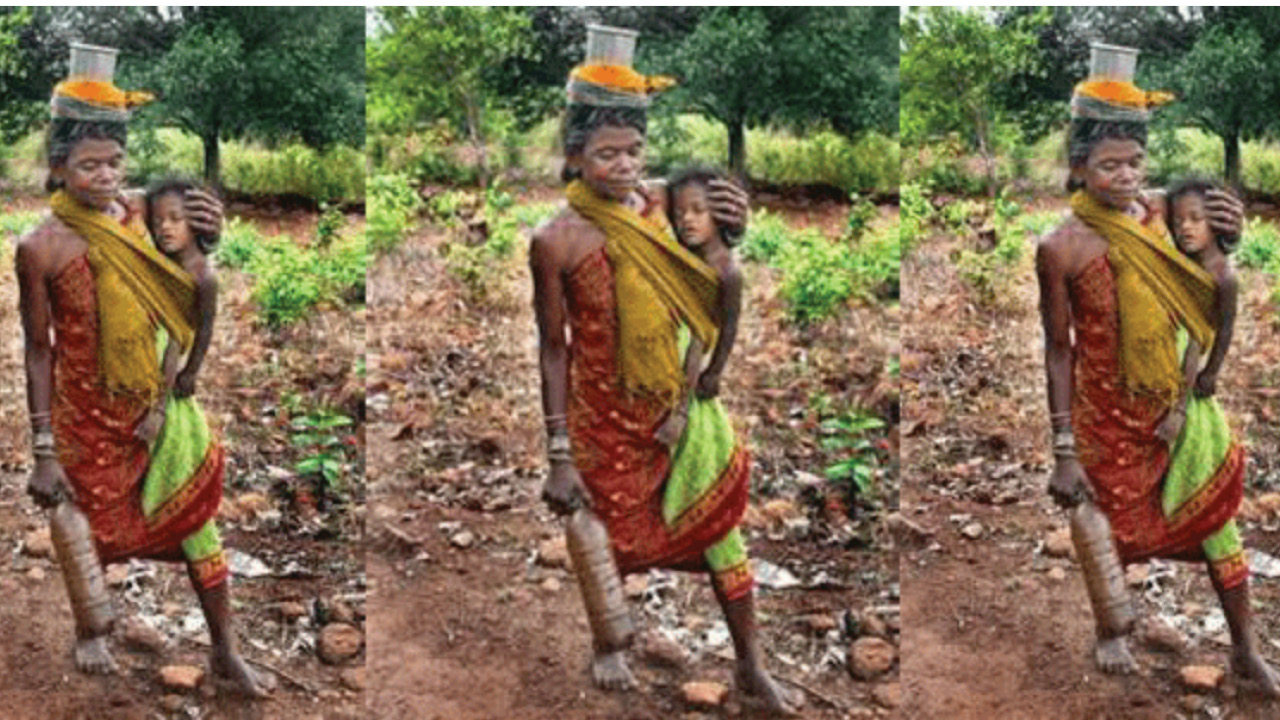
Innovation for Safe Delivery Among the Pregnant Women in Tribal Villages
This explores an innovative healthcare intervention aimed at ensuring safe delivery for pregnant women in remote tribal villages of Vizianagaram. The initiative addresses the dire need for maternal and neonatal care in hard-to-reach regions by providing institutional support, medical supervision, and nutritional guidance.
-
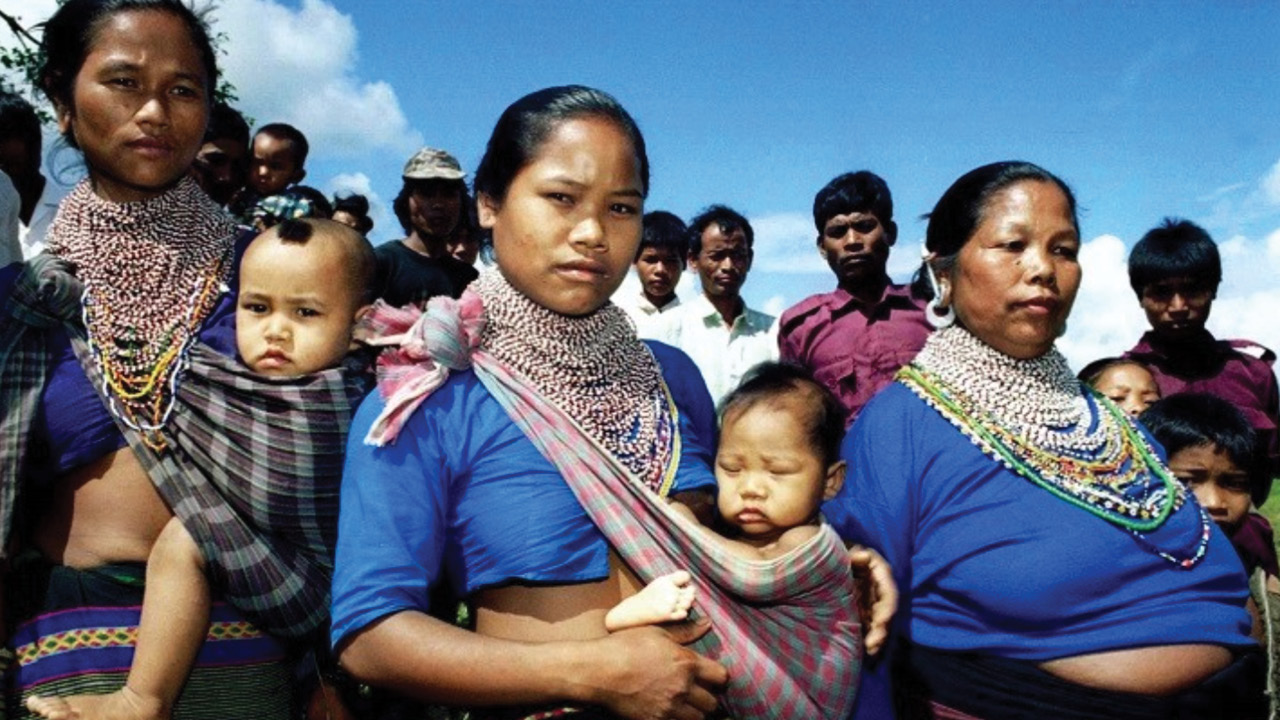
Restoring Dignity and Livelihoods: Household Flour Mills for Tribal Empowerment in Gujarat’s Hills
The initiative emerged from a deep understanding of the daily struggles faced by tribal women, who were walking long distances through treacherous terrain to grind grains, risking safety and spending hours on a task essential for survival. The project addressed multiple layers of hardship.
-
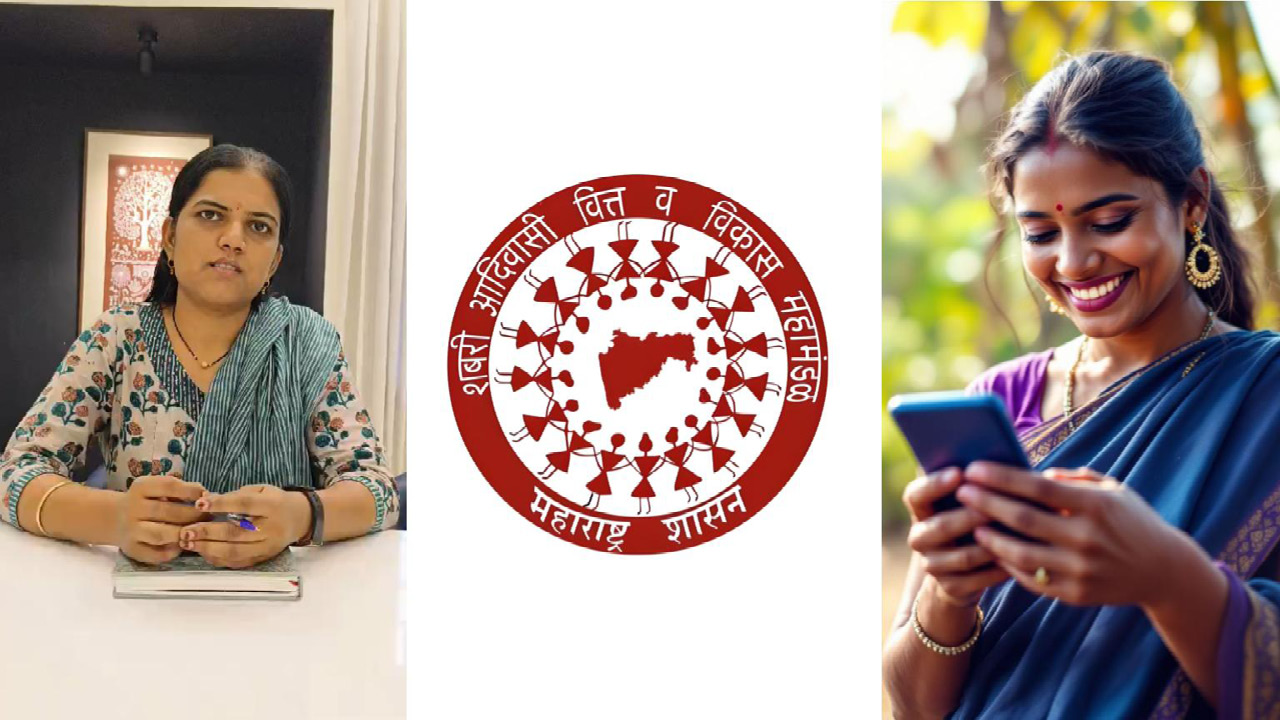
Empowering Tribes through Digitized Concessional Loans
Tribal communities in Maharashtra have historically struggled with access to formal credit due to a combination of systemic, infrastructural, and socio-economic barriers. The NSTFDC Based Loan Scheme and State Sponsored Loan Schemes were introduced to address these limitations through a digitized, inclusive financing model.